English
 Türkçe

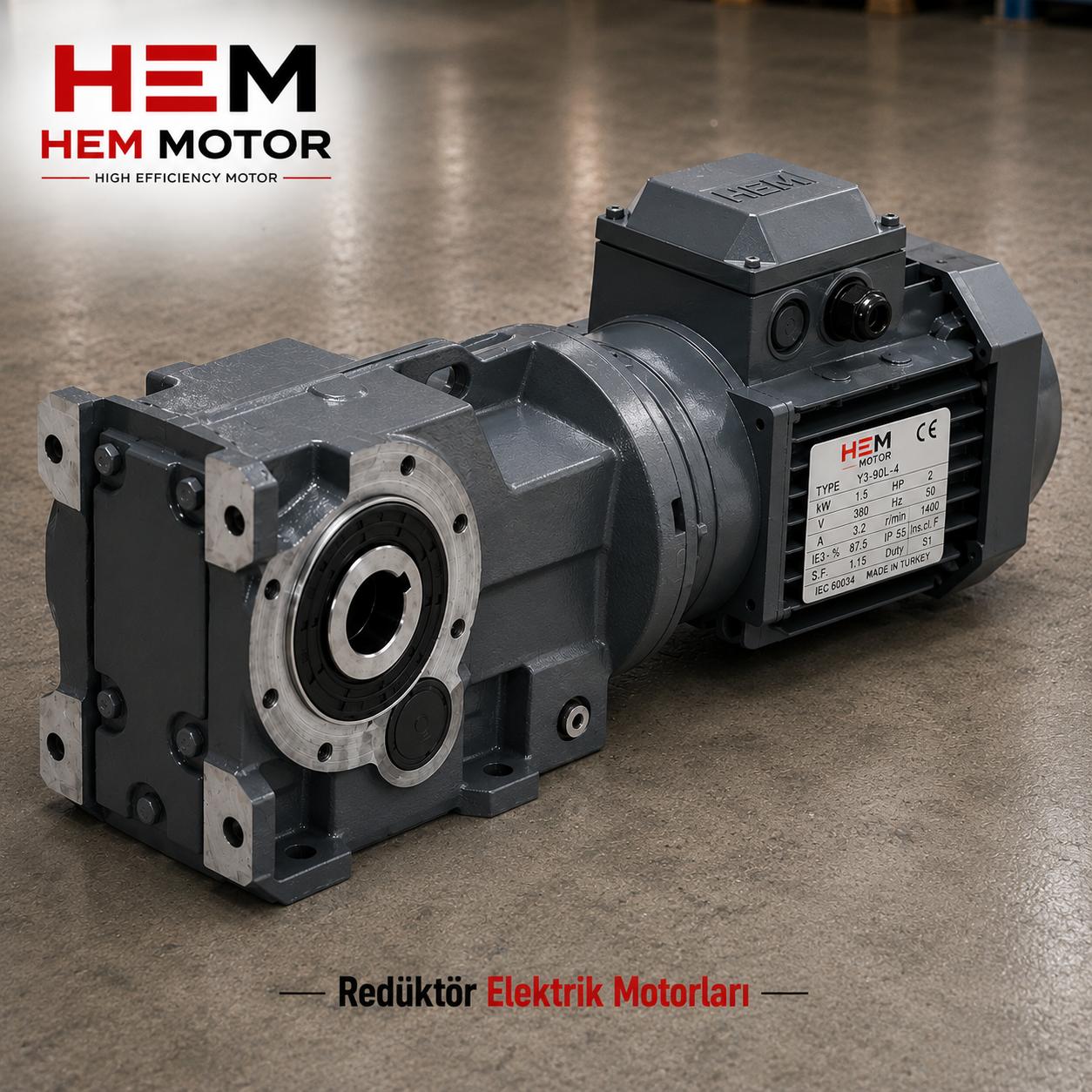

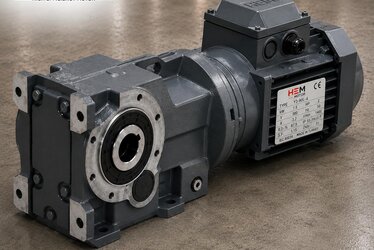
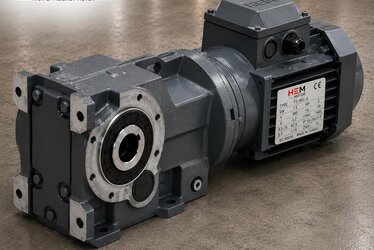
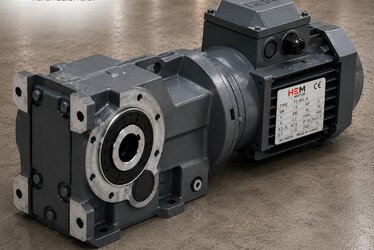
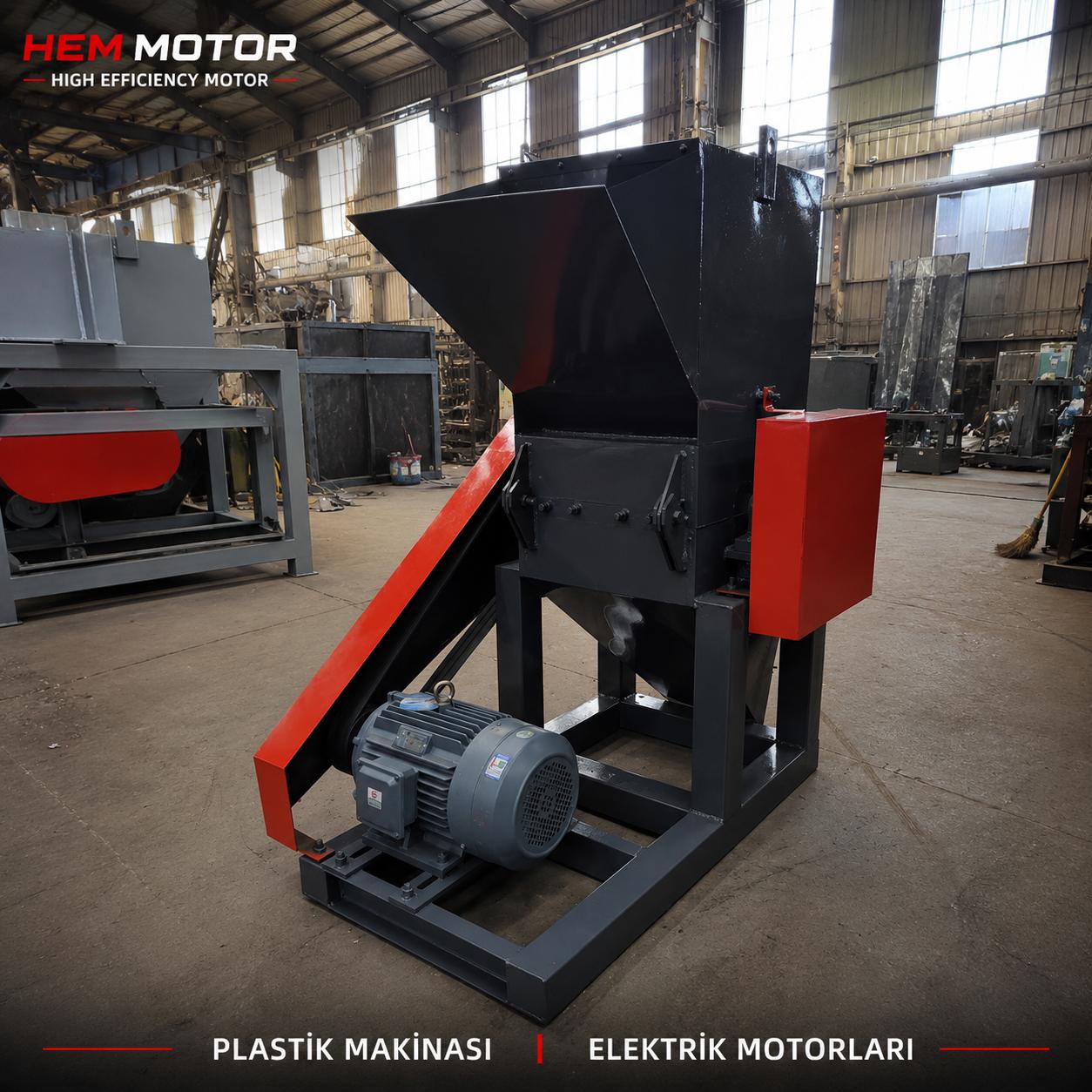
In cone and jaw crushers, attention usually focuses on the main drive motor of hundreds of kilowatts; yet the crusher has a quiet but critical hero: the lubrication unit motor. The moment the lubrication unit (lube unit / HPU) that continuously sends clean, pressurized oil to the crusher's bearings and gears stops, it is dangerous to keep the machine running, no matter how powerful the crusher's main motor is. This low-power oil circulation pump motor is in fact the component that protects the life and safety of the entire crusher. In this article we address the crusher lubrication unit motor; we explain why this motor driving the oil circulation pump must run in continuous duty (S1), why it is so critical at low power, its pressure and cooling needs, and why it should be kept in stock as a critical spare. This motor performs a completely different task from the crusher's main motor: it does not crush stone; it lubricates and protects the machine that crushes stone. As HEM Motor, because we supply these critical auxiliary motors to crusher and mine facilities alongside the main drive motors, we treat the correct selection of the lubrication unit motor with care.
What Is a Crusher Lubrication Unit (HPU)?
The lubrication unit is an independent hydraulic/lubrication group that provides continuous oil circulation to the bearings and gear system of the crusher. Inside it there is an oil tank, a circulation pump, an electric motor driving this pump, filters, a cooler (heat exchanger) and pressure-temperature sensors. This unit works like the crusher's "circulation system."
The Oil Circulation Pump and Its Motor
The heart of the lubrication unit is the circulation pump that draws oil from the tank, pressurizes it and sends it to the crusher's lubrication points. The electric motor driving this pump is generally low-power, but its task is continuous: as long as the crusher runs, and often for a while before the crusher starts and after it stops, it must maintain oil circulation uninterrupted. Therefore this motor must be selected for continuous (S1), not intermittent, duty. We covered the effect of duty type on selection in our article on electric motor duty type (S1-S6) selection.
Difference from the Main Drive Motor
The crusher's main drive motor produces high power and high starting torque to crush stone; it works under impact load and is usually hundreds of kilowatts. The lubrication unit motor is the opposite: a low-power motor working under a constant, balanced load, but continuously. Their selection criteria are entirely different. We covered the selection of the main drive motor in our article on crusher motor kW selection: power by jaw, impact and cone crusher; this article focuses on the auxiliary motor that keeps that main motor running.
Why Is Continuous Duty (S1) Essential?
The most decisive feature of the lubrication unit motor is that it runs uninterrupted. The crusher's bearings must be protected with a continuous oil film for as long as the main motor turns; if this film is interrupted even for a moment, metal-to-metal contact begins and the bearing is damaged in a short time.
Oil Film and Bearing Protection
The oil film in the crusher bearings prevents wear by separating the rotating and fixed surfaces. This film is continuously fed by pressurized oil flow; that is, if the lubrication pump stops, the film thins and disappears. In a crusher bearing working under high load, this can lead to irreversible damage within minutes. Therefore the lubrication motor starts before the main motor and stops after it; in most systems, if the oil pressure is insufficient, the main motor is not run at all (interlock operation).
The Consequence of Interruption: Downtime and Damage
The stopping of the lubrication unit motor means not just loss of lubrication, but the emergency stopping of the entire crusher. This causes high cost through both production downtime and possible bearing damage. We covered the downtime cost of motor failure in a crusher facility in our article on reducing motor failure and downtime cost in a crusher facility; the lubrication motor, despite being small, is one of the most critical links in this downtime chain.
Pressure, Cooling and Operating Conditions
The oil circulation pump motor must be selected to continuously meet the pressure and flow the pump demands. Although low-power, its operating conditions are demanding: continuous duty, a dusty field environment and temperature fluctuations all combine.
Pump Pressure and Motor Power
The lubrication pump is generally a positive-displacement (gear or vane) pump and produces constant flow at constant pressure, which means a constant-torque load. The motor must cover the power demand at the pump's highest operating pressure with a safe margin. Because oil viscosity increases in cold weather, the power the motor draws at the first start also increases; this should be considered in power selection. We covered the power selection logic in constant-torque pump motors in our article on positive displacement pump motor selection: constant torque.
Cooling and Oil Temperature
In the lubrication unit, the oil temperature affects both the lubrication quality and the motor's operating condition. The system usually cools the oil with a heat exchanger; however, since the motor itself runs continuously in a dusty and hot field environment, it needs adequate cooling and protection against dust. Therefore IP55 protection class and suitable insulation are the basic expectation for the lubrication motor. We covered dust sealing and protection class in crusher motors in our article on dust sealing and IP65/IP66 protection in crusher motors.
Durability in a Dusty Field Environment
The lubrication unit motor works right next to the crusher, in an environment with heavy stone dust. This environment directly affects the motor's protection and frame durability.
Dust, Moisture and Corrosion
Stone dust sticks to the motor's cooling fins, hindering heat dissipation; dust and moisture together, if the sealing is weak, enter the motor and threaten the insulation and bearings. Therefore the lubrication motor should be selected with IP55 protection and a solid cast iron frame, to withstand harsh field conditions. We detailed motor protection in a quarry and mine field in our article on motor protection in a stone quarry and mine: dust, moisture and impact.
Cast Iron Frame and Bearing
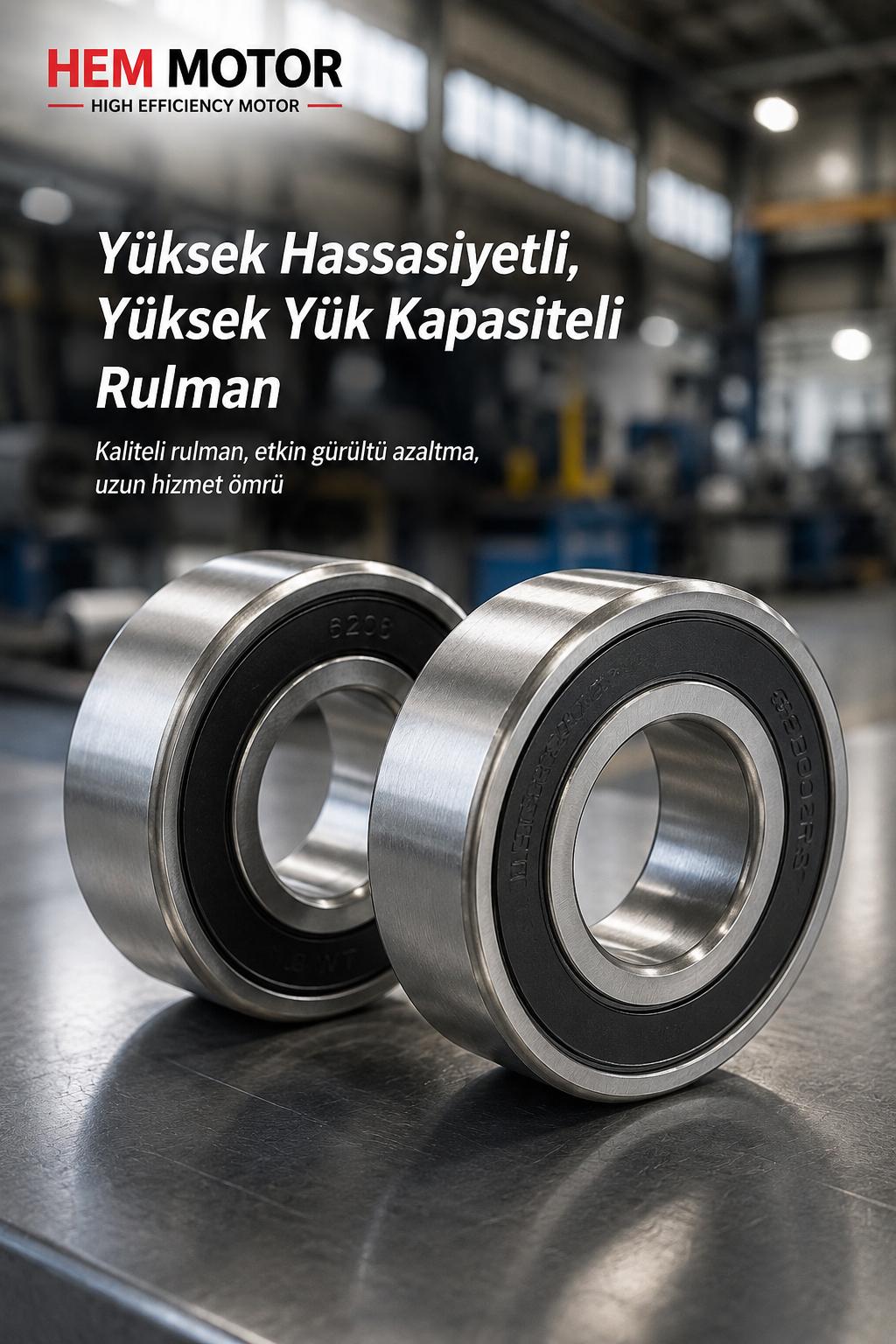
In a motor running continuously and working in a dusty environment, a cast iron frame is advantageous for both mechanical durability and heat dissipation. A quality bearing and correct lubrication determine the motor life in continuous duty. We covered bearing life in crusher and mill motors in our article on bearing life in crusher and mill motors: shock, dust and lubrication.
The Lubrication Motor as a Critical Spare
The lubrication unit motor is a small and relatively inexpensive component; but when it fails it stops the entire crusher. Therefore, although not as much as the main drive motor, it is a motor that must definitely be on the critical spare list.
Small Motor, Big Risk
It is usual for a facility to keep a spare for the main crusher motor of hundreds of kilowatts; but what is often overlooked, and can actually trigger the stoppage, is the small lubrication motor. Because the crusher cannot be run without the lubrication motor, keeping a spare of this motor in stock is one of the most economical insurances. We covered which motors should be kept as critical spares in our article on critical spare motor list for facilities.
Fast Supply and Replacement
In a lubrication motor failure, fast replacement minimizes production downtime. Because these motors are in standard IEC frames, once the correct power, speed, frame and mounting type are determined, they can be supplied quickly from stock. We covered supply continuity and critical stock assurance in mining in our article on mining motor supply contracts. And we examined the other auxiliary motors of the crusher facility besides the main crusher in our article on motors other than the main crusher in a crushing-screening plant.
- Select the lubrication unit motor strictly for continuous duty (S1).
- Size the motor with a safe margin according to the power demand at the pump's highest operating pressure.
- Account for the increase in oil viscosity in cold weather and the starting power demand.
- Request IP55 protection and a cast iron frame for the dusty field.
- Prefer interlock operation that does not run the main motor if the oil pressure is insufficient.
- Add the lubrication motor to your critical spare list; it is a small but stoppage-triggering component.
- Secure fast replacement by determining the correct power, speed, frame and mounting type.
Frequently Asked Questions
Why should a crusher lubrication unit motor be selected for continuous (S1) duty?
Because the oil film in the crusher's bearings must be fed uninterrupted for as long as the main motor turns. If the lubrication pump stops even for a moment, the oil film thins, metal-to-metal contact begins and the bearing is damaged in a short time. Therefore the lubrication motor must be designed for continuous (S1), not intermittent, duty and should generally start before the main motor and stop after it.
Why is the lubrication motor selected differently from the main crusher motor?
Because the tasks of the two motors are entirely different. The main drive motor produces high power and high starting torque to crush stone and works under impact load. The lubrication motor is a low-power motor working under a constant, balanced load, but continuously. Therefore, while starting torque and the starting method stand out in the main motor, continuous duty, pressure and protection against dust are decisive in the lubrication motor.
Why should I keep a low-power lubrication motor as a critical spare?
Because if this small motor fails, you cannot safely run the machine no matter how powerful the crusher's main motor is; without lubrication the crusher stops. So a small and inexpensive component can trigger the stoppage of the entire facility. Keeping a spare in stock is one of the most economical insurances when compared with the cost of a possible production stoppage.
Get a Quote
If you want to select the right oil circulation pump motor for a crusher lubrication unit, share the pump's operating pressure and flow, the motor power and speed, the frame and mounting type and, if any, the nameplate details of the existing motor with us. Our expert team will clarify the motor suited to continuous duty and field conditions together. You can call us at +90 (532) 345 49 86 or send your request via our contact page. You can review our crusher and stone-crushing motors in our crusher and stone crushing motors category, and explore our products on the products page and our home page (HEM Motor).