English
 Türkçe

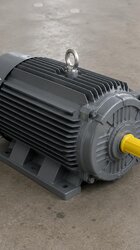
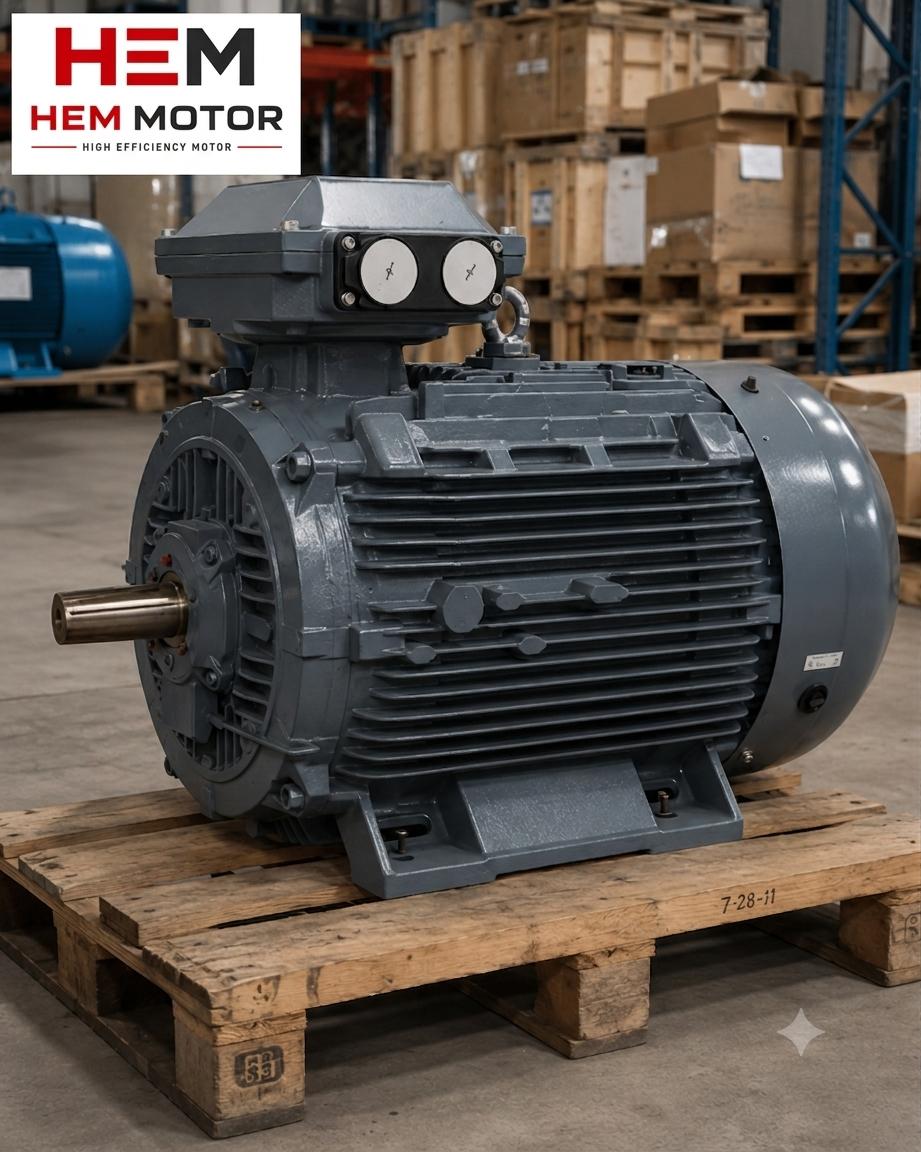

Although the word electric motor often brings large power ratings to mind, a significant portion of the motors most used in industry's daily operation are micro powers such as 0.18 kW and 0.25 kW. Small dosing machines, drive units on automation lines, laboratory devices, small mixers, packaging machines and the serial products of OEM machine manufacturers are built on these small but critical motors. Selection in micro-power motors has different priorities from large motors: here the decisive factor is often not the power itself but the correct connection type (especially the B14 flange), the correct speed, the single-phase or three-phase choice, a compact frame and fast availability from stock. In this guide we examine 0.18 and 0.25 kW micro-power motors under the headings of small machines and automation, laboratory and OEM applications, B14 flange and mounting, the single-phase alternative, speed selection and the stock-price-quote process, explaining what to watch for in a correct purchase.
Where Are Micro-Power Motors Used?
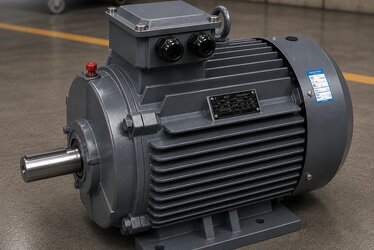
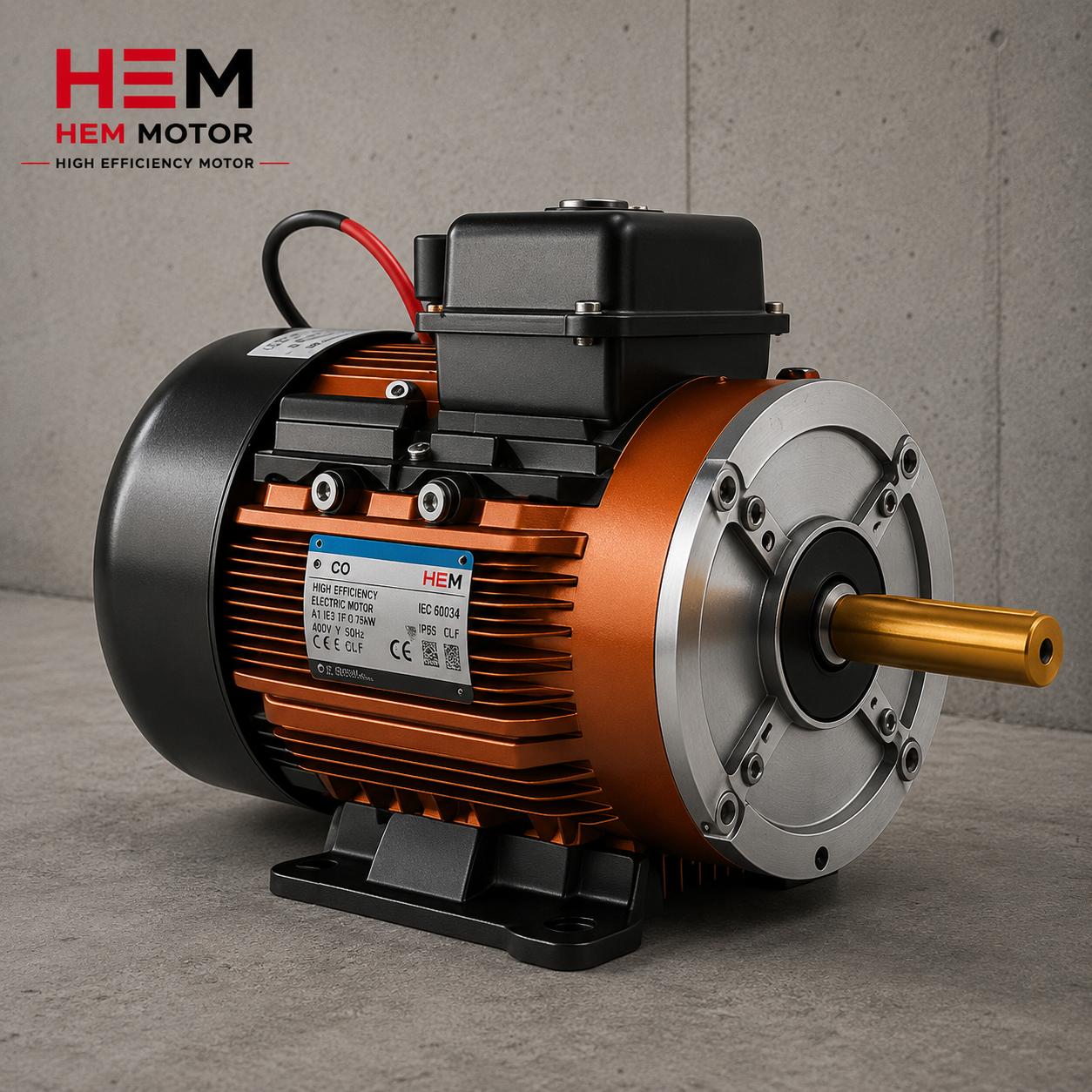
0.18 kW (about 0.25 HP) and 0.25 kW (about 0.33 HP) motors are the basic drive elements of small machines and automation systems. These powers are enough to turn a small mixer, a dosing pump, a small conveyor or the drive shaft of a packaging machine. On automation lines they are often combined with a reducer to obtain low output speed and high torque. In laboratory and test devices, quiet, balanced and precise operation comes to the fore. This power class can easily be moved up a step to 0.37 and 0.55 kW when the need grows slightly; you can find a similar micro-power selection logic for 0.37 and 0.55 kW motors in 0.37 and 0.55 kW IE3 micro-power motors, and for the next level of 0.75 and 1.1 kW in 0.75 and 1.1 kW IE3 motors. Choosing the right power at micro level matters both for the machine to run efficiently and to avoid raising cost with an unnecessarily large motor; in most small machines, oversizing the motor increases not only the initial cost but also the space it occupies and its weight.
Small Machines and Automation
Micro-power motors are among the most preferred power classes in small machine manufacturing. On automation lines they are usually used together with a reducer; a 1500 rpm motor is reduced to the required low output speed by a worm or bevel-helical reducer while the output torque increases. In this combination, the motor's frame type and connection flange are critical for it to seat correctly on the reducer. You can find which motor fits a reducer and the IEC connection matching in which electric motor fits a worm and NMRV reducer. You can review whether to buy the geared motor separately or as a monoblock in monoblock geared motor purchasing.
Laboratory, OEM and Serial Production
For OEM machine manufacturers, the most important criteria in micro-power motors are continuity and standardisation. The same motor must be available with the same frame and connection dimensions in every unit of a serially produced machine; otherwise mismatch occurs on the assembly line. For this reason OEM manufacturers generally prefer motors with standard IEC frame dimensions and want to secure supply continuity. You can find how motor supply agreements are set up in serial production in motor supply agreements for OEM machine manufacturers.
B14 Flange and Mounting Type: The Key to the Small Machine
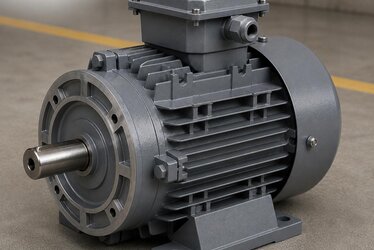
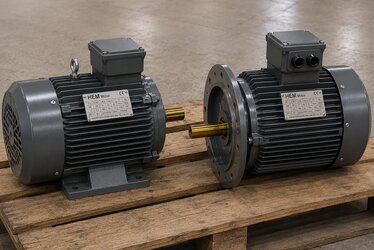
In micro-power motors, the mounting type is perhaps the most critical part of the selection. The connection type most often used in small machines and reducer applications is the B14 small flange; this flange allows the motor to be connected directly to the machine body or the reducer through the threaded holes on the motor's front face. B5 large flange and B3 foot-mounted options are also available, but B14 is mostly preferred in compact small machines. When the wrong flange type is selected, the motor does not seat on the machine and time is lost in the field. Another advantage of the B14 flange is that the motor is connected cleanly and evenly from the front face; this reduces vibration in small machines and makes assembly easier. In micro-power motors, frame types are usually IEC 56 and IEC 63 size; these small frames are standardised to match directly with reducer housings (for example worm-gear reducer housings). Thanks to this, a micro-power motor can be coupled directly to a suitable reducer with bolts, with no need for a separate connection element.
B14 or B5?
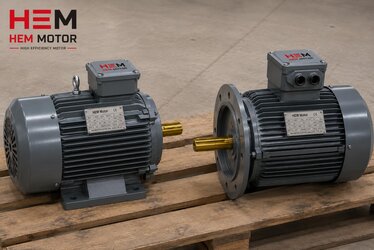
The choice between B14 and B5 depends on the machine's connection surface and how the motor will be mounted. The B14 small flange is suitable for more compact applications, and the B5 large flange for applications requiring a larger connection surface and higher load capacity. You can find connection type selection for machine manufacturers in detail in B5 flange or B14 flange connection type selection. For mounting options, you can review the electric motor mounting types page in our product range.
Micro-Power Motor with a Reducer: Low Speed and High Torque
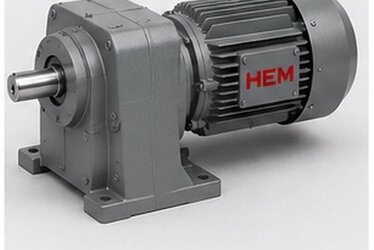
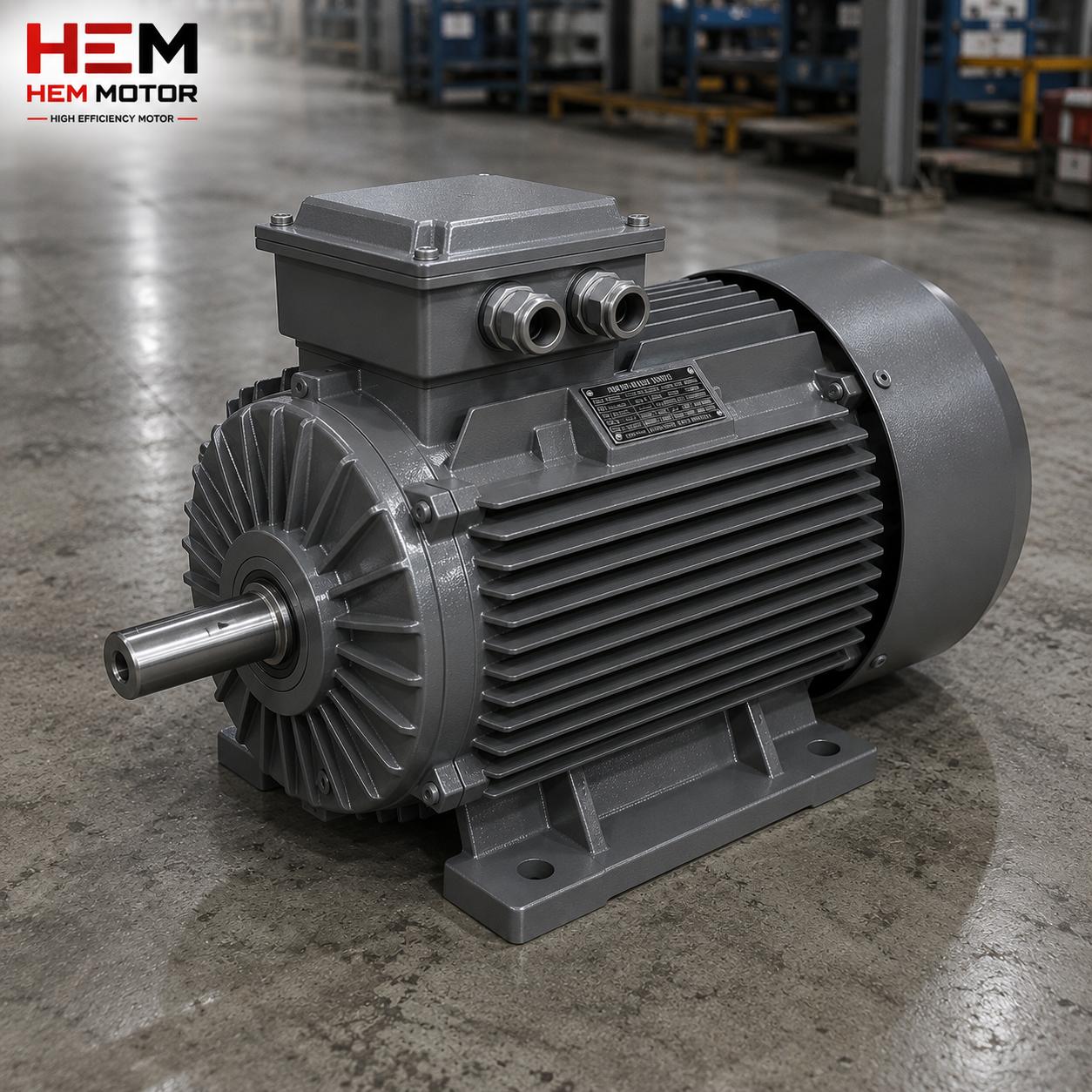
In most small machine applications, micro-power motors are not used alone but together with a reducer, because the majority of machines need not the motor's high speed of 1500 or 3000 rpm but a much lower output speed. Worm-gear reducers, with their small-housing models (for example HEM30, HEM40, HEM50), offer solutions suited exactly to this micro-power range; motors between 0.06 kW and 0.75 kW are commonly matched with these housings. The reducer increases output torque while reducing the motor speed; for example, with a 1400 rpm motor and a 1/30 reduction ratio, the output speed drops to about 46 rpm. This way a small motor can provide a torque at low speed that could not be obtained directly. Understanding how the reducer ratio is selected and how the output speed is calculated is the basis of building the right motor-reducer combination; you can find worm-gear reducer selection and housing logic in factors affecting worm-gear reducer prices and correct housing selection. For worm and bevel-helical reducer options, you can review the worm gear reducers and helical worm gear reducers categories in our product range.
Single-Phase or Three-Phase? Phase Selection at Micro Power
A common question in micro-power motors is whether the motor should be single-phase (220V) or three-phase (380V). In facilities with a three-phase grid, a three-phase motor is preferred; it provides more efficient, more balanced operation that requires less maintenance. However, in small workshops, domestic-type applications and places without a three-phase grid, a single-phase 220V motor is a practical alternative. Single-phase motors usually work with an auxiliary winding and a capacitor, and fall slightly behind their three-phase equivalent in terms of starting torque and efficiency.
Making the Phase Choice Correctly
When making the phase choice, both the existing grid and the application's starting torque need must be considered. You can find the details of single-phase and three-phase motor selection in single-phase or three-phase motor selection, and the correct purchase of a single-phase motor in single-phase asynchronous motor selection and price. You can review whether it is possible to run a three-phase motor on a single-phase grid when necessary in running a three-phase motor on a 220V single-phase grid.
Speed Selection: 1500, 3000 and 1000 rpm
In micro-power motors, speed is selected according to the application's need. 2-pole (3000 rpm) motors are preferred for high-speed applications and compact geared systems, 4-pole (1500 rpm) motors for general-purpose applications, and 6-pole (1000 rpm) motors for work requiring lower speed and higher torque. When combined with a reducer, the motor speed is reduced to the required output speed; therefore the motor speed and the reducer ratio must be considered together. You can find the relationship between speed, pole count and actual speed, and the effect of slip in asynchronous motors, in slip and actual speed in asynchronous motors. You can review correct pole and speed selection in asynchronous motor buying guide: 2, 4, 6 poles.
Stock, Price and Fast Quote
One of the biggest advantages of micro-power motors is that these powers are widely available from stock. 0.18 and 0.25 kW motors are commonly available in B14, B5 and B3 mounting types with different speed options, which means fast delivery for small machine manufacturers and OEM producers. You can find the factors affecting price and the correct purchasing approach in 9 factors affecting electric motor prices. You can review the information you need to provide before ordering for a fast, accurate quote in 8 pieces of information to provide when requesting an electric motor quote. You can use the IE3 electric motors and high-efficiency electric motors categories in our product range.
Frequently Asked Questions
Which flange type is most used in 0.18 and 0.25 kW motors?
In micro-power motors, especially in small machine and reducer applications, the most used connection type is the B14 small flange. B14 allows the motor to connect directly to the machine body or reducer through the threaded holes on the motor's front face. While B14 is preferred in compact applications, a B5 large flange or foot-mounted B3 can be chosen when a larger connection surface is needed.
Should I buy a 0.18 kW motor as single-phase or three-phase?
If you have a three-phase grid, choosing a three-phase motor provides more efficient and balanced operation. In small workshops and domestic-type applications without a three-phase grid, a single-phase 220V motor is a practical alternative. Single-phase motors run with a capacitor and fall slightly behind their three-phase equivalent in starting torque and efficiency; the application's starting need should also be considered when selecting.
Can micro-power motors be supplied quickly from stock?
Yes, because 0.18 and 0.25 kW motors are common power classes, they can usually be supplied from stock with different mounting types and speed options. This means fast delivery for small machine manufacturers and continuity in serial production for OEM producers. For an accurate and fast quote, it is important to provide the motor's kW, speed, mounting type and phase information in full.
Get a Quote
To quickly supply 0.18 and 0.25 kW micro-power motors with the right flange, speed and phase options for your small machine, automation, laboratory or OEM application, get in touch with us. Share the power, speed, mounting type and phase information you need, and we will prepare a fast quote based on stock availability. Call us on +90 (532) 345 49 86 or reach us via our contact page.