English
 Türkçe

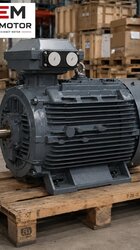
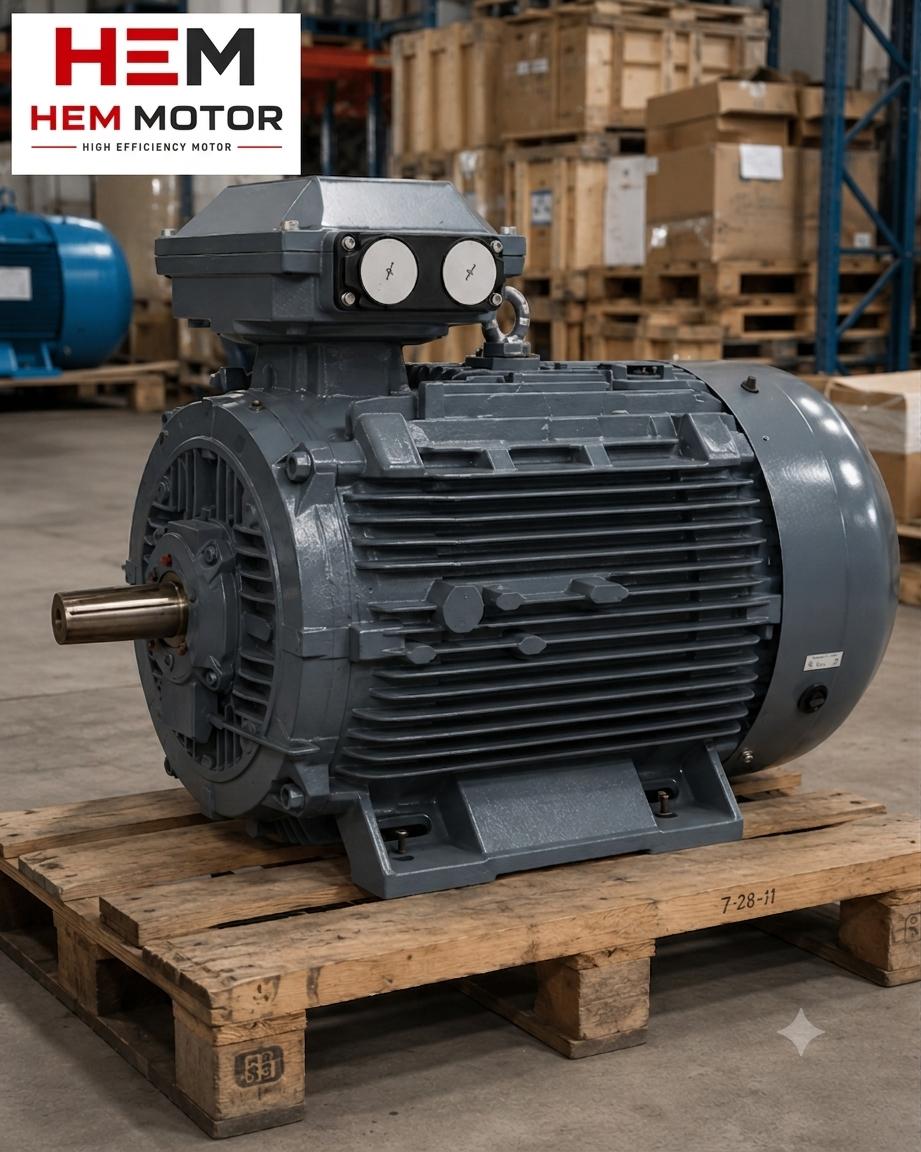

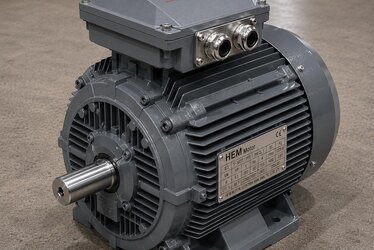
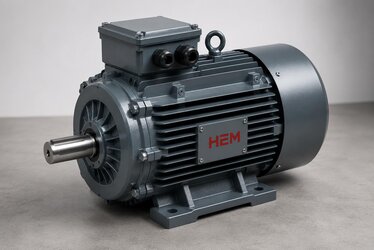
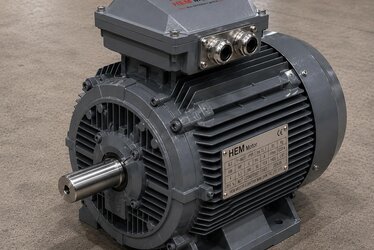
0.75 kW and 1.1 kW are the two most-sought and most frequently supplied IE3 motor powers in the small-power class. They appear across a wide field, from small pumps to geared drives, from conveyors to machine building. Because these powers are small, selection is assumed to be easy; yet the mounting type (B3/B5/B14), speed, frame size and stock availability determine a correct and fast purchase. This article is written for machine builders, maintenance managers and businesses buying wholesale/retail. Our aim is to help you define a 0.75 and 1.1 kW IE3 motor correctly along the stock-speed-mounting axis and obtain the right quote for pricing.
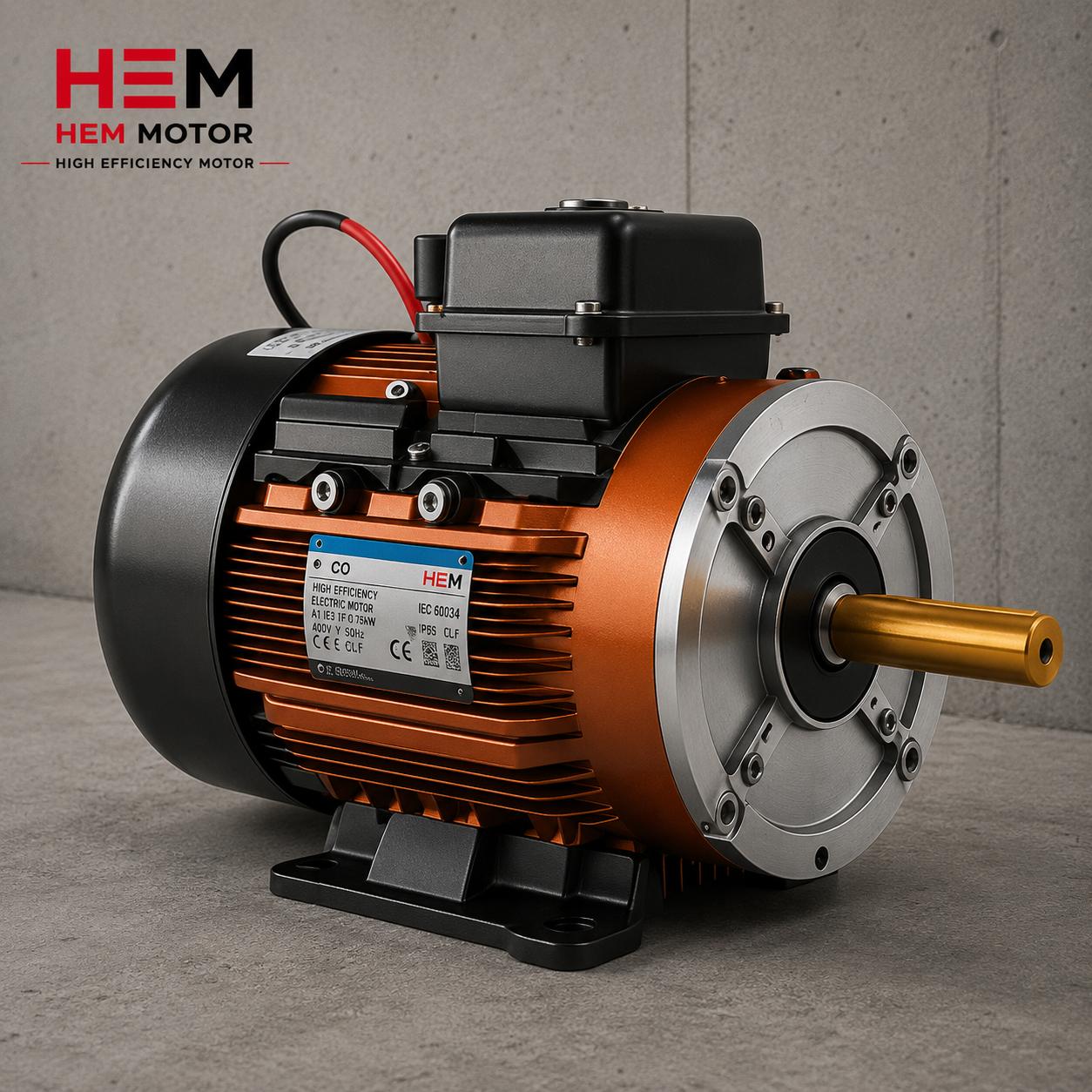
Why Are 0.75 and 1.1 kW the Most-Sought Powers?
These two powers form the backbone of small machines and drives. A booster, a small conveyor, a mixer or a drive coupled to a gear unit is often in this power range. Because they are common, they can be found from stock in almost every mounting type and speed; this means fast delivery. On the efficiency side, 0.75 kW DOL motors fall at the IE3 threshold by regulation; at smaller powers IE2 may apply. We addressed which efficiency class is required at which power in our article on IE3 efficiency class mandate: which class is needed at which power. You can find all small and medium power IE3 options in our IE3 electric motors category.
Mounting Type: B3, B5 and B14
At small powers, mounting-type selection raises more questions than the kW value. A B3 foot-mounted motor is preferred for belt-pulley and base mountings; a B5 large-flange motor for direct flange connection to pumps and gear units; and a B14 small-flange motor for compact machines and small gear unit connections. 0.75 and 1.1 kW motors are commonly stocked in all three mountings. Our article on B5 flange or B14 flange, which details the choice between B5 and B14 for machine builders, is a direct guide for determining the right flange. You can reach all mounting-type options on our electric motor mounting types page.
Speed Selection: 2, 4 and 6 Pole
0.75 and 1.1 kW motors are also supplied as 2 pole (~3000 rpm), 4 pole (~1500 rpm) and 6 pole (~1000 rpm). In small pumps and fans 2 pole, and in general drives and geared applications 4 pole, is the most common choice. We addressed the choice of pole count by application in our article on asynchronous motor pole selection: 2, 4, 6 pole, which for which job.
Geared Applications and the Single-Phase Alternative
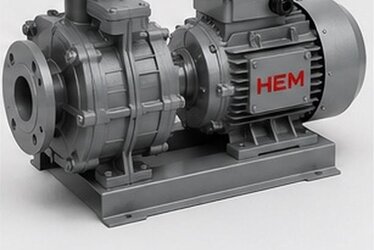
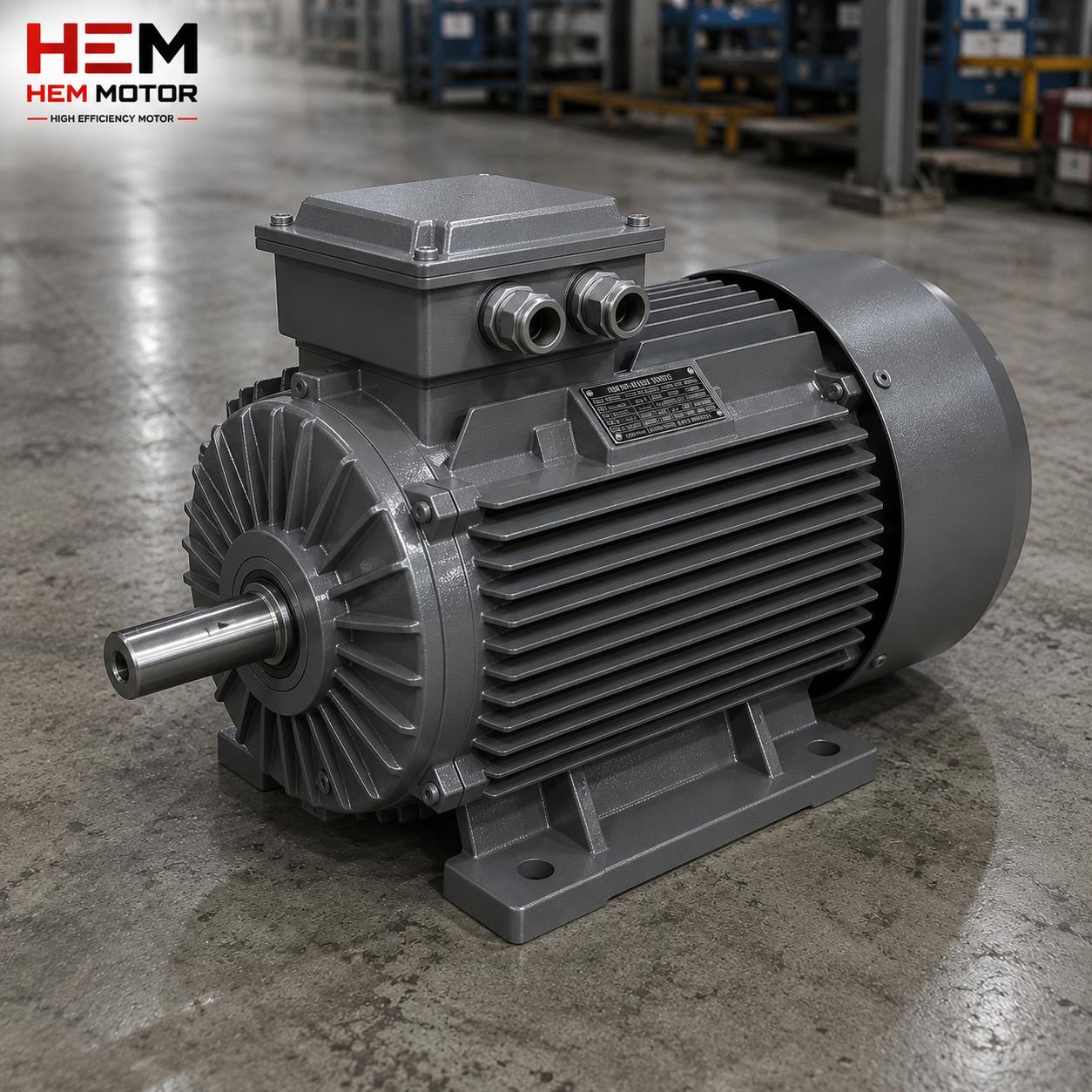
At small powers, 0.75 and 1.1 kW motors are often used coupled to a gear unit. These powers are compatible with worm gear unit frames (for example HEM63, HEM75) via IEC 71/80 flanges. We addressed which motor fits which gear unit with IEC frame and flange matching in our article on which electric motor fits a worm gear and NMRV reducer. For the gear unit product range you can review our worm gear reducers and helical worm gear reducers pages. We compared whether it makes more sense to buy a geared motor separately or as a monoblock in our article on geared motor vs separate motor + reducer.
Three-Phase or Single-Phase?
0.75 and 1.1 kW is the typical power range where the decision between single-phase (220V) and three-phase (380V) is made. In small workshops and applications without three-phase on the grid, the single-phase alternative comes up; however, in single-phase motors the starting torque and efficiency are lower than the three-phase equivalent. We addressed the choice between single-phase and three-phase in our article on single-phase or three-phase, and the selection and price side of the single-phase asynchronous motor in our article on single-phase asynchronous motor selection and price.
Stock and One-to-One Replacement
The biggest advantage of 0.75 and 1.1 kW motors is that they are almost always in stock and can be delivered fast. In replacement, mechanical compatibility is critical: the frame size, shaft diameter and mounting type must match the existing motor. For correct replacement from the nameplate, our articles on reading the IE3 motor nameplate and IE3 motor shaft diameter and frame table are guides.
Selecting 0.75 and 1.1 kW by Application
Because these small powers are used across a very wide range of applications, the way to choose the right motor is to clarify the application. In small boosters and pressurisation systems, 0.75 and 1.1 kW are frequently preferred; here usually 2 pole high speed is required. In small conveyor and mixer drives, 4 pole and geared solutions come to the fore. Packaging machines, dosing units and small fans are also typical users of this power range. Since each application requires a different speed and mounting, stating what you will drive at the quotation stage ensures the right motor arrives on the first attempt. Since the geared drive determines the output speed and torque at small powers, our article on monoblock geared motor purchasing is also a guide for these powers.
0.75 and 1.1 kW motors are often bought not as a separate power class but as part of a broader motor inventory. At a facility, these small powers can be stocked as a standard list together with medium powers; this provides both fast replacement and a cost advantage in bulk purchasing. Including these small powers in the critical spare motor list prevents the line from stopping due to the failure of a small drive. We addressed stock planning in our article on the critical spare motor list.
Body Material: Aluminium or Cast Iron?
At small powers, the choice of body material creates a more pronounced difference than at medium-to-large powers. 0.75 and 1.1 kW motors are commonly supplied with both aluminium and cast iron bodies. An aluminium body is light, easy to handle and preferred especially in compact applications coupled to a gear unit; aluminium-bodied motors are quite common in small-power gear units. A cast iron body, on the other hand, stands out in applications requiring mechanical endurance, vibration damping and harsh environments. Our article on cast iron or aluminium body, which addresses which body is right in which environment, offers a valid decision framework at these small powers too. In a dusty, humid or vibrating application cast iron, and in a clean and light mounting an aluminium body, may make more sense.
On the frame side, 0.75 and 1.1 kW motors generally correspond to IEC 80 and 90 frames; the speed (pole count) affects the frame size. In replacement, it is critical that the shaft diameter and foot/flange dimensions are the same as the existing motor. Our article on cast iron motor frame sizes (IEC 56-355), which examines the frame size, shaft diameter and weight table, helps with correct frame matching.
0.75 and 1.1 kW in Wholesale and Serial Purchasing
Despite being small, these two powers are among the highest-volume motors for machine builders and dealers. A conveyor line, a packaging machine or a series of geared drives often requires dozens of units of these powers. The way to lower the unit cost in wholesale purchasing is stock continuity, standardising the correct mounting type and delivery planning. Our article on 8 ways to reduce cost in electric motor wholesale purchasing is directly applicable to businesses buying in series. We examined motor supply continuity in serial production in our article on motor supply agreements for OEM machine manufacturers; this approach helps machine builders prevent line stoppages.
In single purchasing, the most frequent need is the fast replacement of a failed motor. Since common powers such as 0.75 and 1.1 kW are almost always in stock, same-day delivery may be possible with the correct nameplate data. To reduce the risk of the wrong motor in an emergency replacement, our article on avoid the wrong motor delivery: nameplate matching before ordering is a good checklist.
Price and Quote
For a 0.75 and 1.1 kW IE3 motor, the price varies according to speed, mounting type (B3/B5/B14), body material (aluminium/cast iron) and quantity/stock status. Since these small powers are also frequently chosen in wholesale purchasing, a unit-cost advantage forms as the quantity rises. Instead of a fixed list price, sharing the power, speed, mounting type and quantity gives the most accurate result. We can offer the most suitable price according to stock in one-off purchases as well as in recurring/wholesale purchasing.
Frequently Asked Questions
Should I choose B5 or B14 for a 0.75 and 1.1 kW motor?
It depends on the machine or gear unit you will connect to. Large-flange (B5) mounting is preferred for direct pump and gear unit connections; small-flange (B14) mounting for more compact machines and small gear unit connections. Checking the flange dimension and hole pattern in the existing system prevents the wrong flange from arriving. When in doubt, it is enough to share the mounting code of the existing motor.
I have no three-phase; can I buy these powers as single-phase?
Yes, 0.75 and 1.1 kW powers can also be supplied as single-phase (220V). However, in single-phase motors the starting torque and efficiency are lower than the three-phase equivalent; this should be considered in applications needing high starting torque. If you have three-phase on your grid, three-phase IE3 is more advantageous for performance and efficiency. If you share your need, we can present both options comparatively.
Can I buy these small powers coupled to a gear unit?
Yes, 0.75 and 1.1 kW motors are among the most used in small-power gear units and are compatible with worm gear unit frames via IEC 71/80 flanges. The suitable reduction ratio is chosen according to your output speed and torque need. Sharing your geared drive need (input power, desired output speed) lets us quote the motor + gear unit combination together.
Get a Quote
We supply 0.75 and 1.1 kW IE3 motors with B3/B5/B14 mounting and various speed options, from stock and with fast delivery. Share your single or wholesale need, mounting type and speed, and let us offer the most suitable price according to stock. Reach us now via our contact page or request a quote on +90 (532) 345 49 86.