English
 Türkçe




Salt processing and refining plants are among the industrial environments where corrosion is most decisive for an electric motor. Salt (sodium chloride), when exposed to moisture, creates an extremely corrosive environment; salty water, salt dust and humid air quickly degrade the body, winding and bearing of standard motors. The salt centrifuges, fluidized bed dryer fans and transport conveyors operating in these facilities fail in a short time when selected incorrectly and stop production. The right motor selection begins with matching the corrosion-resistant body and coating, high protection class (IP65/IP66), and appropriate speed and torque decisions to the salty environment. In this article we address the three critical motor groups of a salt processing and refining plant (high-speed salt centrifuge, fluidized bed dryer fan, transport conveyor) separately and explain how to select the right motor for each in terms of power (kW), speed, protection class, insulation and frame type. HEM Motor, an electric motor factory manufacturing since 1979, supplies corrosion-resistant motors for salt and salty-environment plants from Türkiye stock with fast delivery.
Why Does a Salty Environment Make Motor Selection Difficult?
Salt is one of the most aggressive chemical factors for an electric motor. Salt combined with moisture accelerates electrochemical corrosion on metal surfaces; the motor''s body, shaft, terminal box and even the winding insulation are damaged by this effect. Salt dust enters the motor''s cooling fins and interior, both blocking cooling and creating a conductive layer that poses an electrical risk. For this reason two issues come to the fore in salt plants: the protection class and corrosion protection. The protection class should be at least IP65; in areas with direct salty water contact or that are washed, IP66 should be preferred. We addressed in detail which IP protection class is required in which environment in our article on IP protection class selection in electric motors (IP55, IP65, IP66).
For corrosion protection, protecting the cast iron body with special painting and cataphoresis coating, and using a stainless shaft and special seals are important. We addressed protecting the cast iron body in salty environments in our article on cast iron motor in marine and coastal facilities: protection in a salty environment, and general protection against corrosion and open-field use in our article on corrosion protection and open-field use in cast iron body motors. We addressed corrosion-resistant supply in salty-water pumps in our article on seawater and saltwater pump motors, and salty-environment protection on the marine side in our article on marine and shipboard electric motors.
Salt Centrifuge (High-Speed) Motors
In the salt processing process, centrifuges are used to separate the salt crystals from the brine (salty water) solution. The centrifuge separates the water from the salt with its high-speed rotating basket; for this reason the centrifuge drive motors require high speed (generally 2-pole, 3000 rpm) and balanced, low-vibration operation. Since centrifuge motors run continuously at high speed, bearing quality and balancing are critical; even a small imbalance turns into large vibration at high speed. These motors are generally selected at 4-55 kW, with IP65 protection and F/H insulation. For high-speed and balanced operation, motors with 100% copper windings and quality bearings should be preferred. We see centrifuge-like high-speed separation applications in sugar, starch and yeast plants too; we addressed this subject in our article on sugar, starch and yeast factory electric motors: centrifuge, dryer and conveyor supply.
The centrifuge motor''s power depends on the centrifuge''s capacity and speed; also, since the centrifuge runs in frequent start-stop, the starting current and thermal endurance are important. In high-speed motors, the cooling fan design and the terminal box sealing gain extra importance in a salty environment. We explained power matching by flow and pressure in centrifuges and other pump-like equipment in our article on centrifugal pump motor selection: flow, head and power matching. To protect the centrifuge motor against corrosion, selecting the appropriate material and coating for the body, shaft and fasteners is essential; otherwise the salty moisture will rust the bearing seat within a few months.
Fluidized Bed Dryer and Fan Motors
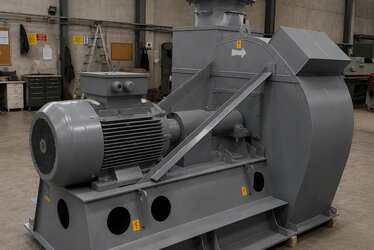
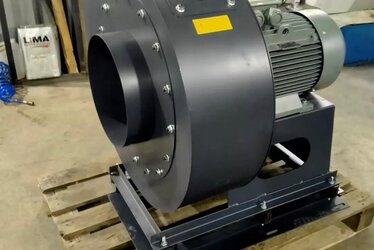
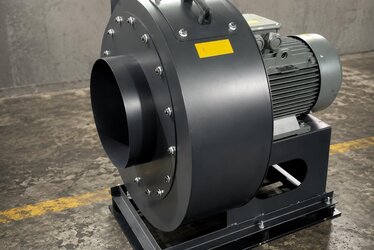
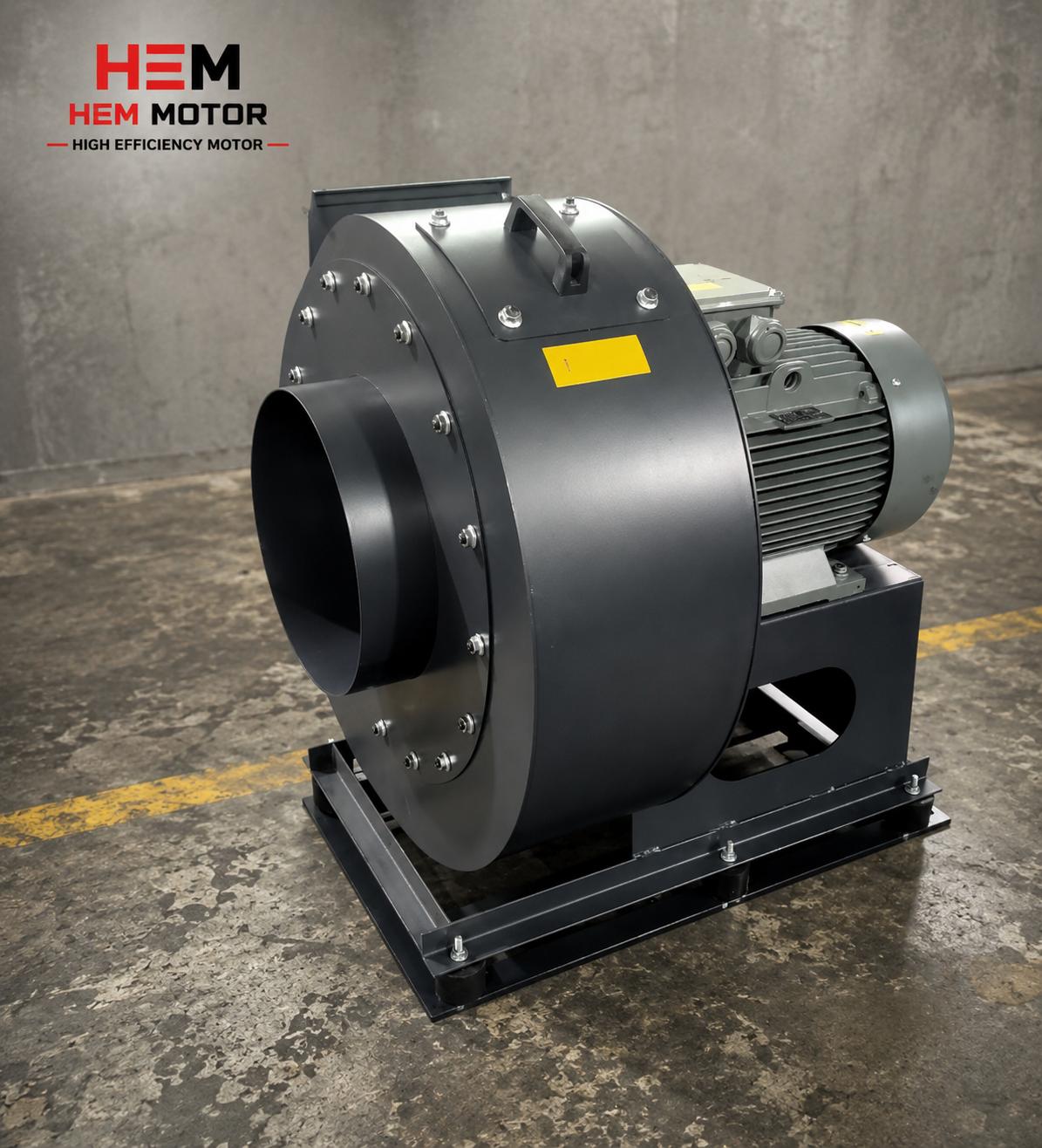
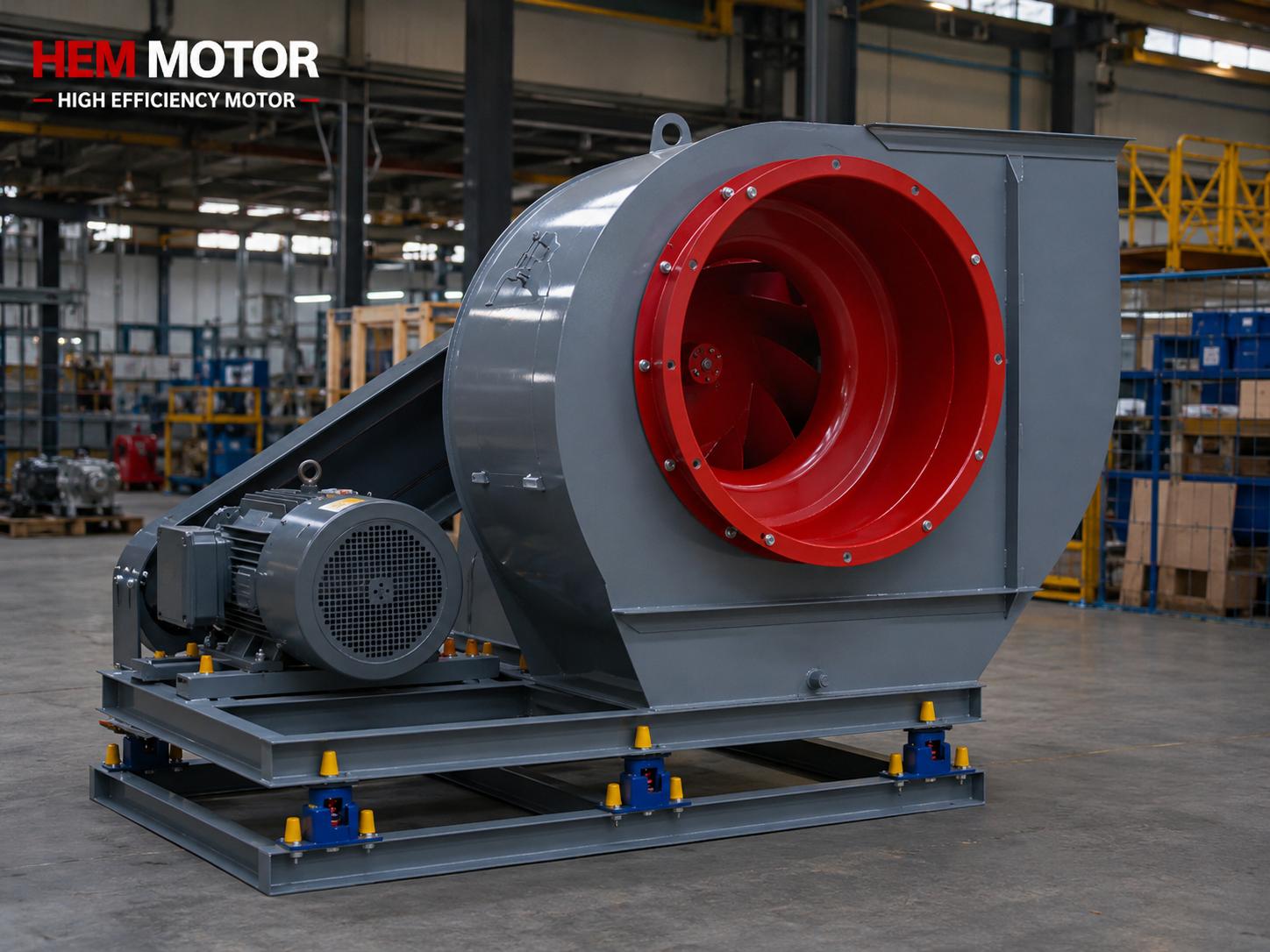
The wet salt coming out of the centrifuge is dried with hot air in fluidized bed dryers. In these dryers, the fan motors that blow the hot air that will keep the salt in suspension and dry it are critically important. These fans run at high flow, continuously and in a hot environment; for this reason H insulation, IP65 protection and a corrosion-resistant body are recommended. Dryer fan motors are generally selected in the medium-large power band (7.5-90 kW) at 1500 or 3000 rpm. We addressed power and supply by fan type in our article on centrifugal and axial fan motor selection. The exhaust fans that draw the salt dust after drying also work in a salty dust environment, requiring IP65 protection and corrosion measures; we addressed these fans in our article on aspirator and dust collection fan motor selection.
In dryer fan motors, given the hot and dusty environment, the insulation class is critical; while F-class (155 °C) is accepted as the minimum, H-class (180 °C) should be preferred in high-temperature zones. We addressed how the insulation class affects life in a hot and dusty environment in our article on hot and dusty environment motor insulation class and cast iron body. Since dryer fans run continuously, the efficiency class is also important: an IE3, and where possible an IE4 super premium motor provides significant energy savings in the long term. We compared the choice between a cast iron and aluminum body according to salty environmental conditions in our article on cast iron or aluminum frame motor selection.
Salt Transport Conveyor and Packaging Motors
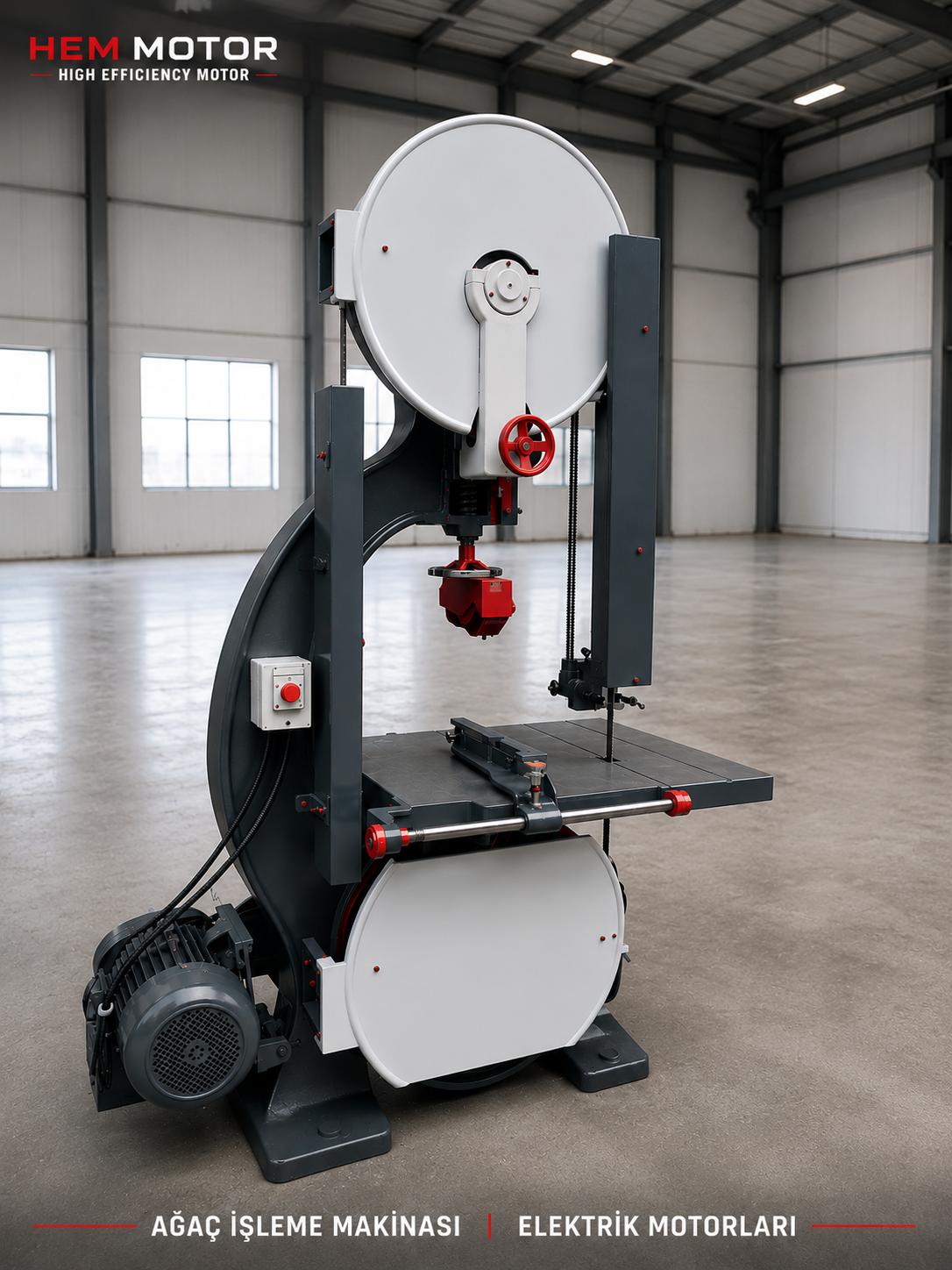
The salt processed and dried in the salt plant is carried to the packaging or storage line by belt and screw conveyors. Salt transport conveyor motors must be corrosion-resistant and IP65-protected, because they work in a salty dust environment. Conveyor drives are generally solved with a geared motor (worm gear or bevel helical reducer), because the conveyor belt moves at low speed with high torque. Conveyor motors are typically 0.55-11 kW, with the gear ratio selected according to the belt speed. We explained matching the IEC frame and flange to the reducer in our article on which electric motor fits a worm gear and NMRV reducer. We collected the steps to follow for emergency replacement and exact swap in conveyor belt drives in our article on conveyor belt motor emergency replacement and swap.
Various low-power drive motors are also used on the packaging and filling line; these are generally geared and IP65-protected. In a salty environment, the common requirement of all conveyor and packaging motors is a corrosion-resistant body and a high protection class. Due to the continuous operation of conveyor and transport motors, the duty type should be S1, and long life should be targeted with 100% copper windings. Since salt plants are generally built near the sea coast or around salt lakes, the salty moisture in the environment affects all motors; for this reason not only the motors in direct contact with salt but also the motors throughout the plant should be selected with corrosion protection. We collected the information to provide for a fast and accurate quote in our article on the 8 pieces of information to provide when requesting an electric motor quote.
Salt Processing and Refining Plant Motor Selection Checklist
- Protection class: Minimum IP65; prefer IP66 in areas with direct salty water contact or that are washed.
- Corrosion protection: Request a cast iron body + cataphoresis/special painting, stainless shaft and special seals.
- Centrifuge: High speed (2-pole, 3000 rpm), quality bearings and precise balancing are essential.
- Dryer fan: Choose H insulation, high flow and IP65 protection for the hot environment.
- Conveyor: Geared motor for low speed; corrosion-resistant, IP65-protected.
- Duty type: S1 duty type on all continuously running motors.
- Efficiency class: Choose IE3, and IE4 where possible, in continuously running centrifuges and fans.
- Spare plan: Keep critical centrifuge, dryer fan and conveyor motors in stock as spares.
Frequently Asked Questions
Is IP65 sufficient in a salt plant, or should I get IP66?
It depends on the position of the motor. In areas with salty dust and moisture but no direct salty water contact, IP65 (fully dust-tight + resistant to water jets from every direction) is generally sufficient. However, IP66 (resistant to powerful water jets) should be preferred in areas where the motor is exposed to direct salty water spray, overflow or pressurized washing. In both cases, in addition to the protection class, corrosion measures such as a cast iron body, cataphoresis coating and a stainless shaft are the real factors determining the motor''s life in a salty environment.
Why should a salt centrifuge motor be high-speed and balanced?
The centrifuge turns its basket at high speed to separate the salt from the brine; this is generally done with a 2-pole, 3000 rpm motor. In a motor running at high speed, even the smallest imbalance turns into large vibration and bearing wear. For this reason it is essential that the centrifuge motor is precisely balanced, with quality bearings and 100% copper windings. Also, since the centrifuge runs in frequent start-stop, it is important that the motor is resistant to starting current and thermal load. Given the salty environment, corrosion protection should not be neglected in this motor either.
Should all motors be corrosion-protected, or only those in contact with salt?
Salt plants are generally built near the sea coast or around salt lakes; this means the salty moisture in the air spreads throughout the entire facility. For this reason, not only the motors in direct contact with salt but all motors throughout the plant are at risk of corrosion. The best approach is to select all motors in the plant with at least IP65 protection and appropriate corrosion measures (cast iron body, special painting). Although this increases the initial investment somewhat, it provides savings in the long term by eliminating the cost of early failure and replacement in a salty environment.
Get a Quote
For your salt processing and refining plant we supply centrifuge, fluidized bed dryer fan and transport conveyor motors with corrosion-resistant protection and a high IP class, from Türkiye stock with fast delivery. By sharing the nameplate information of your existing motor (kW, speed, frame size, mounting type, shaft diameter) you can get a fast and accurate quote for an exactly equivalent motor. You can review our durable motor family for salty and corrosive environments on our efficient electric motors and IE4 electric motor pages. To get a quote now, contact us at +90 (532) 345 49 86 or through our contact page.