English
 Türkçe

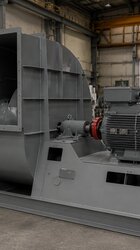
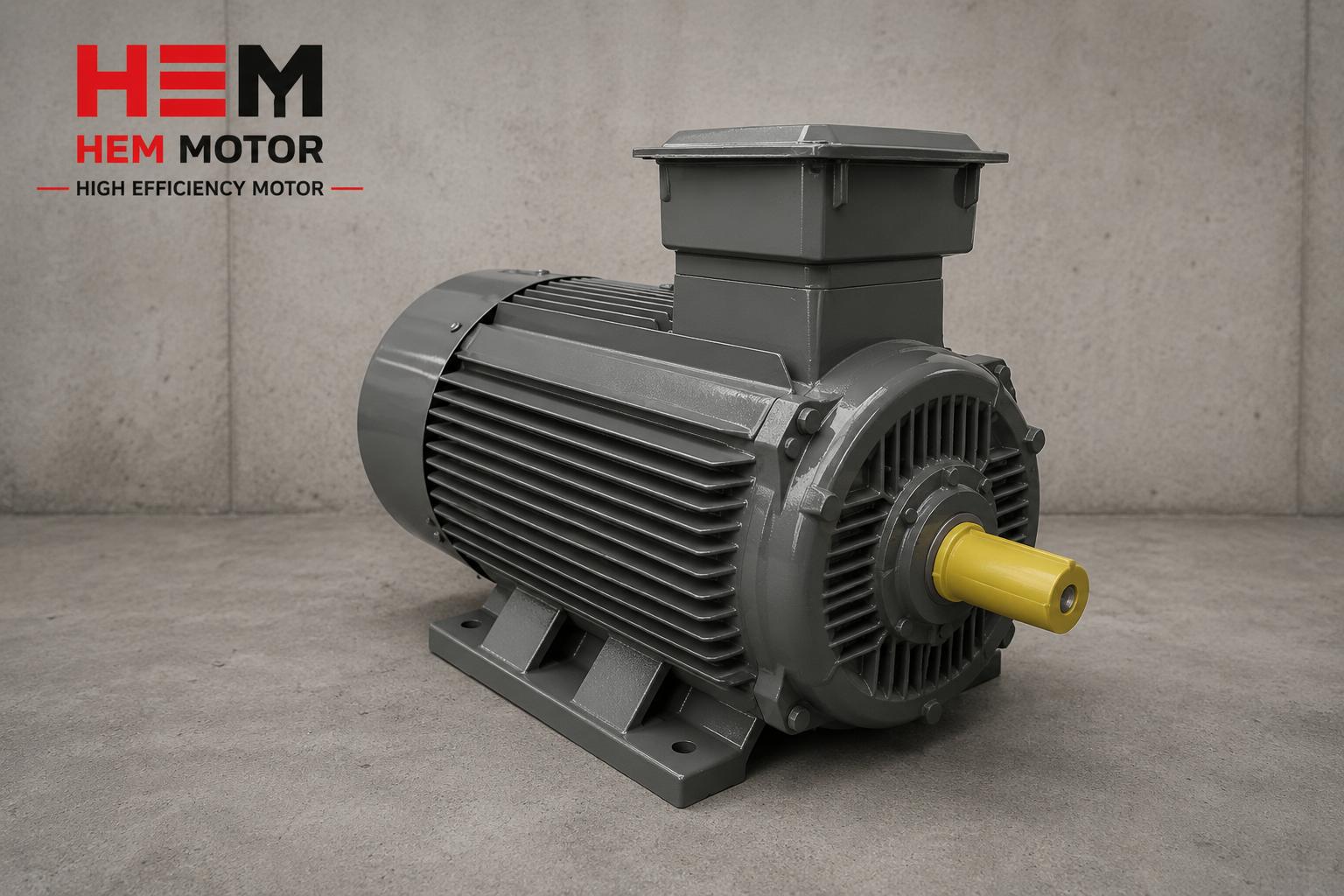

Ships and marine facilities present conditions for an electric motor found in no land-based factory: constant salty air, seawater spray, high humidity, vibration and limited maintenance access. From the deck pump to the bilge system, from the engine room ventilation fan to the cooling system, every motor must run uninterrupted in this harsh environment. In a salt environment, a wrongly selected motor corrodes quickly; winding insulation deteriorates from moisture, and a failure while the vessel is under way becomes a serious operational risk. Motor selection in marine applications therefore revolves around protection class, corrosion resistance and material quality. In this article we cover the critical groups of marine and shipboard motors (deck and bilge pump, ventilation fan, marine-type protection) and list practical criteria for correct supply in salty, humid environments.
The Structure of Motor Demand in Marine Applications
On a ship, motors drive pump systems (bilge, ballast, fire, deck wash, seawater cooling pump), ventilation and aspiration fans, crane and windlass drives, and various auxiliary machines. Some work on the open deck exposed directly to seawater spray, others in the high humidity and heat of the engine room. The common thread is that salt and moisture constantly threaten every motor. Frame material, cataphoresis or special paint protection, high protection class and sealing therefore stand out in selection. We examine the core principles of motor protection in salt environments in detail in our seawater and saltwater pump motors and cast iron motors in coastal and marine facilities articles.
Deck and Bilge Pump Motors
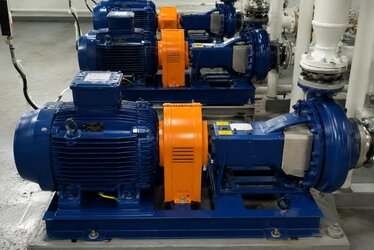
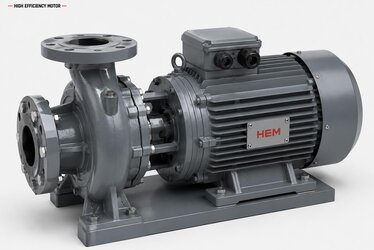
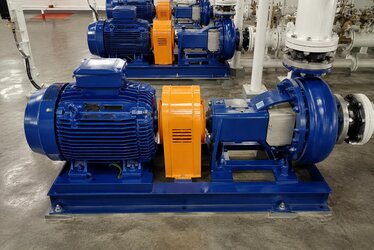
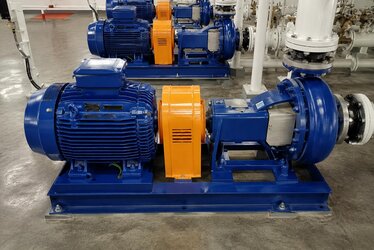
The bilge pump is the foundation of ship safety; it pumps out water collecting inside the hull, and its reliability is vital. Deck wash, ballast and seawater cooling pumps are likewise continuously or frequently running motors with high water contact. In these applications, a high protection class (IP56 and above) and corrosion resistance are essential. Pump motor speed and power are set by the pump's flow and head; for correct matching, our centrifugal pump motor selection article explains the flow-head-power relationship. If replacing an existing pump motor, the approach in motor selection from the nameplate can be adapted to choose the right equivalent. To keep efficiency high on continuously running seawater pumps, high-efficiency electric motors are preferred.
Ventilation and Aspiration Fan Motors
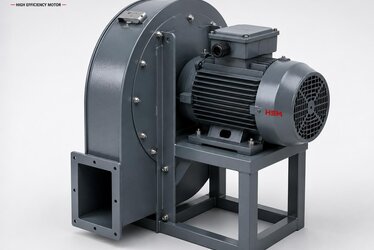
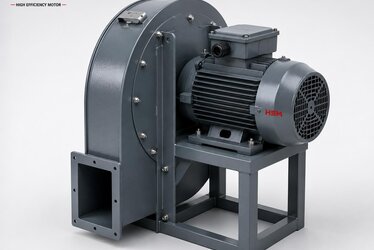
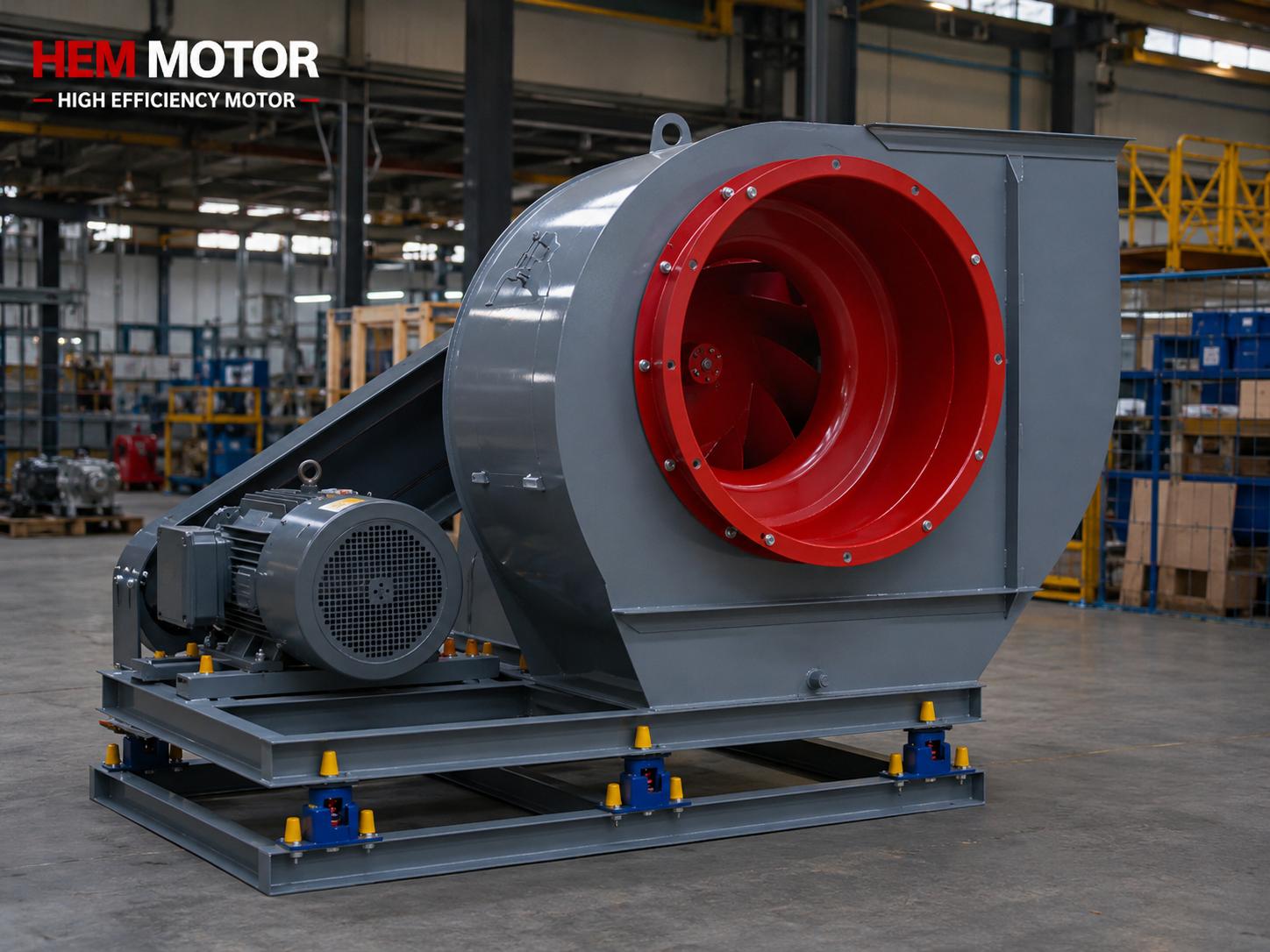
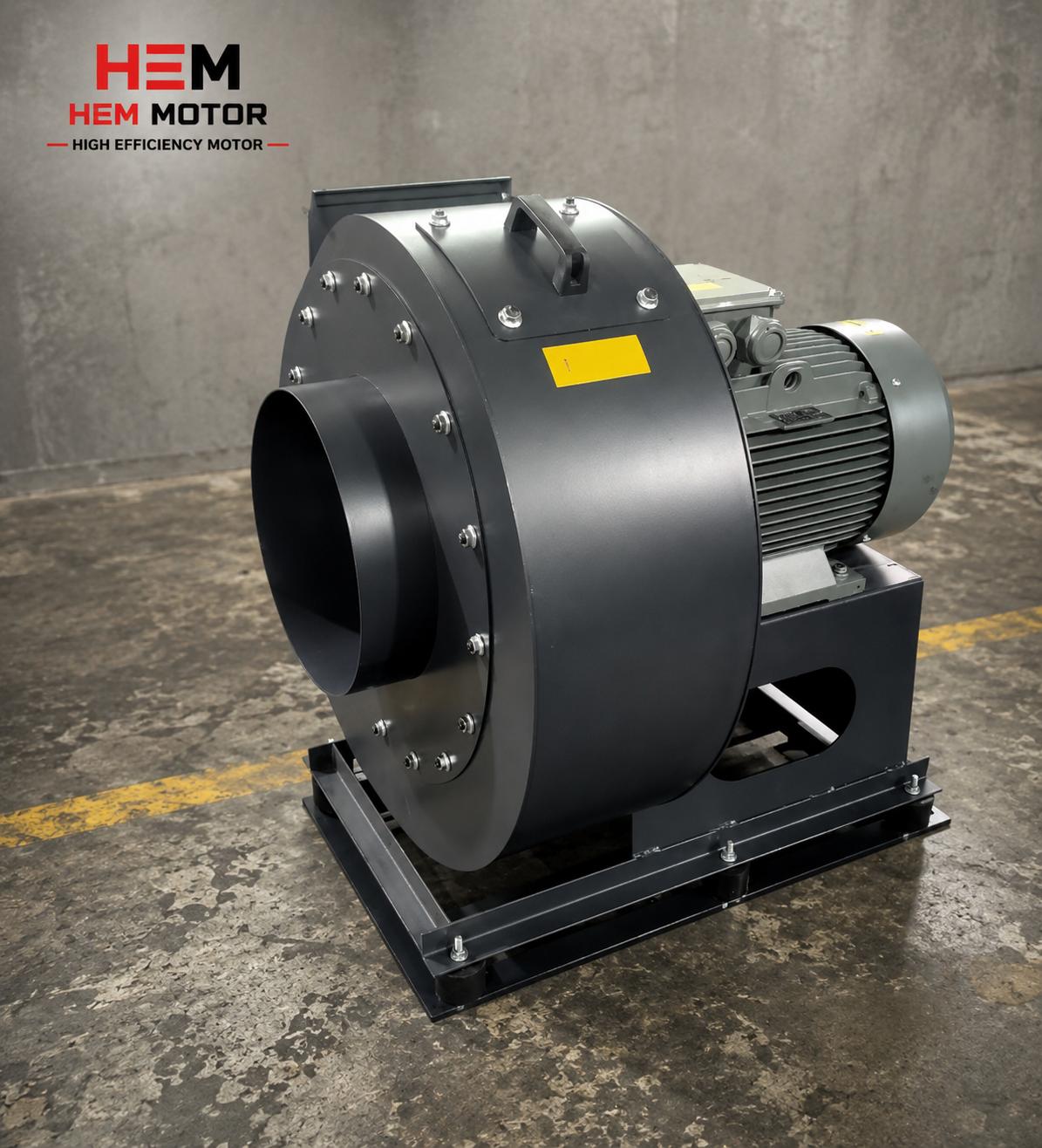
The engine room, cargo holds and accommodation require constant ventilation, provided by powerful fan motors. Engine room fans run under high heat and humidity, while deck fans run in direct salty air. These fan motors need continuous duty (S1), a high protection class and corrosion resistance. For power selection by fan type (centrifugal or axial), our centrifugal and axial fan motor selection article is a guide. You can find practical criteria for fan motor protection in outdoor and humid conditions in our cooling tower and chiller fan motors article; the same outdoor IP logic applies at sea.
Marine-Type Protection: IP56, Corrosion and Material Selection
The heart of motor selection in marine applications is protection and corrosion resistance. Salty air and seawater spray rapidly degrade a standard motor's frame and winding. Marine-type motors therefore favour a high protection class (usually IP56 and above), cataphoresis or multi-layer special paint, stainless fasteners and sealing measures. Our IP protection class selection article explains what the protection class means and how to choose it. We cover how frame corrosion protection is done in open-field, salty environments in our corrosion protection in cast iron motors content. We detail the role of paint and cataphoresis coating against corrosion in our paint and cataphoresis coating in cast iron motors article.
Moisture, Insulation and Sealing
High humidity is the most important factor stressing a motor's winding insulation; when moisture penetrates the winding, insulation resistance drops and failure risk rises. Marine motors therefore need measures against moisture condensation (such as a heater resistor) and solid sealing. You can review oil seal and sealing solutions in our oil seal and sealing in cast iron motors article. To prevent moisture-related deterioration in a motor idle for a long time, measuring insulation resistance before commissioning is good practice; our insulation resistance and megger test article explains this check. Sealing of the terminal box and correct cable connection are also critical in humid environments; you can find the details in our terminal box and cable connection article.
Supply and Certification
In marine applications, motors should be selected to meet classification society requirements and supplied with the necessary certificates; the application type, environmental conditions and required protection class should therefore be clearly stated at the quote stage. Providing accurate information speeds up the quote process; our information to provide when requesting a quote article lists what to prepare. Since obtaining motors while under way is difficult, keeping spares for critical pump and fan motors is wise; we detail this logic in our critical spare motor list article. If replacing an existing motor one-to-one, the steps in nameplate matching to avoid the wrong motor eliminate the risk of receiving the wrong product.
Power, Speed and Duty Type: The Right Choice in Marine Applications
The power and speed of marine motors vary by the machine they drive. Bilge, ballast and seawater cooling pumps usually run at high speed (2-pole), while ventilation fans use 4-pole motors for balanced airflow, and deck windlass and crane drives run at low speed with high torque. The right pole count is decisive for both efficiency and noise; we compared the differences between 2-, 4-, 6- and 8-pole motors in our asynchronous motor pole selection article. Some shipboard applications run continuously (S1), while drives such as windlasses and cranes run on an intermittent duty type; correct duty type selection affects the motor's heating behaviour. We detail the difference between continuous and intermittent operation in our duty type (S1-S6) selection article. To calculate pump power from flow and head, our motor power calculation article is a step-by-step guide.
Ship Network, Voltage and Starting
A ship's electrical network can differ from shore; voltage and frequency values vary by application, and the motor must be selected to match them. On high-power pump and fan motors, starting methods such as star-delta or soft starter are used to limit inrush current; you can find a comparison of these methods in our star-delta and soft starter article. We cover the effect of voltage tolerance and grid fluctuation on the motor in our voltage tolerance and grid fluctuation content. A frequency drive is used in some pump and fan applications needing fine speed control; our frequency drive (VFD) with asynchronous motor article explains when a drive is needed.
Maintenance, Reliability and Spare Planning
Since motor supply and service access are limited while a ship is under way, reliability and preventive maintenance are far more critical in marine applications than in land-based plants. Corrosion and moisture in a salt environment are the main factors shortening motor life, so periodic inspection and correct lubrication are essential. You can find the maintenance schedule in our electric motor maintenance and periodic check schedule article. We cover the effect of bearing greasing and lubrication on maintenance cost in our bearing greasing and lubrication content. Keeping spares for critical pump and fan motors is the most effective safeguard against failures that may occur under way. We detail the causes of early failure and understanding quality at purchase in our electric motor lifespan and early failure causes article. When the right protection class, material quality and regular maintenance come together, marine motors run reliably for a long time in salty, humid environments.
A Purchasing Checklist for Selecting the Right Motor
Supplying the right motor in a marine or shipboard application is critical for navigation safety and operational continuity, so a few basic pieces of information should be clarified before purchase. First, define the application type: is it a bilge pump, deck wash pump, ventilation fan or windlass drive? Each application requires a different power, speed and duty type. Then assess the motor's location on the vessel and the water-salt load it will face; deck applications need a high protection class (IP56 and above) and strong corrosion protection, while the engine room needs at least IP55 and humidity resistance. Third, clarify the voltage and frequency values; since the ship network can differ from shore, the motor must be selected to match them. Also determine the starting method on high-power motors. Fourth, review the material and surface protection: cataphoresis or multi-layer paint, stainless fasteners and solid sealing directly affect life in a salt environment. Finally, since supply under way is difficult, plan spares for critical pump and fan motors. If replacing an existing motor, matching the nameplate one-to-one eliminates the risk of the wrong product. By following this checklist, you both select the right motor and speed up the quote process.
Frequently Asked Questions
Which IP protection class is needed for marine motors?
For deck applications exposed directly to seawater spray and salty air, a high protection class (usually IP56 and above) is preferred. Engine room applications also need at least IP55 and suitable corrosion protection due to humidity and heat. The right class is set by the motor's location on the vessel and the water-salt load it faces.
How do I protect a motor from corrosion in a salt environment?
The most effective measures against corrosion in a salt environment are a high protection class, cataphoresis or multi-layer special paint coating, stainless fasteners and good sealing. A heater resistor against moisture condensation and regular inspection also extend motor life. Frame material and surface protection should be chosen together based on the application's salt load.
What should I watch for in a bilge pump motor?
Since the bilge pump is critical for ship safety, the motor's reliability, high protection class and corrosion resistance come first. Power and speed should be chosen for the pump's flow and head; the motor must withstand high humidity and possible water contact. As a critical system, keeping a spare motor also improves safety.
Get a Quote
If you want to supply deck pump, bilge, ventilation fan and other motors for your marine or shipboard application with the right protection class, corrosion resistance and power-speed match, our team is here to help. Share your requirement list and environmental conditions, and we will prepare a fast, accurate quote. Call us at +90 (532) 345 49 86 or reach us through our contact page.