English
 Türkçe

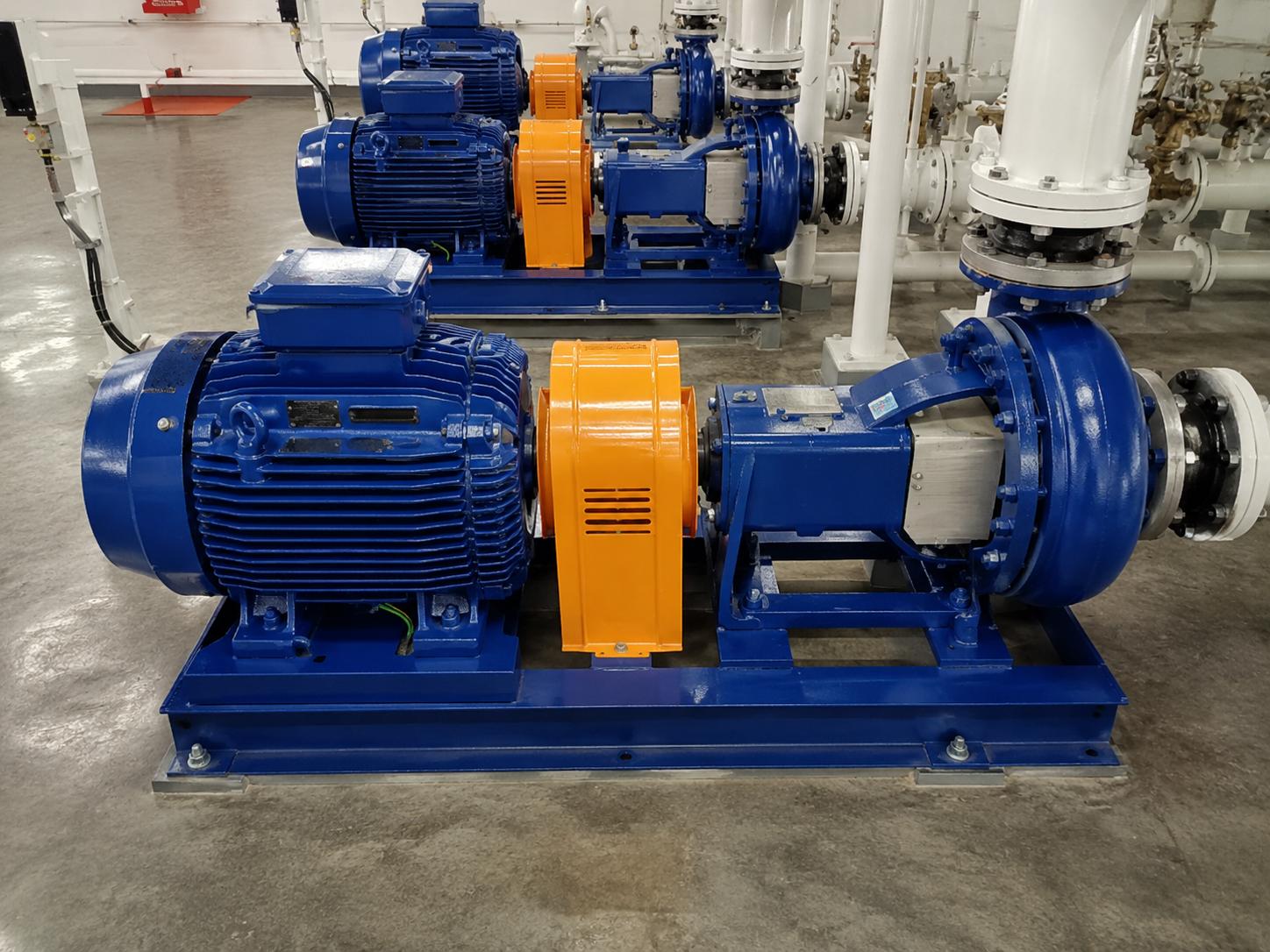

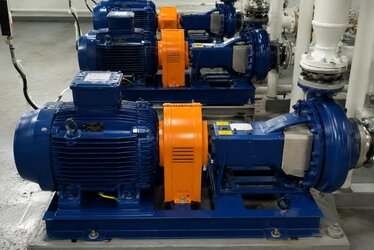
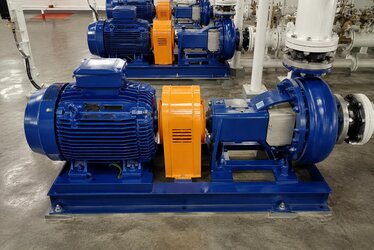
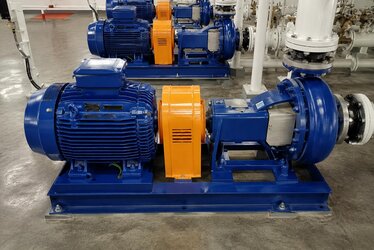
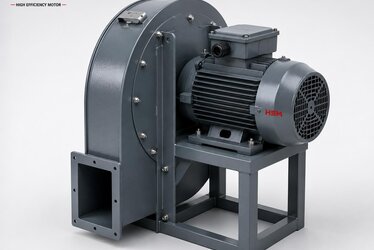
At the heart of every pool circulation system is the pump set that keeps water moving and the filter bed clean. The real driving force behind that pump is the electric motor mounted to it. In sand-filter systems in particular, the periodic backwash operation creates the single most critical and most often overlooked load scenario in motor selection. In normal filtration mode the pump circulates water at a given flow rate, but when the multiport valve is switched to backwash, the pump runs at a much higher flow rate against a different hydraulic resistance. A motor that has not been correctly sized for this condition becomes overloaded, overheats and fails far earlier than expected.
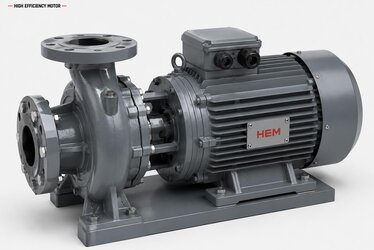
As HEM Motor, with our identity as both a manufacturer and a supplier, we treat the selection of the motor that drives a pool or water-treatment pump not as a single kW figure, but as an integrated engineering decision combining flow rate, corrosion resistance, protection class, mounting type and efficiency class. In this guide we cover every technical axis you need to choose the right backwash pump motor, together with what to watch for during the purchasing process.
In continuously operating facilities such as swimming-pool businesses, hotels, holiday resorts, sports centres and municipal pools, a motor stoppage means a direct deterioration in water quality and downtime for the operation. That is why it is so important to procure the right motor the first time, from stock and with the correct specifications.
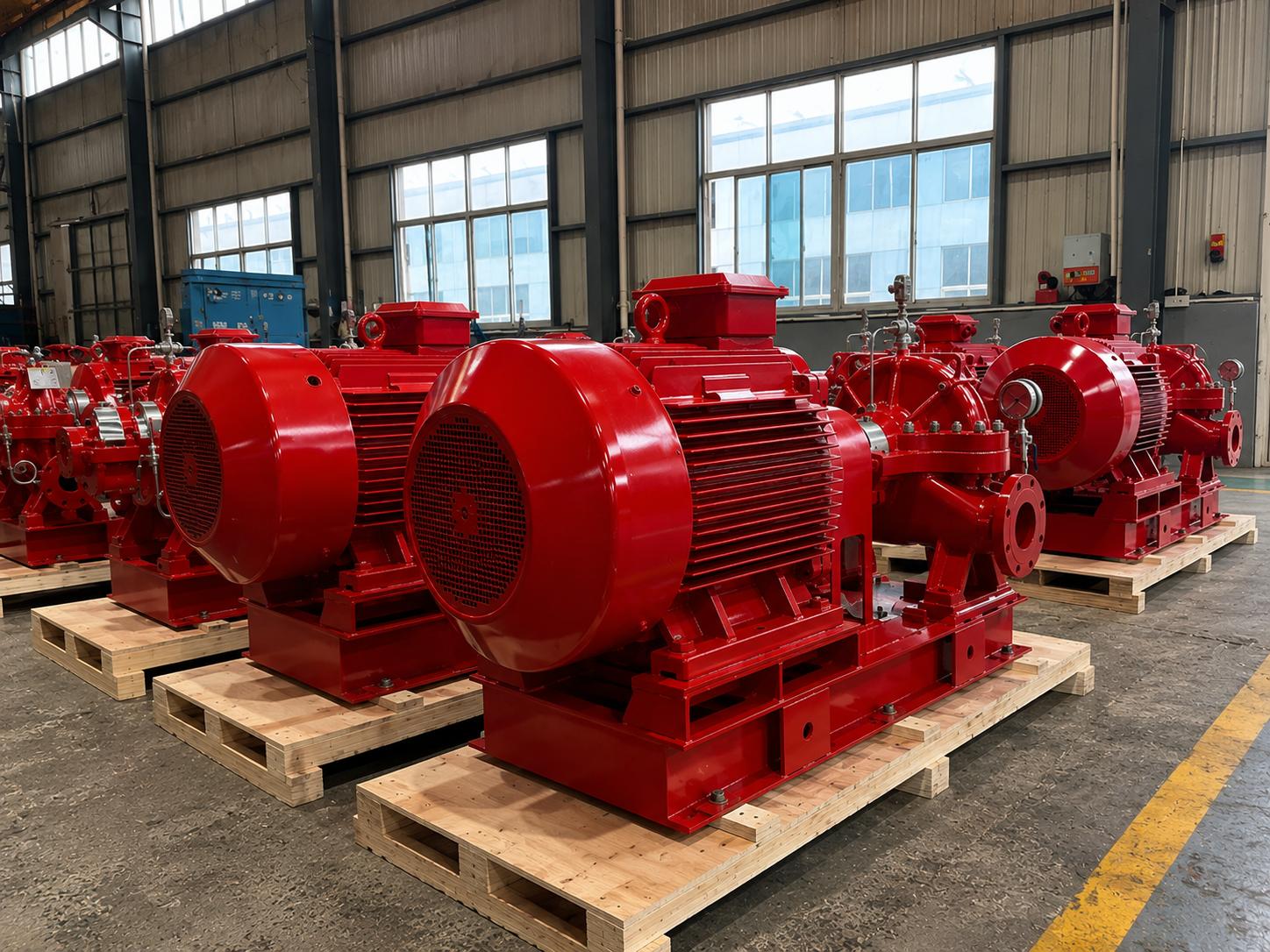
Why Does the Backwash Operation Stress the Motor?
In a sand-filter pool system, water in normal filtration mode passes from the top of the sand bed downward, and the trapped dirt accumulates between the sand grains. Over time this build-up increases filter resistance, reduces flow and raises pressure. During backwash the multiport valve position is changed and water is forced through the sand bed in the reverse direction, from bottom to top, so that the accumulated dirt is flushed to the drain.
This change of position makes a significant difference for the motor. In backwash the hydraulic system presents a different resistance curve; the pump usually runs at a lower head but at a much higher flow rate. In centrifugal pumps, as flow increases the power drawn by the pump also increases. So a motor that runs comfortably in filtration mode can exceed its rated power in backwash, as the operating point shifts to the right along the curve.
If the motor was selected only for the normal filtration load and not for this high-flow operating point, it experiences overload during every backwash, even if briefly. This raises the winding temperature, shortens insulation life and causes the thermal protection to trip frequently, stopping the facility.
Determining the Correct Operating Point
The basis of motor selection is identifying the operating point at which the pump draws the highest power. When designing, not only the filtration flow but also the minimum bed-fluidisation flow required for backwash must be considered. A certain surface velocity is needed for the sand bed to expand properly and flush the dirt, which pushes the backwash flow above the filtration flow. The motor power must be selected for this most demanding operating point, with a power margin added on top.
Correct Power (kW) Selection: Sizing for High Flow
For pump motors, power selection is proportional to the product of flow and head and depends on pump efficiency. The approach to follow for pool backwash applications is:
- Base it on the most demanding operating point: Not filtration, but the high-flow backwash operating point determines the motor power.
- Leave a power margin (service factor): Add a safety margin on top of the calculated power for water-temperature variations, filter fouling and valve-position differences.
- Speed selection: 3000 rpm (2-pole) motors for high pressure and compact pumps; 1500 rpm (4-pole) motors for more balanced and quieter operation.
- Efficiency class: In continuously running pool systems, IE3 or IE4 efficiency-class motors are far more economical over the long term, reducing energy cost.
The HEM Motor product range for pump applications spans a wide power band from 0.55 kW up to 355 kW. This makes it possible to supply a motor at the right power for every flow rate, from a small villa pool to a large olympic facility. You can examine the detailed axis of pump power calculation in our guide on matching flow and head in centrifugal pump motors.
Avoid Over-Sizing
Selecting a motor far larger than needed to cover the high-flow scenario is also a mistake. An oversized motor runs at a low load ratio in normal filtration mode, which both lowers the power factor and reduces efficiency. The correct approach is to choose a motor that covers the backwash load with a reasonable safety margin while still staying in the efficient load region during normal operation.
Corrosion Resistance: A Humid and Chlorinated Environment
Pool plant rooms are, by their nature, aggressive environments with high humidity, water splash and chlorine vapour. These conditions stress the motor body, bearings and winding insulation. Corrosion resistance is the second critical axis in pool pump motor selection, right after power.
- Body material: A cast iron body is preferred for high mechanical strength and long life. When properly painted, cast iron offers more stable performance than aluminium in humid environments.
- Protective paint: In chlorinated and humid environments, coating the body with an additional anti-corrosion paint markedly extends motor life.
- Bearings and seals: Quality sealing and long-life bearings are essential against water ingress and moisture.
- Winding insulation: Class F insulation is preferred as standard for high temperature resistance.
In our content covering open-field and humid-environment corrosion in more depth, you can see in detail how body protection and paint options affect motor life. For pool applications, we recommend evaluating body and protection options suited to humid, chlorinated environments as standard.
Protection Class (IP) Selection
The motor's level of protection against dust and water is defined by its IP protection class. For pool plant rooms, at least IP55 is standard; this class provides protection against dust ingress and water jets from all directions. Higher IP classes may be requested where water splash and washdown are intense.
We explained step by step what the IP protection class means and which class is required in which environment in our guide on selecting the IP protection class for electric motors. In permanently humid environments such as pools, choosing too low an IP class is one of the most common mistakes, allowing moisture to enter the motor and degrade the insulation.
Mounting Type: B5, B3 and B35 Selection
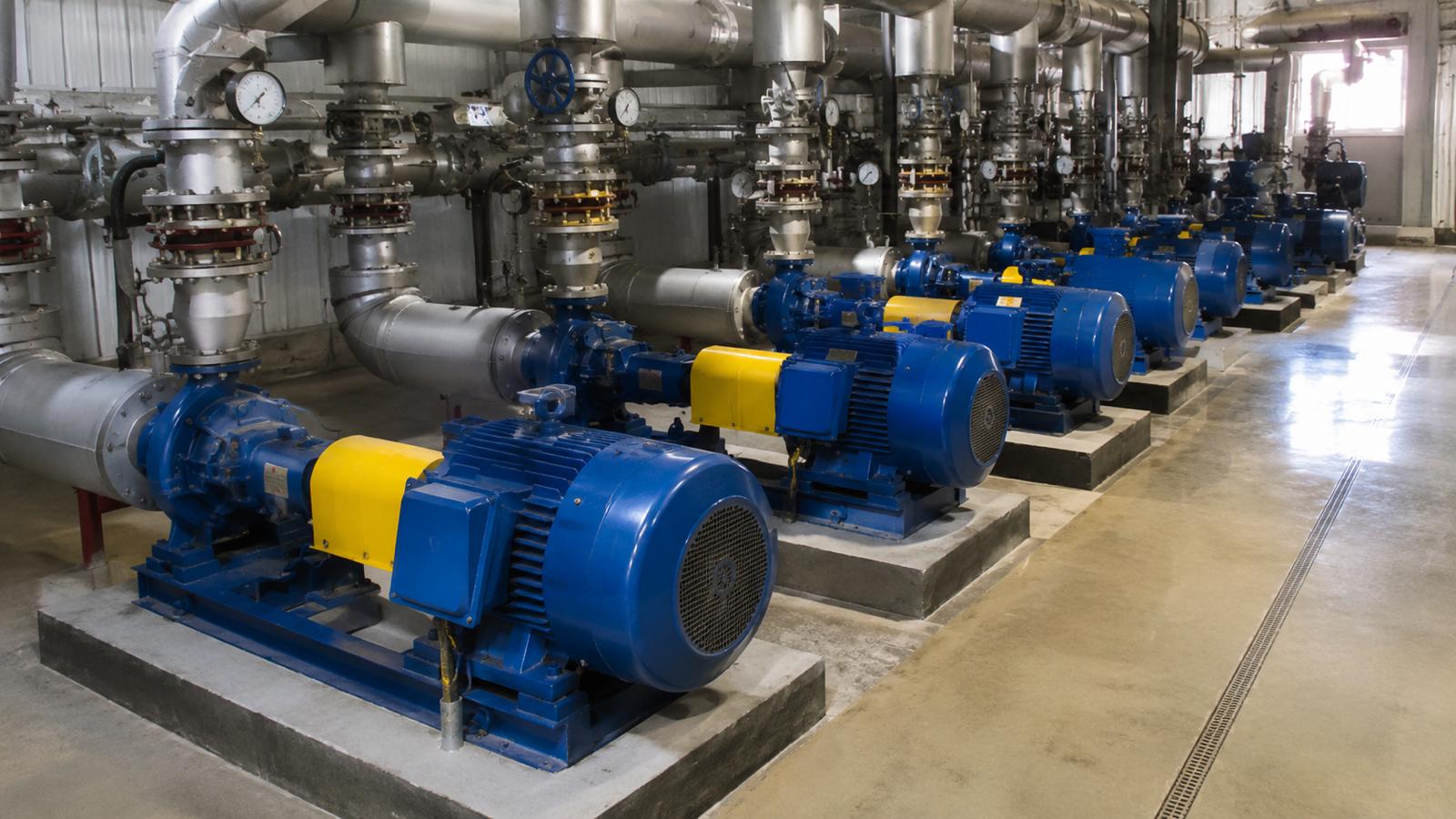
In pool pumps, the way the motor connects to the pump determines the mounting type. Choosing the correct mounting type matters for both mechanical fit and ease of service:
- B5 (large flange): Preferred for close-coupled monobloc pumps connected directly to the pump body by flange. Provides compact and precise axial alignment.
- B3 (foot-mounted): Suitable for coupled pump systems where the motor is fixed by its feet on a base.
- B35 (foot + flange): Used in applications requiring both foot and flange connection and additional mechanical support.
Matching the flange and shaft dimensions required by the pump manufacturer exactly must always be confirmed before ordering. A motor that arrives with the wrong mounting type cannot be installed in the field and prolongs the process. As HEM Motor, our range of pump electric motors for pool and water systems offers B3, B5 and B35 mounting options across a wide power band.
Continuous Operation (S1 Duty) and Cooling
Pool systems mostly run for the greater part of the day, often without interruption. For this reason the pump motor must be selected for S1 continuous duty. The S1 duty type means the motor can run indefinitely at rated load while keeping its temperature in balance.
In addition, during short high-load periods such as backwash, the motor's cooling must be adequate. For the fan cooling structure and body fins to dissipate heat to the surroundings properly, sufficient air circulation around the motor must be ensured. In enclosed, cramped and unventilated plant rooms, the motor may exceed its rated temperature values.
Efficiency Class and Energy Cost
The annual running time of a continuously operating pool pump reaches thousands of hours. In a motor running this long, even a small difference in efficiency translates into a meaningful energy cost by year-end. Therefore choosing an IE3 or preferably IE4 super premium efficiency-class motor for a backwash pump significantly lowers the operating cost after purchase.
From a regulatory standpoint, a high efficiency class is already mandatory in certain power and pole ranges. For three-phase motors operating directly from the mains, IE3 is required above certain power thresholds and IE4 at higher powers. So when buying a new pool pump motor, we recommend evaluating high-efficiency motors that are both compliant and economical in the long term. You can review our range for current electric motor prices and stock availability.
Stock Supply and Spare Motor Strategy
For pool operators, a pump motor failure means the facility stops in the middle of the season. Fast supply from stock in common power and mounting types is therefore very important. Especially before the high season, recording the data on the existing pump's motor nameplate and being able to procure an equivalent motor quickly when needed prevents unplanned downtime.
- The existing motor's power (kW), speed, mounting type and shaft diameter should be recorded.
- Keeping a spare motor in common power ranges prevents in-season downtime.
- Pump-specific flange, shaft and key dimensions should be confirmed before ordering.
To understand motor selection logic in underground and high-pressure water applications, our guide on flow, pressure and speed calculation in deep well pump motor selection is a complementary resource.
A Practical Approach to the Right Selection
Success in selecting a pool and sand-filter backwash pump motor comes from looking at the whole set of parameters, not a single one. When the power to cover the high-flow backwash load, corrosion resistance suited to a chlorinated humid environment, the correct IP protection class, a mounting type compatible with the pump and a duty type suited to continuous operation are all considered together, you obtain a solution that is both reliable and long-lived. As HEM Motor, with our identity as manufacturer and supplier, we are here to help you procure the most suitable motor for your application with the correct specifications and from stock.
Frequently Asked Questions
Should I select the pool pump motor for the filtration flow or the backwash flow?
The motor power should be selected for the operating point at which the pump draws the highest power. In sand-filter systems this is usually the backwash position, because the pump runs at a much higher flow there, and in centrifugal pumps the power drawn rises as flow increases. A motor selected only for the filtration load is overloaded during every backwash. The correct approach is to choose a motor that covers the backwash load with a reasonable safety margin.
Which protection class and body type are suitable for a pool plant room?
Pool plant rooms contain high humidity and chlorine vapour. For this reason at least IP55 is recommended as standard, and higher classes may be requested where water splash is intense. As a body, a cast iron body with additional anti-corrosion paint is preferred for long life in humid environments. Class F winding insulation is also important for high temperature resistance.
Why should I select a high-efficiency motor for a continuously running pool pump?
Because pool pumps run thousands of hours per year, even a small efficiency difference turns into a significant energy cost over time. An IE3 or IE4 super premium efficiency-class motor lowers the operating cost after purchase and pays for itself quickly. In addition, a high efficiency class is already mandatory by regulation in certain power and pole ranges. So evaluating a high-efficiency motor at the time of purchase is both an economical and a compliant choice.