English
 Türkçe

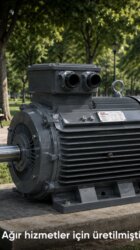
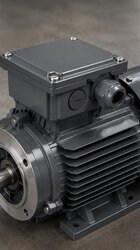
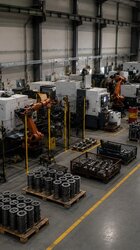
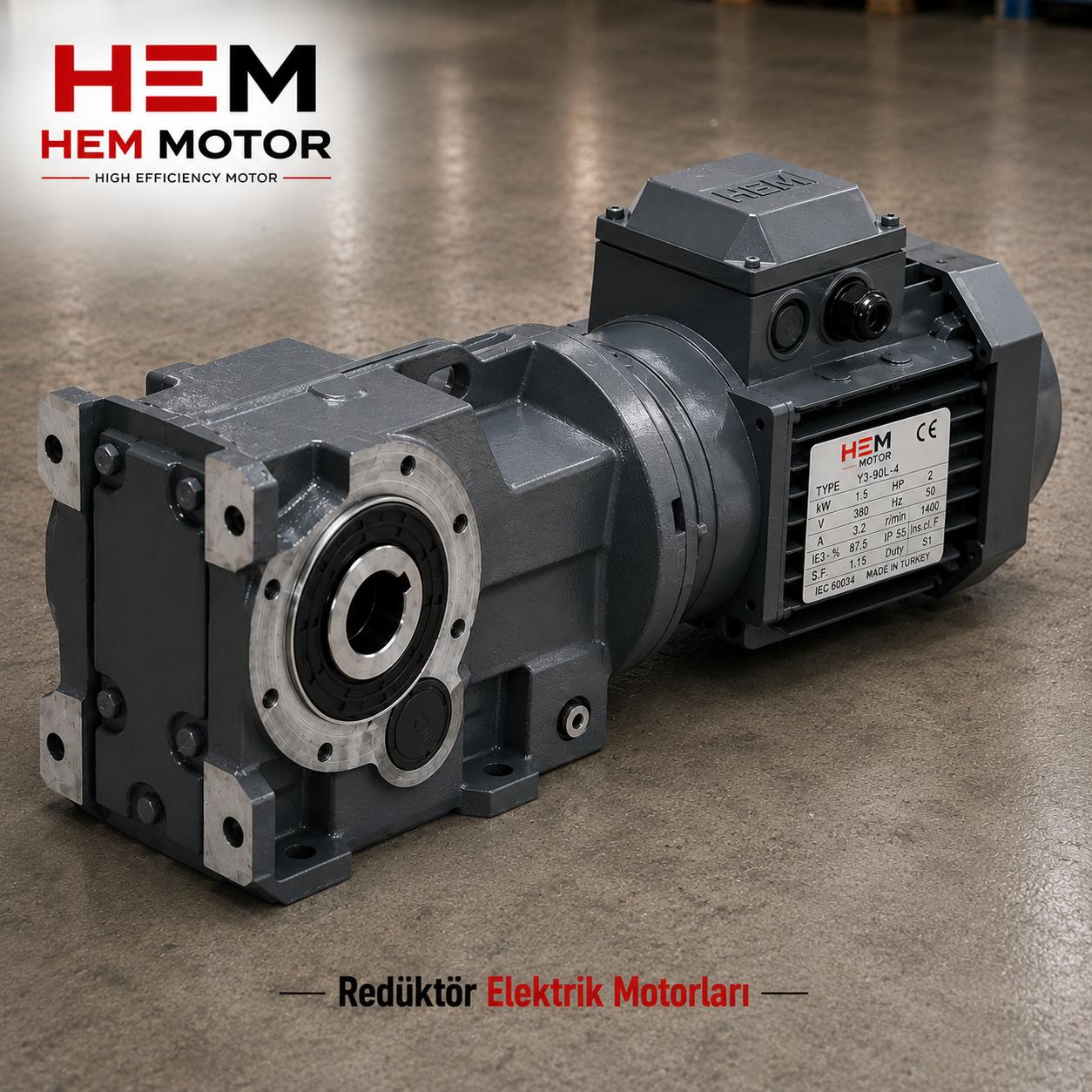

Lime kilns and calcination plants are among the most demanding industrial environments for an electric motor: high temperature, dense lime and stone dust, heavy mechanical load and uninterrupted operation occur together. The rotary kiln main drive motors, burner (combustion air) fans and mill motors operating in these facilities fail frequently when selected incorrectly and stop the entire production; since the calcination process runs continuously, every stoppage creates significant cost. The right motor selection begins with matching the high torque capacity, insulation suited to a hot and dusty environment (H class) and protection (IP65), the appropriate starting method and the solid cast iron body decisions to the environment. In this article we address the three critical motor groups of a lime kiln and calcination plant (rotary kiln main drive, burner/combustion air fan, mill) separately and explain how to select the right motor for each in terms of power (kW), speed, gearbox, insulation, protection class and frame type. HEM Motor, an electric motor factory manufacturing since 1979, supplies motors resistant to hot and dusty environments for lime and calcination plants from Türkiye stock with fast delivery.
Environmental and Load Conditions in a Calcination Plant
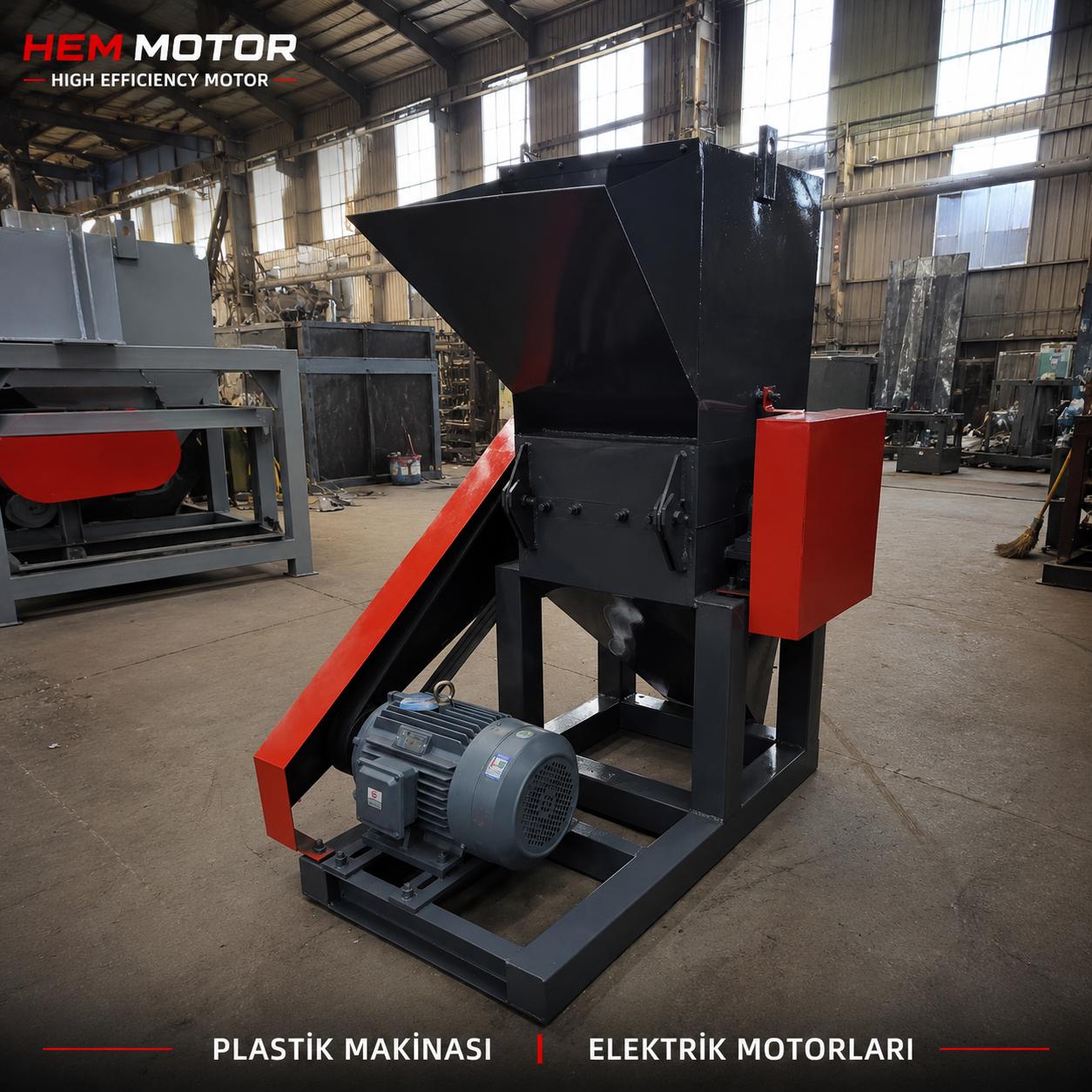
Calcination is the process of converting limestone (calcium carbonate) into calcium oxide at high temperature, and kiln temperatures above 900 °C also raise the surrounding ambient temperature. In addition, lime and stone dust are densely present in the air throughout the plant. These two factors (high temperature and dense dust) bring two decisions to the fore in motor selection: the insulation class and the protection class. For motors operating around the kiln and in the burner zone, H-class insulation (up to 180 °C) should be preferred; standard F-class may be inadequate in such a hot environment. You can find how the insulation class affects life in a hot and dusty environment in our article on hot and dusty environment motor insulation class and cast iron body, and the difference between F and H class in our article on winding and insulation class (F/H) in IE3 motors.
Due to the dense dust, the protection class is critically important. While IP55 is accepted in standard industrial motors, IP65 (fully dust-tight) should be preferred in calcination plants where lime and stone dust are very fine and dense; if fine dust enters the motor it insulates the winding, blocks cooling and abrades the bearing. We addressed dust sealing and IP65/IP66 protection in crushers and mine sites in our article on dust sealing and IP65/IP66 protection in crusher motors, and general motor protection in quarries and mine sites in our article on motor protection in quarries and mine sites. For a general view of the dusty environment of these plants, our article on fertilizer and lime plant electric motors and dusty environment IP protection supply is also useful.
Rotary Kiln Main Drive Motors
The rotary kiln is a large-diameter cylinder, slightly inclined and continuously rotating, through which the limestone passes and is calcined. The main drive motor that turns this cylinder is the most critical and highest-torque motor of the calcination plant. Since the kiln is very heavy and must also rotate while loaded with material, the drive requires extremely high starting torque. For this reason the rotary kiln main drive is always solved with a geared (high reduction ratio) system: the motor''s high speed is reduced to a few revolutions per minute by a multi-stage gearbox and the output torque increases multifold. The motor power is selected over a wide range (from dozens of kW to a few hundred kW) depending on the kiln diameter, length and load. We addressed high-torque and heavy-duty supply in our article on mine and ore mill motors: high torque and heavy duty.
The starting method is also critical in the rotary kiln drive. Due to the high inertia and heavy load, starting a large-power motor directly (DOL) draws excessive starting current; for this reason soft starting with a star-delta, soft starter or variable frequency drive (VFD) is preferred. The VFD also provides the ability to adjust the kiln rotation speed according to the process. We explained the starting methods and the starting current problem in large-power drives in our article on starting crusher motors: soft starter, star-delta and direct starting. We addressed the effect of the flywheel and inertia in motor selection under heavy and impact load in our article on motor selection under impact load: flywheel, inertia and crusher drive. You can find the lead-time and shipping planning of large-power motors in our article on high-power motor supply above 90 kW.
Burner and Combustion Air Fan Motors
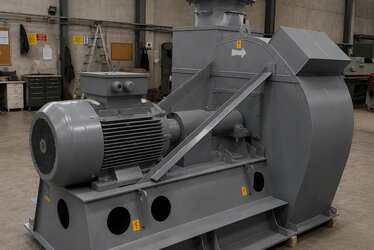
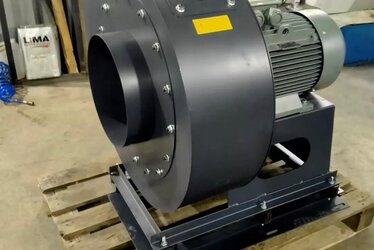
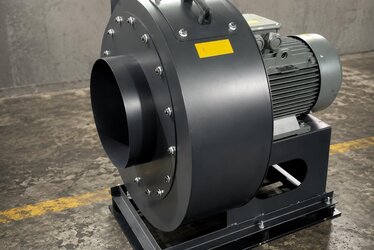
The burner (combustion air) fans that provide the air required for the fuel to burn in the calcination kiln are critical motors that directly affect the plant''s efficiency. These fans feed pressurized combustion air into the kiln and run continuously at high flow. Since burner fan motors operate in a hot environment, H-class insulation and IP65 protection are recommended. Fan motors are generally selected in the medium-large power band (7.5-90 kW) at 1500 or 3000 rpm; the speed and power are determined by the required air flow and pressure. On continuously running fans, the efficiency class is directly reflected in the energy cost; for this reason an IE3, and where possible an IE4 super premium motor, provides significant savings in the long term. We addressed the fan motors on the extraction and dust collection side in our article on aspirator and dust collection fan motor selection.
In addition to the burner fan, the exhaust fans that draw the hot flue gases and dust from the kiln are also an important motor group of the plant. These exhaust motors are exposed to both high temperature and abrasive dust; for this reason H insulation, IP65 protection and a cast iron body should be accepted as standard. Our article on cement factory electric motors, where we collectively address the mill, fan and conveyor motors in cement factories, is also a guide for lime plants with a similar process flow. Our article on gypsum and plasterboard factory electric motors, where we address the calcination fan and agitator motors on the gypsum side, also covers a similar calcination process.
Mill and Grinder Motors
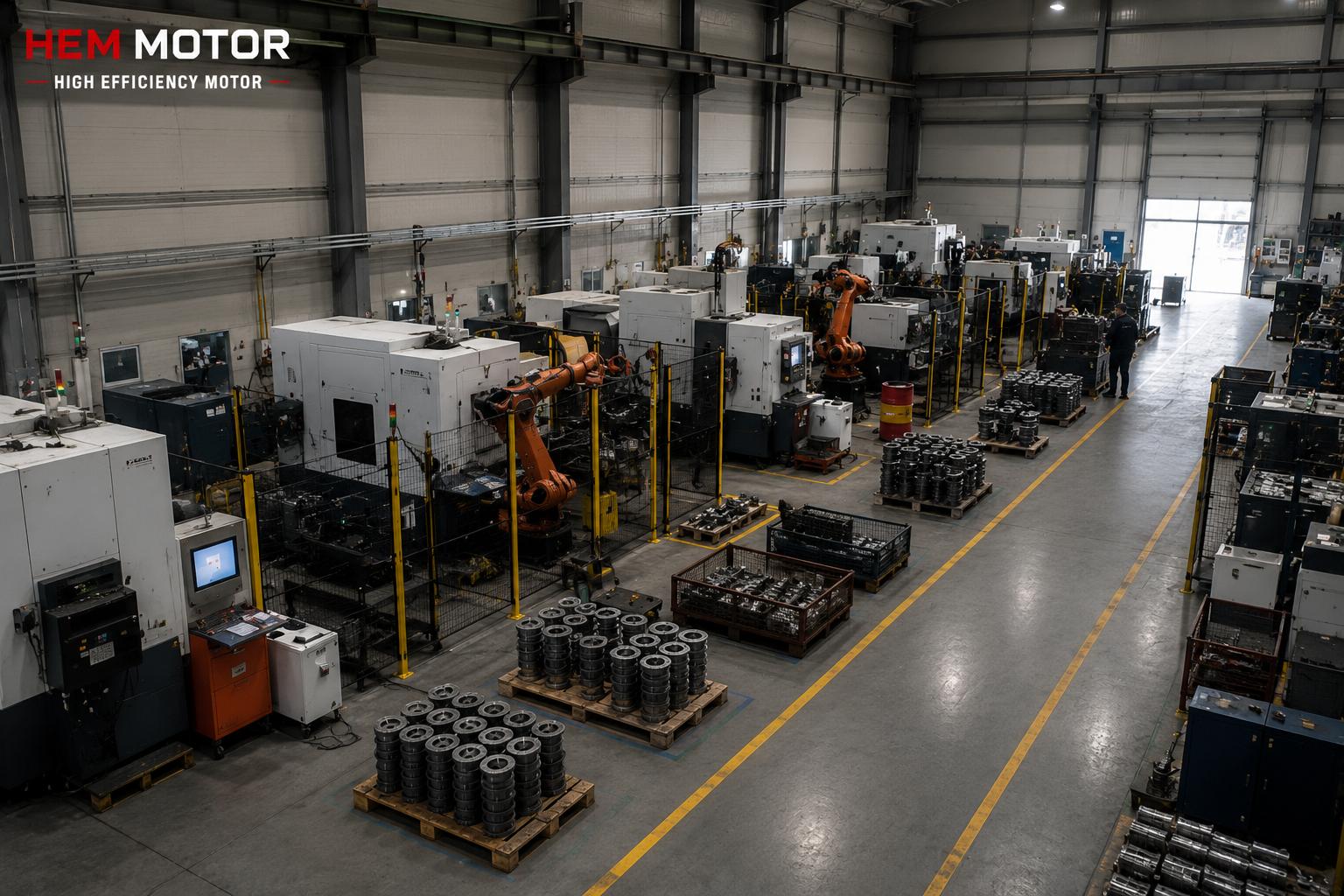
The calcined lime is, in most plants, ground to the desired fineness and converted into hydrated lime (calcium hydroxide) or various products. This grinding is done by mills (ball mill, hammer mill, roller mill) operating with high-torque, heavy-duty motors. Since the grinder motors work under the continuous and variable load of the material, they require high starting torque and a solid mechanical structure. For this reason a cast iron body, a reinforced bearing structure and high torque capacity are decisive. Grinder motors can be selected over a wide power range (11-355 kW); the speed is generally between 1000 and 1500 rpm and can also be reduced with a gearbox according to the desired grinding speed. We addressed high-torque supply in mine and ore mills in our article on mine and ore mill motors, and crusher and stone crushing plant motor selection in detail in our article on electric motor selection for crusher and stone crushing plants.
Gearbox selection is also important in the grinder drive; a bevel helical reducer is preferred where low output speed and high torque are required. We explained matching the IEC frame and flange to the reducer in our article on which electric motor fits a worm gear and NMRV reducer. In grinder and mill motors, bearing life is critical due to dust and impact; we addressed bearing life in crusher and mill motors in terms of impact, dust and lubrication in our article on bearing life in crusher and mill motors. In all grinder and kiln-area motors, IP65 protection against fine dust and regular cooling fin cleaning are essential.
Lime Kiln and Calcination Plant Motor Selection Checklist
- Insulation class: H-class (180 °C) around the kiln and burner; at least F-class insulation on other lines.
- Protection class: Prefer IP65 (fully dust-tight) due to fine lime/stone dust.
- Torque capacity: High starting torque and high output torque via gearbox are essential in the rotary kiln and grinder.
- Starting: Use soft starting with a soft starter, star-delta or VFD in large-power drives.
- Body material: Choose a cast iron body + reinforced bearing due to the hot, dusty and heavy-duty conditions.
- Efficiency class: Choose IE3, and IE4 where possible, in continuously running fans and mills.
- Gearbox: Appropriately rated gearbox in the rotary kiln and low-speed grinders; IEC-compatible flange.
- Spare plan: Keep critical kiln drive, burner fan and mill motors in stock as spares.
Frequently Asked Questions
Why is IP65 protection required in lime kiln motors?
In lime kilns and calcination plants the dust in the air is both very fine and very dense. Standard IP55 protection protects against dust to a certain extent but is not fully dust-tight; very fine lime dust can over time enter the motor, insulate the winding, block cooling and abrade the bearing. IP65 protection provides full dust-tightness and is also resistant to water jets from every direction. For this reason IP65 protection should be preferred in lime and calcination plants with fine and dense dust, and the cooling fins should also be cleaned regularly.
Why is a soft starter or VFD used in the rotary kiln drive?
The rotary kiln is a very heavy and high-inertia load; moreover, it must move while loaded with material. Starting a large-power motor directly (DOL) draws very high starting current, strains the grid and creates a sudden impact on the mechanical system. Soft starting with a soft starter or variable frequency drive (VFD) limits the starting current and allows the kiln to accelerate gradually. The VFD is also frequently preferred in calcination plants because it provides the ability to adjust the kiln rotation speed according to the process.
Should the burner fan and grinder motor be of the same insulation class?
Both work in harsh conditions, but their priorities are slightly different. Since the burner fan works directly in a hot environment, its insulation class (H) comes to the fore. The grinder motor, on the other hand, works under high torque and impact load, so mechanical strength (cast iron body, reinforced bearing) and dust protection (IP65) come to the fore. Given the hot and dusty environment in both groups, accepting H insulation and IP65 protection as standard secures the motor''s life.
Get a Quote
For your lime kiln and calcination plant we supply rotary kiln main drive, burner/combustion air fan and mill motors with high torque capacity, H insulation and IP65 protection, from Türkiye stock with fast delivery. By sharing the nameplate information of your existing motor (kW, speed, frame size, mounting type, shaft diameter) you can get a fast and accurate quote for an exactly equivalent motor. You can review our durable motor family for heavy-duty and hot-dusty environments on our efficient electric motors and IE4 electric motor pages, and take a look at our article on the 8 pieces of information to provide when requesting a quote for a fast and accurate quote. To get a quote now, contact us at +90 (532) 345 49 86 or through our contact page.