English
 Türkçe

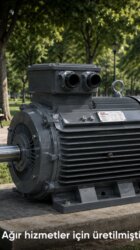
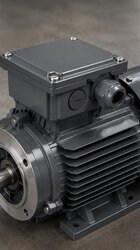
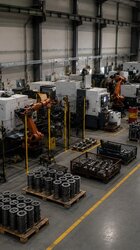
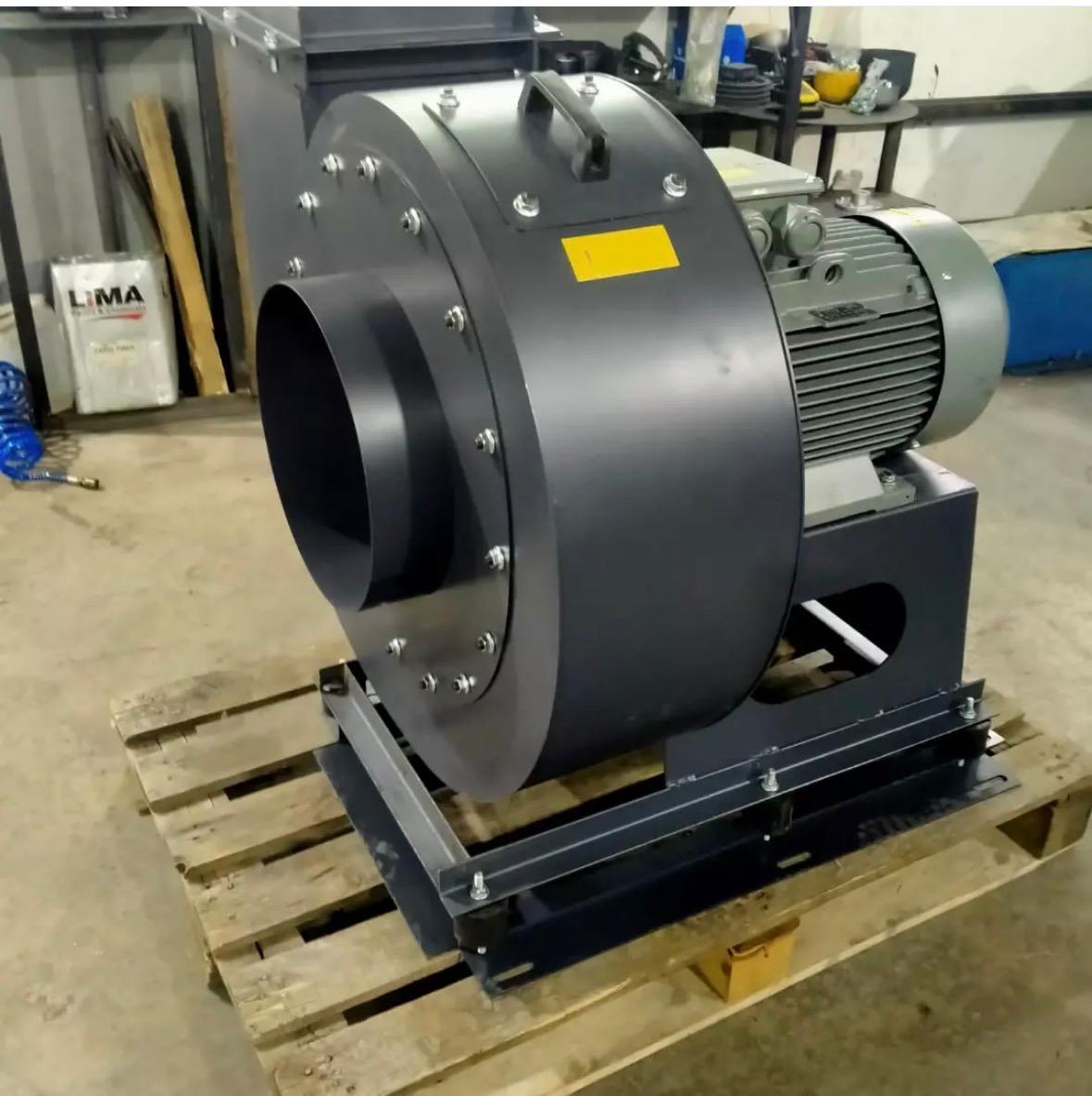

Modern egg and poultry (broiler) houses are fully automation-based facilities: feed distribution, egg collection, manure removal and ventilation are now managed by electric motors. The motors operating in these houses face harsh conditions such as high humidity, ammonia gas, dust and continuous operation. The failure of an incorrectly selected motor not only stops production but directly threatens animal welfare and causes livestock loss; in particular, the stopping of ventilation fans creates a risk of death within minutes on hot days. In this article we address the four critical motor groups of poultry house automation (feed auger/chain feeding, egg collection belt, tunnel ventilation fan and manure belt/scraper) and explain how to select the right motor for each in terms of power (kW), speed, gear ratio, protection class (IP55) and environmental protection. The aim is to provide a clear supply guide you can use when building a new house or replacing existing motors. HEM Motor, an electric motor factory manufacturing since 1979, supplies motors resistant to humidity and ammonia for poultry house automation from Türkiye stock with fast delivery.
Why Does the Poultry House Environment Make Motor Selection Difficult?
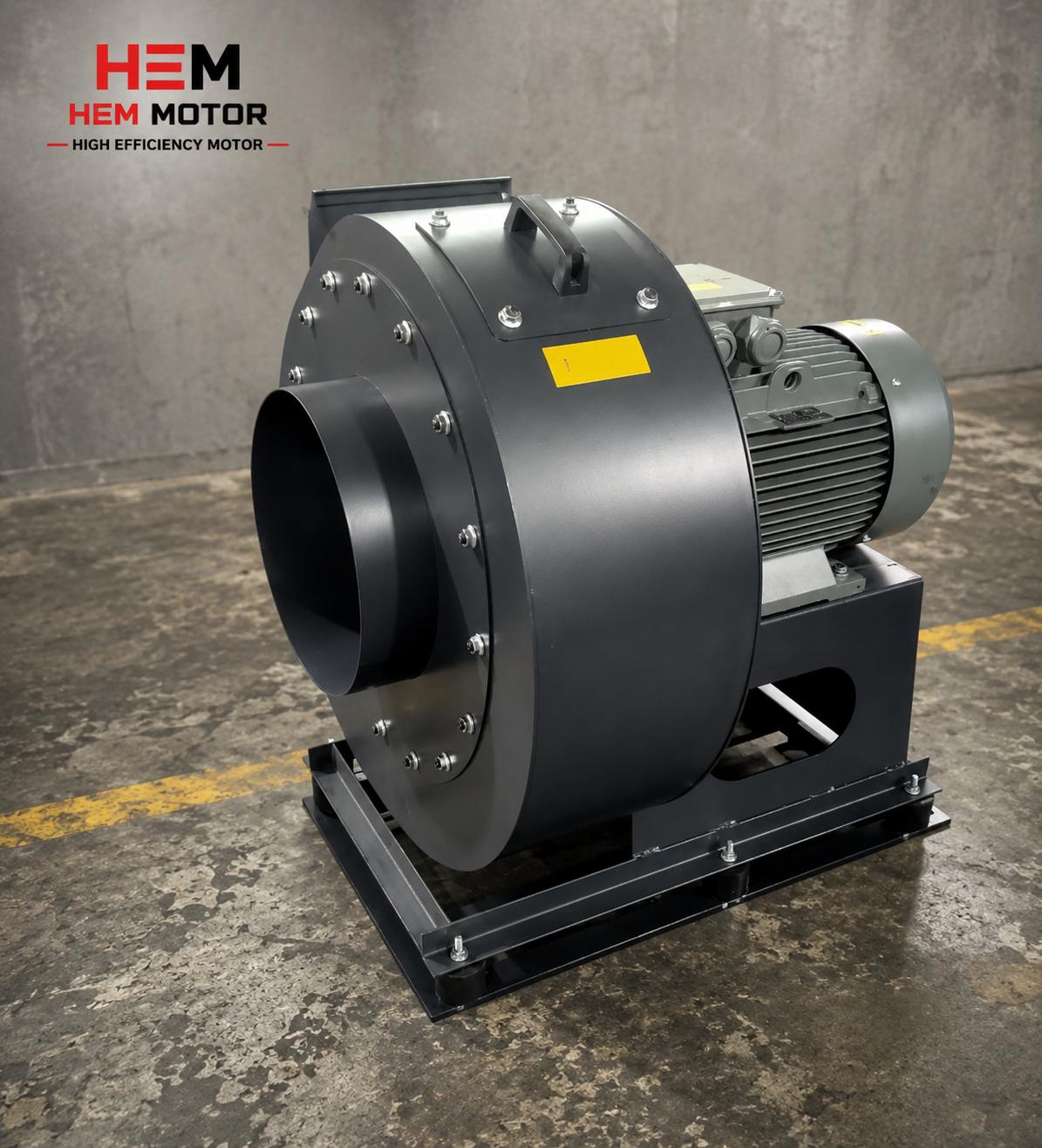
A poultry house is an extremely aggressive environment for an electric motor. The ammonia (NH3) gas originating from animal droppings is a corrosive factor that over time erodes metal surfaces and the winding insulation. When high humidity, water contact during washing and the feed/feather dust in the air are added to this, the life of a standard motor is shortened. For this reason two issues come to the fore in poultry house motors: the protection class and corrosion protection. The protection class should be at least IP55; in directly washed areas or where humidity is intense, IP65 should be preferred. We addressed in detail which IP protection class is required in which environment in our article on IP protection class selection in electric motors (IP55, IP65, IP66). We explained protecting the cast iron body with special painting and cataphoresis coating in a corrosive environment in our article on corrosion protection and open-field use in cast iron body motors.
Another decisive feature in poultry houses is that most drives require low speed and high torque. Systems such as the feed auger, egg belt and manure scraper run at a few to a few dozen revolutions per minute; this requires the motor to be connected through a gearbox rather than directly. We addressed how to solve low-speed, high-torque drives in our article on low-speed (high-pole) motors and direct drive, and the question of whether to prefer a geared motor or a separate motor + gearbox in our article on geared motor or separate motor + gearbox. Our article on high-efficiency motors in greenhouse and livestock facilities, which collectively evaluates fan, irrigation and feeding motors, is also a complementary resource.
Feed Auger and Chain Feeding Motors
The most common motor group in poultry house automation is the feeding systems. Feed is conveyed from the silo into the house by auger (spiral) conveyors; inside the house it is distributed to each cage by chain feeding or disc/spiral lines. These systems run continuously at low speed and require high starting torque, because the line must be able to move even when full of feed. For this reason, feeding drives are typically solved with a geared motor (worm gear or bevel helical reducer). Feed auger motors generally consist of motors of 0.37-2.2 kW with a 1400-1500 rpm input speed; the gear ratio is selected between 1/10 and 1/100 according to the required feed speed. We explained matching the IEC frame and flange to the reducer in our article on which electric motor fits a worm gear and NMRV reducer.
A point to watch in feeding motor selection is frequent start-stop operation: feeding usually starts and stops many times a day. In this operating regime the motor must be resistant to starting current and heating. Since feed dust accumulating on the motor''s cooling fins blocks cooling, IP55 protection and regular cleaning are essential. Our article on feed factory and mill motors selection, which addresses the pellet press, roller mill and elevator motors on the feed factory and mill side, is useful for facilities dealing with feed preparation. We addressed pre-season stock planning in agricultural and livestock machinery in our article on motor purchasing and season stock plan for agricultural machinery.
Egg Collection Belt and Elevator Motors
In egg layer farming, the belt and elevator systems that carry eggs from the cages to the collection center without breaking them are critically important. Egg collection belt motors require a very low and extremely stable speed; because the belt running smoothly and at a constant speed directly affects the egg breakage rate. For this reason, egg belt drives are solved with a geared motor, generally of 0.18-1.1 kW, with a high reduction ratio (1/50-1/100), and the output speed is reduced to a few revolutions per minute. A frequency drive is also often added for stable low speed. We addressed the importance of the reducer mounting position and lubrication in low-speed high-torque applications in our article on reducer mounting positions (M1-M6) and lubrication.
The egg elevator is a vertical transport system that brings eggs from belts at different tier levels down to a single collection line. Here too a low-speed, high-torque and vibration-free drive is required. Selecting these motors with IP55 protection is sufficient for safe operation in a dusty and humid environment; however, IP65 may be preferred in facilities where the egg collection section is washed. S1 continuous duty type is essential in belt drives; in addition, motors with 100% copper windings and a balanced rotor should be preferred for low vibration. We collected the steps to follow for emergency replacement and exact swap in belt and conveyor drives in our article on conveyor belt motor emergency replacement and swap.
Tunnel Ventilation Fan Motors
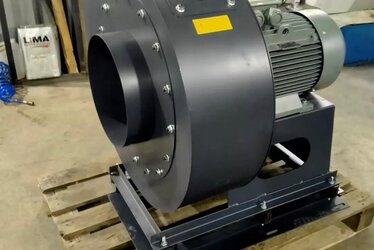
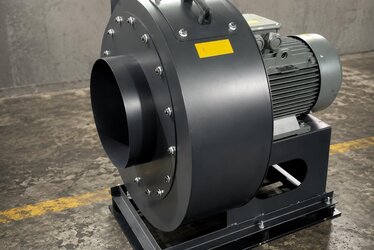
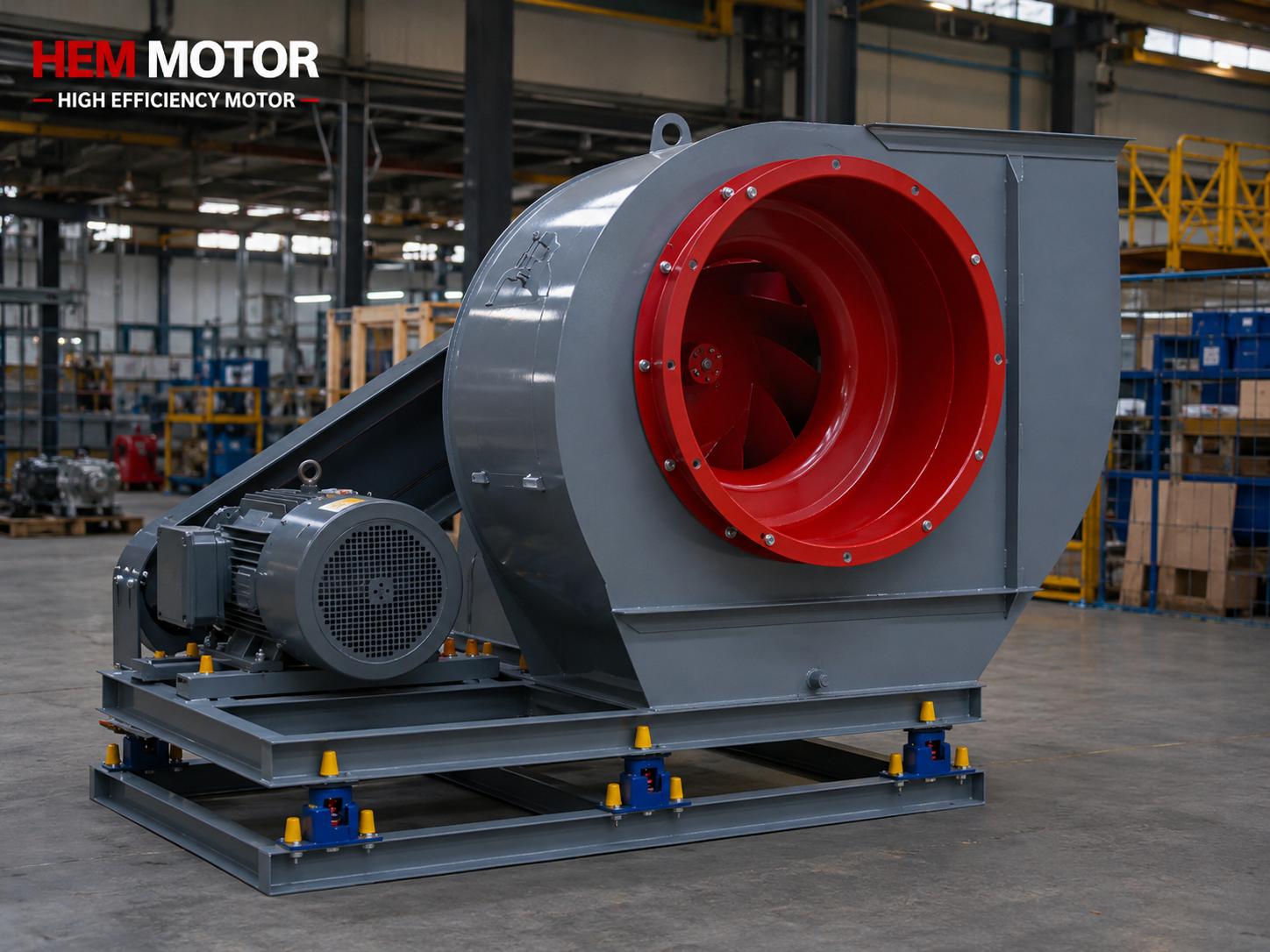
Ventilation is the most critical system of the poultry house, because the animals'' lives depend directly on it. In tunnel ventilation, large-diameter fans at one end of the house continuously expel air, drawing fresh air in and controlling the temperature. These fan motors require high flow, continuous operation and low energy consumption. Tunnel fan motors generally consist of motors of 0.55-1.5 kW, directly driven (belt-pulley or direct) and 4-6 pole (1000-1500 rpm); low-speed large-diameter fans run more quietly and efficiently. We addressed power and supply by fan type in our article on centrifugal and axial fan motor selection. In houses where many fans run together, the efficiency class is directly reflected in the electricity bill; for this reason an IE3, and where possible an IE4 super premium motor provides significant savings in the long term.
Tunnel fan motors are the group most exposed to humidity, ammonia and dust; corrosion protection is critical because they are in direct contact with outside air. A cast iron body, F (preferably H) insulation class and IP55 protection should be accepted as standard. You can find how the insulation class affects life in a hot and dusty environment in our article on hot and dusty environment motor insulation class and cast iron body, and the difference between F and H class in our article on winding and insulation class (F/H) in IE3 motors. For the house water and irrigation lines, our article on irrigation and agricultural pump motors is complementary.
Manure Belt, Scraper and Other Drives
In egg and broiler houses, manure is collected by belts under the cages or by scraper systems and removed. Manure belt motors must be low-speed, high-torque and extremely corrosion-resistant, because they work directly under ammonia and humidity load. These drives are also solved with a geared motor, generally in powers of 0.37-1.5 kW. A cast iron body and special corrosion protection are especially important here. We compared the choice between a cast iron and aluminum body according to environmental conditions in our article on cast iron or aluminum frame motor selection.
The most critical point in the supply planning of poultry facilities is keeping critical motors as spares. In particular, a spare for the ventilation fan motors must absolutely be kept in stock, because the stopping of a fan creates a risk of death within minutes on hot days. Since agricultural facilities are generally far from the city center, fast supply and correct logistics are critically important. We addressed supply to agriculture- and livestock-intensive regions such as Konya in our article on electric motor supply to Konya industry. We collected the information to provide for a fast and accurate quote in our article on the 8 pieces of information to provide when requesting an electric motor quote.
Poultry House Automation Motor Selection Checklist
- Protection class: Minimum IP55; prefer IP65 in washed or intensely humid areas.
- Corrosion protection: Request a cast iron body + cataphoresis/special painting against ammonia.
- Gearbox: Choose a geared motor (1/10-1/100) for low speed in feeding, egg belt and manure scraper.
- Duty type: S1 on continuously running belt and fan motors; watch the starting torque in frequently start-stopping feeding.
- Efficiency class: Choose IE3, and IE4 where possible, in houses where many fans run.
- Speed/pole: Low speed (4-6 pole) in tunnel fans; low output speed via gearbox in feeding and belts.
- Insulation: F, preferably H class insulation in fan and hot-zone motors.
- Spare plan: Always keep ventilation fan motors in stock as spares; archive the nameplate information.
Frequently Asked Questions
Is IP55 sufficient for a poultry house motor, or is IP65 required?
IP55 protection is sufficient in most poultry house drives; it protects against dust and water spray from every direction. However, IP65 should be preferred in areas where the motor is washed directly with pressurized water (especially in houses where disinfection and washing are done) or at points where humidity is constantly intense. Since the ammonia load is high, requesting corrosion measures such as a cast iron body and cataphoresis coating in addition to the protection class significantly extends the motor''s life.
Why is a geared motor used in feeding and the egg belt?
The feed auger, chain feeding and egg collection belt run at a few to a few dozen revolutions per minute, that is at very low speed. A standard asynchronous motor turns at 1400-1500 rpm; it is not possible to use this speed directly. The gearbox reduces the motor''s high speed to the desired low output speed and at the same time increases the output torque; this provides the force needed to move the full line. For this reason a geared motor (worm gear or bevel helical) is the standard solution in poultry house drives.
Is it essential to keep a spare ventilation fan motor in stock?
Yes, absolutely. The stopping of ventilation in a poultry house can cause the temperature and ammonia to rise within minutes, especially on hot summer days, and therefore serious livestock loss. For this reason, at least one spare of the ventilation fan motors must be kept in stock. The spare motor being of exactly the same power, speed, frame and mounting type as the existing motor enables replacement within minutes in case of failure; for this it is important to archive the nameplate information of the existing motors in advance.
Get a Quote
For your egg and poultry house automation we supply feeding, egg collection belt, tunnel ventilation and manure belt motors with the right protection and corrosion measures, from Türkiye stock with fast delivery. By sharing the nameplate information of your existing motor (kW, speed, frame size, gear ratio, mounting type) you can get a fast and accurate quote for an exactly equivalent motor. You can review our durable and efficient motor family on our efficient electric motors and IE4 electric motor pages. To get a quote now, contact us at +90 (532) 345 49 86 or through our contact page.