English
 Türkçe

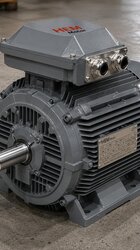
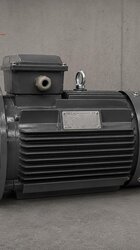
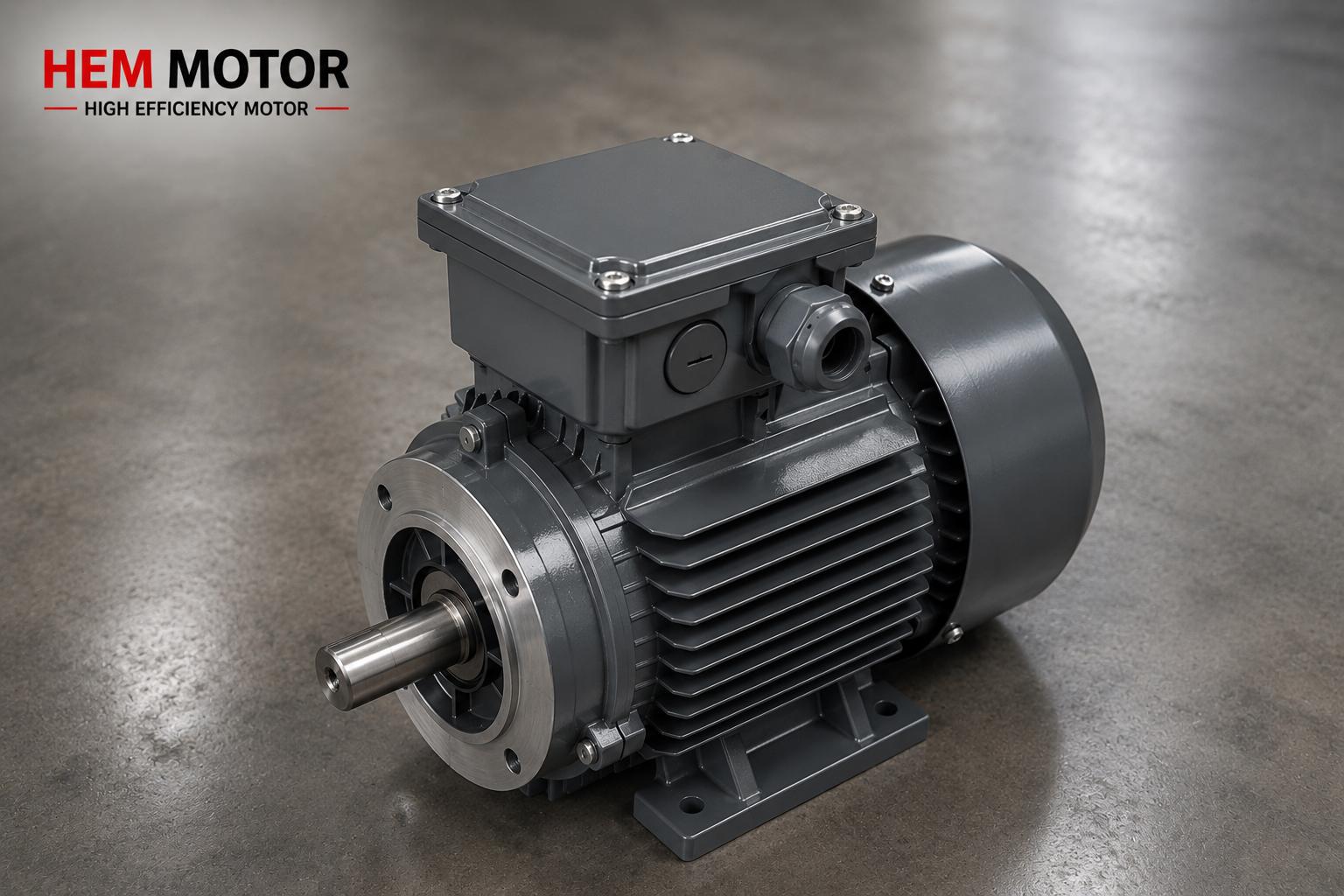

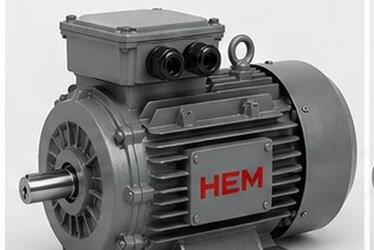
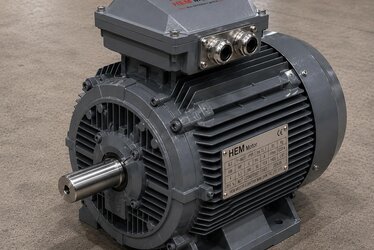
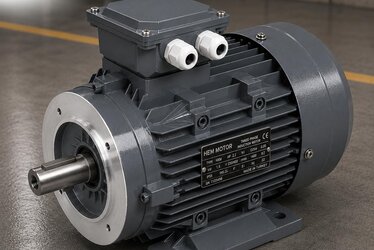
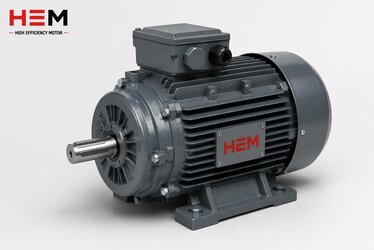
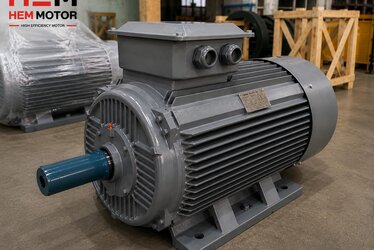
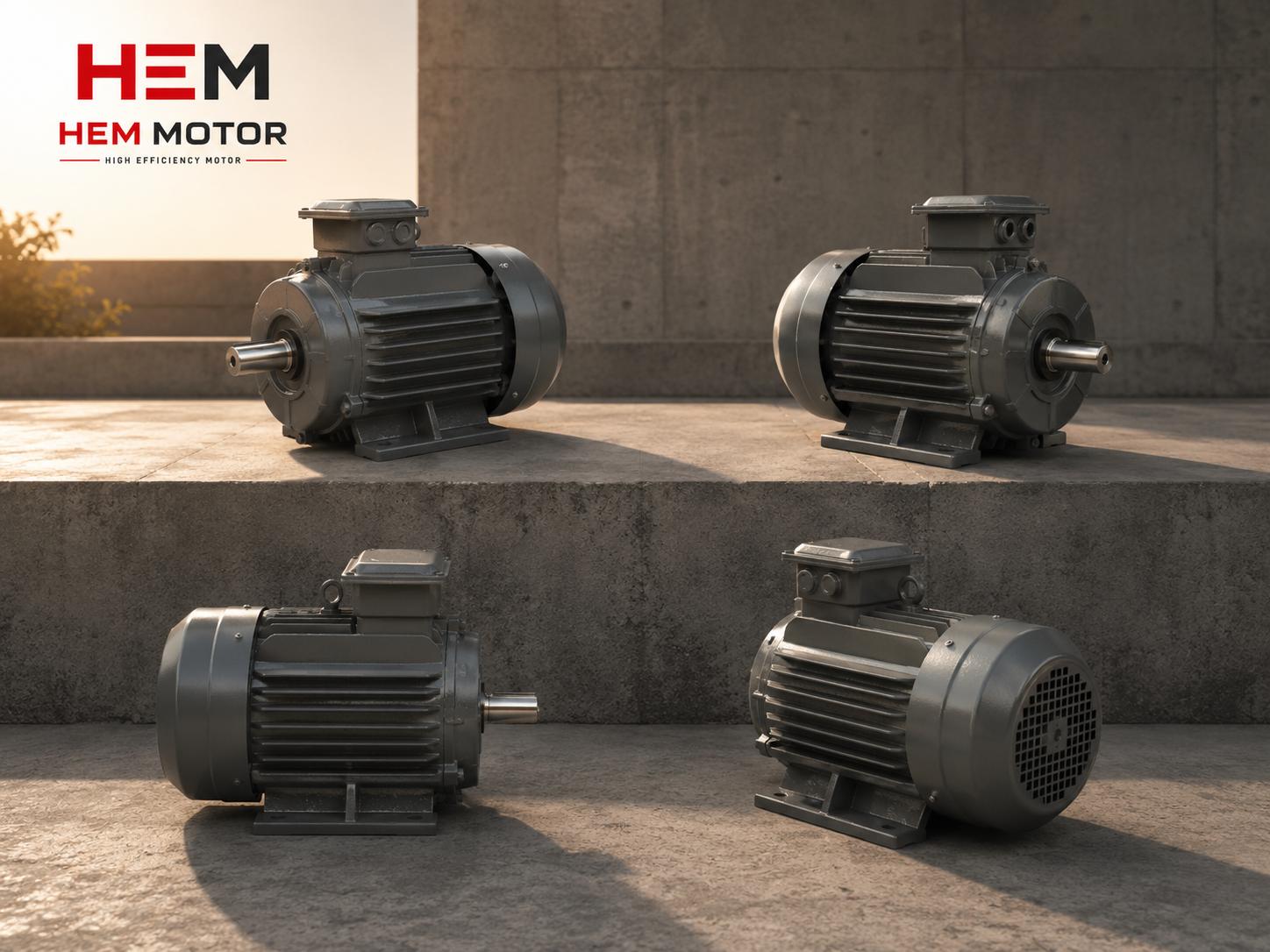
In high-power facilities, electric motor selection is not limited to kW alone; the voltage selection is at least as decisive as the power. A 690V asynchronous motor offers a serious infrastructure advantage thanks to doing the same job with lower current, especially at high powers. Lower current means thinner cable cross-section, smaller panel equipment and fewer losses. However, 690V voltage requires correct connection, correct winding type and correct protection selection; a wrongly connected motor both loses performance and creates a safety risk. This guide gathers all the technical and commercial questions that high-power facilities selecting a 690V asynchronous motor should ask into a single article. HEM Motor, a company that has been manufacturing electric motors since 1979, supplies high-power asynchronous motors to the IEC standard, cast-iron bodied and in high efficiency class with stock and lead-time assurance.
Why Does 690V Voltage Provide an Advantage at High Power?
In an electric motor, power is related to the product of voltage and current; therefore, at the same power, when the voltage rises the current falls. When 690V is used instead of 400V, the same kW power is obtained with approximately 42 percent lower current. In a high-power motor this difference is very important: for example, a motor drawing 350 amperes at 400V draws approximately 200 amperes at 690V. Lower current allows the cable cross-section to shrink, the busbars and switches in the panel to be selected smaller, and the transmission losses on the line to decrease. This difference grows compoundingly as the number of motors increases and the cable distances lengthen. In a large mining or cement facility where dozens of high-power motors run simultaneously, the total current reduction provided by 690V voltage returns to the operation as a smaller transformer, thinner main supply cables and lower copper loss. The drop in current also softens the voltage dip on the grid during starting, which helps sensitive equipment operate smoothly on the same line. For this reason, 690V voltage is preferred in large facilities, especially in motors of 90 kW and above. You can review the general supply plan of high-power motors in our sibling articles on high-power motor supply above 90 kW and 2/4 pole selection in 90-132 kW motors.
690V vs 400V Comparison: Current and Cable Cross-Section
The most concrete difference between 690V and 400V is in the current and therefore in the cable cross-section. As the current decreases, the required cable cross-section shrinks; this affects both material cost and ease of installation. In large facilities with long cable distances, using 690V can provide significant cable savings. In addition, lower current means less heating in the cable and connections and less voltage drop. The compatibility of the current the motor draws with the infrastructure is also related to the motor voltage tolerance; our article on voltage tolerance and grid fluctuation explains the effect of grid fluctuation on the motor. Our article on single-phase vs three-phase: 220V and 380V motor selection addresses the basic logic of voltage and phase selection.
Star and Delta Connection: The Right Choice at 690V
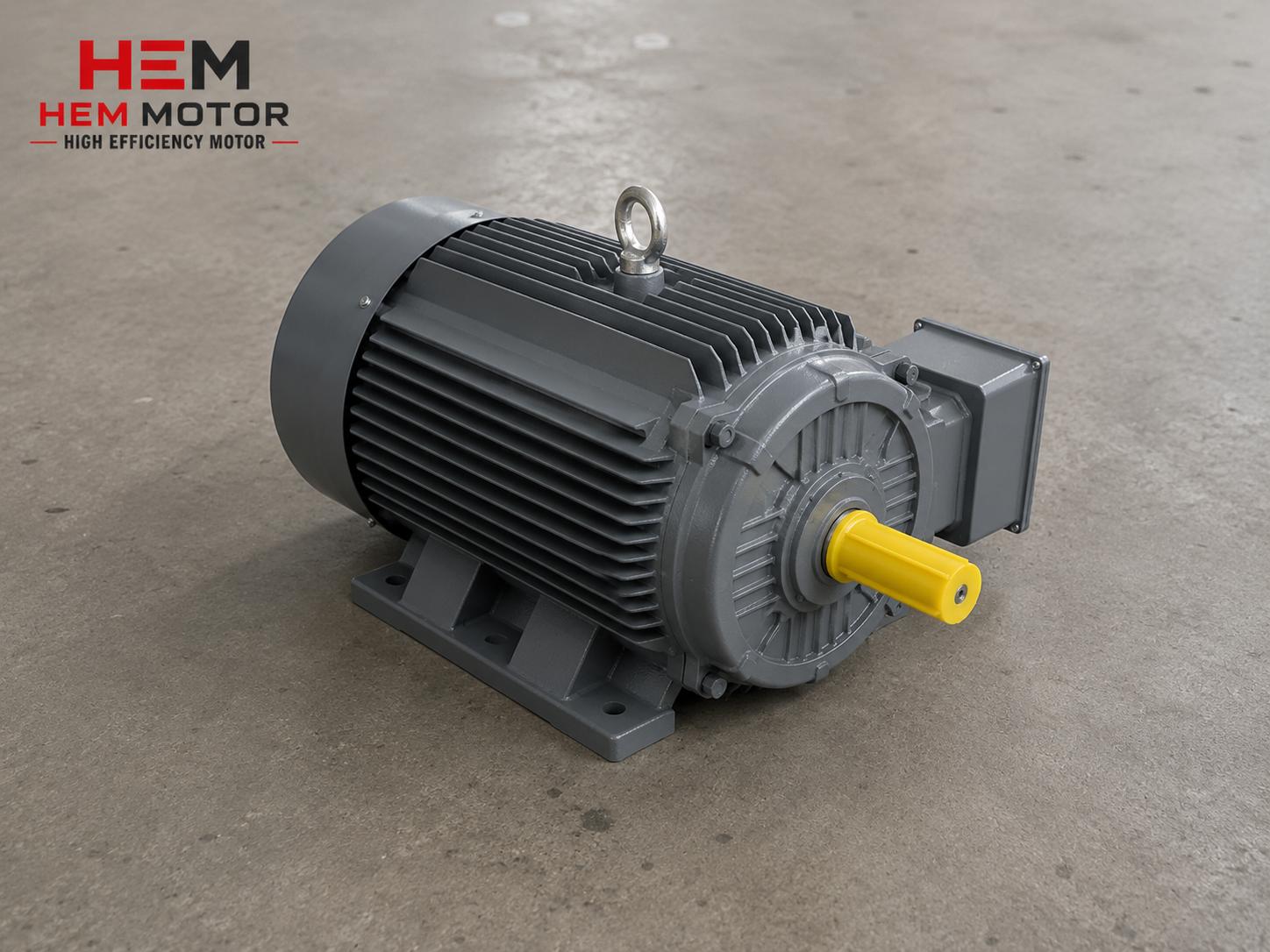
In asynchronous motors, the windings can be connected in star (Y) or delta (Δ). Two voltage values are usually written on a motor's nameplate; for example, 400/690V. This means the motor can operate at 400V in delta connection and at 690V in star connection on the grid. Therefore the same motor can be used at different grid voltages according to the connection type. A motor to be run on a 690V grid is connected in star; in this case the voltage falling on each winding decreases and the motor operates suitably for that grid. For this reason, in 690V selection, the nameplate voltage range and connection type of the motor must definitely be checked. You can find step by step how the star-delta connection is made in our article on the star-delta wiring diagram.
Star-Delta Confusion in Starting
There is an important distinction here: star-delta starting and star-delta grid connection are different things. Star-delta starting is a method in which the motor starts in star and switches to delta during operation to reduce the starting current. The 690V grid connection is a situation in which the motor operates continuously connected in star. Not confusing these two concepts is critical for correct connection. To choose the starting method correctly at high power, our article on star-delta vs soft starter provides detailed guidance.
IEC Standard and Motor Nameplate
690V motors are produced in accordance with the IEC standard; the voltage range, connection type, current and frequency information on the nameplate are read according to this standard. To select the right motor, the rated values on the nameplate must be understood correctly; especially the voltage/connection line (for example 400Δ/690Y) is the most critical information in this class. For nameplate reading, our article on reading the IE3 motor nameplate provides guidance. If you are replacing an existing motor with a 690V-compatible motor, definitely check the compatibility of the voltage range and connection type; our article on one-to-one matching with nameplate data prevents wrong delivery. In asynchronous motors, the actual speed is slightly below the synchronous speed due to slip; our article on slip and actual speed explains this.
Protection and Temperature Monitoring in 690V Motors
In high-power 690V motors, protection is critical for both motor life and operational safety. Insulation quality and correct grounding are important in these motors operating at high voltage; our article on grounding and electrical safety addresses this subject. The use of PT100 or PTC thermistors is common at high power to continuously monitor the winding temperature; our article on temperature monitoring with PT100 and PTC thermistor explains this protection. Measuring the insulation resistance before connection in a stock motor is also important; our article on insulation resistance and megger test describes this check. In thermal and fuse selection, the setting must be made according to the low current of the motor at 690V; our article on thermal, relay and fuse selection provides guidance.
In Which Facilities Is 690V Preferred?
690V voltage is generally used in heavy industrial facilities with large installed power: such as mining, cement, iron-steel, large crushing-screening plants and large pump stations. Because the motor powers are high in these facilities, the low-current advantage that 690V provides turns into concrete cost savings. In crusher and stone crushing plants, this advantage stands out in high-power drives; our article on motor selection for crusher and stone crushing plants addresses these applications. For supply assurance in the mining sector, our article on motor supply contracts in mining provides guidance. The efficiency of asynchronous motors in this class also directly affects operating cost; our article on efficiency and pole count supports the correct selection.
Efficiency, Regulation and Correct Supply
690V high-power motors consume significant energy in facilities with high operating hours; therefore the efficiency class is reflected directly in the electricity bill. In Turkish and EU regulations there are IE3, even IE4 efficiency class requirements in certain power and pole ranges; to choose the correct class, review our article on the IE3 and IE4 efficiency mandate regulation. Correct sizing is also critical in high-power motors; our article on motor load ratio and correct sizing explains the disadvantage of buying excess power. You can review our cast-iron-body, high-efficiency asynchronous motors on our IE3 and high-efficiency electric motors product pages.
690V Motor and Frequency Drive (VFD)
High-power 690V motors are used together with a frequency drive (VFD) in pump, fan and compressor applications requiring variable speed. The frequency drive provides significant energy savings, especially in pumps and fans, by adjusting the motor speed according to the need. In a drive-motor package operating at the 690V level, the cable and drive equipment must be selected appropriately for the voltage class. In motors operating with a drive, it is important that the winding insulation is resistant to voltage spikes. Our article on frequency drive (VFD) with asynchronous motor explains when a frequency drive is needed and how to select it. To see the savings provided in pumps and fans concretely, you can review our article on high-efficiency motor and frequency drive. In variable-load applications, the choice of constant torque or variable torque is also important; our article on motor selection in variable-speed applications addresses this.
Shipping and Commissioning of the 690V Motor
Because 690V motors are generally high-power and heavy, shipping and on-site lifting require special attention. The motor must be lifted from the lifting eyes on the body with a crane or forklift, and must not be held by the cable or shaft. To avoid impact on the bearings during transport, the motor must be secured; our article on the shipping damage check list reduces this risk. At commissioning, it must be checked that the connection type (star/delta) is made appropriately for the grid voltage and that the rotation direction and phase sequence are correct. For all commissioning steps, we recommend applying our commissioning and first start-up check list. For high-power motors that have waited a long time in storage, our article on storage and long-term waiting guides you for moisture and bearing checks.
Frequently Asked Questions
Does a 690V motor work on a 400V grid?
This depends on the nameplate voltage range and connection type of the motor. A motor with a 400/690V nameplate works at 400V in delta connection and at 690V in star connection. A motor designed only for 690V does not work correctly on a 400V grid. We determine the correct connection together according to the motor's nameplate data.
What is the biggest advantage of using 690V?
The biggest advantage is that it draws lower current at the same power. Lower current means thinner cable cross-section, smaller panel equipment and fewer transmission losses. This advantage provides marked cost savings especially in large facilities with high power and long cable distances.
Which connection is made in a 690V motor?
A motor to be run on a 690V grid is generally connected in star (Y); thus the voltage falling on each winding drops to a suitable level. It should not be forgotten that star-delta starting and grid connection are different things. We finalize the correct connection according to your grid voltage and the motor nameplate.
Get a Quote
For your 690V asynchronous motor need, let us clarify together the power, speed, voltage range, connection type and protection selection. Contact us with the grid voltage, application and existing motor nameplate data; let us present the correct connection, stock status and a clear lead time. Phone: +90 (532) 345 49 86 · You can also create a quotation request via our contact page.