English
 Türkçe


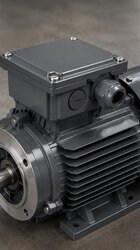
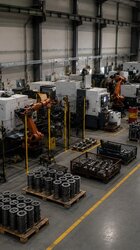
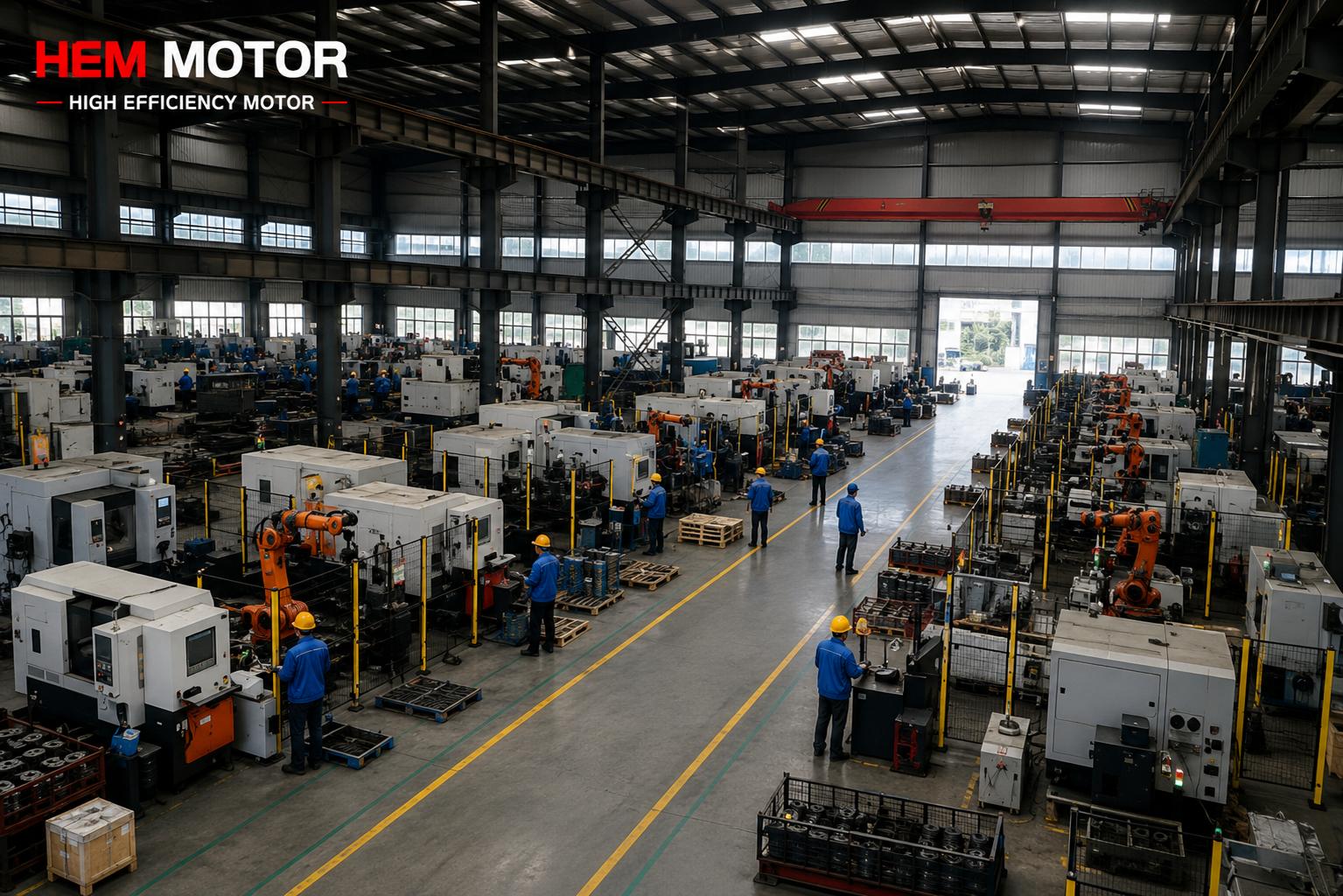

Printing presses and press facilities are applications where precision is paramount in motor selection. In offset printing units, speed stability directly determines print quality; on roll feed (web) lines, the motor speed response is critical for tension control; and drying fans must keep vibration and noise to a minimum while running continuously. A single speed fluctuation can turn into a colour shift or register error. In this guide we cover printing press machinery electric motors unit by unit, explaining which speed, VFD compatibility, vibration class and power is correct at the offset, roll feed and drying stations, and how to plan supply suited to precision printing.
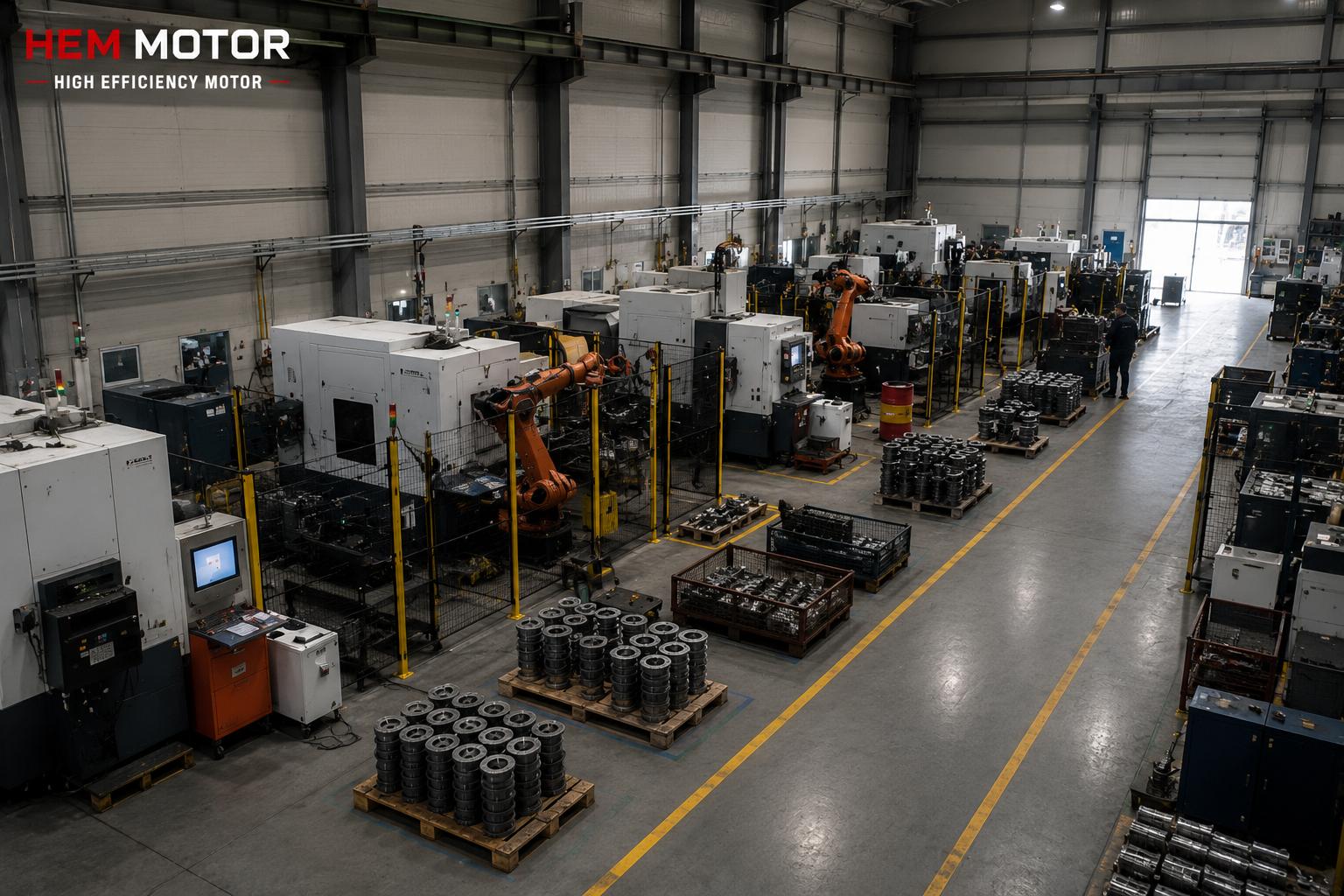
The Motor Role on the Printing Line and Station Map
In a print shop, motors are responsible for carrying paper at a controlled speed, rotating the printing cylinders in sync, and drying the ink. In production planning, grouping the stations as follows simplifies the motor inventory:
- Main printing drive (offset unit): The main motor that rotates the printing and ink cylinders in sync, demanding stable speed.
- Roll feed and tension (web tension): Drives that feed the paper roll at a controlled speed and keep the tension constant.
- Drying and fan groups: Air fans and extraction motors that dry the ink.
- Folding, cutting and finishing: Drives of post-print folding, cutting and binding units.
The common denominator of these stations is the need for low vibration. Vibration both spoils print sharpness and accelerates wear in precise mechanical transmissions. We detailed the logic of low-noise, low-vibration motor selection in our noise and vibration article.
Offset Printing Drive: Precise Speed and VFD Compatibility
In offset printing, print quality depends on the stable and synchronous rotation of the cylinders. Therefore the main drive motor is almost always driven by a variable frequency drive (VFD); this allows print speed to be adjusted steplessly and keeps the speed constant from first to last print. In VFD-driven motors, insulation and bearing selection differ from a standard motor; we addressed drive compatibility and when it is required in our VFD with asynchronous motor article.
Speed and Power Selection
Offset main drives generally run with 4-pole (1500 rpm) motors in the 5.5 kW to 45 kW range depending on machine size. S1 duty, F-class insulation and IP55 protection are standard for continuous production. In applications requiring constant torque over a wide speed range, the constant/variable torque distinction matters; we explained this choice in our variable-speed motor selection article. When determining the correct power, the motor load ratio and efficiency curve must also be taken into account; for this, our load ratio and correct sizing article is a guide.
Efficiency
Since print shops generally run multiple shifts, an efficient motor on the main drives significantly lowers energy cost. IE4 Super Premium motors are a strong choice for continuously running print units, and IE3 motors a balanced one for auxiliary units. We quantified the gain that using an efficient motor together with a VFD provides in pumps and fans in our efficient motor + frequency drive article.
Roll Feed and Tension Control
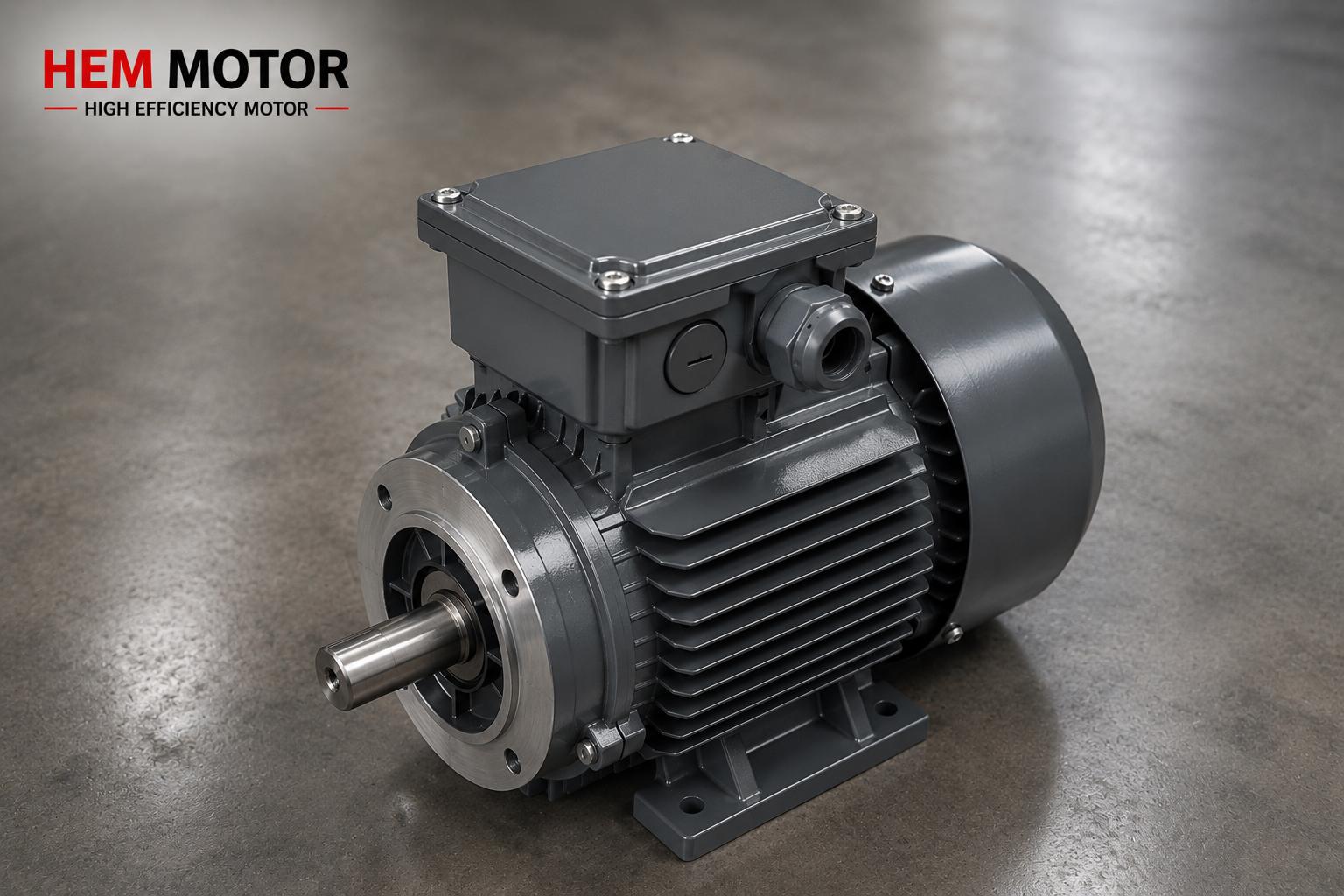
On web (roll feed) printing lines, the paper roll must be fed in full sync with the main printing speed. If tension cannot be kept constant, the paper wrinkles, tears or a register error occurs. For this reason, fast-responding, low-inertia motors are preferred in feed and tension drives, and they are usually driven with VFD or servo control. Since the motor rotation direction and phase sequence are also critical at these stations, we explained what to watch during commissioning in our rotation direction and phase sequence article.
In finishing units such as folding, cutting and binding, geared motors are often used. Here, to determine the output speed and torque correctly, our worm gear reducers and helical worm gear reducers range can be evaluated. For machine-coupled connection, you can select the correct mounting type from our mounting types page.
Drying and Extraction Fans
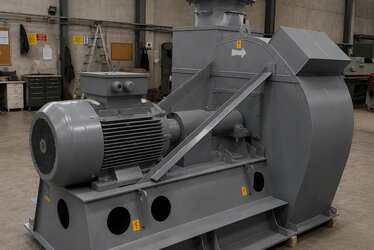
To dry the ink, hot air fans and extraction systems run continuously. Since these fan motors are exposed to both high running hours and paper dust, they demand at least IP55 protection and good cooling. In facilities using solvent-based ink, an exproof requirement may arise due to volatile compounds in the environment; we evaluated motor selection in explosive environments in our exproof (ATEX) motor article.
You can find the selection of drying and extraction fans at the correct power and speed, along with the centrifugal and axial fan distinction, in our centrifugal and axial fan motor article. For dust collection lines collecting paper dust, our dust collection fan motor article is complementary.
Replacement and Correct Supply
When printing lines stop, job loss and lead-time deviation grow fast. Therefore keeping spares of the main drive and feed motors is sensible. Making a precise match when replacing an existing motor prevents the wrong delivery; we addressed selecting the correct replacement from the nameplate in our replacing an old-brand motor directly article. For continuity and torque requirements on paper and packaging lines, our paper and packaging factory motor selection article is also a complementary resource for print shops.
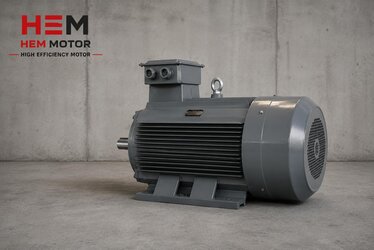
As HEM Motor, we supply printing and press facilities with motors between 0.55 kW and 355 kW, in IE3 and IE4 efficiency classes, with 100% copper windings, F-class insulation, IP55 protection and suited to VFD compatibility.
Frequently Asked Questions
Why is a VFD-compatible motor required for an offset printing press?
In offset printing, quality depends on the stable and synchronous rotation of the cylinders. The variable frequency drive (VFD) adjusts print speed steplessly and keeps the speed constant. In VFD-driven motors, insulation and bearing selection must differ from a standard motor; otherwise voltage spikes from the drive shorten winding and bearing life. For this reason, drive-compatible motors are preferred on printing main drives.
What motor characteristics are important on a roll feed line?
On roll feed (web) lines, keeping paper tension constant is essential. For this reason, fast-responding, low-inertia and low-vibration motors are preferred, mostly driven with VFD or servo control. The motor rotation direction, speed stability and phase sequence must be set correctly during commissioning, otherwise register errors and paper tearing can occur.
Is an exproof motor mandatory for drying fans?
In facilities using water-based ink, standard IP55 motors are sufficient. However, in drying areas using solvent-based ink where volatile flammable compounds are present, an exproof motor may be required if the environment falls into an exproof (ATEX) zone. The correct decision is made according to the explosion risk classification of the environment; motor selection is not recommended without this evaluation.
Get a Quote
If you want to supply offset, roll feed and drying motors for your printing or press facility with precise speed, VFD compatibility and low-vibration requirements, contact us with your machine nameplate information. Let us offer motors matched with the correct power, speed and protection class at a suitable lead time and price. Call now on +90 (532) 345 49 86 or send your quote request through our contact page.