English
 Türkçe


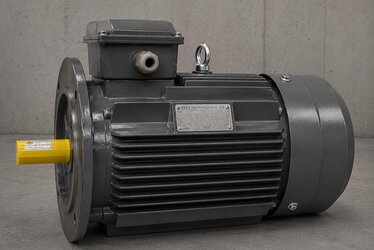
The IE5 ultra premium efficiency class, together with synchronous reluctance (SynRM) technology, is setting a new standard in high-speed applications. In spindles (machining work spindles), centrifuges, separators, high-speed blowers and similar applications it is critical that the motor both runs efficiently at high speed and limits heating through low rotor losses. While in conventional asynchronous motors the losses on the rotor increase heating and reduce efficiency at high speed, the magnet-free IE5 synchronous reluctance rotor, which relies on a large magnetic reluctance difference, runs almost loss-free in the rotor, improving both efficiency and thermal behaviour. In this article we cover the advantages of the IE5 synchronous reluctance motor in high-speed applications, how the speed range is extended with field weakening, the drive requirement, the thermal advantage of low rotor losses, the importance of balancing and vibration at high speed, and correct motor selection.
Synchronous Reluctance Technology and High Speed
A synchronous reluctance motor has neither windings nor permanent magnets on its rotor; the rotor produces torque from the large reluctance difference between the directions in which magnetic flux flows easily and with difficulty (the d and q axes). This structure eliminates Joule (copper) loss in the rotor, because there is no current-carrying conductor in the rotor. At high speed this becomes a decisive advantage: while in an asynchronous motor rotor losses and heating increase as speed rises, the synchronous reluctance rotor stays cool and preserves its efficiency.
- Magnet-free rotor: There are no expensive rare-earth magnets; this provides a supply and cost advantage.
- Low rotor loss: There is no current in the rotor; heat forms mainly in the stator and is easy to expel.
- High efficiency: The IE5 class provides a clear advantage over asynchronous even at partial load.
- Synchronous operation: The rotor turns in full synchronism with the rotating field; there is no slip loss.
You can study the difference between synchronous reluctance and permanent magnet motors in our synchronous reluctance and PM motor difference article, and the supply advantage of the magnet-free rotor in our magnet-free rotor supply advantage content. For comparison with IE4, our IE4 asynchronous vs synchronous reluctance article is useful.
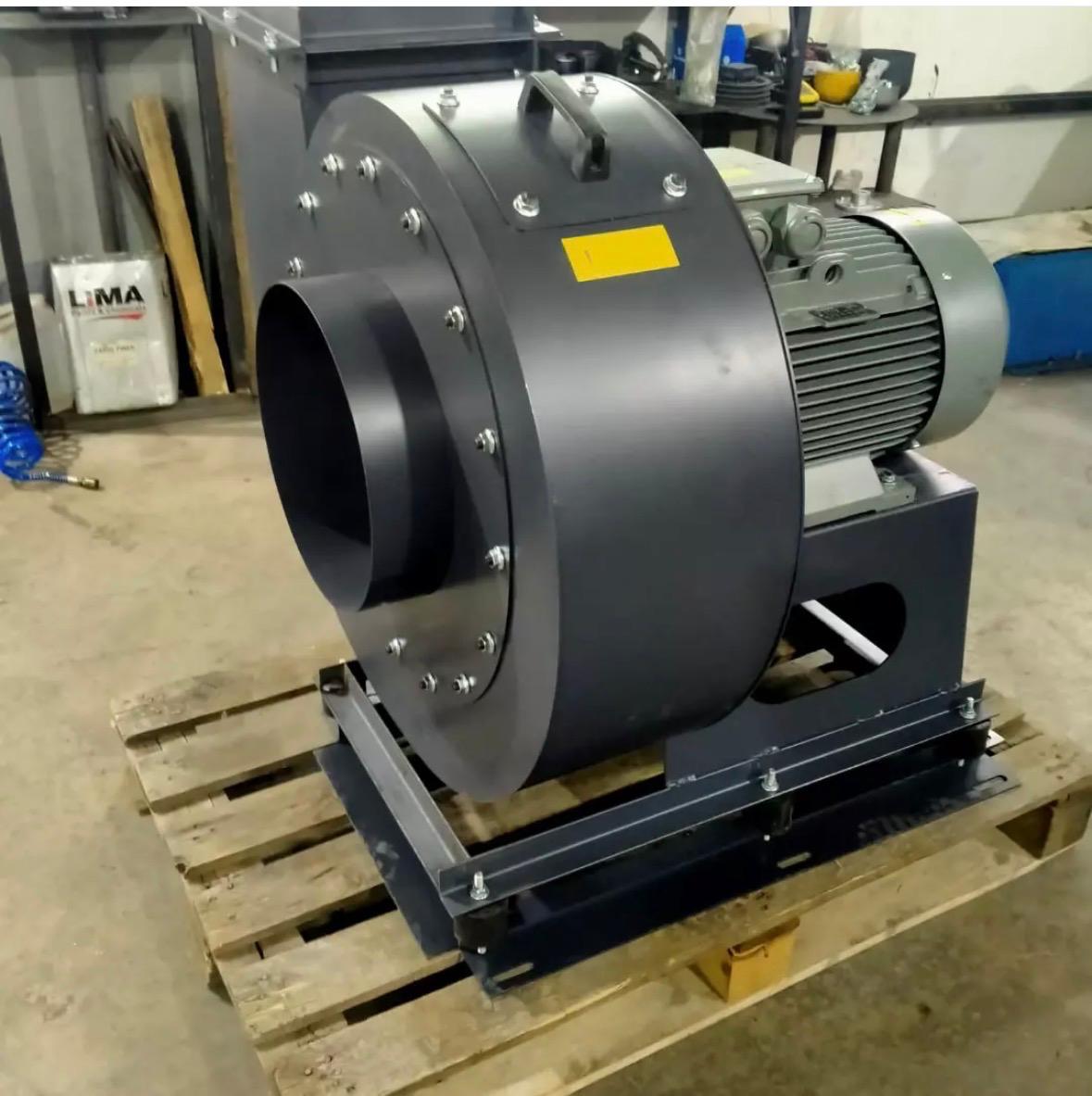
High-Speed Applications: Spindle, Centrifuge and Separator
Applications requiring high speed expect from the motor both precise speed control and low vibration and high efficiency. The IE5 synchronous reluctance motor, together with a drive, meets these expectations.
- Spindle (work spindle): Surface quality in machining requires stable, vibration-free and precise speed; low rotor heat reduces thermal drift.
- Centrifuge: Separation efficiency increases with speed; due to high inertia the start and brake strategy matters.
- Separator / decanter: Low loss and long life at continuous high speed are critical gains.
- High-speed blower / compressor: The efficient operating point at variable flow is captured with the drive.
| Application | Speed trend | Primary expectation | IE5 SynRM contribution |
|---|---|---|---|
| Spindle (work spindle) | High-very high | Precise speed, low vibration | Cool rotor, stable speed |
| Centrifuge | High | Separation efficiency | High efficiency, low loss |
| Separator/decanter | High | Continuous operation, life | Low rotor heat |
| High-speed blower | High | Efficiency at variable flow | Wide efficient range |
For savings at continuous load in pumps, fans and compressors, our savings with IE5 in pump, fan and compressor article, and for water and wastewater blower/pump selection, our IE5 water and wastewater treatment selection content deepen the topic.
Wide Speed Range with Field Weakening
In high-speed applications the motor is expected to run above its rated speed. This takes place in the field weakening region: above rated frequency the drive holds the voltage constant, weakening the flux (magnetic field) and increasing the speed. In this region power stays constant while torque decreases in inverse proportion to speed. Since the synchronous reluctance motor has no loss in the rotor, it is thermally advantageous even in the field weakening region.
- Below rated (constant torque): Flux constant, torque constant; the typical drive region.
- Above rated (constant power): Flux is weakened, speed rises, torque decreases.
- Drive control: The field weakening strategy is set with drive parameters.
For constant torque and cooling below 50 Hz, our running below 50 Hz article, and for efficiency superiority at partial load, our IE5 partial-load efficiency curve content are complementary.
Drive Requirement: SynRM Does Not Run Without a Drive
The most important rule of the synchronous reluctance motor: it cannot start directly from the grid; it must run on a suitable frequency drive (one supporting SynRM mode, with an encoder where needed). The drive keeps the motor in synchronism by tracking the rotor position and applies the field weakening strategy at high speed. For this reason the IE5 synchronous reluctance motor is always evaluated as a "motor + drive package".
- The drive must support the SynRM/reluctance motor control mode.
- Encoder feedback may be needed at high speed and for precise positioning.
- Motor parameters must be correctly identified to the drive with autotune.
- At high speed du/dt and bearing current measures (inverter-duty insulation) are important.
You can find why SynRM does not run without a drive in our why SynRM does not run without a drive article, drive parametering and autotune in our SynRM drive parametering content, and commissioning compatibility in our drive and installation compatibility article.
The Thermal Advantage of Low Rotor Losses
In a high-speed application, heat management is the key to success. In an asynchronous motor rotor losses (copper + iron) generate heat directly in the rotor; expelling this heat through the bearings and air gap is difficult. Since the synchronous reluctance rotor has no current-carrying conductor, rotor loss is very low; most of the heat forms in the stator and is expelled much more easily through the housing. The practical results:
- Bearing temperature drops; lubrication life and bearing life are extended.
- Thermal expansion decreases; precision (thermal drift) on the spindle improves.
- Higher speed or higher continuous load may be possible in the same frame.
- The insulation runs at a lower temperature; life is extended.
We cover why it is superior at partial load in our IE5 efficiency curve at partial load article, and maintenance and long-life management in our SynRM maintenance and fault management content.
Balancing and Vibration: Critical at High Speed
As speed increases, centrifugal forces grow with the square of the speed; therefore in high-speed motors the balancing (dynamic balancing) and vibration class gain critical importance. Even a small imbalance produces large vibration, noise and bearing wear at high speed.
- Balancing class: More precise balancing (e.g. with the half-key method) is needed at high speed.
- Vibration class: Low vibration (e.g. R/S class) is sought in precise work such as spindles.
- Bearing selection: A suitable bearing type, clearance and lubrication are essential at high speed.
- Avoiding resonance: The operating speed must be kept away from the system natural frequencies.
You can find speed stability and torque response under sudden load change in our SynRM torque response under sudden load change article, and the frame-power table and drive matching in our SynRM frame-power table content.
Start, Inertia and Brake Strategy in Centrifuge and Spindle
In high-speed applications not only efficiency but also the start and stop strategy affects motor selection. Especially in centrifuges the inertia of a full basket is very high; bringing this mass up to nominal speed requires a long acceleration time and pushes the current/torque limits of the drive. Likewise, on stopping, the energy of this high inertia must be dissipated somewhere; regenerative braking or a brake resistor is used. In a spindle application, frequent speed changes and precise positioning come to the fore.
- High-inertia start: The full-basket inertia in a centrifuge determines the start time and drive power.
- Controlled braking: The energy of stopping from high speed is managed with a regenerative drive or brake resistor.
- Precise speed change: Ramp times and positioning on a spindle are set with drive parameters.
- Thermal balance: Motor and drive heat must be monitored during frequent acceleration-deceleration.
To recover the energy generated during lowering/braking, our regenerative energy recovery and four-quadrant drive article deepens the topic. To find rated torque from kW and speed, our rated torque calculation content is practical.
How the Efficiency Advantage Reflects on Operating Cost
The high efficiency the IE5 synchronous reluctance motor offers makes a clear difference in operating cost, especially in continuous, long-hour high-speed applications. Since centrifuge, separator and continuous spindle lines run thousands of hours a year, even small gains at the efficiency points turn into meaningful savings over time. Moreover, the low rotor heat extends bearing and lubrication life, also reducing maintenance and downtime cost.
- Energy cost: High efficiency means a direct drop in consumption on continuously running lines.
- Maintenance cost: A cool rotor and bearings provide a longer maintenance interval.
- Partial-load superiority: Under variable load the SynRM efficiency curve is flatter than asynchronous.
- Total cost of ownership: Purchase price, energy and maintenance must be evaluated together.
You can find how to calculate the total cost of ownership (TCO) in our TCO in high-efficiency motors article, and the difference between nameplate and field efficiency in our nameplate and field efficiency difference content.
Selecting the Right IE5 Synchronous Reluctance Motor
A checklist for correct IE5 SynRM selection in a high-speed application:
- Determine the required speed range (below rated + field weakening) and the continuous/intermittent torque demand.
- Select a suitable drive supporting SynRM mode, with an encoder where needed, together with the motor.
- Define the balancing and vibration class by application at high speed.
- Plan suitable bearing and lubrication (oil or special grease where needed) at high speed.
- Add inverter-duty insulation and bearing current measures in drive operation.
- Evaluate continuous load and ambient temperature to verify the thermal advantage.
You can clarify in which application it makes sense to switch to IE5 in our IE5 ultra premium transition guide article, and the IE5 versus IE4 decision in our IE5 or IE4 content.
Frequently Asked Questions
Does an IE5 synchronous reluctance motor run directly from the grid?
No. A synchronous reluctance motor does not run without a suitable frequency drive that tracks the rotor position and keeps the motor in synchronism. For this reason it is always evaluated as a motor + drive package. The drive also applies the field weakening strategy at high speed and is supported by an encoder where needed for precise positioning.
What is the advantage of IE5 SynRM over asynchronous at high speed?
The most important advantage is low rotor loss. While rotor losses in an asynchronous motor increase with speed, raising heat and reducing efficiency, the synchronous reluctance rotor has no current-carrying conductor so it stays cool. This means higher efficiency, lower bearing temperature, less thermal drift (spindle precision) and longer life.
Why is balancing so important at high speed?
Because centrifugal forces grow with the square of the speed, even a small imbalance produces large vibration, noise and rapid bearing wear at high speed. For this reason precise dynamic balancing, a low vibration class, suitable bearing selection and avoiding resonance must be handled together in high-speed motors.
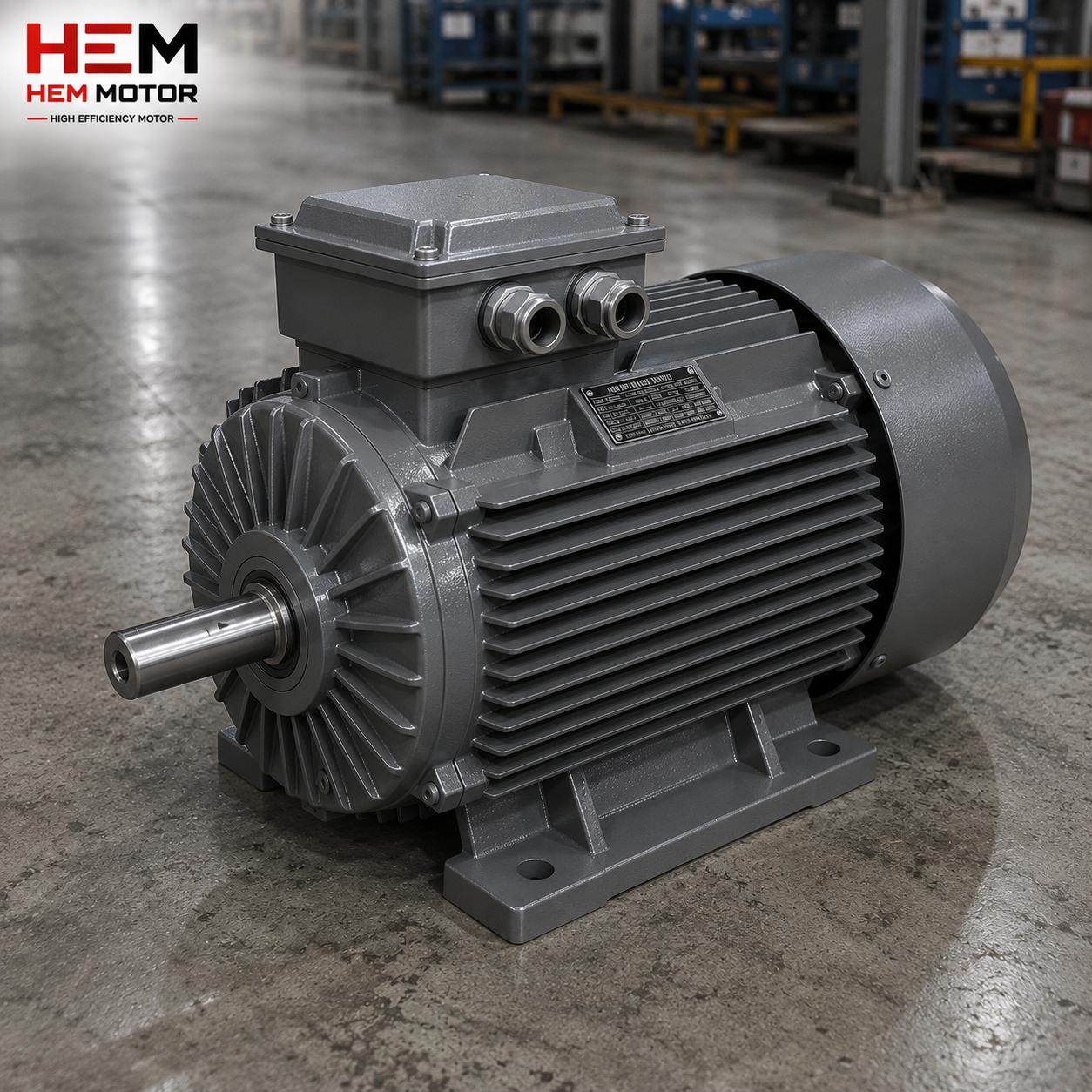
IE5 Synchronous Reluctance Supply with HEM Motor
For your spindle, centrifuge, separator and high-speed blower applications we offer IE5 ultra premium synchronous reluctance motors with suitable drive matching, balancing/vibration class and inverter-duty insulation options, with fast delivery from the manufacturer. Share your speed range, torque profile, environmental conditions and precision expectations; let us determine together the most accurate IE5 synchronous reluctance motor + drive package for your application. Contact us for stock and fast delivery, and request a quote tailored to your project.