English
 Türkçe

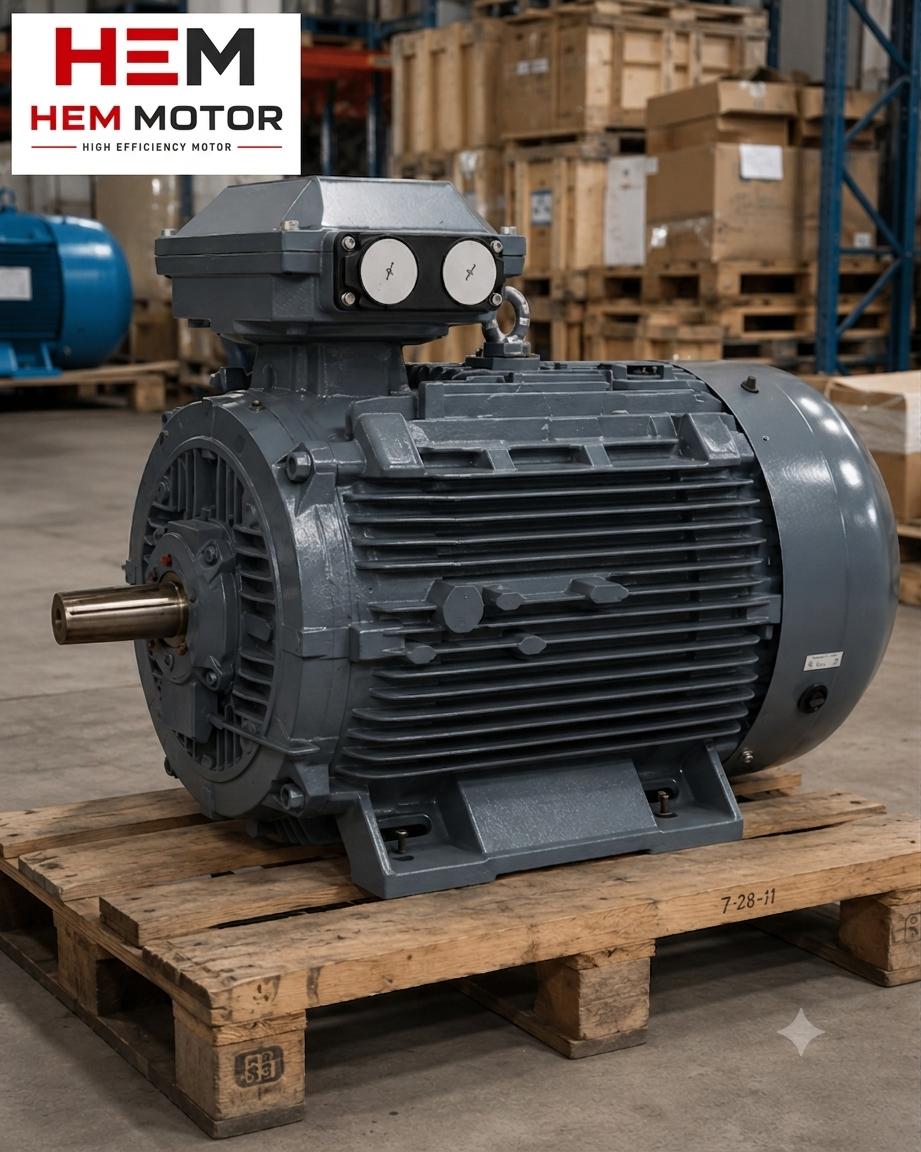

On a cast iron bodied electric motor, one of the most overlooked parts that directly determines the IP protection class is the terminal box cover gasket. No matter how robust the motor body or how high the winding quality, if the gasket under the terminal box cover is damaged, crushed or of the wrong type, dust and water reach the connection terminals directly. In this article we examine the terminal box cover gasket and its sealing: gasket types (NBR, silicone), the relationship of the cover gasket with IP55/IP65/IP66, methods to prevent water and dust ingress in dusty and humid environments, and what to watch for at the ordering stage. This article focuses directly on the cover gasket, separate from cable connection or cable gland selection.
What Is the Terminal Box Cover Gasket and Why Is It Critical?
The terminal box is the compartment where the motor's winding leads come out and the supply cable is connected. The cover over this compartment, together with its gasket, isolates the compartment from the external environment. The cover gasket makes the contact surface between the cover and the box body leak-tight. When the gasket does not seat properly, the protection effectively drops regardless of the box's own IP rating.
We covered the general sealing of the terminal box and correct cable gland selection in our article on the terminal box and cable connection. Here we deepen the topic specifically around the cover gasket, because even if the cable entry (gland) side is sealed, the protection chain breaks if the cover gasket is defective.
In practice, an overlooked cover gasket problem lies at the root of many field motor failures. Moisture seeping into the box can, over time, cause oxidation on the terminal screws, weakening of the insulation material and finally a short circuit. This process often progresses silently; it may give no warning until the motor suddenly stops one day. Yet a regular gasket check prevents most such failures from the start. We covered why cast iron bodied motors are preferred in harsh environments and their body strength in our impact resistance and frame rigidity article; but even the most robust body cannot deliver its expected life if the sealing chain is incomplete.
The Three Links of the Sealing Chain
In a terminal box, sealing is provided at three points: the cable entry gland, the mounting surface of the box to the body, and the cover gasket. If one of these three links is weak, the whole box drops to the protection level of its weakest link. Because the cover is the most frequently opened and closed part, the cover gasket is the link most often damaged during maintenance and commissioning. We explained the general IP protection logic in detail in our article on IP protection class selection for an electric motor.
Gasket Types: NBR and Silicone
The two most common materials for terminal box cover gaskets are NBR (nitrile rubber) and silicone. Each has its own advantages and limits; the correct choice is made according to the environment in which the motor will operate.
NBR (Nitrile Rubber) Gasket
NBR gasket offers good resistance to oil and many industrial fluids and operates over a wide temperature range. It is widely preferred in oily, greasy and general industrial environments. On many standard cast iron motors the cover gasket is NBR-based. We covered general sealing selection in oily and dusty environments in our oil seal and sealing article.
Silicone Gasket
The silicone gasket stands out for its high and low temperature resistance; it is particularly preferred in hot environments and facilities with wide temperature swings. Its ability to retain flexibility for a long time is an advantage in maintenance-intensive applications where the cover is opened and closed many times. We deepened insulation class and material selection in hot and dusty environments in our motor in a hot and dusty environment article.
The flexibility of silicone becomes a critical advantage in environments with wide temperature swings. In open-field facilities with large day-night temperature differences, or in motors operating near a furnace, the gasket continually expands and contracts; silicone withstands this cycle better than NBR and preserves sealing for longer. On the other hand, silicone is not as resistant to some oil and fuel types as NBR, so NBR again comes to the fore in oily environments. Correct material selection requires evaluating the temperature and chemical profile of the environment together. We covered motor power reduction (derating) at high ambient temperature in our cast iron motor at high ambient temperature article.
Relationship Between the Cover Gasket and IP Protection Class
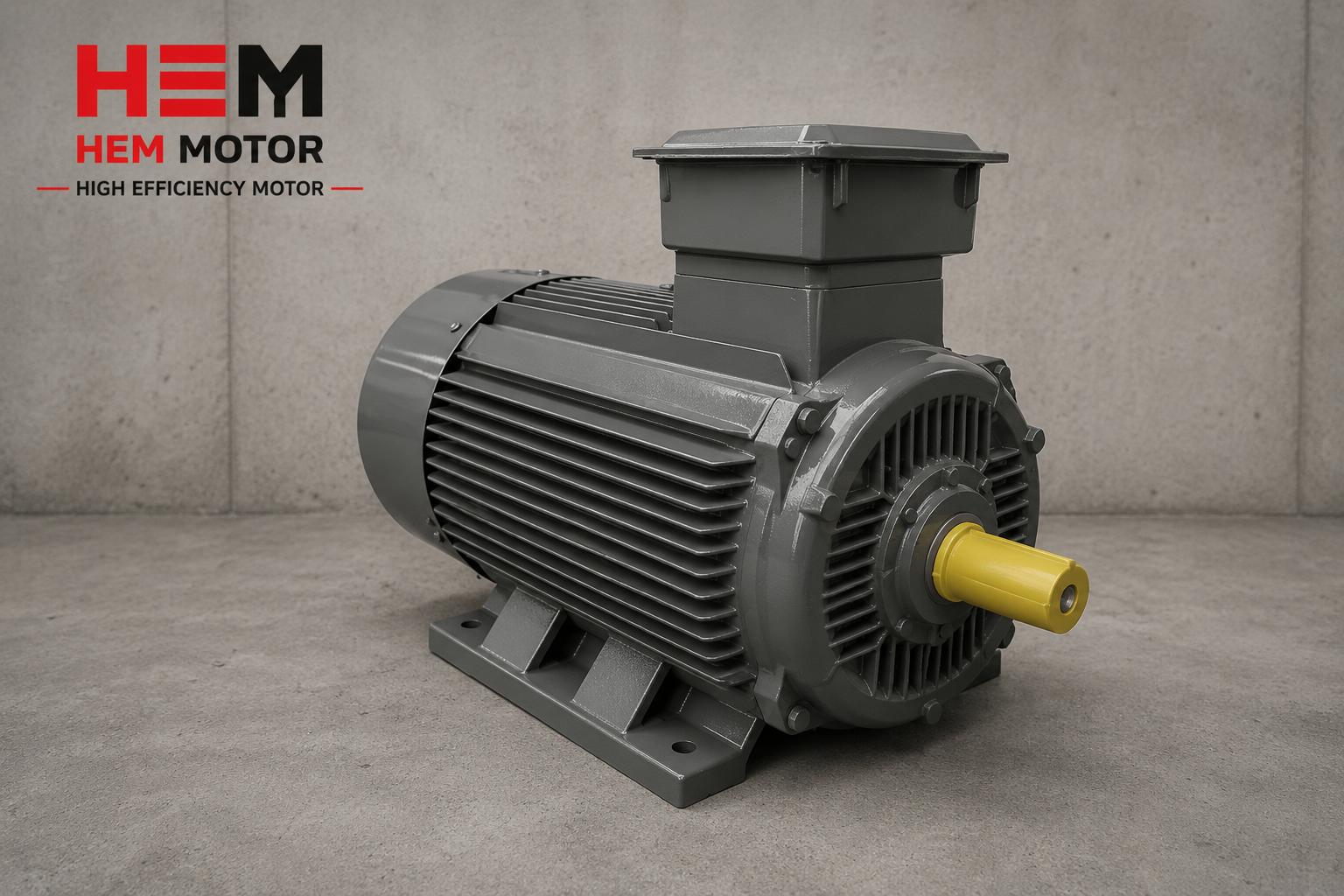
In the IP protection code the first digit defines solid-object/dust ingress and the second digit defines water ingress. The terminal box cover must carry its own sealing independently of the motor body IP class, because the internal connections are here. The cover gasket is the determinant of this box IP class.
IP55: Standard Dust Protection
IP55 provides partial protection against dust and protection against low-pressure water jets from all directions. It is the common protection level of standard cast iron motors in general industrial conditions. At this level, proper seating of the cover gasket and even tightening of the cover bolts are essential.
IP65 and IP66: Dust-Tight and Strong Water Jets
IP65 provides full protection against dust (dust-tight) and protection against low-pressure water jets; IP66 provides protection against strong water jets. In dusty, humid, outdoor and washdown environments, an upgrade from standard IP55 to IP65/IP66 may be required. We explained how this upgrade is done in our IP65/IP66 protection upgrade article. In this upgrade, the cover gasket material and the quality of the compression surface play a decisive role.
In washdown and hygienic facilities, an even higher protection such as IP69K may be involved; we covered these applications, which require protection against high-pressure washing, in our IP69K washdown article. At these levels the terminal box and cover gasket must be specially selected.
Preventing Water and Dust Ingress in Dusty and Humid Environments
Water or dust entering the terminal box in a dusty and humid environment creates the risk of short circuit, insulation weakening and corrosion. The way to prevent these risks is to correctly build the entire sealing chain, starting with the cover gasket.
Condensation Risk
In a humid environment the most insidious problem is condensation: when the motor cools, the moisture inside the box can condense into water droplets. Even if the cover gasket prevents water ingress from outside, condensation water accumulating inside is also a risk. For this reason many cast iron motors have a condensation drain hole; we covered the topic in our condensation drain hole article. We examined preventing condensation with a space heater in a humid environment in our tropicalization and humidity protection article.
Sealing in Dusty Environments
In dusty environments, especially in sectors such as cement, mining, stone crushing and flour-feed, fine dust can seep in through even the smallest gap in the cover gasket. We detailed dust sealing and IP65/66 protection on crusher motors in our dust sealing on crusher motors article. In these environments, regular inspection and, when necessary, replacement of the cover gasket is critical for motor life.
Cover Gasket Maintenance and Correct Installation
Because the cover gasket is the most frequently opened part of the box, it is the sealing element most often damaged during maintenance and commissioning. Correct seating of the gasket and correct tightening of the cover are essential to preserve the box IP class.
Even Tightening of the Cover Bolts
The cover bolts must be tightened evenly and in a cross (diagonal) sequence; otherwise the gasket is compressed too much on one side and too little on the other, and the sealing is broken. Over-tightening crushes the gasket, causing permanent deformation, while under-tightening leaves a gap. We covered the importance of tightening torque in terminal connections in our cable connection and tightening torque article.
Gasket Replacement and Incoming Inspection
If the gasket is crushed, cracked or hardened, it must be replaced; refitting the old gasket does not guarantee sealing. When receiving a new motor, check that the cover gasket is in place, intact and of the correct type. We compiled the incoming and acceptance inspection in our incoming and acceptance inspection article. We explained selecting the terminal box orientation and cable entry side according to the panel side in our terminal box orientation article.
The Cover Gasket and Sealing at the Ordering Stage
When ordering a cast iron motor, the cover gasket and the required IP class are matters to be clarified from the start. Is standard IP55 sufficient, or does the environment require IP65/IP66? Is the environment oily, hot, dusty or humid? These questions determine the gasket material (NBR/silicone) and the box selection.
We covered the durability of the cast iron body in dusty and harsh environments, compared with the aluminium body, in our cast iron vs aluminium body article. We examined the corrosion protection and open-field use of cast iron motors in our corrosion protection and open field article. The correct box, gasket and IP class selection directly affects the field life of the motor.
Frequently Asked Questions
Does the motor's IP protection drop if the terminal box cover gasket fails?
Yes. IP protection is determined by the weakest link. If the cover gasket is crushed, cracked or seated incorrectly, the actual protection of the terminal box drops regardless of the motor body IP class. Dust and water can reach the connection terminals directly. That is why gasket maintenance is an inseparable part of preserving the protection class.
Should I choose an NBR or a silicone gasket?
The choice depends on the environment. In oily and general industrial environments an NBR (nitrile) gasket is common and suitable. In applications with high temperature, wide temperature swings or frequent cover opening and closing, a silicone gasket may last longer. We recommend sharing the environmental conditions in which the motor will operate before ordering.
Can I upgrade an IP55 motor to IP65/IP66 by changing the cover gasket?
The cover gasket is an important part of this upgrade but is not sufficient on its own. For IP65/IP66, in addition to the cover gasket, the entire sealing chain — cable entry gland, body sealing and, if needed, condensation drainage — must be compatible. The soundest path is to specify the required IP class from the start and supply the motor in that class.
Get a Quote
If you want to determine together the correct cover gasket, sealing and IP protection class for your cast iron bodied motor that will operate in a dusty, humid or harsh environment, the HEM Motor expert team is at your side. Share the environmental conditions, the required IP class and your application details; let us select the right motor for your needs together. To get a quote, reach us at +90 (532) 345 49 86 or write to us via our contact page. You can explore our product family on our cast iron bodied motors and high-efficiency motors pages, and the full range on our homepage.
Pre-Order Checklist
- Has the environment (oily / hot / dusty / humid) in which the motor will operate been defined?
- Was the required IP protection class (IP55 / IP65 / IP66) specified from the start?
- Was the gasket material (NBR or silicone) selected according to the environment?
- Were the cover gasket, cable gland and body sealing evaluated as a whole?
- In a humid environment, were condensation drainage and, if needed, a space heater planned?
- At delivery, was the cover gasket checked to be intact, of the correct type and in place?