English
 Türkçe


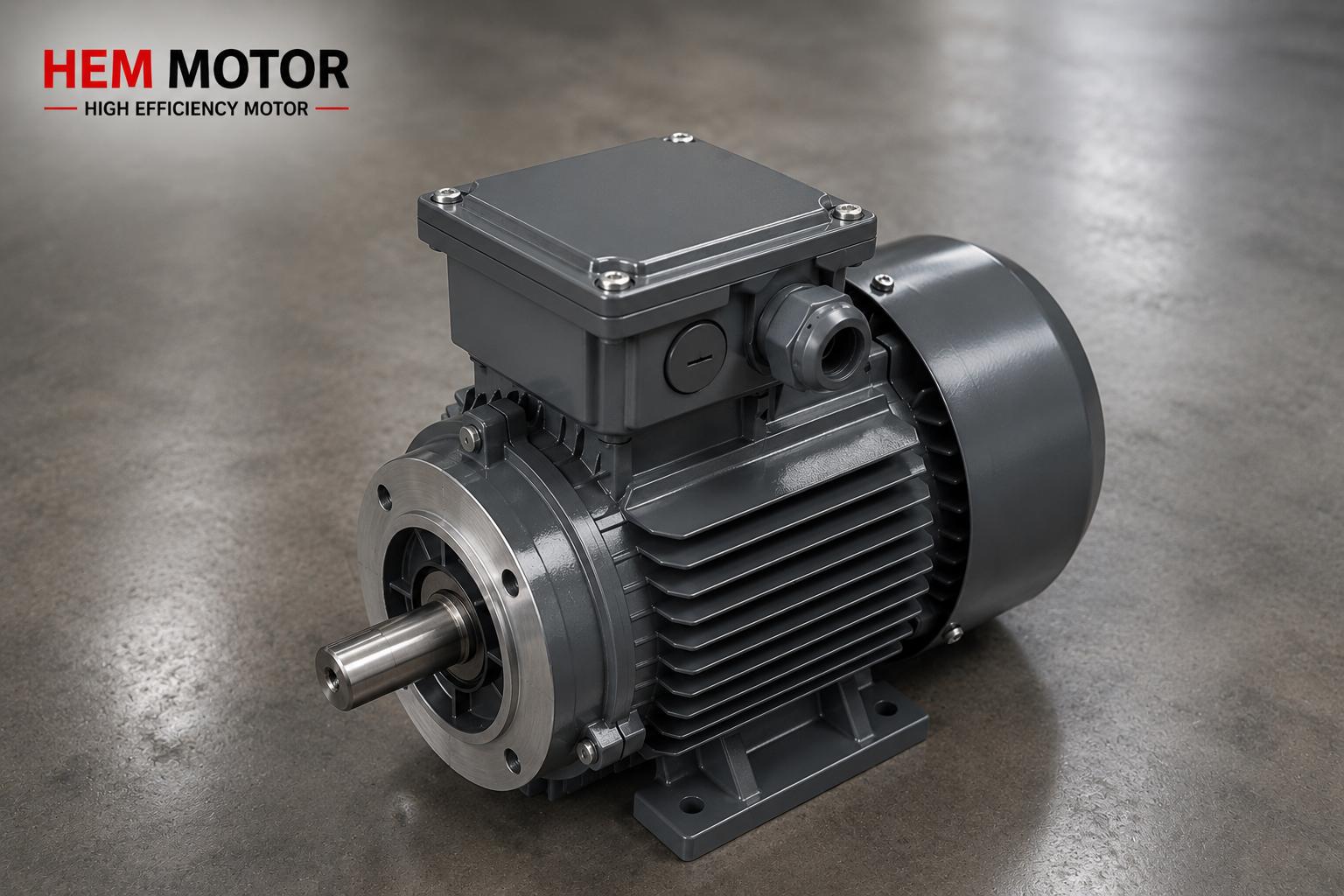

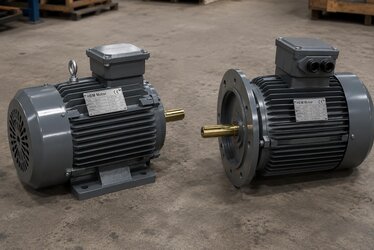
Cast iron body electric motors are products that can run trouble-free for years thanks to their high mechanical strength and long service life. This longevity also raises the value of cast iron motors in the second-hand and refurbished (overhaul) market: while repairing a small aluminium-body motor is often not worthwhile, if the body of a cast iron motor is sound, parts such as the winding and bearings can be renewed and the motor can serve “like new.” So, as a buyer, does it make sense to buy a second-hand or refurbished cast iron motor? In this article we cover, conceptually, what is checked during an overhaul, the risks of second-hand units, the new-versus-overhaul decision and the warranty difference — framing the decision correctly without quoting concrete prices.
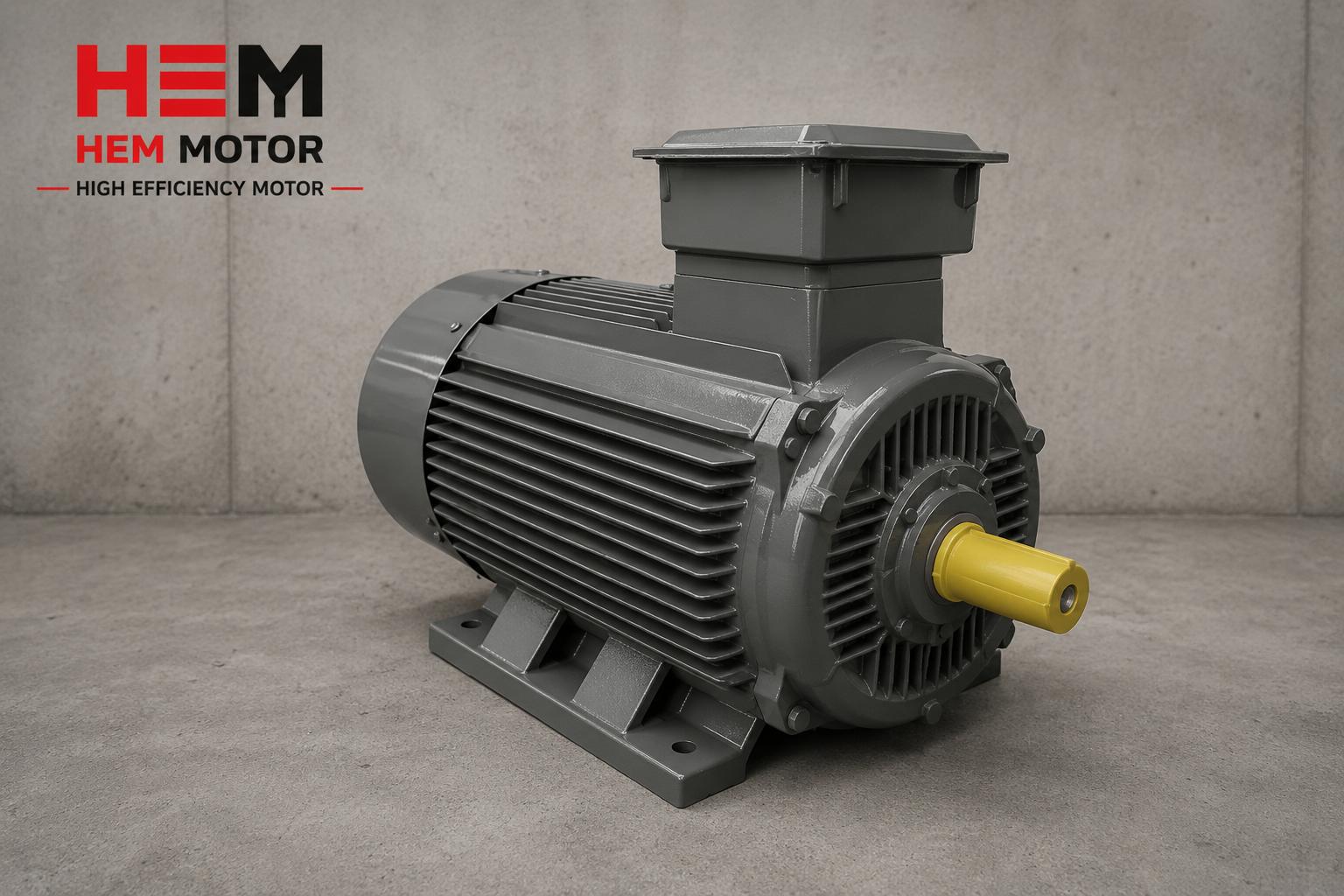
Why a Cast Iron Body Raises Second-Hand Value
A cast iron body offers far higher rigidity, impact resistance and dimensional stability than aluminium. The body keeping its form over the years means preserving the body-stator integrity, which is the most expensive and hardest-to-replace part of the motor. We covered the basic differences between cast iron and aluminium bodies in Cast Iron or Aluminium Body?, and the importance of body rigidity under impact loads in Impact Resistance and Body Rigidity in a Cast Iron Motor.
Thanks to this structure, the body of a cast iron motor with a burnt winding or worn bearings is still sound; therefore overhauling it and returning it to the production line can be economical. For small aluminium motors, buying new is usually the better option; we examined that comparison in Rewind or Buy New?.
What Is an Overhaul and What Does It Cover?
An overhaul means dismantling a used motor, inspecting it, replacing worn or damaged parts and returning it to working order. A good overhaul generally covers these steps:
- Winding inspection and rewinding if needed: If the insulation resistance is low or the winding is burnt, it is rewound.
- Bearing replacement: Bearings are usually renewed as standard; we covered the importance of bearing and journal life in Bearing and Journal Life in Cast Iron Motors.
- Shaft inspection: It is checked for bend, scoring or keyway crushing; we covered shaft material and quality in Shaft Material and Steel Grade in a Cast Iron Motor.
- Body crack and casting check: The body is examined for cracks, corner porosity or machining damage.
- Bearing housing check: If housings are worn, a sleeve reinforcement may be needed.
- Painting and commissioning tests: Insulation (megger), no-load run and vibration check.
Insulation, rotation direction and vibration checks at acceptance are essential for an overhauled motor too; we explained these steps in Electric Motor Incoming Acceptance Inspection.
Critical Inspection Points in an Overhaul
1) Winding and Insulation
In a rewound motor, workmanship quality is everything. A poor rewind leads to efficiency loss, heating and early failure. We detailed the effect of rewinding on efficiency in Rewinding an IE3 Motor: Efficiency Loss, and the similar case for IE4 in Rewinding an IE4 Motor.
2) Bearings and Housings
Even if bearings are renewed, the housings must not be worn; a worn housing causes even a new bearing to fail quickly. For the right bearing number and grease selection see Oil Seal and Sealing in a Cast Iron Motor.
3) Shaft and Key
If the shaft is bent or the keyway is crushed, coupling and pulley connections degrade and vibration rises. We covered shaft-key-coupling matching in Shaft Diameter, Key and Coupling in a Cast Iron Motor.
4) Body Crack
Although cast iron is robust, micro-cracks can form from impact or improper lifting. If there is a crack, that motor should not be overhauled. We explained reading casting quality from porosity and wall thickness in Casting Quality in a Cast Iron Motor.
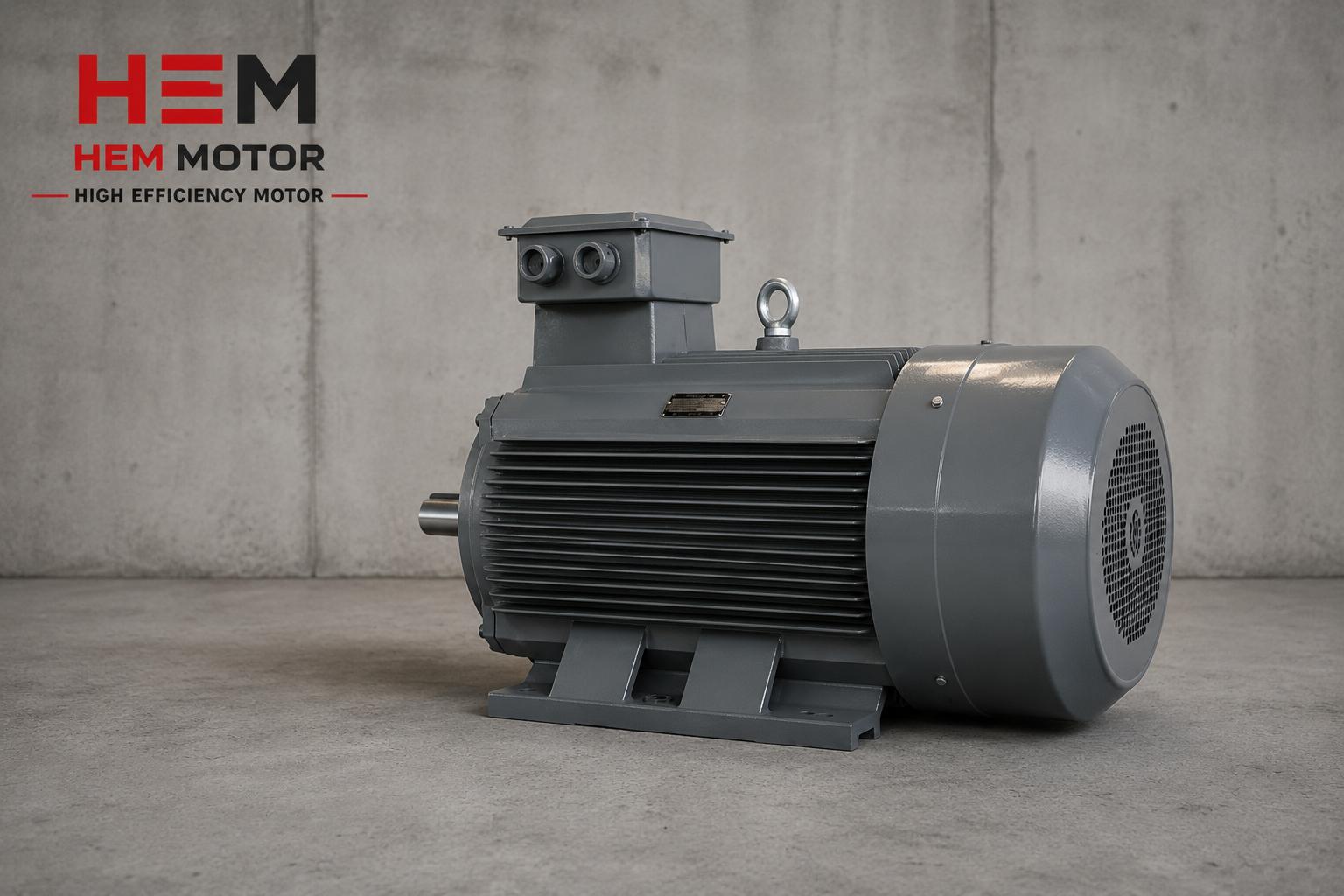
Risks of a Second-Hand Motor
Although a second-hand cast iron motor may look attractive, it carries risks for the buyer:
- Unknown history: How many hours the motor ran, how many times it burnt out and in what environment it was used are usually undocumented.
- Hidden damage: A motor that looks sound externally may have moisture in the winding, wear in the bearings or a hidden shaft bend.
- Efficiency uncertainty: If it was previously rewound, the efficiency class may have dropped; the IE class on the nameplate may no longer be valid.
- No warranty: Undocumented second-hand sales usually come without warranty.
- Fit risk: Mounting dimensions, shaft diameter or flange type may not exactly fit your machine.
We also covered the cost-risk comparison between second-hand and new stock motors in Is Buying a Second-Hand Electric Motor Sensible?.
New or Overhaul? A Decision Framework
This decision cannot be reduced to a single answer; it depends on the application and the motor’s condition. In general, this framework helps:
- In favour of new: If the efficiency class is critical (continuous, high-runtime application), if savings from motor efficiency are expected, or if warranty and reliability are priorities in continuous production.
- In favour of overhaul: If the body is sound and expensive (high power, special frame), if the motor runs few hours, if an urgent replacement is needed and the overhaul is done in a quality, documented workshop.
- In favour of second-hand: Only for motors with documented, tested history and verified fit; for non-critical, spare-purpose use.
We covered the role of efficiency class in the transition decision in Switch to IE4 or Stay on IE3?, and supply planning for high-power motors in Supplying High-Power Motors Above 90 kW.
The Warranty Difference
A new motor comes with a manufacturer warranty that covers material and workmanship defects. For overhauled motors, the warranty is limited to the workmanship warranty given by the overhaul workshop and is usually shorter. Undocumented second-hand units usually have no warranty. We detailed warranty scope in What Does an Electric Motor Warranty Cover? and service-network checks in Electric Motor Warranty and Service Network.
What Happens to the Efficiency of an Overhauled Motor?
The effect of an overhaul on efficiency depends especially on whether rewinding was done. If the body, shaft and bearings are sound and only the bearings were replaced, the motor efficiency is largely preserved. However, if the winding was rewound, the situation is different:
- Lamination thermal damage: When the stator is heated to remove the burnt winding, the lamination insulation can degrade; this increases iron losses and lowers efficiency.
- Winding wire gauge and layout: If a wire gauge or winding layout different from the original is used, copper losses may increase.
- Validity of the nameplate class: After a poor rewind the motor may no longer meet the IE class on the nameplate; even if the nameplate stays the same, the real efficiency may have dropped.
For this reason, in continuous, high-runtime, efficiency-critical applications a new motor is usually more correct than rewinding. We covered the efficiency loss of rewinding in Rewinding an IE3 Motor: Efficiency Loss, and the difference between nameplate and field efficiency in Nameplate vs Field Efficiency.
Mounting and Dimension Fit: Reducing Replacement Risk
The most common problem when fitting a second-hand or overhauled motor to your machine is dimensional mismatch. Even a sound motor is useless if it is the wrong size. Items to check:
- Frame size: The foot-hole spacing and shaft centre height (H dimension) must be the same as the old motor.
- Shaft diameter and length: The shaft diameter and key dimension must match exactly for the coupling or pulley to fit.
- Mounting type (B3/B5/B35): The flange type and hole dimensions must fit the machine connection.
- Terminal box orientation: The cable entry side must suit the panel side.
We explained the importance of shaft height and axial alignment in replacement in Shaft Height (H Dimension) in a Cast Iron Motor, and replacing an old-brand motor with an equivalent in Direct Replacement of an Old-Brand Motor.
Total Cost: Not Just the Purchase Price
Although a second-hand or overhauled motor may look cheap at the moment of purchase, the total cost of ownership may turn out differently. Items to factor in:
- Possible early failure and downtime: If a motor with uncertain history fails early, the production downtime cost can far exceed the purchase-price difference.
- Energy cost: A motor with reduced efficiency spends more energy over its life, eating up the initial cost advantage.
- No service or warranty: If there is no warranty cover in case of failure, the entire repair cost falls on the buyer.
We covered how total cost of ownership is calculated in Total Cost of Ownership (TCO) for High-Efficiency Motors, and the imported-versus-domestic-stock comparison in Imported Motor or Domestic from Stock?. Therefore the decision should be made by life-cycle cost, not just the sticker price.
Which Motors to Overhaul, Which to Buy New?
As a general guide: for small-power, aluminium-body, mass-produced motors, buying new is usually both economical and fast. By contrast, for high-power, cast iron or special-frame motors with a long lead time, overhaul can be sensible; because the body value is high and new supply can take a long time. We covered supply planning for high-power motors in Supplying High-Power Motors Above 90 kW, and the logic of buying new at small power in Rewind or Buy New?.
Frequently Asked Questions
Does it make sense to buy a second-hand cast iron motor?
It is conditional. If the body is sound, the motor history is documented, insulation and vibration tests have been done and the mounting dimensions fit your machine, it can make sense for non-critical or spare applications. The risk is high for untested motors with unknown history.
What should I pay most attention to in an overhaul?
Four items: no crack in the body, a quality rewind, sound bearings and housings, and no shaft bend or keyway crushing. If these four are in order, an overhauled cast iron motor can serve for a long time.
Will an overhauled motor have the same efficiency as a new one?
Usually not. Especially if it was rewound, there may be some efficiency drop depending on workmanship quality, and the IE class on the nameplate may no longer be fully valid. For continuous, efficiency-critical applications, a new motor is usually the better choice.
Get a Quote for the Right Decision
If you are unsure whether second-hand, overhaul or a new cast iron motor suits your need, share your application, runtime and mounting dimensions, and let us determine the most correct and reliable solution together. HEM Motor is at your side for supplying new cast iron motors from stock.
Phone: +90 (532) 345 49 86 — reach us via our Get a Quote page; review the cast iron range in our Cast Iron Body Motors category and all products on our home page.
Checklist: Second-Hand / Overhauled Cast Iron Motor
- Is there any crack, corner porosity or machining damage in the body?
- Has the winding been rewound, and was an insulation (megger) test done?
- Have the bearings been renewed and are the housings sound?
- Is there shaft bend, scoring or keyway crushing?
- Is the motor history (runtime, burnouts) documented?
- Do the mounting dimensions, shaft diameter and flange type fit your machine?
- Was the overhaul done in a documented workshop, and is a warranty given?
- Is the application efficiency-critical; if so, is a new motor the better choice?