English
 Türkçe


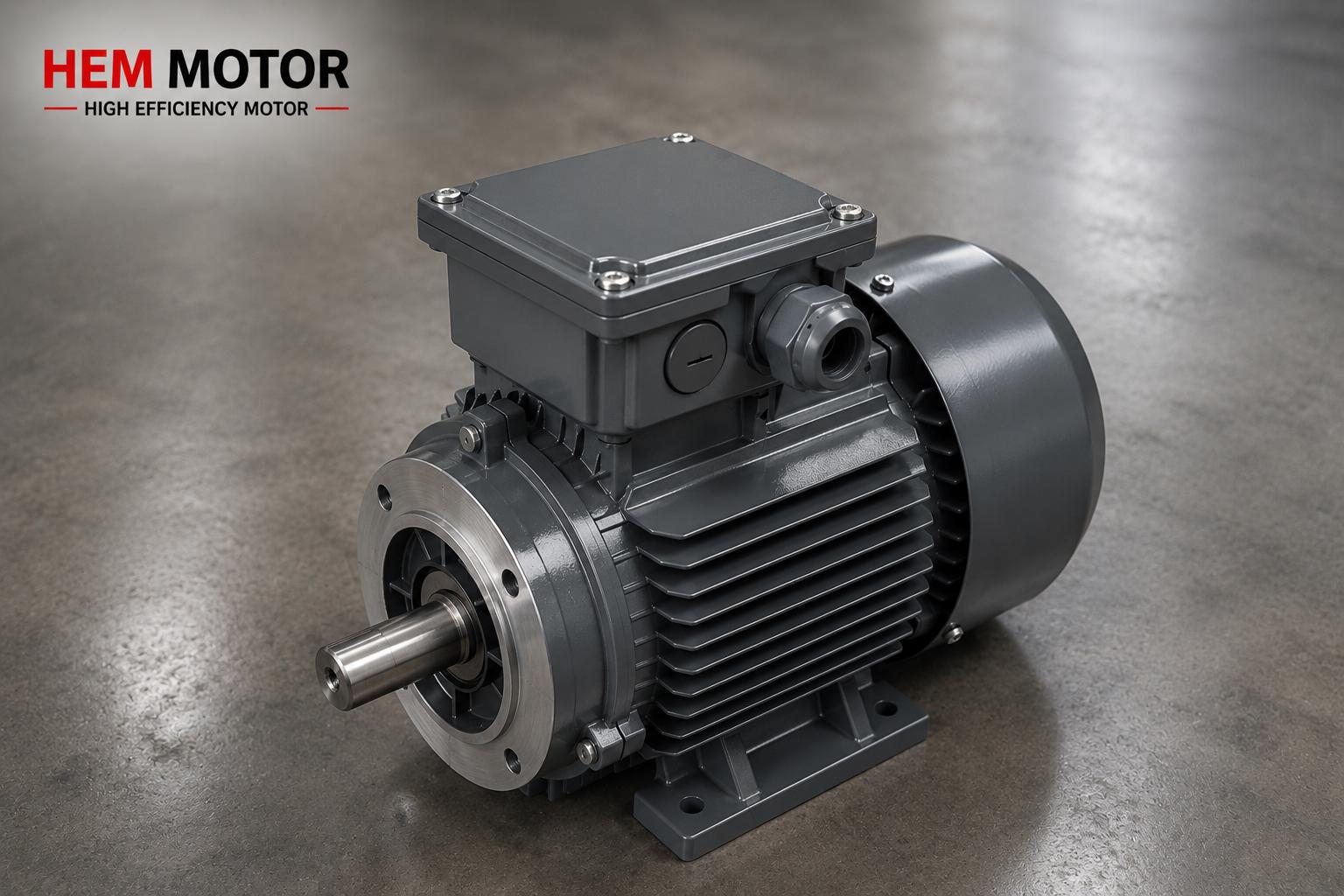

When most buyers pick up a cast-iron-bodied electric motor, they look first at the rating plate; yet the marks, numbers and symbols cast into the frame carry just as much information as the label. Permanently impressed into the frame during casting, this casting mark and number let you trace which mold, which casting batch and which production period the motor came from. This chain, known as traceability, is the signature of a quality supplier: when a problem arises, the batch can be traced back, warranty and return processes run smoothly, and counterfeit or low-quality castings can be identified. In this article we explain what the casting mark and number on a cast-iron motor frame mean, why batch/casting traceability matters, and how a buyer should inspect against these marks at delivery. (This article makes no fixed-price or numeric promise.)
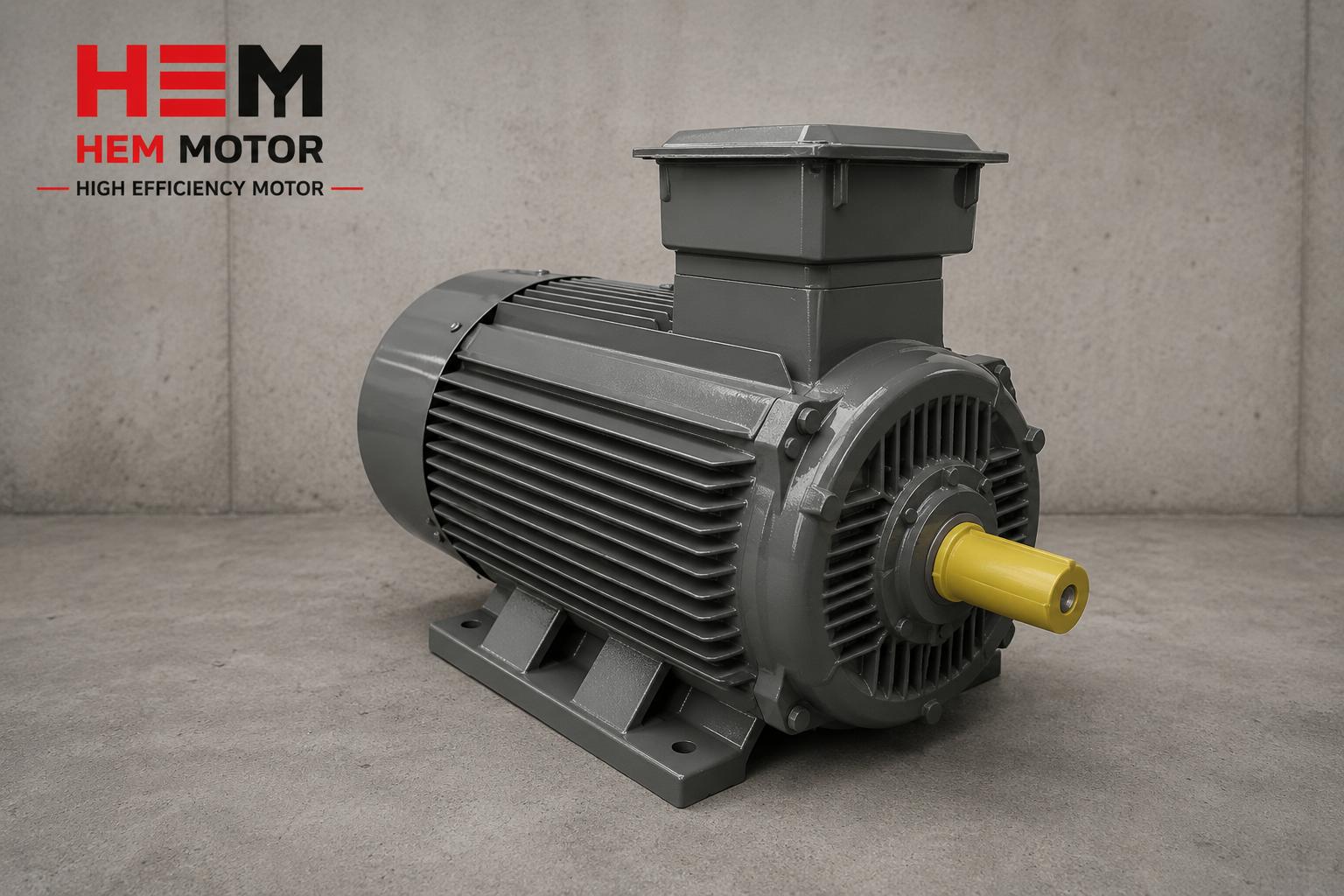
What Is the Casting Mark and Number on the Frame?
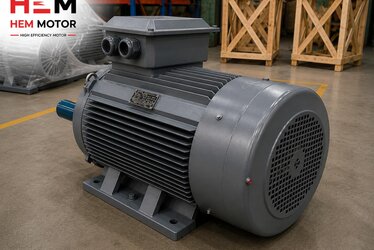
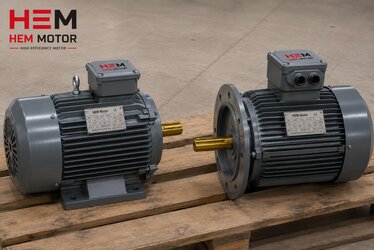
A cast-iron frame is produced by pouring molten iron into a mold. The raised letters and numbers placed inside the mold transfer permanently to the metal as the frame solidifies. That is why you see marks on the frame that cannot be wiped off, are not engraved, and are integral to the casting: a casting batch number, a mold/pattern number, a material-grade mark, sometimes a production-date code, and a stamp identifying the foundry. These are not applied afterward like a label; they are part of the frame itself and are therefore very hard to tamper with.
These marks serve a different purpose than the data on the label. The label gives the motor's electrical ratings (kW, speed, voltage, current), whereas the casting mark carries the physical identity and production history of the frame. To assess casting quality visually, our casting quality in cast-iron motors: porosity, wall thickness article is a complement.
What Information Does the Casting Number Contain?
The casting number carries a coding that varies by manufacturer; however, it usually helps decode which casting batch (melt/pour session) it was produced in, which mold/pattern was used and the material grade. In cast iron, the material grade determines the mechanical strength of the frame. We addressed the difference between EN-GJL grades (GG20/GG25) and their effect on frame quality in cast-iron frame EN-GJL grade (GG20/GG25) difference. Our frame size and power matching in cast-iron motors explains frame-power matching.
Why Does Batch/Casting Traceability Matter?
Traceability is the ability to follow a product back up the production chain. For a cast-iron motor, this means being able to read back from the number which casting batch the frame came from. Why does this concern the buyer? Because, although rare, batch-level problems can occur in casting: a batch may show a chemical-composition deviation, porosity or a wall-thickness issue. Thanks to the number, all frames from the same batch can be identified and the issue contained before it spreads.
A quality manufacturer keeps a record of every casting batch. This is a sign of a serious quality assurance (QA) process. To assess casting quality physically, you also need to look at machining and tolerance marks; we examined this in machining, tolerance and concentricity in cast-iron motor frames. For the rib design that affects frame rigidity, our rib design in cast-iron motor frames is a quality-mark guide.
Warranty, Return and the Chain of Responsibility
When a frame-related problem arises in a motor, the casting number is the backbone of the warranty and return process. The manufacturer finds the batch via the number and determines whether the issue belongs to a single frame or to the batch. On a frame without a number or with the mark ground off, this chain breaks and responsibility becomes unclear. To read these marks at delivery and acceptance, our transport, packaging and stacking of cast-iron motors article and, for general acceptance inspection, our electric motor incoming and acceptance inspection article are guides.
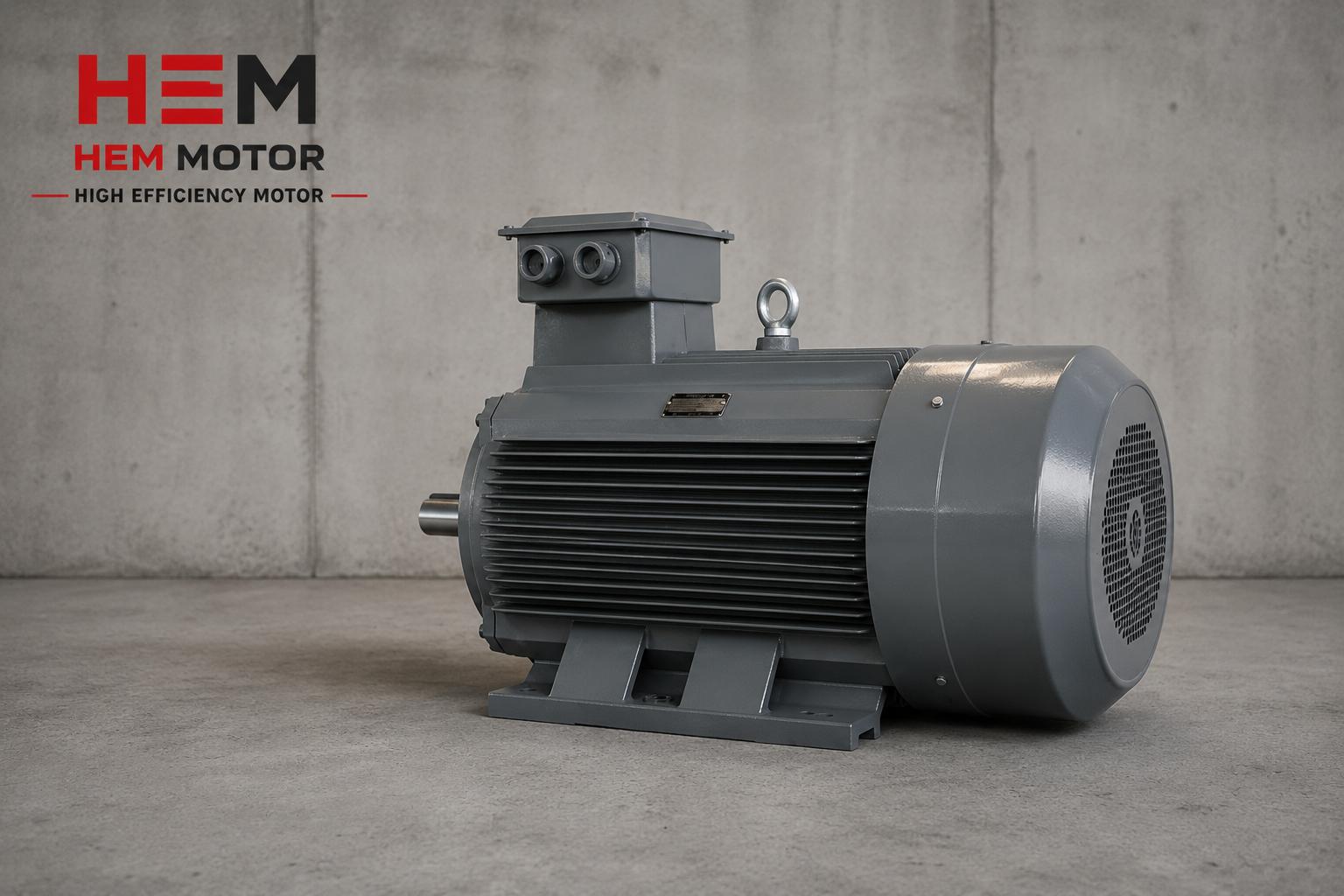
Telling Counterfeit and Low-Quality Castings from the Marks
Low-quality or unsourced cast frames occasionally circulate in the market. The first step in spotting them is to look at the marks. Points to watch: are the marks clear and cast in the mold, or engraved or ground off afterward? Is there grinding or covering evidence on the surface bearing the number? Are the marks that should be consistent for the same model actually consistent? Low-quality casting often comes together with hidden marks, because a frame without traceability creates no liability.
Casting quality should also be assessed physically. Marks such as porosity, wall thickness and surface quality matter. For material and shaft quality, see shaft material and steel grade (C45) in cast-iron motors; for the choice between cast iron and aluminum frame, see cast iron or aluminum frame?. Our second-hand and refurbished value in cast-iron motors article addresses the value of casting marks on used and refurbished frames.
OEM and Custom Coding Requests
Some buyers (especially machine builders) want their own batch or brand codes on the frame. This extends traceability to the customer side in OEM supply processes. We examined custom coding and color requests in RAL color and custom paint selection in cast-iron motors. The flange type and mounting dimensions must also be correct on the frame; for that, our flange type (FF/FT) and hole dimensions in cast-iron motors is a resource.
What Should a Buyer Check at Delivery?
When you receive a batch of motors, a quick check against the casting marks confirms traceability in the field. The marks on frames from the same order are expected to be consistent, batch numbers legible, and free of engraving/erasure evidence. For frame weight and handling, our cast-iron motor frame sizes (IEC 56-355): weight and handling; for shaft height and axial alignment, our shaft height (H dimension) in cast-iron motors is useful.
You can review our product range under our cast-iron body motors and efficient electric motors categories, and reach more content from our home page. You can find why cast iron is preferred in heavy-duty applications such as conveyors in cast-iron heavy-duty conveyor drive motor.
The Place of the Casting Mark in the Production Process
To understand why traceability is impressed onto the frame by casting, it helps to look briefly at the casting process. In cast-iron frame production, molten iron is poured into a mold and solidifies there. The raised numbers and letters placed on the pattern inside the mold transfer to the frame as the metal cools. That is why the casting mark is not something added afterward like a label; it is part of the frame from the moment it leaves the mold. The manufacturer records, for each casting session (batch), which pattern was used, which material recipe was poured and which frames came from that batch. This record provides the ability to trace back when a quality query arises later.
After casting, the frame is machined: bearing seats, foot surfaces and flange faces are brought to precise dimensions by machining. The quality of this machining step is as important as casting quality; because a poorly machined frame, even if well cast, can spoil shaft alignment and bearing life. You can find the effect of machining tolerance on quality in machining, tolerance and concentricity in cast-iron motor frames, and bearing and seat life in bearing and seat life in cast-iron motors.
Material Grade and Mechanical Strength
The material grade associated with the casting number determines the frame's mechanical behavior. Common grades in cast iron (for example GG20/GG25 or their EN-GJL equivalents) differ in tensile strength and vibration-damping. A higher-strength casting grade is preferred for heavy impact loads. We examined this difference and the selection logic in cast-iron frame EN-GJL grade (GG20/GG25) difference. You can find why impact resistance and frame rigidity matter in impact resistance and frame rigidity in cast-iron motors.
The Value of Traceability in the Supply Chain
For a buyer, traceability is not merely a technical detail but the foundation of supply security. A supplier whose casting batch can be tracked can act quickly and transparently when a problem arises: identifying which frames are affected and making a targeted replacement if needed. This is a critical assurance especially for plants using many motors together and for machine builders. In bulk purchases, this traceability also guarantees quality consistency; frames from the same batch are expected to carry the same characteristics.
Corrosion protection, paint and coating are also part of frame quality and should be checked at delivery. For motors to be used outdoors and in humid environments, our corrosion protection and open-field use in cast-iron motors; for the role of cataphoresis coating against corrosion, our paint and cataphoresis coating in cast-iron motors is a guide. For the condensation drain hole that prevents water buildup in humid and outdoor environments, see condensation drain hole in cast-iron motors.
Fabricated Steel and High-Power Frames
At very high powers, the frame can also be produced as welded fabricated steel instead of cast. In that case traceability is provided by different marking and serial-record methods instead of a casting mark; the logic is the same: being able to track the frame's identity and production history. We addressed the choice between cast and fabricated steel frames in cast iron or fabricated steel frame?. For the relationship between grounding/electrical safety and the frame, our grounding and electrical safety in cast-iron motors is a resource.
Frequently Asked Questions
Is the casting number on the frame the same as the serial number on the label?
No. The casting number is permanently impressed on the frame during casting and shows which casting batch and which mold the frame came from. The serial number on the label is a record that identifies the whole motor and is added afterward. They serve different purposes; ideally both should be legible.
Why is a motor with an erased casting mark risky?
On a frame with the casting mark erased or ground off, batch traceability is lost. If a quality issue arises, the batch cannot be traced back and the warranty and return process runs poorly. Moreover, hiding the mark is a warning sign in purchasing because it prevents identifying unsourced or low-quality castings.
Can a buyer infer quality from the casting number?
No quality score comes out directly; however, the presence of the number, its being clear and cast in the mold, and its consistency with frames in the same batch are signs of an orderly quality assurance process. Via the number, the manufacturer can access the material grade and batch record when needed.
The Practical Benefit of Traceability in Replacement and Bulk Purchasing
If a plant uses many motors of the same type, casting traceability also helps in replacement and spare-parts management. When you need to find an exact equivalent in the same frame, shaft diameter and mounting type to replace a failed motor, the frame marks and number enable quick matching. This is a critical advantage especially on continuous lines where production must not stop. To read the existing motor's dimensions correctly and find an exact equivalent, see our shaft diameter, key and coupling in cast-iron motors; for shaft height and alignment, see our shaft height (H dimension) in cast-iron motors.
In bulk purchases, traceability secures quality consistency across batches. The fact that frames from the same batch are cast with the same material recipe ensures the motors behave consistently with one another. You can find in detail how we evaluate quality marks and the casting standard in our cast-iron frame range in casting quality in cast-iron motors. Our motor in hot and dusty environments: insulation class and cast-iron frame addresses frame and insulation selection in hot and dusty environments.
Get a Quote
For the supply of quality cast-iron-bodied electric motors produced with a traceable casting batch, let us determine the correct frame, power and mounting type together. Our expert team is ready to help. You can reach us at +90 (532) 345 49 86 or via our contact page.
Purchasing Checklist
- Are the casting mark and number on the frame clear and legible?
- Are the marks integral to the casting, or is there engraving/erasure evidence?
- Are the marks on frames from the same batch internally consistent?
- Have the material grade (EN-GJL/GG) and casting quality been verified?
- Does the manufacturer keep a batch record (warranty/return traceability)?
- Was an OEM or custom coding request stated in the order?
- Was a visual casting-surface and wall check done at delivery?