English
 Türkçe


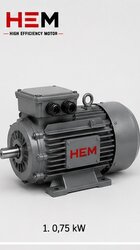
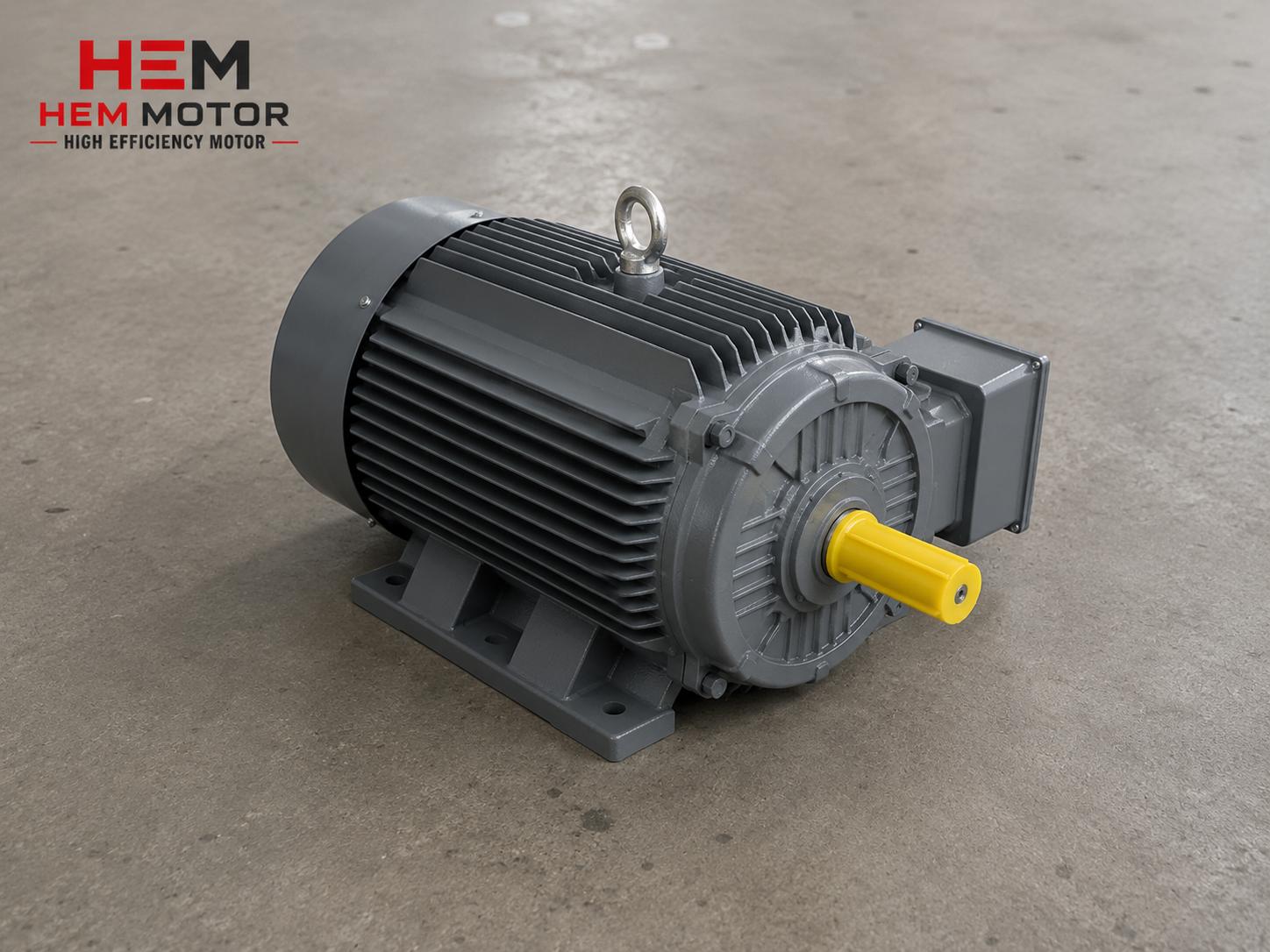

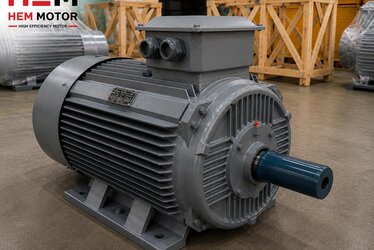
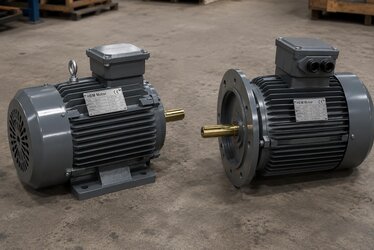
Cast iron body electric motors are painted in a specific shade of grey as standard; however, for many projects, OEM machine builders and bulk buyers, the colour of the motor is not merely an aesthetic preference. Colour is part of brand identity, visual line coding, corporate specification compliance and even the maintenance organisation. In this article we examine, from a purchasing perspective, the choice between standard RAL grey and a custom RAL colour on a cast iron motor, the relationship between paint film thickness and corrosivity class (C3/C4), OEM customer branding/label requests, project- and line-based colour coding, and managing custom colour in bulk orders. Because we cover corrosion and cataphoresis separately, the focus here is entirely on RAL colour and coding.
What Is RAL and Why Is It the Standard for Motor Colour?
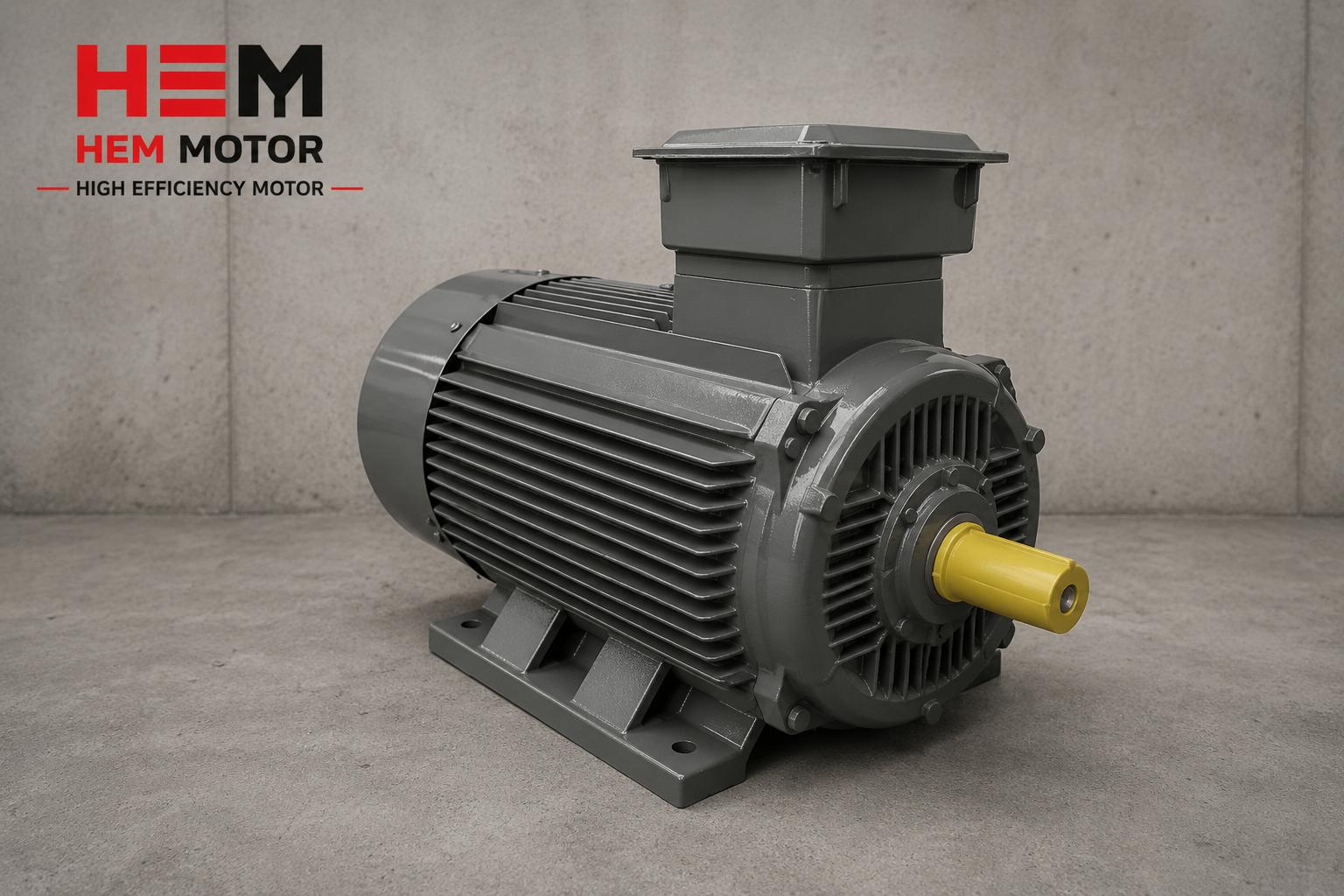
RAL is a widely used standard colour catalogue in Europe; each colour is defined by a four-digit code (e.g. RAL 7016 anthracite grey, RAL 5010 gentian blue, RAL 9005 jet black). The advantage of using a RAL code in the motor industry is that the colour is defined not by words but by a single code, leaving no room for interpretation between manufacturer and buyer. Standard cast iron motors are usually shipped in a neutral industrial grey; however, if the specification states a different RAL code, the motor can be painted in that colour. Giving the colour request as a RAL code at the order stage prevents disputes arising from vague descriptions such as "light grey".
The Difference Between Standard RAL Grey and a Custom RAL Colour
The standard colour is the one waiting ready on the manufacturer's series production line; it requires no extra time and generally no extra preparation, making it the most suitable option for delivery from stock. A custom RAL colour, on the other hand, requires the line to be set to that colour, paint preparation and often a minimum order quantity. For this reason, a custom colour request makes sense in bulk/project orders rather than for a single motor. When planning lead times, custom colour should be treated as an item to be added to the delivery schedule; we covered this in general in our supply and lead time article.
Paint Film Thickness, Corrosivity Class and Colour
Colour alone does not determine corrosion protection; protection is determined by the type of paint system and the total film thickness (microns). The ISO 12944 standard divides the environment into corrosivity classes:
- C3 (medium): Urban and light industrial atmosphere, medium humidity. A standard paint system is sufficient for most indoor and enclosed sites.
- C4 (high): Heavy industry, chemical condensation, high humidity. A thicker film and a more resistant paint system are required.
The key point is this: the RAL colour you want must be applied together with a paint system appropriate to the required corrosivity class. So a combined specification such as "RAL 5010 blue, class C4, at least X microns" is the correct approach; although colour and protection look like two independent decisions, they meet in the same paint film. You can find the details of corrosion protection systems in our paint and cataphoresis coating article, and open-field corrosion in our open-field corrosion article.
OEM Customer Branding and Label Requests
Machine builders (OEMs) want the motors they fit to their machines to arrive in their own corporate colour and often with their own label/branding layout. This is critical for presenting a consistent product image to the end customer. OEM requests usually include the following:
- Corporate RAL colour: A motor in the same shade as the machine body.
- Custom label/plate: The OEM's own brand name, model code or logo.
- Neutral (unbranded) shipping: Some OEMs want only the technical nameplate on the motor and add their own branding later.
Because such requests require serial and continuous supply, they are best managed under a framework agreement. We covered the OEM supply relationship in our OEM motor supply agreements article. You can find what information the motor nameplate must carry in our IE3 motor nameplate reading article.
Project- and Line-Based Colour Coding
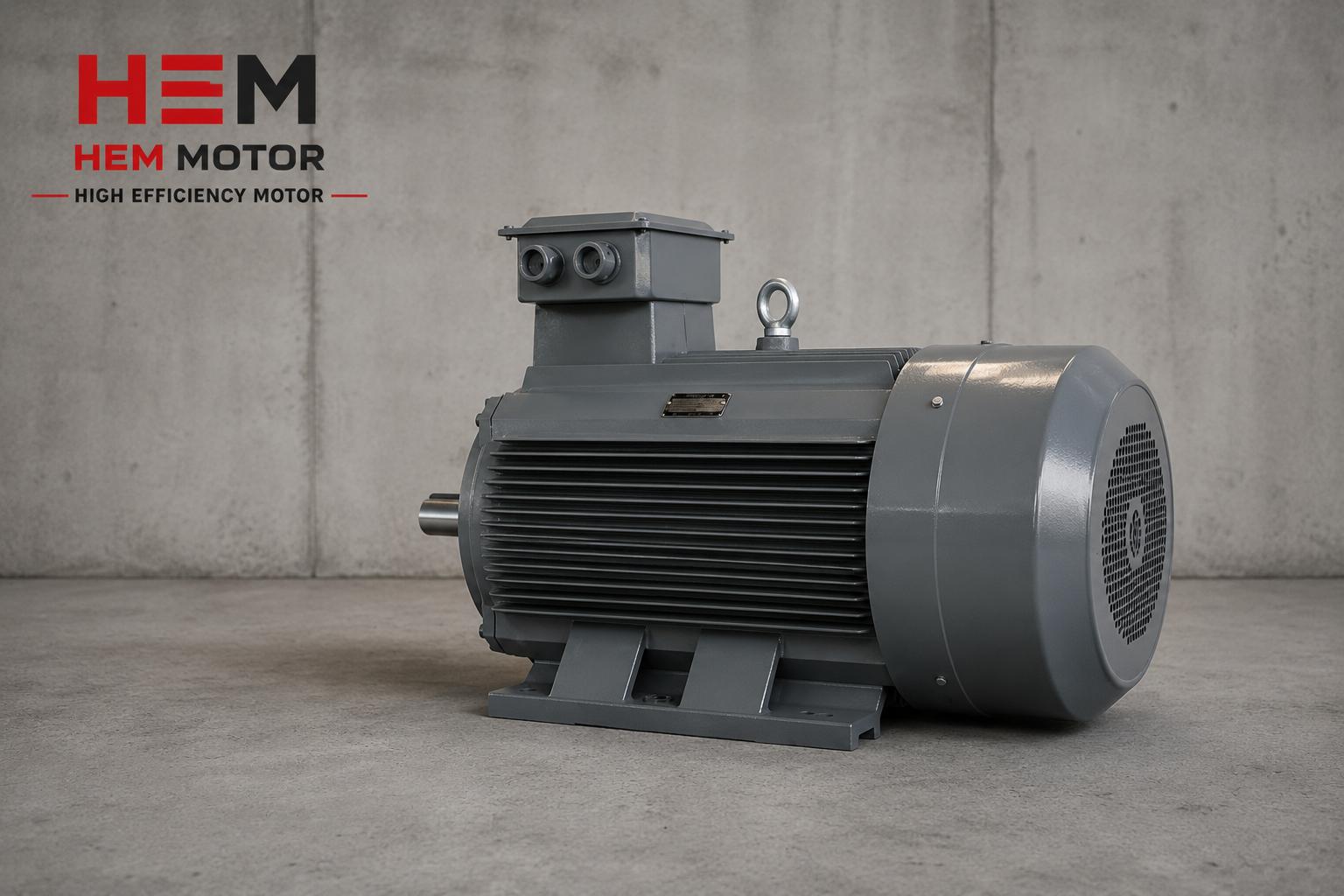
In large facilities colour is not just aesthetic but an operational tool. The colour coding logic is used as follows:
- Line separation: Motors of production line 1 in one colour, line 2 in another; the shift team sees at a glance which motor belongs to which line.
- Function separation: Pump motors, fan motors and conveyor motors coded in different colours make maintenance planning easier.
- Spare motor visibility: Critical spare motors painted in a distinct colour are quickly distinguished in the warehouse. We examined spare motor stocking in our critical spare motor list article.
Colour coding makes the motor inventory visually manageable and lowers the error rate, especially in multi-shift facilities. We covered motor fleet management in our three-shift facilities motor fleet management article.
Managing Custom Colour in Bulk Orders
Custom colour is applied most efficiently in bulk/project orders. Pay attention to the following points:
- Clarify the RAL code: A single code leaves no room for interpretation. Also state matt/gloss preference.
- Give the corrosivity class together: C3 or C4? Colour and film thickness must meet in one specification.
- Ask about minimum order quantity: Custom colour usually requires a quantity threshold.
- Plan the lead time: Custom colour adds to the delivery time; reflect it in the project schedule.
- Ensure replenishment consistency: The same RAL code must be kept in later batches so no colour difference arises.
We compiled cost and process management in bulk buying in our wholesale purchasing cost reduction article, and the information to provide when requesting a quote in our information for requesting a quote article. You can find the general selection logic of the cast iron body in our cast iron vs aluminium frame article.
The Link Between Colour, Surface Preparation and Paint Life
Whether the colour on a motor frame stays vivid and sound for a long time depends not only on the paint itself but on the surface preparation before painting. The cast iron frame is degreased before painting, blasted if necessary, or primed; if these steps are skipped, even the highest-quality RAL paint will eventually blister and flake. So when requesting a custom colour, you should think not only of the colour but of the whole paint system (surface preparation + primer + topcoat). The colour shows in the topcoat, but the underlying layers determine its durability. This is why the root of complaints like "the RAL code is right but the paint faded within a year" is usually not the colour but inadequate surface preparation or film thickness.
Fading of the colour shade over time (UV-induced colour change) is an important issue, especially in outdoor facilities exposed to the sun. Some RAL colours (for example certain bright red and yellow shades) are more sensitive to UV, while grey and anthracite shades are more stable. If preserving the appearance outdoors for a long time is required, both UV stability in the colour choice and a suitable paint system should be assessed together. This is particularly important in OEM applications where brand consistency is critical, because a faded frame colour directly affects the quality perception of the end customer.
Turning Colour Coding into an Operational Standard
To get the highest benefit from colour coding, the coding must be a permanent operational standard, not a one-off preference. For this, a written colour scheme is created across the facility: which colour represents which line, function or criticality level is documented. Every newly purchased motor is ordered according to this scheme, so over time the whole motor fleet acquires a consistent visual language. This system lowers the margin of error, especially during shift changes and the orientation of new staff: at a glance it is clear which motor belongs to which group.
The colour scheme also integrates with maintenance planning. For example, when motors due for annual grease maintenance are grouped by a predetermined colour logic rather than a temporary mark, the maintenance team works much faster in the field. Keeping critical spare motors in a distinct colour ensures the right spare is found within seconds in an emergency failure. Colour coding, when set up correctly, is not just an aesthetic preference but a visible management tool that supports maintenance and production continuity. Combining this approach with the motor inventory measurably eases motor management in large facilities.
Common Mistakes in Colour Requests
The most common field mistakes are: describing the colour in words (e.g. "dark grey") instead of a RAL code; skipping the matt/gloss distinction; choosing the colour but forgetting the corrosivity class; and not stating the same RAL code in later replenishment orders. Each of these leads either to a colour mismatch or to inadequate protection. Part-level details such as terminal box colour versus body colour should also be clarified; we covered the terminal box and cable connection in our terminal box and cable connection article.
Frequently Asked Questions
Can I have a cast iron motor painted in the RAL colour I want?
Yes. Instead of standard grey, the motor can be painted in the RAL code in your specification. The most reliable method is to state the colour with a single RAL code (and a matt/gloss preference). Since custom colour usually requires a minimum order quantity and preparation added to the lead time, it is most efficient in bulk/project orders.
Does the colour choice affect the motor's corrosion protection?
The colour itself does not determine protection; protection is determined by the type of paint system and the total film thickness (microns). The correct approach is to define the RAL colour together with the required corrosivity class (C3 or C4) in one specification. For example, a combined request such as "RAL 5010, C4, at least the stated microns" guarantees both colour and protection.
As an OEM, can I order motors in my own brand and colour?
Yes. Machine builders can obtain motors in their own corporate RAL colour, with a custom label/plate, or neutral (unbranded). Because these requests require serial and continuous supply, they are best managed under a framework agreement, so that colour and label consistency is maintained in every batch.
Get a Quote for Your Custom Colour and OEM Request
Let us plan your custom RAL colour, corrosivity class and OEM branding/label requests together for your project, machine or bulk order. Share your RAL code, your corrosivity class (C3/C4) and your quantity; we will present our quote together with the appropriate paint system. Reach us now on +90 (532) 345 49 86 or via our contact page. Explore our cast iron body motor range on our efficient electric motors page, and all products on our homepage and our cast iron motors blog category.
Purchasing and Selection Checklist
- Has the colour been defined with a single RAL code (with matt/gloss stated)?
- Has the RAL colour been written together with the required corrosivity class (C3/C4) and microns?
- Has the OEM branding/label or neutral shipping request been clarified?
- Has the minimum order quantity for custom colour been asked?
- Has the effect of custom colour on lead time been added to the schedule?
- Has the same RAL code been recorded for later replenishment orders?
- Has the colour match between terminal box and body been checked?