English
 Türkçe

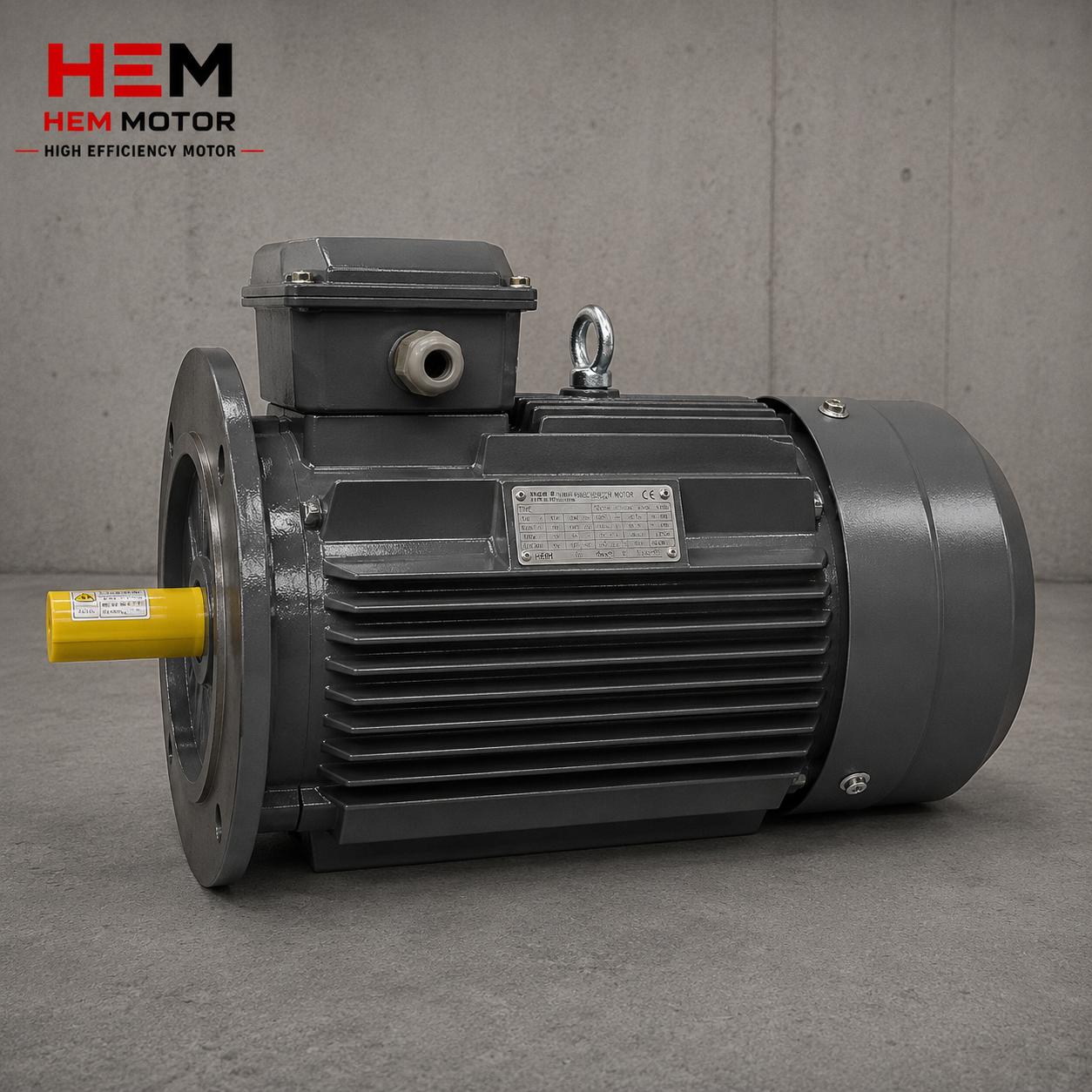

The true cost of an electric motor reveals itself not only at the moment of purchase but throughout its service life and at the end of its life. IE5 Ultra Premium synchronous reluctance motors, representing the peak of energy efficiency, make a difference not only on the consumption side of this story but also on the recycling and sustainability side. The least discussed yet most critical feature of IE5 synchronous reluctance (SynRM) technology from a circular economy perspective is the absence of permanent magnets in its rotor. In this article, we examine the end-of-life value of the magnet-free rotor, scrap recovery, the comparison with the recycling difficulties of permanent magnet (PM) motors, and the impact of an efficient motor on the carbon footprint, under concrete headings that will influence the purchasing decision.
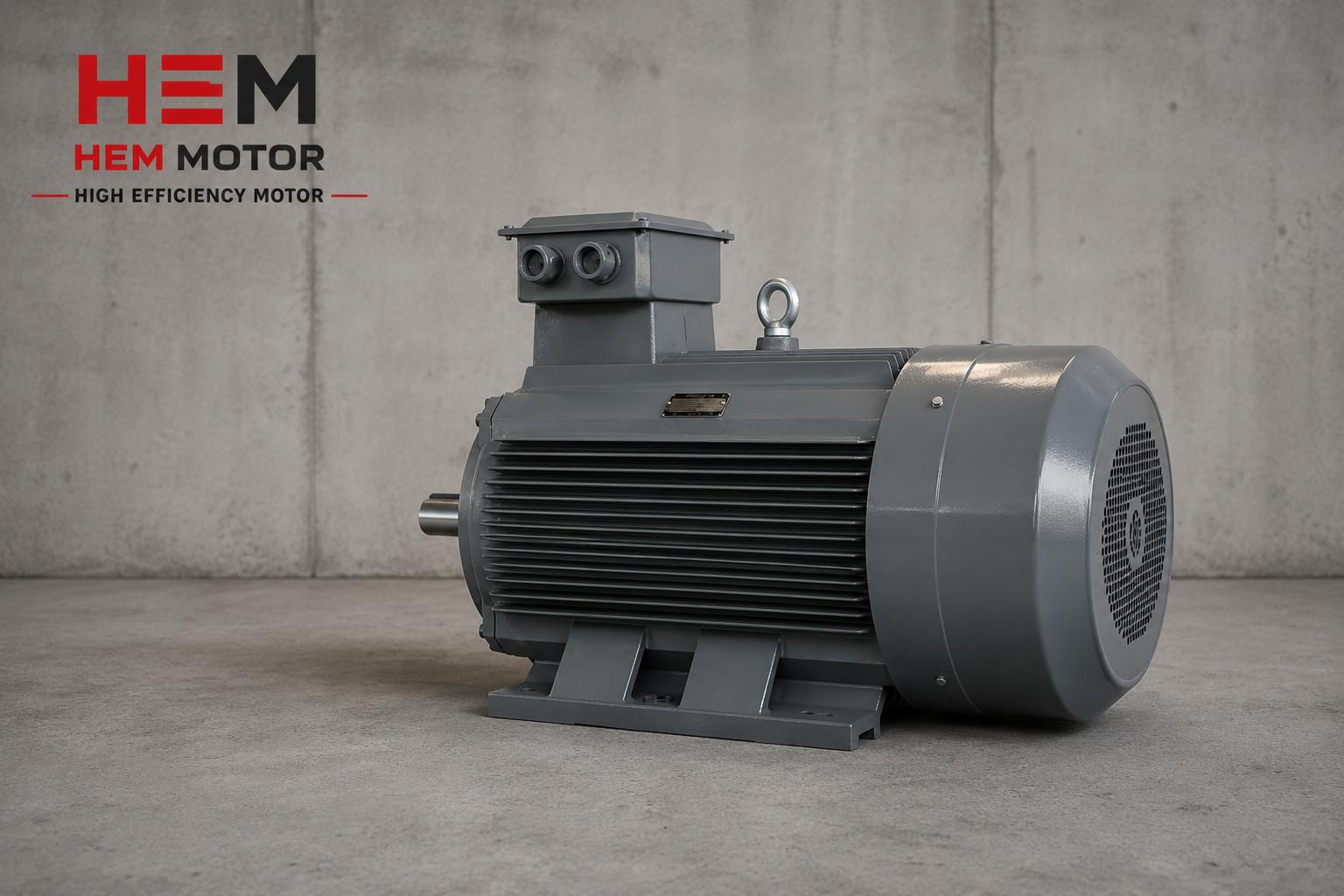
IE5 Synchronous Reluctance Motor: Why Does a Magnet-Free Rotor Mean Sustainability?
The IE5 efficiency class refers to the Ultra Premium tier built upon the IEC 60034-30-1 standard. The most common way to reach this class is synchronous reluctance motor (SynRM) technology. Unlike asynchronous motors, the SynRM rotor contains no copper or aluminum bars; the rotor consists of specially shaped steel laminations that guide the magnetic flux. Most importantly, unlike permanent magnet synchronous motors, the rotor contains no magnet with rare earth elements such as neodymium-iron-boron (NdFeB).
The implication is simple but powerful: when the motor completes its life, it leaves behind only standard industrial materials. Steel laminations, copper windings, a cast iron or aluminum frame, a steel shaft and bearings. All of these can be largely recovered through the existing metal recovery infrastructure. To explore the fundamental principles of SynRM technology in more detail, see our article on IE5 and the future of synchronous reluctance motors.
The Supply and Environmental Dimension of No Rare Earth Elements in the Rotor
Rare earth elements are not only expensive but also minerals whose extraction carries a heavy environmental cost. NdFeB magnet production means mining waste, acid leaching and high energy consumption. The SynRM rotor stays entirely outside this chain. You can find the supply and cost advantages of the magnet-free rotor in detail in our article on the supply advantage of the magnet-free rotor. From an environmental standpoint, the motor carries a lower embedded impact from the moment it is produced to the moment it is recycled.
End-of-Life Value: What Happens When an IE5 Motor Is Scrapped?
Every motor is one day either rewound or scrapped. The principles of IE5 motor maintenance and longevity are decisive for the rewind decision; however, when a motor has reached the end of its economic life, end-of-life value comes into play. The scrap value of a motor is directly proportional to the purity and separability of the recoverable materials it contains.
Scrap Composition and Recovery Rate
In a typical IE5 SynRM motor, the bulk of the weight consists of steel (laminations, shaft, frame) and copper (windings). Both materials are valuable in the scrap market and can be separated by standard processes:
- Copper windings: When removed and separated as clean copper, they carry the highest scrap value. The 100% copper winding that forms the basis of motor efficiency also becomes an advantage at the end of life.
- Electrical steel (rotor and stator packs): Silicon steel laminations enter the steel recycling stream.
- Cast iron or aluminum frame: The frame material is remelted within its own metal stream. For the advantages of frame material selection, see our comparison of cast iron versus aluminum frame.
Thanks to the magnet-free rotor, the separation process is far simpler and safer than for motors that contain strong permanent magnets.
Comparison with the Recycling Difficulty of Permanent Magnet (PM) Motors
Permanent magnet synchronous motors (PMSM) offer high efficiency but create a serious recycling problem at the end of life. The NdFeB magnets in the rotor are extremely strong; removing and separating these magnets requires special equipment and care, because the magnetic attraction poses a risk to both worker safety and automated separation lines. We examined the fundamental differences between SynRM and PM motors comprehensively in our article on the synchronous reluctance versus permanent magnet motor difference.
In practice, at many recycling facilities NdFeB magnets cannot be recovered efficiently; they often mix into the steel stream, causing both the loss of rare earth elements and a reduction in the separation quality of the scrap. The IE5 SynRM motor is entirely outside this problem: there is no magnet to separate, so the rotor goes directly into steel recovery.
Demagnetization and Worker Safety
In PM motors, magnets can demagnetize under heat or impact; during disassembly they remain dangerously magnetic. Another advantage of the magnet-free rotor appears here: disassembly, cleaning and recovery operations can be carried out with standard industrial safety procedures. We also addressed the superiority of the IE5 motor in fault and life management in our article on IE5 motor lifespan and MTBF.
Circular Economy and Carbon Footprint
Sustainability covers two separate axes at once: energy consumption during use and the material contribution to the circular economy. The IE5 motor is strong on both axes. On the use side, thanks to the highest efficiency class, it lowers the facility electricity consumption and therefore the indirect carbon emission. We detailed this topic in our article on the carbon footprint of high-efficiency motors.
On the material side, it contributes to the circular economy by leaving highly recoverable components at the end of life. Recycled steel and copper are reprocessed with far less energy than virgin raw material production. This means a portion of the motor embedded carbon is recovered in the next product cycle.
TCO and Sustainability Must Be Considered Together
The total cost of ownership (TCO) of a motor includes, alongside purchase, energy and maintenance items, its end-of-life value as well. As we showed in our article comparing the TCO of IE5, IE4 and IE3, the highest efficiency class pays for itself over long operating hours. When end-of-life recovery value and low environmental risk are added, the IE5 motor becomes a holistic choice for sustainability-focused facilities.
Embodied Carbon and Life Cycle Assessment
The environmental impact of a product arises not only in the use phase but across its entire life cycle, from raw material extraction to production, from transport to end of life. This is called embodied carbon. In permanent magnet motors, a significant portion of embodied carbon comes from NdFeB magnet production, because mining, separating and forming rare earth elements into magnets requires intensive energy and chemical processing. The IE5 synchronous reluctance motor eliminates this item entirely. Because the rotor is produced only from standard silicon steel laminations, the embodied carbon of the motor is lower than that of an equivalent permanent magnet motor.
From a life cycle assessment (LCA) perspective, the IE5 motor is advantageous in all three stages: less critical raw material in production, the highest efficiency in use and high recoverability at end of life. This holistic advantage is concrete value for facilities that report on sustainability and track supply chain carbon. We addressed the impact of carbon border regulations on exporter facilities in our article on the carbon border (CBAM) with high-efficiency motors.
Reuse, Rewinding and the Recycling Hierarchy
In the circular economy, the most valuable option is not to melt and recast the material but to keep the product in use as long as possible. Therefore a hierarchy is followed in the end-of-life decision: first extending life through maintenance and repair, then rewinding, and lastly scrap recycling. The IE5 SynRM motor provides an advantage at every step of this hierarchy. Thanks to the magnet-free rotor, maintenance and fault management are more predictable; because the rotor carries no demagnetization risk, the concern of performance loss after heat or impact is reduced.
When the stator winding is damaged, the motor can be rewound; since the rotor contains no magnets, no special magnet protection measure is needed during the winding process. To evaluate the effect of rewinding on efficiency, see our article on efficiency loss after rewinding. However, for motors that have reached the end of their economic life, direct recycling is the most sensible option, and here the magnet-free structure again stands out.
Factors Affecting Recovery Value
The scrap recovery value of a motor depends on the amount of copper, the ease of separation and the level of contamination. A motor that contains a high amount of copper, no magnets and can be cleanly separated gives the highest value. The fact that efficient motors usually contain more copper and higher-quality laminations paradoxically also makes them more valuable at the end of life. This supports the thesis that a "high-efficiency motor is expensive up front but cheap in the long run" from the end-of-life side. We examined savings scaling from a single motor to a facility fleet in our article on single motor to fleet savings.
IE5 Transition Strategy for a Sustainable Facility
Transitioning to an IE5 motor requires a drive (VFD), because synchronous reluctance motors do not run connected directly to the grid. For drive compatibility and commissioning steps, you can use our IE5 motor drive and installation compatibility checklist. Continuously running pump, fan and compressor applications are the most suitable candidates for IE5 in terms of both energy savings and sustainability. You can find the savings analysis for these applications in our article on savings under continuous load in pumps, fans and compressors with IE5.
When making the transition decision, one must look not only at the purchase price but at energy consumption, ease of maintenance and end-of-life value together. The higher the annual operating hours of a motor, the faster the efficiency difference pays back. In low-operating-hour, intermittent-duty applications, IE3 or IE4 may be a more balanced choice; we addressed this comparison in our article on the IE4 vs IE3 transition decision. For a broader view, you can review efficiency class investment and our electric motors blog homepage.
Frequently Asked Questions
Does the rotor of an IE5 synchronous reluctance motor really have no magnets at all?
In a pure synchronous reluctance (SynRM) design, there are no permanent magnets in the rotor; the rotor consists only of shaped steel laminations that guide the magnetic flux. This means the motor contains no rare earth elements and goes directly into steel recovery at the end of life. Some manufacturers offer PM-assisted SynRM variants with auxiliary magnets to slightly increase efficiency; it is important to verify the motor type on the nameplate and technical documents before purchase.
Why is recycling magnet motors more difficult?
In permanent magnet motors the NdFeB magnets in the rotor are very strong and require special equipment, care and worker safety measures to remove. At most facilities these magnets cannot be recovered efficiently; they mix into the steel stream, causing both the loss of rare earth elements and a drop in scrap quality. The magnet-free IE5 rotor has no such separation step.
Why is the end-of-life scrap value of an IE5 motor high?
Most of the weight of an IE5 SynRM motor consists of copper windings, silicon steel laminations and a cast frame. These materials can be largely separated and reprocessed with the existing scrap infrastructure. The magnet-free structure simplifies separation, raising both the recovery rate and the scrap purity.
Get a Quote
If you would like support in selecting an IE5 Ultra Premium or other efficiency class motor for your facility, matching a drive and planning a sustainable upgrade, our team is by your side. For an error-free order with the right power, speed and mounting type, contact us at +90 (532) 345 49 86 or reach us via our contact page.
IE5 Motor Purchasing and Sustainability Checklist
- Verify the motor type: pure SynRM or PM-assisted? Check the nameplate and technical documents.
- Evaluate the operating hours of the application; continuous load is the most suitable candidate for IE5.
- Plan the proper drive (VFD) matching and commissioning compatibility.
- Check the compatibility of frame, foot and shaft dimensions with the existing system.
- Consider the end-of-life scenario: recoverable copper-steel content and low environmental risk.
- Add energy, maintenance and end-of-life scrap value together into the TCO calculation.
- Confirm stock and lead time in line with your project schedule.