English
 Türkçe

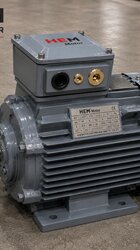
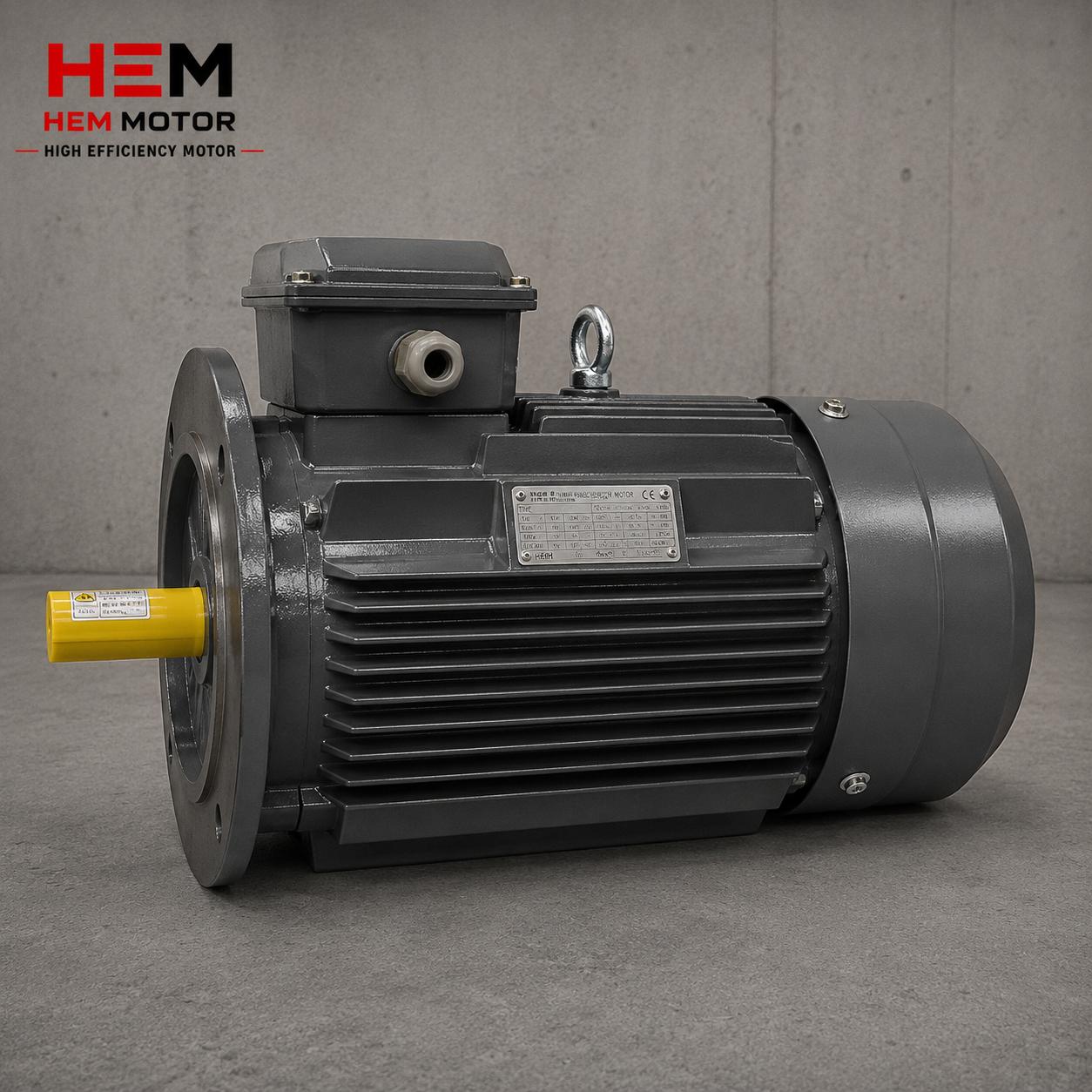

IE5 synchronous reluctance (SynRM) motors offer an advantage that is often overlooked alongside their ultra premium efficiency: noticeably quieter operation. In HVAC plants near hospitals, schools, offices, hotels and residential areas, in the hygienic halls of food and beverage facilities, or on production lines running night shifts, motor noise is no longer just a comfort issue but frequently a legal limit and an occupational health matter. In this article we examine, from an engineering perspective, why IE5 SynRM motors lower the noise and sound level (dB), the difference between sound power and sound pressure, the dB(A) value, the measurement standard ISO 3744, and the right selection for quiet operation together with the drive (VFD).
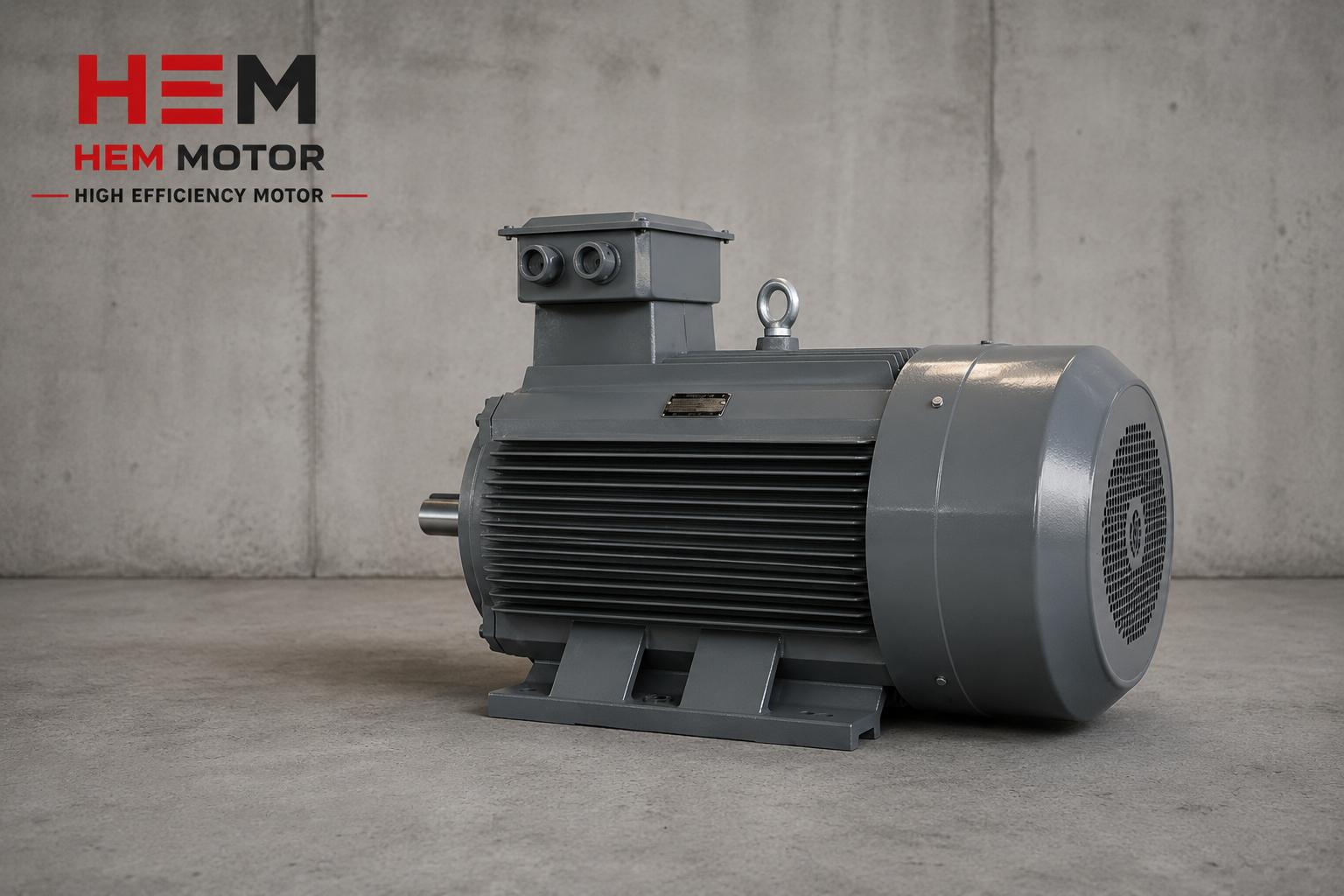
Where Does Motor Noise Come From? Three Core Sources
Noise in an electric motor does not come from a single source but from three different mechanisms. To select a genuinely quiet motor, each source must be understood separately:
1. Magnetic noise
Radial forces created by the magnetic field between stator and rotor vibrate the stator core and the frame. This vibration radiates through the air as sound. In asynchronous motors, slip and slot passing frequencies in the rotor bars produce a distinct hum. Because SynRM motors have no conductive bars or cage in the rotor, some of these magnetic noise components disappear entirely.
2. Mechanical noise
Bearings, shaft imbalance and bearing clearances generate mechanical noise. Here there is no direct technological difference between SynRM and asynchronous machines; in both, quality bearings, good balancing (grade G2.5) and correct mounting are decisive. You can find this relationship detailed in our ISO 10816/20816 acceptance values guide.
3. Aerodynamic (fan) noise
In most standard motors the dominant noise source is the cooling fan at the rear of the frame. Fan blades cutting through air produce broadband whoosh and, at certain speeds, a tonal whistle. This is precisely where SynRM's greatest indirect advantage lies: because rotor losses are very low, the motor heats up less; a cooler motor can be cooled with a smaller or slower fan, and a smaller fan significantly reduces aerodynamic noise. This chain is the real reason a SynRM motor runs a few dB(A) quieter than an asynchronous counterpart of the same rating.
Sound Power (LWA) and Sound Pressure (LpA): Two Values Not to Confuse
When buying a motor you will encounter two different dB values in catalogues, and confusing them leads to serious selection errors:
- Sound power level (LWA): The total acoustic energy emitted by the motor. It is independent of distance and is an intrinsic property of the motor. Use this value to compare two motors fairly.
- Sound pressure level (LpA): The value perceived by the ear, measured at a given distance (usually 1 metre). It decreases with distance and is affected by room reverberation.
A practical rule: in free field, doubling the distance reduces sound pressure by about 6 dB. The decibel is a logarithmic scale; a 3 dB increase means double the acoustic energy, while a 10 dB increase is perceived by the human ear as roughly twice as loud. dB(A) is weighted to the frequency sensitivity of human hearing, and residential/workplace noise limits are always given in dB(A).
The Quietness Chain of the IE5 SynRM Motor
The low noise of a SynRM motor does not come from a single feature but from a self-reinforcing chain:
- Low rotor loss: With no current-carrying bars in the rotor, copper and rotor losses are minimal. This is also the basis of the IE5 efficiency class, which we covered in our magnet-free rotor supply advantage article.
- Low temperature rise: Less loss means less heat. The winding and frame stay cooler and life is extended.
- Smaller/quieter fan: As the cooling load drops, the fan can be smaller or slower, reducing aerodynamic noise. We explored the cooling-noise relationship in our thermal behaviour and cooling article.
- Cage-free rotor magnetics: The slot-passing noise of the asynchronous rotor disappears.
Our IE4 asynchronous vs synchronous reluctance article compares the two technologies in the same efficiency class as a whole; quietness is just one dimension of that difference.
How Does the Drive (VFD) Affect Quiet Operation?
A SynRM motor always runs with a variable frequency drive (VFD); we explained why it cannot run without one in our drive package and cost article. The drive affects noise in two ways:
Switching frequency effect
The drive's PWM switching frequency can produce a magnetostrictive whine in the motor winding. Setting the switching frequency above the audible band (typically 8-16 kHz) largely eliminates this tonal sound. However, a high switching frequency adds heat in the drive, a balance that must be considered when sizing the drive.
Speed flexibility advantage
With a VFD the motor can be slowed to match the real instantaneous load. On HVAC fans, the affinity law means that as speed falls both energy and aerodynamic noise drop rapidly. So the SynRM + VFD pair is both the quietest and the most efficient point at partial load. We covered motor-VFD compatibility in general in our frequency drive with motor article.
Measurement Standard: ISO 3744 and the Meaning of the Nameplate Value
Motor sound power level is generally measured to ISO 3744 under free-field conditions over a reflecting plane, with engineering-grade accuracy. The LWA value in the catalogue is meaningful with reference to this standard. When comparing, look at values for both motors measured under the same standard, the same speed and the same load. IEC 60034-9 defines the permissible noise limits for electrical machines. If you are targeting a quiet facility, the most reliable method is to specify a maximum LWA value to ISO 3744 in the purchase specification.
In Which Applications Is Quietness Decisive?
- Hospital and healthcare HVAC: Low dB(A) is mandatory due to patient comfort and noise regulations.
- Office, hotel and mall air handling units: For AHU fan motors, SynRM quietness is a direct comfort gain. Our HVAC air handling unit fan supply article details the selection criteria in this area.
- Pump stations and blower units near residential areas: Because of night-time noise limits.
- Night-shift production and facilities near schools/dormitories.
You can also find the general principles of selecting a low-noise motor in our low-noise motor selection article and the asynchronous-side sources in our asynchronous motor noise sources article. We examined the IE5 motor's partial-load superiority in our efficiency curve article.
Reading the dB Scale Correctly: Numbers Can Deceive
The most common mistake in noise comparison is reading dB values as if they were linear numbers. But the decibel is a logarithmic scale, and this directly affects the purchase decision. For example, the 3 dB difference between 80 dB(A) and 83 dB(A) may sound small but means double the acoustic energy. Likewise, the 10 dB difference between an 80 dB(A) motor and a 70 dB(A) motor creates a perception roughly twice as quiet to the human ear. So even a SynRM motor being only a few dB(A) quieter than its asynchronous counterpart visibly improves perceived noise comfort in a continuously running facility. When comparing two motors, look not at the seemingly small dB figure but at the logarithmic meaning of that difference.
The combined noise of multiple motors running side by side also matters, not just a single motor. When two motors of the same sound power run together, the total sound power rises by about 3 dB; four motors by about 6 dB. When designing a multi-motor air handling unit or pump station, a low LWA value for each motor significantly lowers the total ambient noise. The individual quietness of SynRM motors gains value exponentially at fleet scale.
The Link Between Quietness, Efficiency and Life
The quietness of a SynRM motor is also an indicator of its long life; the two share the same root. Thanks to low rotor losses the motor runs cooler, the cooler winding insulation ages more slowly, and the bearing grease retains its properties longer. So a quiet SynRM motor is usually a more reliable motor with lower maintenance cost. An increase in noise over time, on the other hand, is usually a sign of a fault: bearing wear, growing bearing clearance or a balance shift raise the sound. So regular noise measurement is a simple but effective tool of predictive maintenance. The motor's as-delivered sound level is taken as a reference; a marked rise in this value over time is treated as an early sign of a mechanical problem. Addressing thermal and mechanical behaviour together in a SynRM motor preserves both quietness and life.
This holistic view also changes the purchase decision: look not only at the dB value on the nameplate but at whether the motor can preserve this value throughout its working life. Quality bearings, good balancing and the correct mounting base keep the quietness as it was on the first day. Vibration-damping foundations and pads cut the structural sound transmitted from the frame to the floor; especially in facilities near residential areas, this is the most practical intervention that lowers perceived noise independent of the nameplate value.
Comparison Logic in Quiet Motor Selection
When comparing two motors for noise, follow these steps: first obtain the LWA value of both to ISO 3744; then equalise the operating speed and load; next check the cooling type (IC411 self-fan cooled, IC416 forced external fan); finally make sure the VFD switching frequency is adjustable. We covered the effect of forced cooling on noise in our external forced cooling fan article. If you want to assess the move to IE5 together with the budget, our IE5 vs IE4 investment payback article and TCO comparison article will guide you. For correct frame and drive matching, use our frame-power table guide.
Frequently Asked Questions
Is an IE5 synchronous reluctance motor really quieter than an asynchronous motor?
At the same power, speed and mounting, the IE5 SynRM motor runs cooler thanks to low rotor losses and can use a smaller/slower cooling fan. This lowers aerodynamic noise. In addition, with no cage in the rotor, part of the slot-passing magnetic noise typical of asynchronous machines disappears. It typically runs a few dB(A) quieter than an asynchronous counterpart of the same class. The exact difference must be verified with the manufacturer's LWA values to ISO 3744.
Does the drive (VFD) switching frequency increase noise?
At low PWM switching frequencies a tonal whine can be heard in the motor winding. Setting the switching frequency above the audible band (typically 8-16 kHz) largely removes this sound. Remember that a high switching frequency creates extra heat in the drive, so correct sizing is required.
Which dB value in the catalogue should I look at?
To compare two motors fairly, look at the sound power level (LWA); this is distance-independent and intrinsic to the motor. Sound pressure (LpA) varies with measurement distance and room reverberation. For compliance with residential/workplace noise limits, always base your decision on values given in dB(A) and referenced to ISO 3744.
Get a Quote for Your Quiet IE5 Motor
We are by your side in selecting low-dB(A) IE5 synchronous reluctance motors for hospital, office and hotel HVAC plants or facilities near residential areas. Share your application's power, speed and noise targets; we will recommend the right motor-drive package together with ISO 3744 LWA values. Reach us now on +90 (532) 345 49 86 or via our contact page. Explore our IE5 range on our efficient electric motors page, and the full range on our homepage and our IE5 blog category.
Purchasing and Selection Checklist
- Has the sound power level (LWA) to ISO 3744 been requested?
- Has the LWA value been compared with the rival motor at the same speed and load?
- Is the cooling type (IC411 / IC416) suitable for the quietness target?
- Is the drive switching frequency adjustable (8-16 kHz)?
- Are the balance grade (G2.5) and bearing quality written into the specification?
- Has the legal dB(A) limit for the residential/working area been checked?
- Has the mounting base been assessed for vibration damping (foundation/pads)?