English
 Türkçe

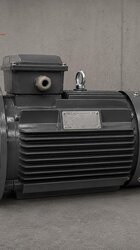
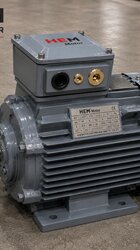
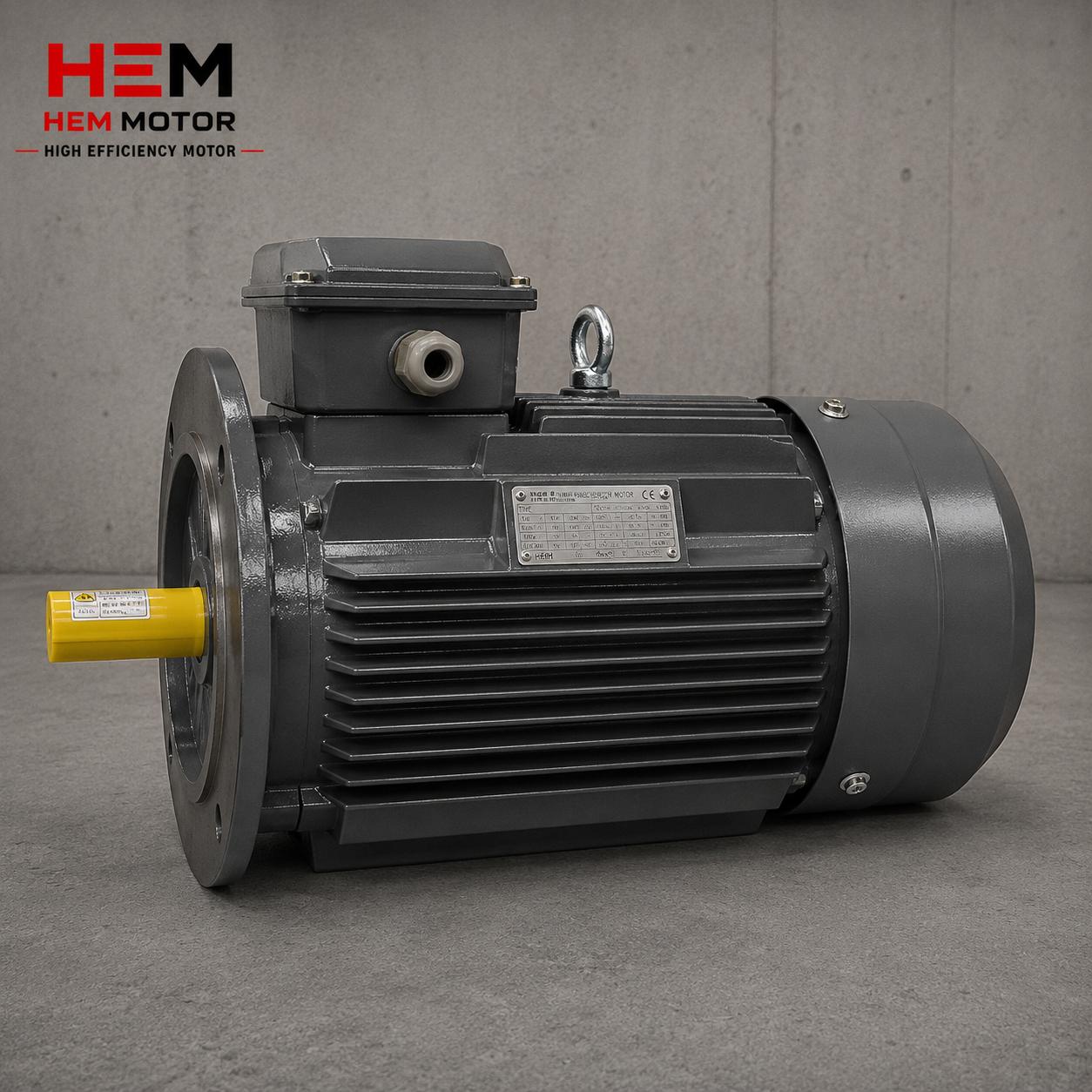

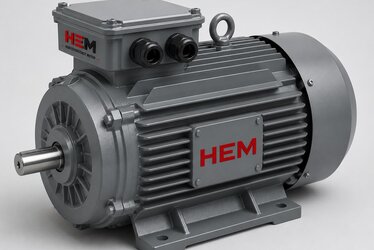
IE5 synchronous reluctance motors represent the field reality of the ultra-premium efficiency class. Yet for buyers, the real question is not only the initial investment but whether the motor can sustain its efficiency and uninterrupted operation throughout its expected life. As HEM Motor, with our identity as both manufacturer and supplier, the most common question we hear when supplying IE5 motors is: Is this motor hard to maintain, and what do I do if it fails? This article addresses the purchase and operation of IE5 synchronous reluctance motors from a commercial angle covering maintenance load, failure management and longevity. The goal is not education; it is to help you supply the right motor with the right drive and the right maintenance plan, lowering your facility total cost of ownership. Contact our team for efficient electric motor options and a quote.
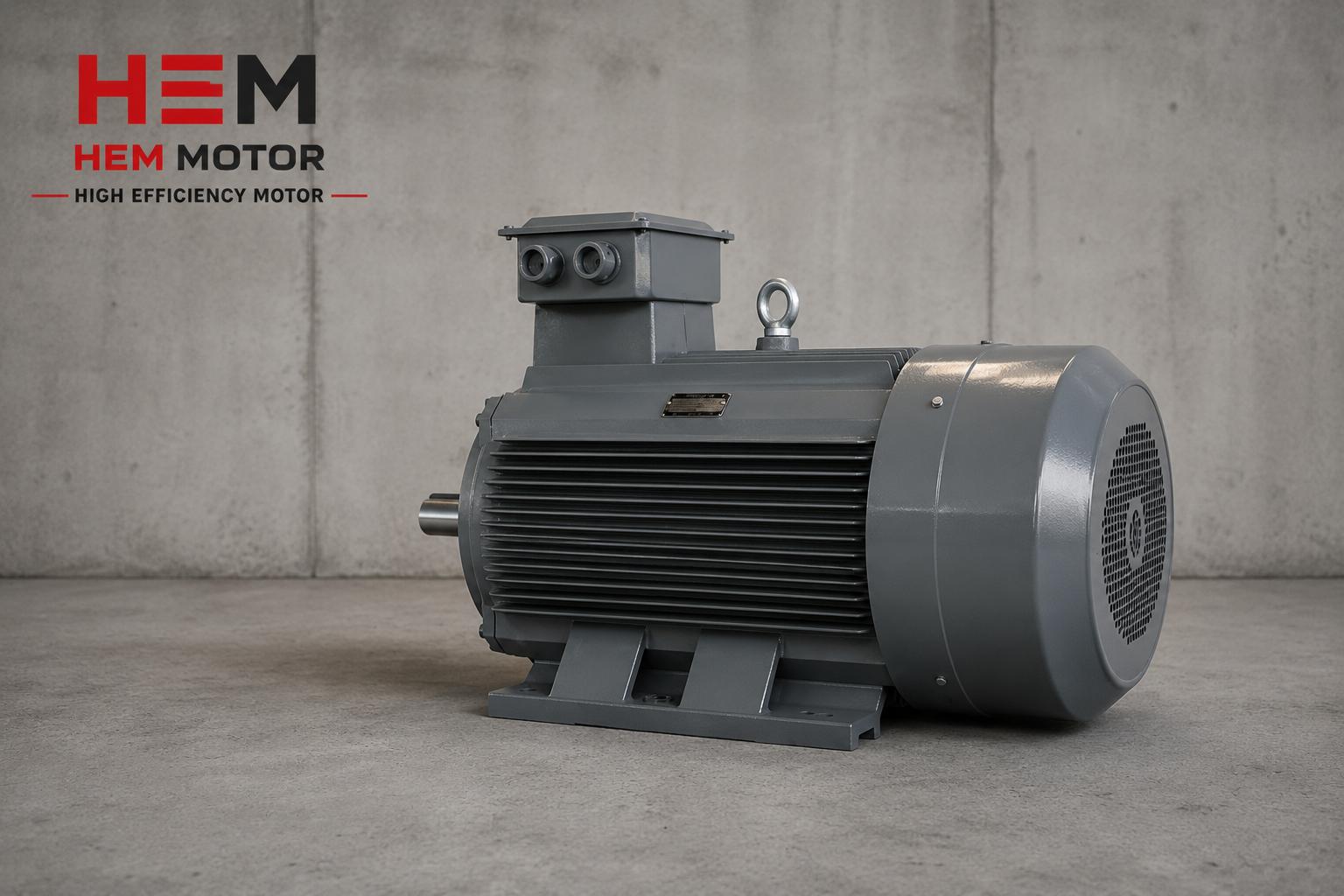
The Maintenance Advantage of IE5 Synchronous Reluctance Motors
The biggest hidden advantage in the purchase decision for IE5 synchronous reluctance motors is their lower maintenance load compared with classic induction motors. The rotor contains no magnets or slip rings; it works on the reluctance principle. When we compare the difference between synchronous reluctance and permanent magnet (PM) motors, the magnet-free rotor simplifies not only supply cost but also field maintenance. There is no demagnetization risk, magnet performance does not degrade at high temperature, and the supply advantage of the magnet-free rotor also simplifies spare-part access in case of failure.
However, IE5 synchronous reluctance motors do not run without a drive. The maintenance plan covers correct preservation of drive (VFD) parameters as well as the mechanical assembly. Understanding why the motor cannot run without a drive and the package cost forms the basis of your maintenance strategy. Supplying the motor and drive together avoids future maintenance problems from mismatched drive replacement.
How Mechanical Simplicity Lowers Maintenance Cost
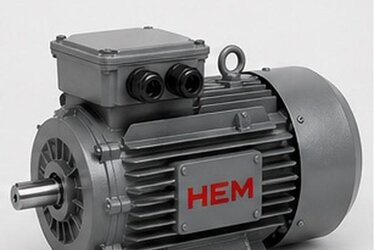
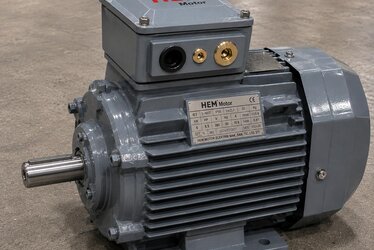
With cast iron body, Class F insulation and IP55 protection as standard, the body offers high mechanical strength. When the mounting type is chosen correctly (B3 foot, B5 or B35 flange), vibration and alignment-related maintenance issues decrease. Because rotor balance quality is high, additional loads on the bearings stay limited, extending the maintenance interval.
Bearing Maintenance: The Factor That Determines IE5 Motor Life
The real life of an IE5 motor is often determined not by the winding but by the bearing. The bearing is the most worn and most frequently replaced mechanical part. Correct greasing interval, correct grease type and monitoring bearing temperature directly affect bearing life. In high-speed (3000 rpm) applications bearing heating is more critical, so it matters to ask about the bearing type and lubrication system at purchase. The topic of bearing types and insulated bearings applies to IE5 motors too: on VFD-fed motors, insulated bearings or grounding brushes are recommended to prevent bearing currents.
Practical bearing checks:
- Schedule greasing per the manufacturer instruction; over-greasing is as harmful as under-greasing.
- Measure bearing temperature periodically; a sudden rise is an early failure sign.
- Monitor vibration level; bearing wear shows up first as vibration.
- If storing the motor long term, rotate it periodically to prevent bearing brinelling.
For moisture and bearing risk during long storage, our guide on storage, long-term keeping and commissioning helps you preserve the pre-field condition of your IE5 spare motors.
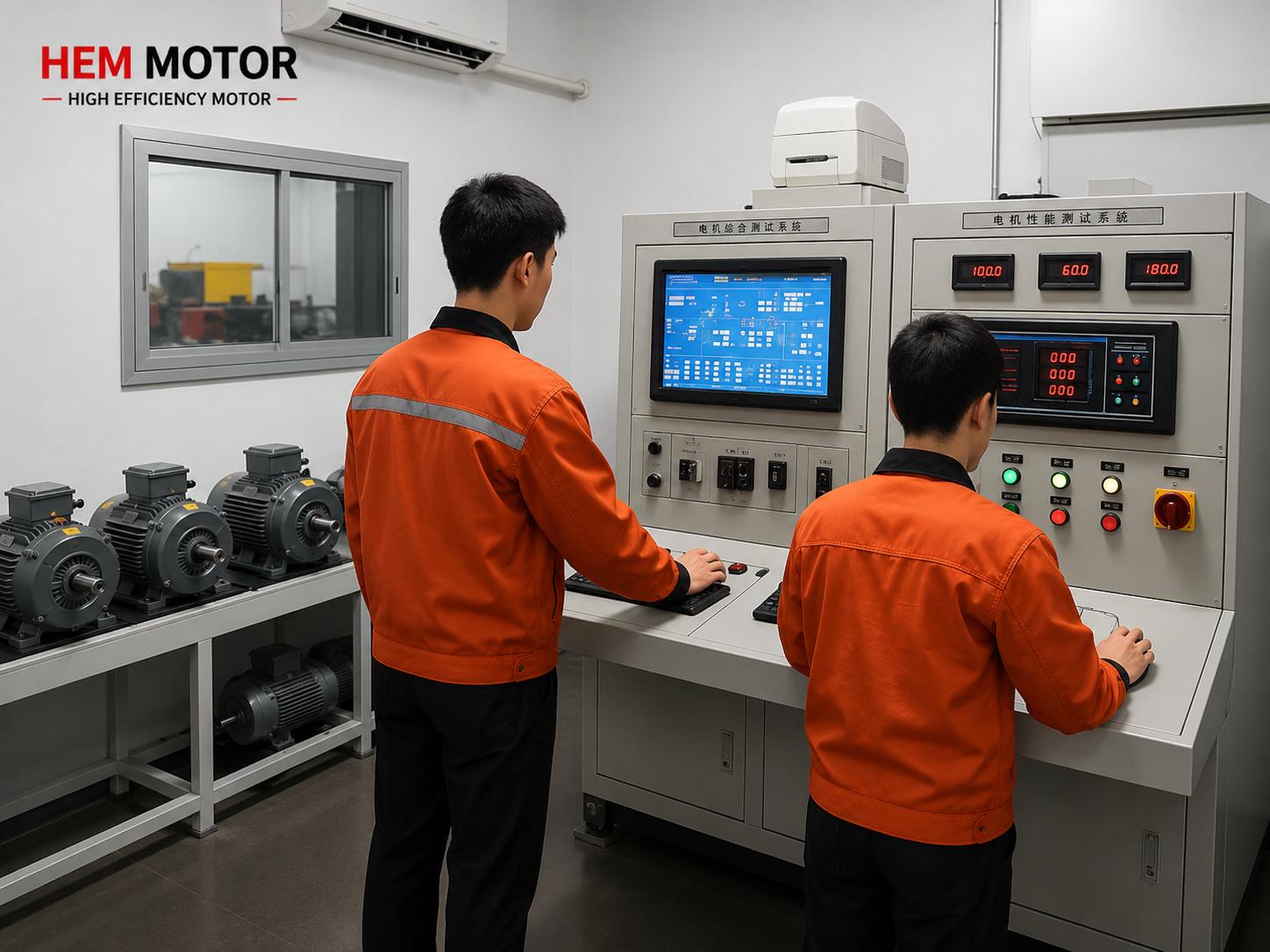
Drive Parameter Check: The Invisible Half of IE5 Maintenance
Maintenance on an IE5 synchronous reluctance motor is not limited to the mechanical assembly. Even if the motor is fine, wrong drive parameters cause it to lose efficiency, overheat and fall short of its expected life. Items to check periodically on the drive side:
- Motor model parameters: The motor definition loaded in the drive (current, frequency, poles, efficiency profile) must match the motor exactly. Synchronous reluctance motors require a different control algorithm than induction motors.
- Switching frequency: Higher switching frequency protects the winding but heats the drive; the right balance must be set.
- Overload and thermal protection thresholds: Protection parameters inside the drive must match the motor real rated values.
- Software/firmware updates: Track the drive maker updates aimed at synchronous reluctance control.
Setting up drive and installation compatibility correctly at commissioning determines the later maintenance load. Our IE5 drive and installation compatibility and commissioning checklist prevents first-install mistakes from turning into lifelong maintenance cost. For drive selection and compatibility, our article on using a variable frequency drive (VFD) with a motor offers complementary information.
Thermal Monitoring: Preventing Failure with Early Warning
Temperature is the most reliable health indicator of an electric motor. IE5 motors run cooler because they are efficient; but since they are drive-fed, cooling fan efficiency can drop at low speed. So thermal monitoring is indispensable to IE5 maintenance.
In practice two layers are recommended: temperature sensors embedded in the winding and bearing temperature measurement. Our article on motor winding temperature monitoring with PT100 and PTC thermistor explains which sensor serves which purpose in detail. Ordering the motor with PT100 or PTC thermistor at purchase saves later add-on cost and installation effort. Continuous monitoring stops the motor before winding temperature reaches the critical threshold, preventing winding burnout, the most expensive failure type.
Turning Monitoring Data Into a Maintenance Plan
Facilities that regularly record temperature and vibration data can move to predictive maintenance. A trending rise in bearing temperature signals a planned bearing replacement, eliminating the cost of unplanned downtime. By adapting the electric motor maintenance and periodic check schedule approach to your IE5 motors, you can manage downtime risk in advance.
Failure Symptoms and Management: When to Intervene, When to Replace?
Failure management on IE5 synchronous reluctance motors starts with reading symptoms early. Common symptoms and likely causes:
- Abnormal vibration and noise: Bearing wear, misalignment or a loose mount. Our noise and vibration article details the symptom-cause matching.
- Overheating: Overload, insufficient cooling, drive parameter error or voltage imbalance.
- Drive fault codes: Loss of synchronization, overcurrent or ground fault; drive logs reveal the failure root.
- Efficiency drop: Rising energy use at the same load signals a hidden problem on the motor or drive side.
For general fault diagnosis, our article on electric motor failures: symptoms, causes and when to replace guides your IE5 decision too. On repair-vs-replace, for drive-dependent high-efficiency motors like IE5, drive compatibility and spare-part availability usually decide the outcome.
Steps to Take at Purchase for Long Life
Long life starts not in the field but at the purchase table. Correct power-speed selection, a service factor suited to the load, the correct mounting type and the correct drive match are preconditions for 15 years or more of trouble-free operation. Our article on electric motor lifespan and early failure causes shows how to judge quality at purchase. To evaluate the move to IE5 on efficiency, see our IE5 vs IE4 efficiency and payback comparison, and for which application IE5 makes sense, our IE5 ultra premium transition guide. For the future of the technology, our IE5 and synchronous reluctance motors article supports your evaluation.
Annual and Periodic Maintenance Schedule for an IE5 Motor
When making the purchase decision, most facilities want to know what the maintenance schedule means in practice. A reasonable periodic framework for IE5 synchronous reluctance motors largely eliminates unplanned downtime. The following framework offers a general roadmap, subject to the manufacturer instructions:
- Daily/weekly: Observe abnormal noise, smell and vibration; check fault codes and temperature on the drive display. These checks take minutes but catch the most expensive failures early.
- Monthly: Terminal box connection tightness, sealing at cable entries and body cleaning. In dusty environments, cleaning dust off the cooling fan cover preserves cooling efficiency.
- Quarterly/half-yearly: Bearing temperature and vibration trend measurement, greasing (per motor type) and insulation resistance check. Insulation resistance measurement also matters for spare IE5 motors in stock.
- Annual: Backing up drive parameters, firmware check, bearing condition analysis and planned bearing replacement if needed. The annual inspection is the most critical step for a trouble-free next year.
This schedule directly affects the total cost of ownership of a high-efficiency motor investment. An efficient IE5 motor saves not only on the energy bill but also on maintenance and downtime; yet that saving erodes quickly with a neglected plan. Our article on total cost of ownership (TCO) for high-efficiency motors shows the place of maintenance in TCO.
Special Maintenance Points for a VFD-Fed IE5 Motor
Running IE5 synchronous reluctance motors with a drive raises a few maintenance topics absent in classic DOL motors. Knowing these at purchase prevents surprise costs later:
- Bearing currents: High-frequency voltage at the drive output can build up on the motor shaft and flow through the bearing, wearing it prematurely. Insulated bearings, a grounding brush or correctly shielded cable reduce this risk.
- Cable and shielding: The length and shielding of the drive-to-motor cable affect both electromagnetic compatibility and bearing current risk. Correct cable selection should be made at commissioning.
- Cooling and low speed: On self-cooled (shaft-fan) motors, if the motor runs long at low speed the fan cannot supply enough air and temperature rises. External (forced) cooling should be considered for such applications. For cooling options, our article on the effect of cooling and fan design on efficiency offers guidance.
So when buying an IE5 motor, treat not only the motor but the drive, cable and cooling solution as one system. Supplying a compatible package both eases first commissioning and makes lifelong maintenance load predictable.
Frequently Asked Questions
Is maintaining an IE5 synchronous reluctance motor harder than an induction motor?
No, mechanically it is usually easier. With no magnets or slip rings on the rotor, there are no demagnetization or brush-wear issues. The key difference is that the motor runs with a VFD, so drive parameter checks and thermal monitoring are added to the plan. Supplied with the right drive match, an IE5 motor offers a lower overall maintenance load.
Which part fails most often on an IE5 motor?
As with most electric motors, the most frequently replaced part is the bearing. Correct greasing, bearing temperature monitoring and the use of insulated bearings or grounding brushes on VFD-fed motors extend bearing life. Winding failures are largely prevented with correct thermal protection and drive settings.
When an IE5 motor fails, should I repair or replace it?
The decision depends on the failure type, the motor power class and drive compatibility. For small-power motors and severe failures like winding burnout, a new motor is usually more economical. Bearing and mechanical failures can be fixed in place. To decide correctly, contact us to request an assessment together with your motor nameplate data.
Get a Quote
To supply your IE5 synchronous reluctance motor with the right drive, the right maintenance plan and a long-life assurance, consult HEM Motor experts. Let us recommend the IE5 motor and drive package best suited to your power, speed, mounting type and application. Call us now at +90 (532) 345 49 86 or send your quote request via our contact page. Browse our efficient electric motors range and the other guides in our IE5 category.