English
 Türkçe

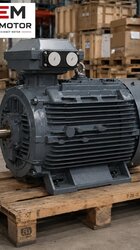
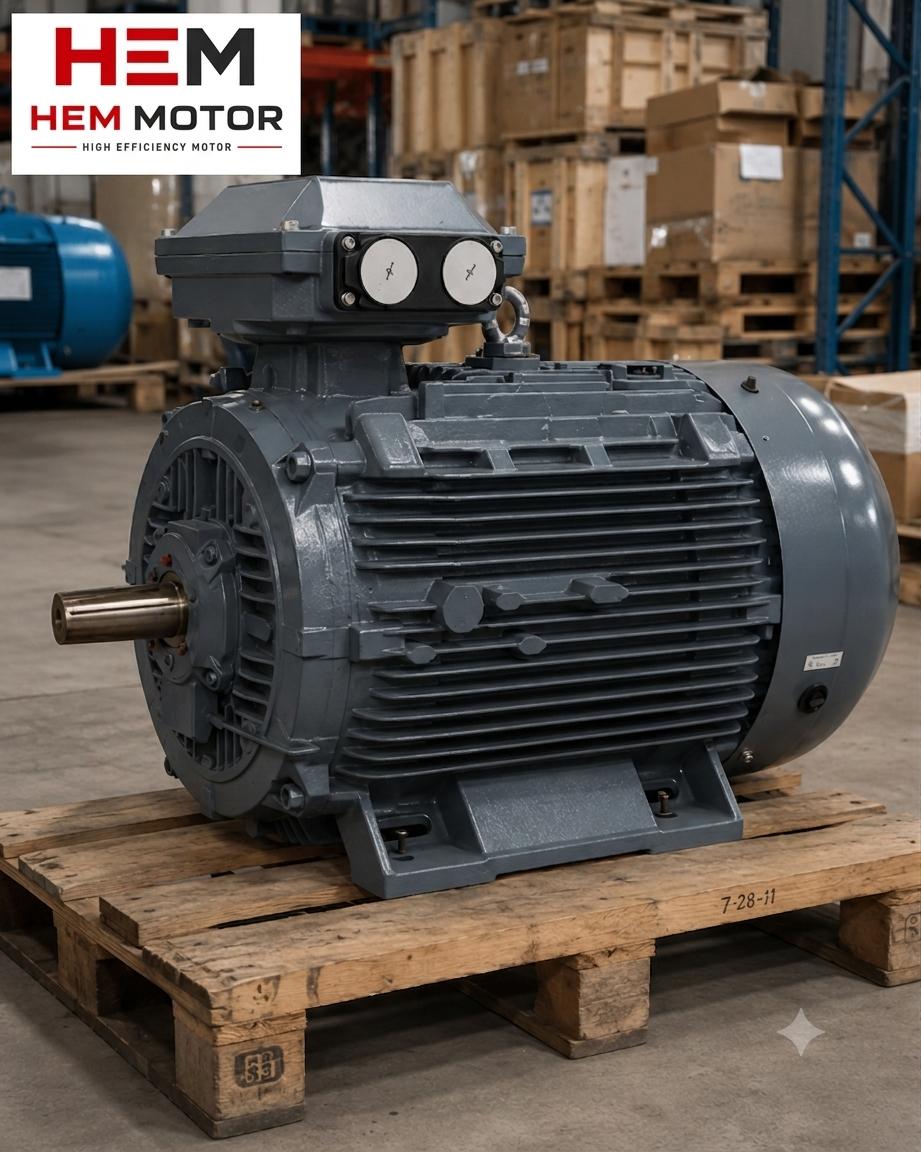

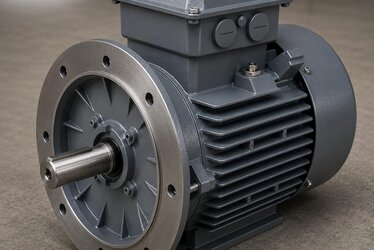
When replacing a failed IE3 motor, the most critical question is not power; it is mechanical fit. The new motor's foot holes must align with the base, its shaft with the coupling or pulley, and its flange with the machine. The key to all this is the standard match between IEC frame size and shaft diameter, shaft length and foot dimensions. In this article we provide the IEC 56-355 frame-to-shaft diameter table for IE3 motors as a practical replacement tool, so that you can order the correct size based on the frame size on the nameplate, without dismantling the old motor first. Our goal is to eliminate the lost time during assembly caused by the wrong shaft or wrong foot dimension.
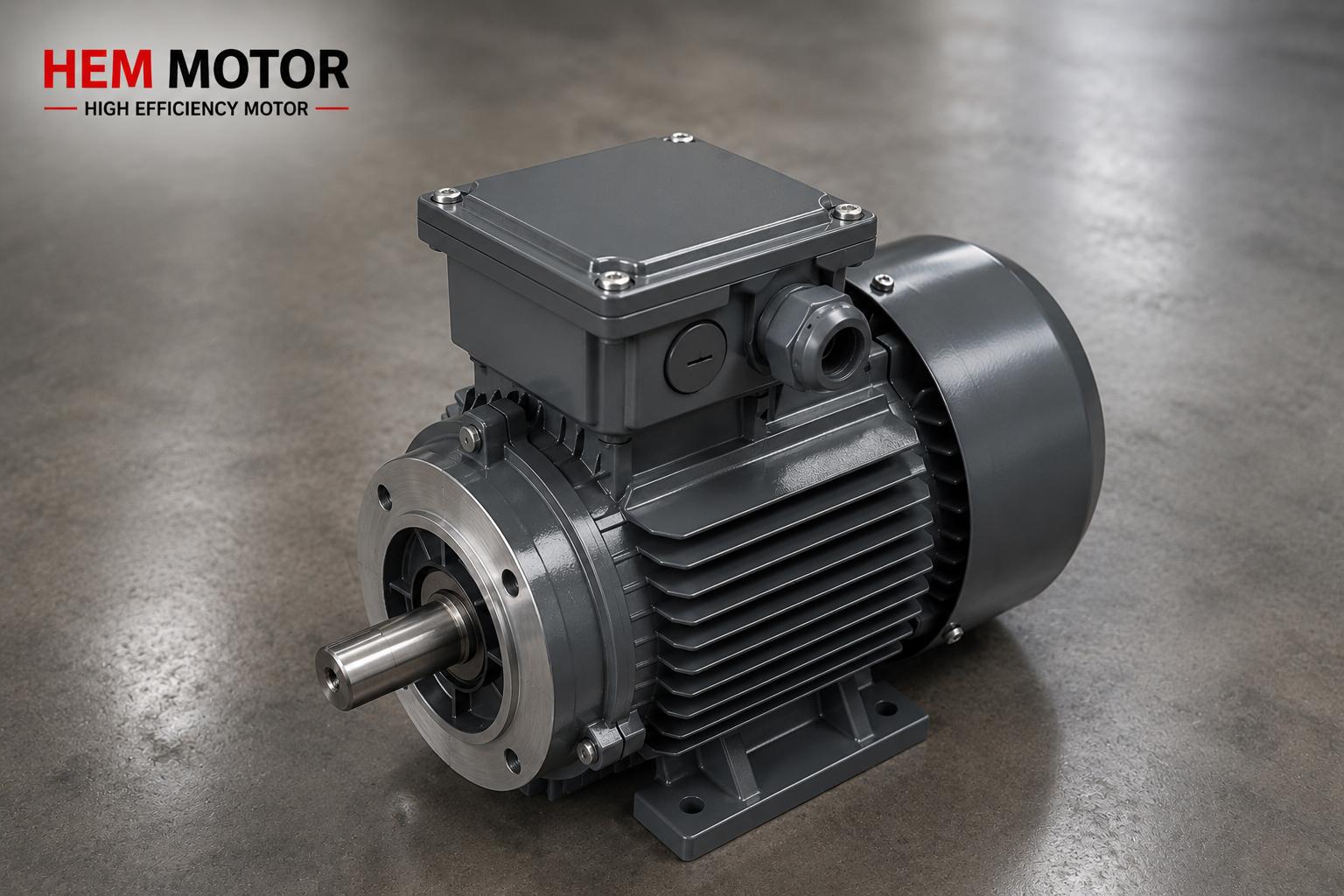
What Is IEC Frame Size and Why Does It Determine the Shaft Diameter?
IEC frame size is a standard number expressing, in millimetres, the height from the foot centre to the shaft centre of the motor. For example, frame 90 means the shaft centre is 90 mm above the base. Thanks to this standard, motors of the same frame size have the same foot hole spacing, the same shaft diameter and similar connection dimensions, regardless of brand. The same standard applies to IE3 motors; even though the efficiency class changes, the frame-shaft relationship follows the IEC norm.
The logic of a replacement order is this: you read the frame size on the old motor's nameplate (for example 112M), look at the table, and request an IE3 motor of the same frame; the shaft diameter and foot dimensions match automatically. We explained all the steps of replacing an old-brand motor with an equivalent in our old-brand motor direct replacement article; and to prevent receiving the wrong motor, our pre-order nameplate matching guide is a good checklist.
IEC 56-355 Frame - Shaft Diameter and Shaft Length Table
The table below gives the shaft diameter and shaft length match for standard IEC frame sizes. These values are standard per the IEC norm and are used as a reference in direct replacement. Shaft diameter (D) and shaft length (E) are in millimetres. As there can be small differences by brand and series on large frames, we recommend confirming the coupling/pulley dimension for critical connections.
| IEC Frame | Shaft Diameter D (mm) | Shaft Length E (mm) | Typical Power (4-pole) |
|---|---|---|---|
| 56 | 9 | 20 | 0.09-0.12 kW |
| 63 | 11 | 23 | 0.18-0.25 kW |
| 71 | 14 | 30 | 0.37-0.55 kW |
| 80 | 19 | 40 | 0.75-1.1 kW |
| 90S/90L | 24 | 50 | 1.1-1.5 kW / 1.5-2.2 kW |
| 100L | 28 | 60 | 2.2-3 kW |
| 112M | 28 | 60 | 4 kW |
| 132S/132M | 38 | 80 | 5.5 kW / 7.5 kW |
| 160M/160L | 42 | 110 | 11 kW / 15 kW |
| 180M/180L | 48 | 110 | 18.5 kW / 22 kW |
| 200L | 55 | 110 | 30 kW |
| 225S/225M | 60 | 140 | 37 kW / 45 kW |
| 250M | 65 | 140 | 55 kW |
| 280S/280M | 75 | 140 | 75 kW / 90 kW |
| 315S/315M | 80 | 170 | 110 kW / 132 kW |
| 355M/355L | 100 | 210 | 200 kW / 250-355 kW |
When using this table, it is important to read the frame code on the nameplate correctly. If you want to go deeper into shaft and key dimensions in terms of coupling and pulley fit, our motor shaft diameter and key dimensions article is complementary. We covered the shaft-key-coupling match in cast-iron-body motors in our shaft diameter, key and coupling in cast-iron motors article.
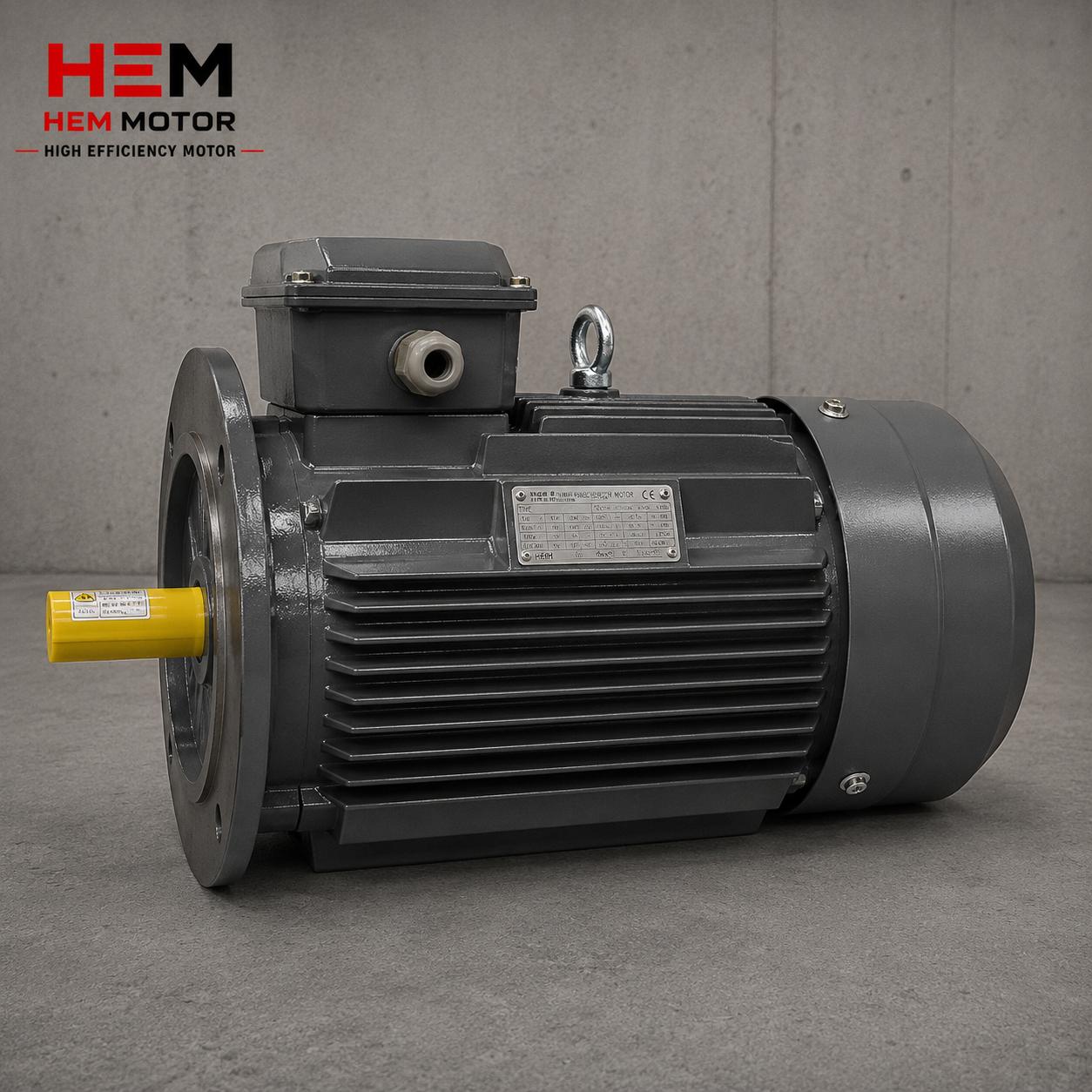
The Same Frame Can Have Different Power and Speed
One frame size does not correspond to a single power. For example, frame 132 may be 7.5 kW at 4 poles but reach a higher power at 2 poles, because different powers are produced within the same frame with different pole counts and winding designs. So in a replacement order you must give the frame size, the power and the speed (pole count) together. We collected the most sought-after power and speed combinations for IE3 motors in our IE3 electric motor stock guide article. You can find the cast-iron frame size to power match in our cast-iron frame size and power matching article.
Flange and Mounting Type: The Shaft Fit but the Flange Did Not
Even if the shaft diameter is correct, if the motor's way of connecting to the machine differs, assembly still causes problems. Foot-mounted (B3), large-flange (B5), small-flange (B14) and combined (B35) types each offer a different connection surface. It is essential to read the mounting code on the nameplate correctly and order the same type. We explained flange selection in our B5 vs B14 flange article; to see all connection types on the product side, you can review our electric motor mounting types page.
You can reach our IE3 product range from the IE3 electric motors page, and IE4 equivalent options from the IE4 electric motors page. You can also browse all our reading the IE3 motor nameplate guides and our main HEM Motor page.
Key Dimension and Keyway: The Hidden Detail of Coupling Fit
Even if the shaft diameter is selected correctly from the table, the torque transfer from the coupling or pulley to the shaft happens through the key. Each IEC shaft diameter corresponds to a standard key width and height; for example, a 28 mm shaft uses an 8 mm key and a 38 mm shaft a 10 mm key. If the keyway on the shaft does not match the keyway in the coupling hub, the connection cannot be completed even if the shaft fits mechanically. That is why, in a direct replacement, confirming the key dimension alongside the shaft diameter matters, especially on machines using a special coupling or pulley.
Since key dimensions also follow the IEC norm, compatibility is generally ensured on standard motors of the same frame; however, if the coupling on the machine side is custom-made, confirmation is needed. To set up the shaft diameter, key and coupling fit correctly, you can review our motor shaft diameter and key dimensions article. We also addressed correct mechanical matching specifically for cast-iron motors in our shaft diameter, key and coupling in cast-iron motors article. If you state your existing coupling type at the quote stage, we confirm the shaft and key fit in advance.
Frame Weight, Handling and On-Site Assembly
IEC frame size determines not only the shaft and foot dimensions but also the motor''s weight and handling method. While frames from 56 to 100 can be handled by hand, frames 160 and above reach significant weight and require a lifting eye (lifting ring) together with a forklift or chain hoist. When ordering a large-frame IE3 motor, planning the equipment needed for lowering it to the site and assembly from the start ensures you do not experience delays during commissioning. In addition, the floor and base strength must be taken into account for heavy motors.
We addressed the weight and handling topic by frame size in our cast-iron motor frame sizes and weight article. We shared the lead-time, shipping and commissioning plan for high-power motors in our 90 kW and above high-power motor supply article. We listed the points to check on delivery and how to reduce damage risk during transport in our damage risks in electric motor transport article.
Four Critical Matches in a Replacement Order
To replace an IE3 motor exactly, the shaft diameter from the table is not enough on its own; four values must hold together. First is the frame size and the associated shaft diameter, shaft length and foot hole dimensions. Second is the power (kW); since different powers can exist in the same frame, this must be stated separately. Third is the speed (pole count); 2, 4, 6 or 8 poles can be produced in the same frame and are chosen by application. Fourth is the mounting/flange type; it must be the same as the old motor as B3, B5, B14 or B35.
Reading these four values from the old motor''s nameplate and requesting the same almost eliminates the risk of the wrong motor. If the nameplate is unreadable, you can determine the frame size and shaft diameter from the table by taking measurements and clarify the remaining information with us. We explained how to read the IE3 motor nameplate in our reading the IE3 motor nameplate article, and the most sought-after IE3 power and speed combinations in our 5.5 and 7.5 kW IE3 motor stock guide article. For a correct replacement, sending us the nameplate information is enough.
Taking Measurements Without Dismantling the Old Motor: Field Practice
In many replacement situations the motor is in service and you need to take measurements without dismantling it; or the nameplate of the failed motor is unreadable. In this case you can use the table in reverse: measure the shaft diameter with a caliper, take the height from the foot centre to the shaft centre with a tape, and match these two values with the table to find the frame size. For example, if you measured a shaft diameter of 38 mm and a shaft height of 132 mm, your motor is most likely frame 132. Measuring the foot hole spacing (lengthwise and crosswise) is another way to confirm the match.
A point to watch in field measurement is that the shaft can be stepped; on some motors the shaft tip is thinner. The measurement must be taken on the main diameter where the coupling seats. In addition, on flange-mounted motors, the flange diameter and pitch circle dimensions also help confirm the frame size. After taking these measurements, you can derive the remaining information (power, speed, mounting type) from the old motor''s operating conditions or the machine it is connected to. To prevent receiving the wrong motor, we recommend clarifying all this information before ordering.
We addressed all the steps of replacing an existing motor with an equivalent in our old-brand motor direct replacement article, and the IEC connection dimensions for replacing with an IE4 equivalent in our replacing a motor with an IE4 equivalent article. We also compared whether staying with IE3 or moving to IE4 is sensible in our staying with IE3 or moving to IE4 article. If you send us the shaft diameter, shaft height and foot dimensions you measured, we determine the right frame and replacement motor together.
Frequently Asked Questions
How do I find the frame size of my old motor?
The frame size is printed on most motor nameplates (for example 112M, 132S). If the nameplate is unreadable, you can find the frame size from the table by measuring the height from the foot centre to the shaft centre in millimetres. If you are unsure, send us the shaft diameter and foot hole spacing dimensions, and we will determine the right frame together.
Does every IE3 motor of the same frame fit exactly?
Thanks to the IEC standard, the foot dimensions and shaft diameter of motors of the same frame size match. Still, the power, speed (pole count), mounting type and flange dimension must also be the same. Taking these four values from the old motor's nameplate and requesting the same is the safest path to a direct replacement.
What if the shaft diameter matches but the shaft length differs?
Shaft length determines the seating length of the coupling or pulley; a short shaft can prevent the coupling from seating fully, while a long shaft can cause surface interference. The E value in the table is the standard reference; for critical coupled connections we recommend confirming the existing shaft length and sharing it with us at the quote stage.
Get a Quote
To replace your old IE3 motor exactly, send us the frame size, power and speed; we will offer a stock motor of the correct shaft diameter and size with fast delivery options. Call us now at +90 (532) 345 49 86 or request a quote via our contact page.