English
 Türkçe

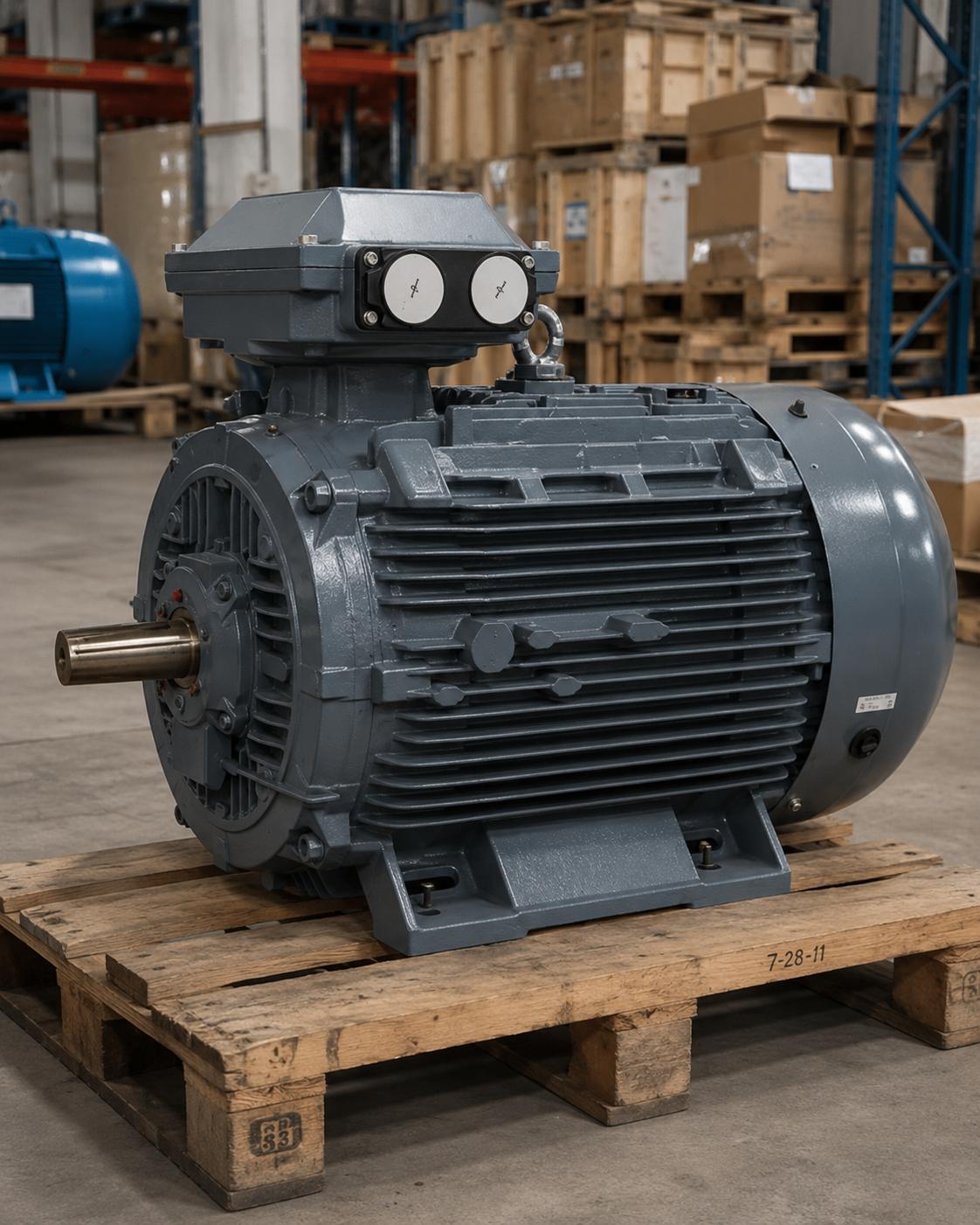

Seeing the residual current device (RCD) trip when you first run a high-efficiency IE3 motor after installation is a common and confusing situation in the field. The motor is sound, the fuse does not blow, yet the residual current device persistently opens the circuit. Knowing that this situation is most often not a fault, but a mismatch between the leakage current flowing to ground and the RCD's trip threshold, is the key to setting up both the motor and the facility correctly. Especially in single-phase fed IE3 motors or those running through a frequency drive, earth leakage current and RCD selection must be handled carefully.
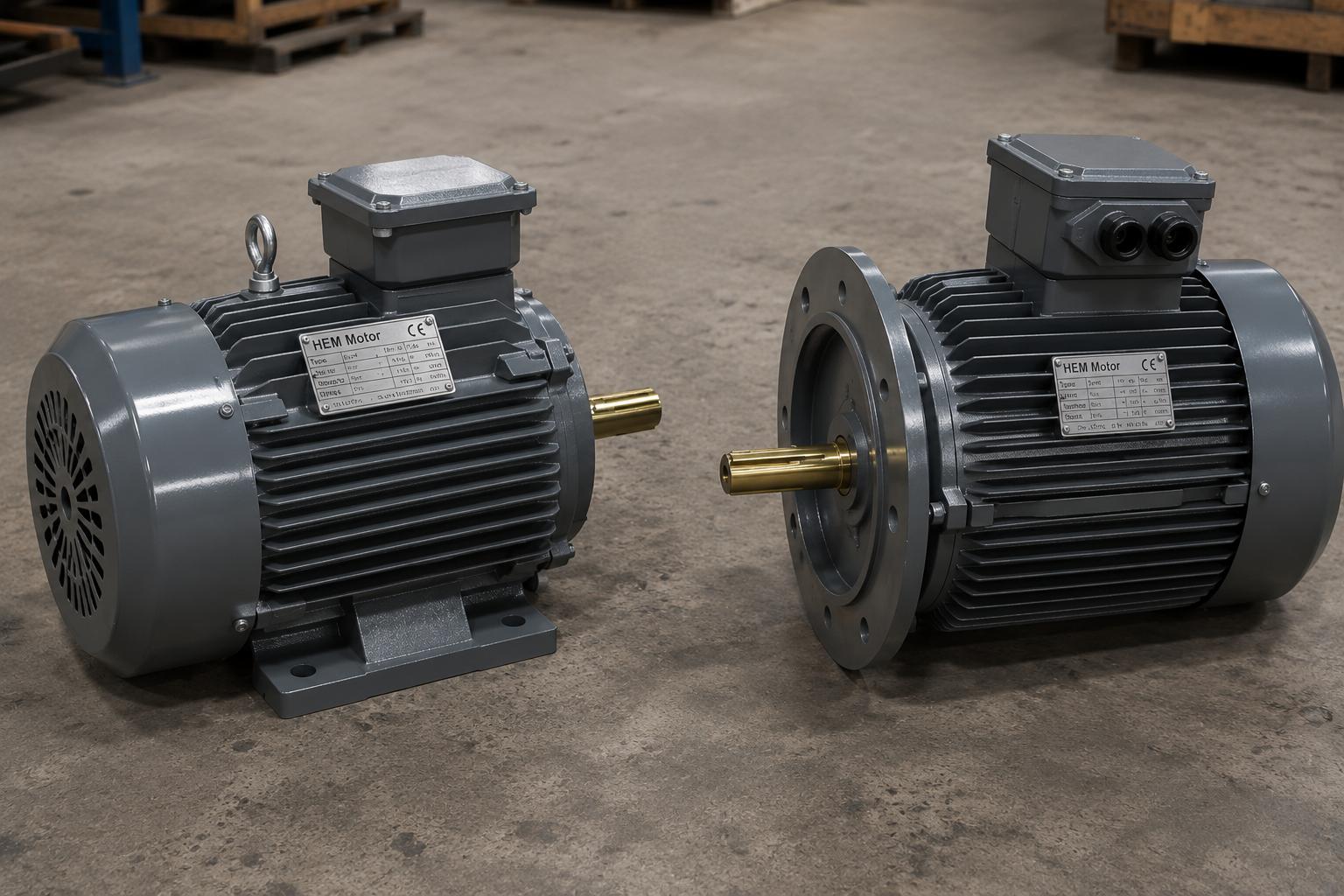
As HEM Motor, when we supply efficient motors, we consider not only the motor itself but also how the motor will be integrated into the facility. In this article we explain where earth leakage current in IE3 motors comes from, how RCD selection is made, and the correct supply that prevents nuisance tripping. You can review our IE3 and efficient motor range and current electric motor prices on our product pages.
What Is Leakage (Earth Leakage) Current?
Leakage current is when a portion of the current that should normally flow from the phase conductor to the load and return from neutral to the grid unintentionally flows to the earthing line. In a motor this current arises from two main sources: capacitive leakage across the winding insulation and real leakage caused by insulation weakening. Even in a healthy motor a small capacitive leakage current is always present.
- Capacitive leakage: Arises from the natural capacitance between the winding and the frame; it exists even when the motor is sound and increases with a frequency drive.
- Insulation leakage: Appears when the winding insulation weakens due to moisture, ageing or damage; this is a sign of a real fault.
- Total leakage: The RCD measures the sum of these two leakages and opens the circuit if the threshold is exceeded.
We detail how insulation health is measured in a motor in our insulation resistance and megger test in asynchronous motors article, and motor grounding and equipotential bonding in our grounding and equipotential bonding in IE3 motors article.
How Does an RCD (Residual Current Device) Work?
An RCD continuously compares the currents passing through phase and neutral. Normally the outgoing and returning currents are equal; if some current is leaking through ground, this balance is broken and the RCD opens the circuit when a certain threshold is exceeded. The threshold value (for example, low for personal safety, higher for fire protection) is selected per application.
- Trip threshold: An RCD trips at a certain leakage current value; if the threshold is set too low, even normal capacitive leakage can cause tripping.
- RCD type: AC, A, F and B type RCDs detect different current waveforms; type selection is critical in systems with a frequency drive.
- Selectivity: If multiple motors are connected to the same RCD, the total leakage can accumulate and cause nuisance tripping.
We address RCD compatibility in an efficient motor and preventing nuisance tripping in a VFD-fed motor in our leakage current and RCD compatibility in IE4 motors: preventing nuisance tripping in a VFD-fed efficient motor article.
Why Does a Frequency Drive (VFD) Increase Leakage Current?
IE3 motors are often run with a frequency drive (VFD). The VFD feeds the motor with high-frequency pulses; these pulses drive a high-frequency leakage current to ground through the capacitance between the winding and the frame. As a result, in a VFD system the earth leakage current is significantly higher than with direct grid supply.
- High-frequency leakage: The VFD's switching frequency amplifies capacitive leakage; a standard AC type RCD can misdetect this.
- Cable length: A long motor cable raises leakage current by increasing capacitance.
- Shielded cable: The shielded cable used for EMC can affect leakage current if not grounded correctly.
You can review the effect of VFD-motor cable distance in our VFD-motor cable distance in electric motors: voltage reflection, dv/dt and filter article, and grounding and EMC in our grounding and EMC in electric motors: shielded cable in a VFD system article.
Leakage Current in Single-Phase Supply
In single-phase fed motors, leakage current behavior is slightly different from three-phase systems. In a single-phase motor the balance between neutral and phase is monitored by the RCD; current leaking to the frame or ground breaks the balance. Moisture, capacitor-start circuits and long cables can affect leakage current in single-phase systems.
- Moisture effect: A motor stored long-term or kept in a humid environment absorbs moisture in its insulation; leakage rises on first start.
- Capacitor circuit: The start/run capacitors of single-phase motors can affect leakage current behavior.
- Grounding quality: Weak grounding can cause the RCD to misdetect.
We address moisture and commissioning issues in a long-stored motor in our electric motor storage and long-term keeping: moisture, bearings and commissioning article.
The Correct Approach to Preventing Nuisance Tripping
To prevent the RCD from nuisance tripping, the source of the problem must be diagnosed correctly. Often the solution is not to replace the motor, but to select the correct RCD type and threshold, fix the grounding and do the cabling properly.
- Correct RCD type: In VFD systems, an A, F or B type RCD instead of AC type; selected per application.
- Threshold selection: A reasonable threshold must be set by accounting for normal capacitive leakage.
- Circuit splitting: Many motors should not be connected to a single RCD; groups should be separated to limit total leakage.
- Insulation check: If there is a real insulation fault, it must be diagnosed with a megger test.
We detail planning motor protection devices together in our electric motor protection devices: what to request together when buying article, and thermal-relay-fuse selection in our electric motor protection: thermal, relay and fuse selection article.
IE3 Efficiency Class and Regulation
IE3 is the premium efficiency motor class and is mandatory by regulation in many power ranges. The advantage of an efficient motor is sustainable only when it is correctly protected and correctly installed. A motor that trips continuously due to RCD mismatch consumes its efficiency advantage with lost production.
We address the IE3 efficiency class requirement and which class is required at which power in our IE3 efficiency class requirement: which class is required at which power article, and the dates of the IE3 and IE4 efficiency mandate in our IE3 and IE4 efficiency requirement: which motor is mandatory from which date article.
Supply and Correct Installation
As HEM Motor, when we supply an IE3 motor, we ask about the system in which the motor will run (single-phase/three-phase, direct grid/VFD); we provide the correct guidance on grounding, protection and RCD compatibility. This minimizes nuisance tripping and commissioning issues in the field. You can review our IE3 efficient motor range on our IE3 efficient electric motors page, and efficient motor options on our IE4 high-efficiency electric motors page.
Frequently Asked Questions
The RCD trips when my IE3 motor runs, is the motor faulty?
Not necessarily. An RCD tripping does not always mean a motor fault; often the normal capacitive leakage current exceeds the RCD's trip threshold. The high-frequency leakage current rises especially in systems with a frequency drive. First check that the correct RCD type and threshold are selected and that the grounding is sound; if a real insulation fault is suspected, a megger test should be performed.
Which RCD type should be used on an IE3 motor running with a VFD?
In systems with a frequency drive, a standard AC type RCD may not correctly detect the current waveform the drive produces and may trip falsely. Therefore an A, F or B type RCD is preferred per application. In addition, since the motor cable length and shield grounding also affect leakage current, doing these correctly makes RCD compatibility easier.
What increases leakage current in a single-phase motor?
The factors that most increase leakage current in single-phase motors are moisture absorbed by the insulation of a motor kept in a humid environment for a long time, the start/run capacitor circuits, and weak grounding. Before running a long-stored motor, the insulation resistance should be checked and drying done if necessary; this prevents nuisance tripping on first start.