English
 Türkçe


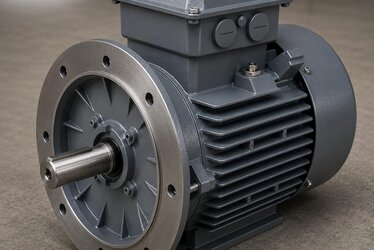
When an IE3 electric motor arrives at the facility, the delivery and acceptance inspection done before opening its box and storing it prevents many problems that could arise later. A hidden damage that occurred during transport, a frame different from what was ordered, a missing accessory, or a mismatch between the label and the order, if noticed while trying to commission the motor at the moment of installation, causes both a loss of time and a work stoppage. In this guide we cover step by step the receipt of the IE3 motor, packaging and pallet inspection, signs of transport damage, label-order matching, free rotation check of the shaft, insulation check, stock entry and recording, and missing accessory check. A correct acceptance inspection is also the foundation of stock entry.
First Look at Delivery: Packaging and Pallet Inspection
When receiving the motor, the first task is to inspect the outside of the packaging before or as soon as it comes off the truck. A crushed box, torn stretch wrap, broken pallet, signs of wetting or tipping are the first indications that there may be damage to the motor inside. If there is a tilt/shock indicator on the pallet, it must be checked. If there is visible damage, do not accept the delivery without noting it on the waybill. We covered transport and stacking damage in heavy-framed motors such as cast iron in our transport, packaging and stacking article and general transport damage risks in our shipping damage checklist content.
Signs of Transport Damage: Shaft, Terminal Box and Fins
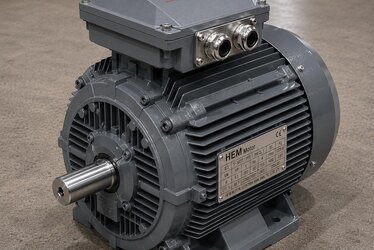
After the packaging is opened, the physical damage of the motor is carefully sought. The three most critical areas are:
- Shaft: There should be no bending, scratches, impact marks on the shaft or crushing in the keyway. A bent shaft causes misalignment and vibration in mounting. We explained shaft diameter and key dimensions in our shaft diameter and key dimensions article.
- Terminal box: A cracked cover, gasket damage or a detached fastener degrades the IP protection. You can find terminal and cable connection in our terminal box and cable connection content.
- Cooling fins and fan cover: A broken fin or dented fan cover weakens cooling. We covered the effect of fins and dirt buildup on efficiency in our cooling fins and cleaning article.
We detailed the more comprehensive acceptance inspection with megger, rotation direction and vibration in our delivery and acceptance inspection article.
Label-Order Matching: kW, IE3 and Frame
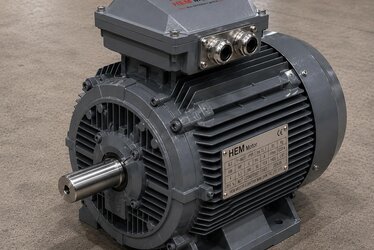
As important as the physical check is that the information on the motor nameplate matches the order exactly. Compare the following fields with your order document: rated power (kW), efficiency class (IE3), poles/speed, voltage, frame size, mounting type (B3/B5/B35) and IP protection class. Even a mismatch in a single field (for example 2 poles instead of 4, or frame 160 instead of 132) causes the motor not to fit the machine. We explained reading the IE3 label in our reading the IE3 motor nameplate article and exact matching by label in our prevent the wrong motor delivery content. You can find at which powers the IE3 efficiency mandate applies in our IE3 efficiency class mandate article.
Free Rotation Check of the Shaft
Checking that the shaft rotates freely by turning the motor by hand is a simple but valuable test. If the shaft is hard to turn, sticks, or an abnormal sound or friction is felt while turning, there may be transport damage to the bearings (brinelling) or a problem in the bearing housings. Bearings can be damaged especially in motors that remain stationary for a long time or are transported with vibration. We covered bearing life and bearing quality in our bearing and housing life article and bearings and commissioning in storage in our storage and long-term standing content. A motor that does not rotate freely should be evaluated with the supplier before being taken into stock.
Insulation (Megger) Check
At stock entry, measuring the insulation resistance with a megger (megohmmeter) is recommended, especially for motors transported or stored in humid conditions. Low insulation resistance indicates moisture or damage in the winding, and drying may be required before the motor is run. We explained insulation resistance and the megger test on an asynchronous motor in our insulation resistance and megger test article and the effect of moisture on bearings and windings in our storage, moisture and bearings content. The measured value should be recorded; it forms a reference for future comparison.
Missing Accessory Check
If the order includes an accessory pack (gland, key, eyebolt, additional terminal element, certificate or document), it must be checked at delivery that these have arrived in full. A missing key or gland can cause work to stop on the day of installation. We covered the importance of requesting protection equipment together with the motor in our purchasing protection equipment article and the warranty scope in our what the electric motor warranty covers content. Documents and certificates (efficiency certificate, conformity) should also be filed at this stage; you can find IE3 efficiency measurement and certification in our IE3 efficiency measurement and certificate article.
Stock Entry and Recording
After the acceptance inspection is completed, the motor is registered in the stock system. The record should include the frame size, kW, speed, efficiency class, mounting type, serial number and delivery date. This record allows the correct spare to be found quickly when a critical motor fails later. We covered stocking critical spare motors for facilities in our critical spare motor list article and the most-sought IE3 power and speed combinations in our IE3 electric motor stock guide content. You can find motor fleet management in multi-shift facilities in our motor fleet management article.
Storage Conditions: Moisture and Bearing Protection
The IE3 motor taken into stock should be stored in a dry, vibration-free environment. For motors that will wait a long time, it is recommended to turn the bearings by hand at certain intervals and protect them from moisture; otherwise point pressure (brinelling) in the bearing housing and moisture in the winding may accumulate. We explained storage conditions and commissioning in detail in our storage, standing, moisture and bearings article. Correct positioning of the condensation drain hole in cast iron framed motors also prevents water accumulation in a humid warehouse; see our condensation drain hole content.
Rotation Direction and a Short No-Load Run Test
If possible, performing a short no-load run test on the motor before taking it into stock reveals hidden problems early. In this test the rotation direction of the motor is checked, and it is observed whether there is abnormal noise, excessive vibration or heating. The rotation direction depends on the phase sequence and can be reversed by swapping two phases; we explained this in our rotation direction and phase sequence and generally in our motor rotation direction and phase sequence articles. We collected the commissioning and first startup steps in our commissioning and first startup checklist content. A no-load test quickly verifies both the mechanical and electrical health of the motor.
Temperature Protection and Terminal Connection Check
If the IE3 motor includes a temperature protection element (PTC or PT100), it must be checked at delivery whether the connection terminals of these elements in the terminal box are correctly labeled. An incorrectly or incompletely connected temperature protection leaves the motor unprotected against overheating. We covered correctly installing temperature protection in our temperature protection PTC/PT100 wiring article and winding temperature monitoring in our PT100 and thermistor temperature monitoring content. It must also be checked that the terminal bridge plates and connection elements are complete; you can find terminal connection and voltage selection in our terminal star-delta voltage selection article.
The Role of Acceptance Inspection in the Rewind vs New IE3 Decision
If the received motor is a replacement for a faulty motor, the acceptance inspection also feeds the decision about the fate of the old motor: is it more sensible to rewind the faulty motor or replace it with a new IE3? We covered the efficiency loss of rewinding and its comparison with new IE3 purchase in our rewinding an IE3 motor and generally in our rewind or buy new articles. A new IE3 motor taken into stock with a correct acceptance inspection enables rapid replacement at the moment of critical failure; this reduces downtime cost.
Frequently Asked Questions
There is no visible damage at delivery, but can there be damage inside?
Yes. Even if the packaging looks intact, a hard impact or vibratory transport can cause shaft bending, point damage (brinelling) in the bearing, or loosening in the winding. Therefore, in addition to packaging inspection, it is important to turn the shaft by hand, measure the insulation, and if possible perform a short no-load run test. You can find the comprehensive acceptance test in our delivery and acceptance inspection article.
The frame on the label turned out different from what I ordered, what should I do?
Do not take it into stock and contact your supplier immediately. A frame size difference (for example 160 instead of 132) causes the motor not to fit the machine, from the coupling to the foot hole. Exact matching by label is essential for correct replacement; we explained this in our direct replacement of old brand motor article. Giving correct information at the quote stage prevents this problem from the start.
I will not use the motor immediately, is inspection still essential?
Yes. Detecting damage or mismatch at the moment of delivery protects your right to return or exchange later; objecting to damage noticed months later is much harder. Also, when the stock record is kept correctly, you can quickly find and commission the motor when needed. You can find stock planning in our critical spare motor list article.
Get a Quote
In IE3 motor supply, let us quickly provide motors from our stock with the correct label, undamaged and completely packaged. We help you clarify your order information so that you do not experience problems at delivery. You can reach us at +90 (532) 345 49 86 or request a quote through our contact page. You can review the full range from our homepage and the most-sought IE3 powers from our 5.5 and 7.5 kW IE3 motor article.
Delivery, Acceptance and Stock Entry Checklist
- Were the packaging, pallet and stretch wrap inspected externally, is there damage?
- Is there an impact mark on the shaft, terminal box or cooling fins?
- Do the kW, IE3, poles/speed, voltage, frame and IP on the label match the order?
- Was the shaft turned by hand, does it rotate freely?
- Was the insulation resistance (megger) measured and recorded?
- Are the accessories (key, gland, eyebolt, documents) complete?
- Were the serial number and technical data entered into the stock system?
- Is the storage dry, vibration-free and protected from moisture?