English
 Türkçe

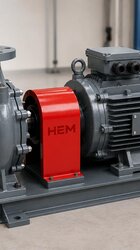
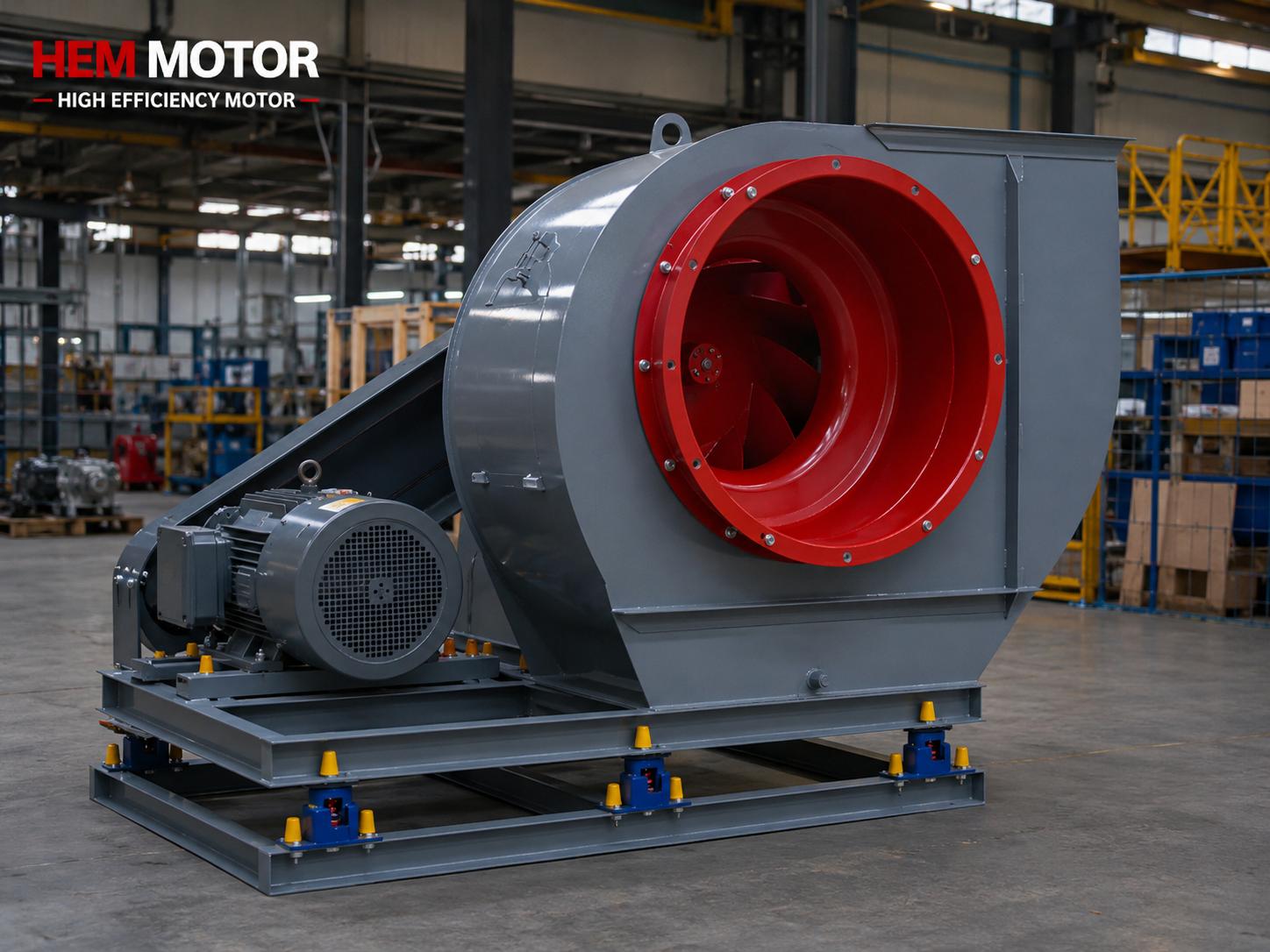

Selecting an electric motor in food, beverage and pharmaceutical plants is very different from selecting an ordinary industrial motor. In these plants the line is washed at the end of every shift with high-pressure, hot and often chemically dosed water. A standard IP55 motor cannot withstand this washing for long; water seeps into the terminal box and winding, corrosion begins and the motor fails early. This is where the IP69K protection class comes in. In this guide we cover what IP69K means, which plants make it mandatory, the IP55-IP65-IP66-IP69K comparison, the washdown motor design and correct motor selection in hygienic plants.
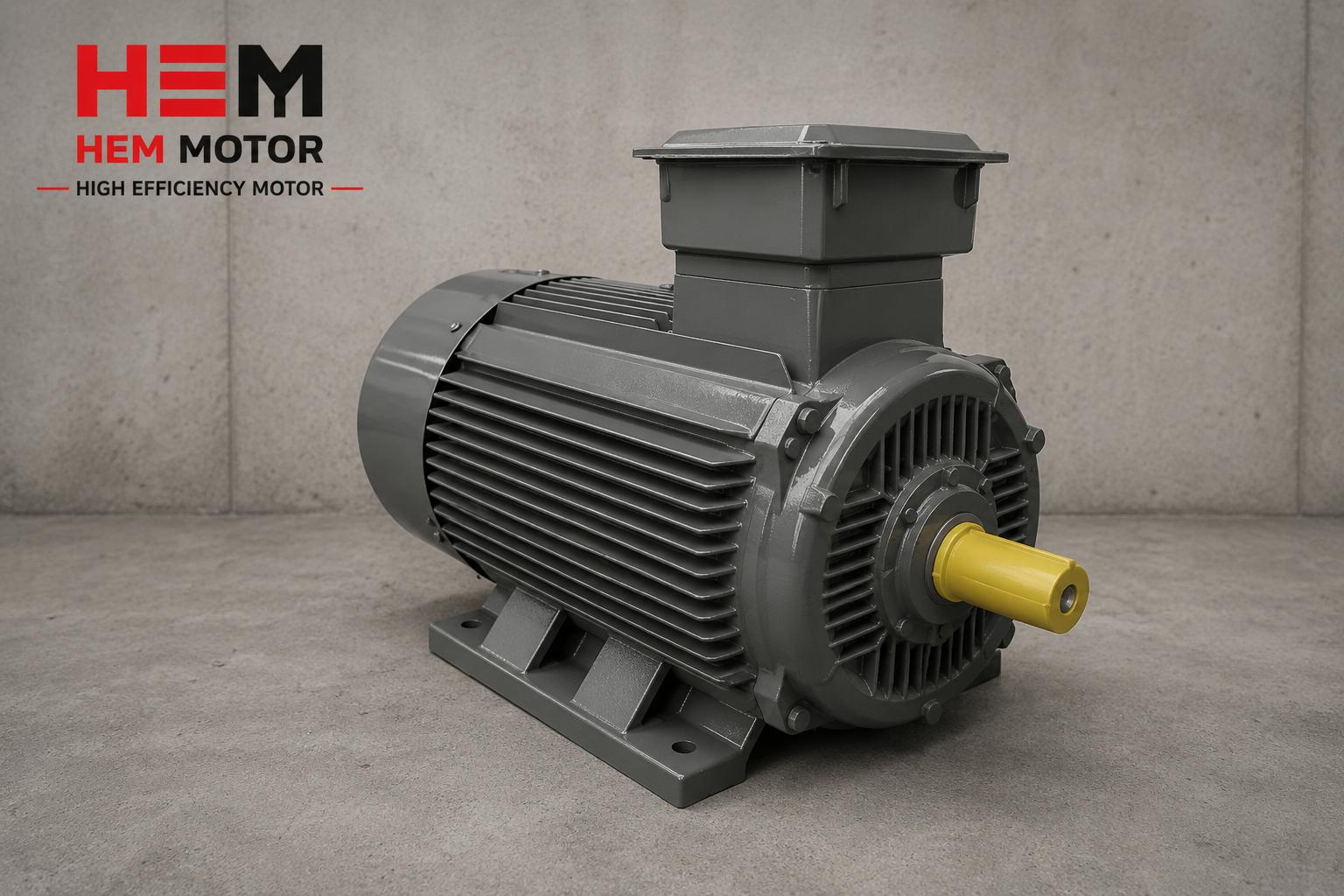
How to Read the IP Protection Class Briefly
The IP (Ingress Protection) code consists of two digits. The first digit shows protection against solid objects and dust, the second against water. For example in IP55 the first 5 expresses dust protection and the second 5 protection against water jets from all directions. We explained the basis of IP protection selection in detail in electric motor IP protection class selection (IP55, IP65, IP66). IP69K is the top step of this scale and requires a special test.
What Is IP69K? Definition and Test Conditions
IP69K is the most demanding water protection, defined in the ISO 20653 standard. Typical test conditions are:
- High water temperature: the test is carried out with water at about 80 degrees.
- Very high pressure: a water jet at about 80-100 bar is applied.
- Close range: the water jet is sprayed onto the frame from about 10-15 cm, at defined angles.
- Rotating test: the motor is slowly rotated under the jet to test the sealing of every surface.
So an IP69K certified motor is designed to withstand hot, high-pressure steam washing at close range. This is exactly the challenge the daily sanitation (CIP/cleaning) wash of a food line directs at the motor. A standard motor cannot meet this condition; special sealing and frame design are required. The sealing of the terminal box and cable entry is critical here; we covered the topic in motor terminal box and cable connection.
IP55 - IP65 - IP66 - IP69K Comparison
To understand which protection class suits where, it helps to look step by step:
- IP55: dust protected, withstands low-pressure water jets from all directions. It is the general industrial standard; the standard protection class of HEM Motor range motors is IP55. It is sufficient for dry environments without washing.
- IP65: fully dust-tight, withstands low-pressure water jets. Preferred for dusty and slightly damp environments.
- IP66: fully dust-tight, withstands powerful water jets. Suitable for open field, crushers and environments near washing. We explained dust sealing in crushers in IP65/IP66 protection in crusher motors.
- IP69K: withstands hot (80 degrees), high-pressure (80-100 bar) and close-range washing. It is the top level for hygienic food, beverage and pharmaceutical plants.
An important note: IP69K does not automatically cover IP66 or IP67; these are different test types. On motors that must withstand both immersion and high-pressure washing, both codes are expected on the nameplate (for example IP66/IP69K). To determine the right class, plant conditions must be defined clearly; our IP protection in cooling tower and chiller fan motors article also gives an example.
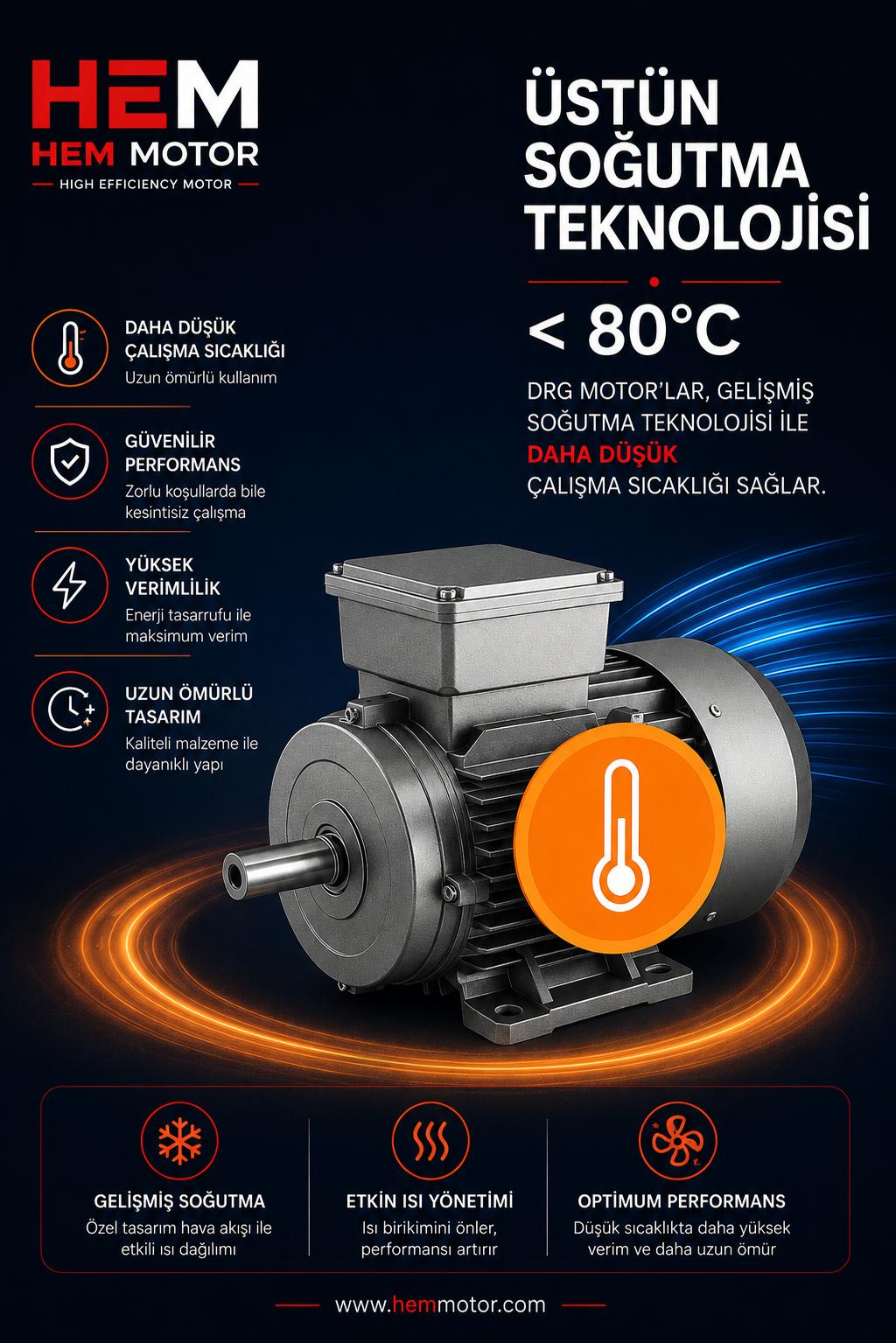
Washdown Motor Design
IP69K protection is not just a label but a complete design philosophy for the motor. The following features stand out in washdown duty motors:
- Smooth, sloped frame: surfaces where water and cleaning fluid do not pool but flow off easily. No corners or pockets that trap bacteria are left.
- Stainless or specially coated surface: material resistant to corrosion and chemical cleaners. On a cast iron frame, special paint/cataphoresis coating provides corrosion protection; we explained this in paint and cataphoresis coating in cast iron motors.
- Reinforced sealing gaskets: special seals and gaskets at the shaft exit, end shields and terminal box. We covered oil seal and sealing in oil seal and sealing in cast iron motors.
- Sealed terminal box and cable gland: the point water most often enters is the terminal box; a special gland and gasket are essential.
- Finless or easy-clean frame: a design that prevents dirt and organic residue from accumulating between cooling fins.
These features ensure not only the water tightness of the motor but also its hygienic cleanability. On a food line both are sought together.
Which Plants Require IP69K?
Every hygienic production line with high-pressure, hot and frequent washing nominates an IP69K motor:
- Dairy, meat and beverage plants: intensive washing is done at the end of every shift. We covered this sector in dairy, meat and beverage plant electric motors.
- Food factories: hygiene and IP protection are sought together; see our food factory electric motors article.
- Pharmaceutical, cosmetics and cleaning product factories: require a sterile environment and frequent sanitation; our cosmetics and cleaning product factory motors article gives an example.
- Meat processing, slaughterhouse and ready-meal lines: intensive cleaning with hot water and disinfectant.
- Beverage filling and bottling lines: continuously wet environment and washing.
In these plants, selecting the wrong motor stops not only the motor but the whole line and creates a food safety risk. That is why the IP protection class is a criterion that comes before power in purchasing. IP selection is also critical for acidic and damp environments such as leather and batteries; for example see our battery and cell production plant motors article.
Points Not to Miss When Selecting an IP69K Motor
High IP protection does not mean the other technical features of the motor can be neglected. When selecting an IP69K motor, the following must be evaluated together:
- Insulation and temperature class: a closed, sealed frame dissipates heat less easily, so insulation class and temperature rise matter. We covered the topic in winding and insulation class (F/H).
- Duty type: our duty type (S1-S6) selection article guides selection by continuous or intermittent operation.
- Efficiency class: since hygienic lines run continuously, IE3/IE4 efficiency lowers energy cost.
- Shaft and flange compatibility: for exact fit to the existing machine see our nameplate matching article.
- Mounting type (B5/B14/B35): for mounting to a pump, mixer or reducer our B5 or B14 article helps.
For applications such as mixers, dosing and filling in a hygienic environment, the motor plus reducer is evaluated together; our geared motor or separate motor plus reducer article eases this decision.
IP69K Motor + Reducer: The Drive Solution on a Hygienic Line
In hygienic plants the motor is most often used not alone but together with a reducer: mixers, filling conveyors, dosing pumps and packaging lines require low speed and high torque. In this case not only the motor but also the reducer must be suitable for washing and hygiene. The reducer housing must also be smooth, sealed and cleanable; the output shaft seals must withstand wash water. Even if the motor is IP69K, a leak on the reducer side can put the whole system at risk.
There are two basic approaches here: selecting the motor and reducer separately and joining them with a suitable flange, or using an integrated (monoblock) geared motor. On a hygienic line, monoblock solutions are often preferred because they provide fewer connection points and fewer dirt-trapping surfaces. The correct mounting type (B5/B14) and IEC flange compatibility are critical so the motor seats on the reducer in a sealed manner. We covered motor-reducer selection in geared motor or separate motor plus reducer and IEC flange matching in worm gear reducer motor matching. For mounting type selection our B5 or B14 article guides you. As an example of hygienic mixer and filling applications see our motor selection in chemical, pharma and detergent factories article.
Hygienic Design and Cleanability: The EHEDG Approach
In food and beverage plants, motor selection does not end with preventing water ingress; the outside of the motor must also be cleanable so it does not harbour bacteria. The basic principle of hygienic design is to leave no corner, pocket, blind hole or horizontal surface where dirt and microorganisms can lodge. For this reason, in washdown motors the frame surfaces are sloped so wash water flows off without pooling; bolt heads and recesses are reduced as far as possible; labels are laser-marked or recessed so they do not leave adhesive when scraped.
The narrow gaps between the cooling fins of a classic industrial motor form an ideal nest for organic residue and bacteria in a food environment. So on hygienic lines, finless (smooth-frame) or wide-spaced, easy-wash frame designs are often preferred. Since the cooling surface decreases without fins, the thermal design of the motor is reinforced accordingly, which again brings the insulation class and temperature rise concepts to the fore. We explained the effect of insulation class on life in winding and insulation class (F/H) and the hot environment effect in insulation class in hot, dusty environments. For application details on the dairy, meat and beverage line see our dairy, meat and beverage plant motors article.
Cleaning Chemicals and Corrosion: Correct Material Selection
In hygienic plants washing is done not only with hot water but mostly with acidic or alkaline cleaning and disinfection chemicals. These chemicals erode standard paint and sealing materials over time. So in washdown motor selection, material resistance is as important as IP protection: the frame paint must be chemical-resistant and the seals and gaskets must be of a material compatible with the chosen cleaning agent. The wrong gasket material can harden and crack within a few months, breaking the sealing.
In direct food contact zones and points where aggressive chemicals are intense, a stainless frame is the safest solution, because stainless steel withstands both corrosion and repeated washing for a long time. In less aggressive environments, a specially corrosion-protected (cataphoresis-coated) cast iron frame can be a balanced option in terms of durability and cost. We covered paint and coating protection in paint and cataphoresis coating in cast iron motors and salty, damp environment protection in protection selection in salty environments. For damp, chemically intense environments such as leather and tanning, our leather and tanning factory motors article also offers an example.
Frequently Asked Questions
Does an IP69K motor also cover IP67 (immersion) protection?
No, not automatically. IP69K defines protection against high-pressure, hot water jets; IP67 defines protection against immersion at a certain depth and time. These are different tests. If the motor may be both washed and submerged, both codes (for example IP67/IP69K) should appear on the nameplate. If you specify your need clearly, we will recommend the right combination.
What happens if I use a standard IP55 motor on a wash line?
In the short term there may be no visible problem, but high-pressure hot water seeps in through the seals and terminal box over time. Moisture, corrosion and insulation degradation begin in the winding; the motor fails much earlier than expected. On a hygienic line this means both production downtime and a food safety risk. So on washed lines a washdown/IP69K motor should be preferred over IP55.
Is a stainless frame always required?
Not always. A stainless frame is advantageous in direct food contact zones and where aggressive chemical cleaners are used. Otherwise, washdown motors with a specially corrosion-protected (for example cataphoresis-coated) cast iron frame can be sufficient and more economical for many hygienic applications. The right choice depends on the cleaning chemical, temperature and sector regulations.
Get a Quote
Let us determine together the right IP protection class and washdown motor solution for your hygienic plant based on its washing conditions, cleaning chemical and line application. For our motors offering IP protection options, reach us via our contact page or request a quote on +90 (532) 345 49 86. You can review our product range on our efficient electric motors and worm gear reducers pages, and all our guides on our blog home page.
Purchasing and Selection Checklist
- Define the washing conditions: water temperature, pressure and washing frequency.
- Determine the IP protection class clearly: target IP69K on washed hygienic lines.
- Request a dual code if needed: IP67/IP69K together if there is an immersion risk.
- Evaluate the frame surface: smooth, sloped, easy-clean design.
- Check the sealing gasket and terminal gland: these are where water most often enters.
- Select corrosion protection: stainless or cataphoresis-coated frame.
- Do not neglect insulation class and duty type: watch heating in a sealed frame.
- Match the shaft, flange and mounting type to the existing machine.