English
 Türkçe

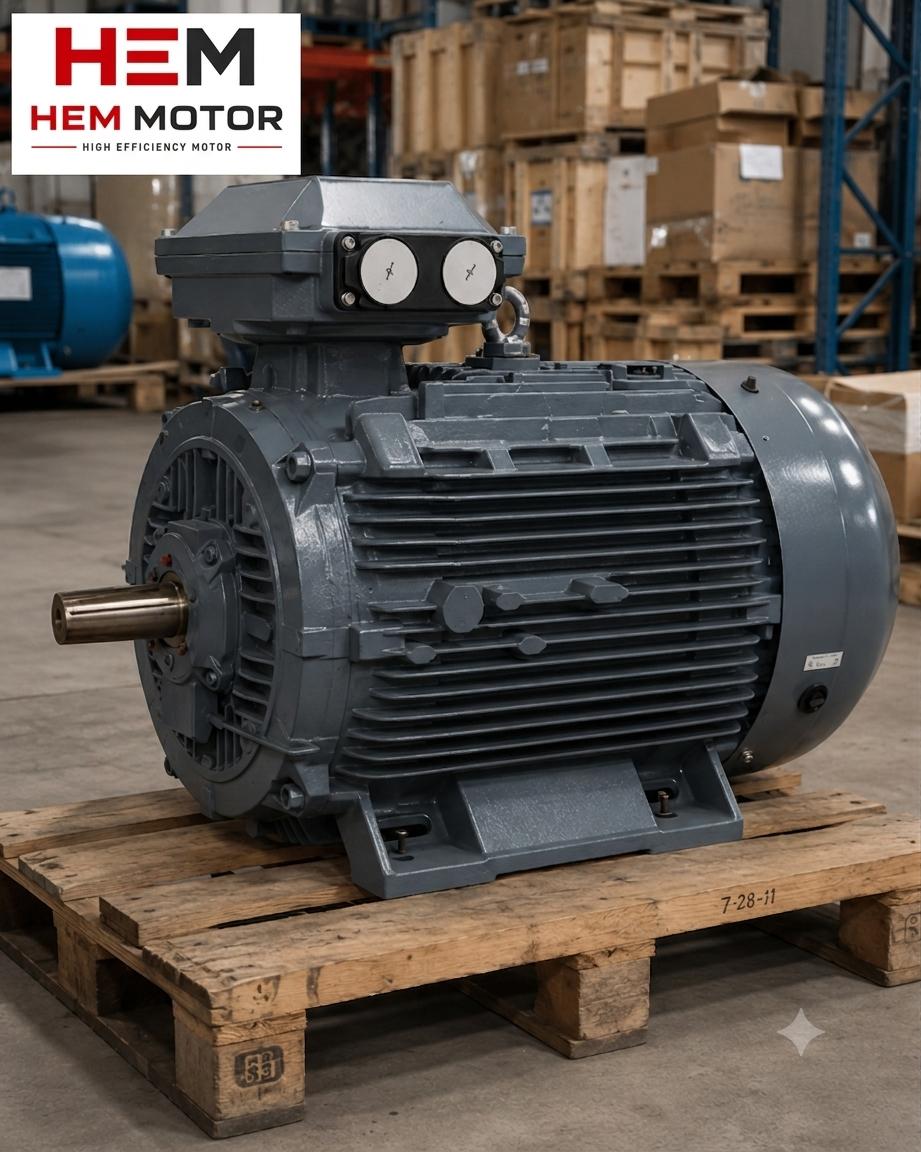

One of the most costly decisions encountered when supplying a motor for a facility is whether a standard asynchronous motor is sufficient. In environments carrying the risk of explosive or flammable substances, the wrong choice means either buying an unnecessarily high-cost explosion-proof motor or, worse, endangering life and property safety by placing a standard motor in a risky environment. This guide clearly answers the question "explosion-proof or standard asynchronous motor?" for procurement managers, plant engineers and machine manufacturers through risk assessment, cost difference and correct decision criteria. The goal is not a technical debate; it is to correctly supply a motor that is neither over- nor under-protected for your environment.
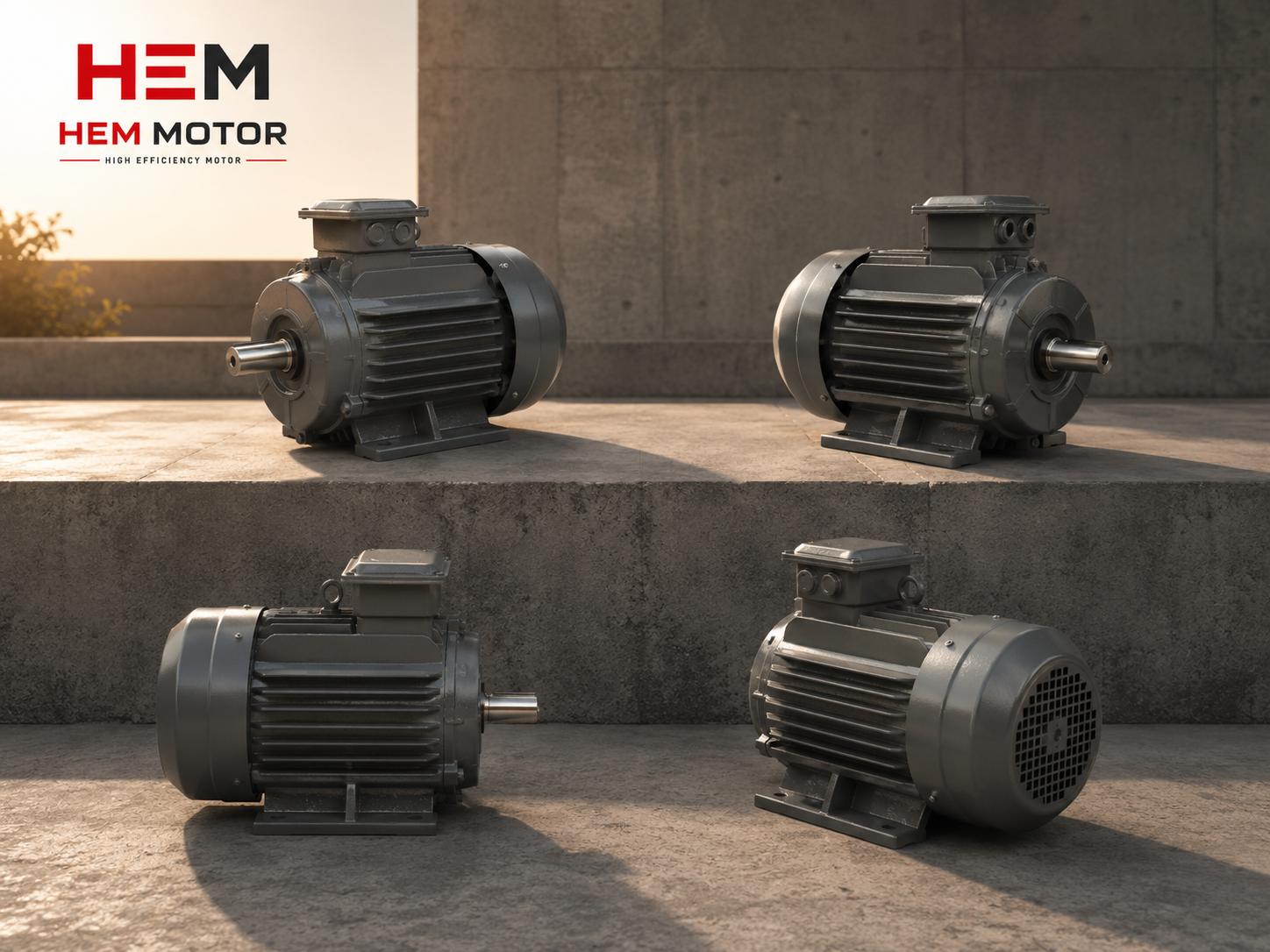
What Is a Standard Asynchronous Motor and Where Is It Sufficient?
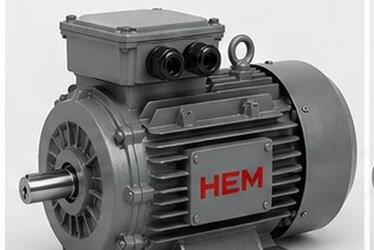
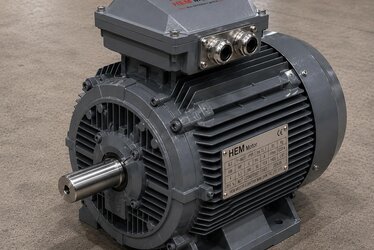
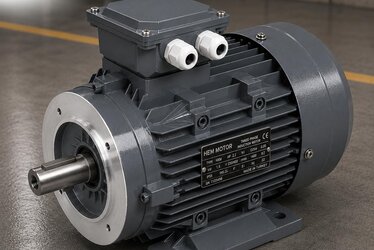
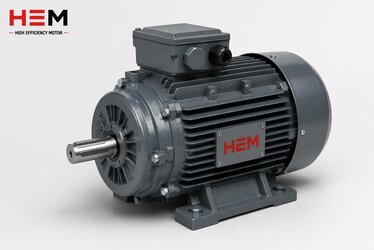
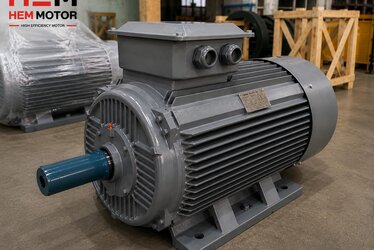
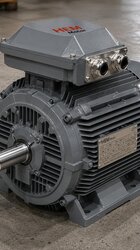
The standard asynchronous motor is the basic workhorse of industry; it is used in countless applications such as pumps, fans, conveyors, compressors and geared drives. These motors are generally produced with IP55 protection class and F class insulation; they are protected against dust and water but do not have a special design to avoid igniting an explosive atmosphere. In the vast majority of environments that do not carry a hazardous substance risk, a standard asynchronous motor is a completely sufficient and correct choice.
Workshops, general manufacturing facilities, water and wastewater applications (if there is no explosive gas risk), HVAC systems, non-food production lines and ordinary machine drives run safely with a standard motor. We cover the basic selection criteria for standard asynchronous motors in our asynchronous motor pole selection article. For our efficient asynchronous motor range, you can look at our high-efficiency electric motors page.
What Is an Explosion-Proof Motor and What Extra Protection Does It Provide?
An explosion-proof (ATEX certified) motor is a certified motor designed not to ignite the explosive gas, vapour or dust around it. Its difference from a standard motor is provided either by confining a possible internal spark inside a flameproof housing (Ex d) or by not creating any ignition source during normal operation (Ex e). In addition, the outer surface temperature is classified (T1-T6) and the terminal connection is specially protected.
This extra protection increases the cost and delivery time of the motor; however, it is vital in an explosive environment. We discuss in detail all the technical details of the explosion-proof motor such as zone classification, protection types and temperature class in our when is an explosion-proof (ATEX) motor required article; that article is the technical complement of this guide.
The Moment of Decision: How Do You Assess Your Environment?
The basis of the right decision is the risk assessment of the environment. The question to ask is: in the working environment, is there a possibility of explosive gas, vapour or a combustible dust cloud forming during normal operation or in a fault/leak condition? If the answer is yes and the environment is classified as a hazardous zone, an explosion-proof motor is mandatory. If the answer is no, a standard asynchronous motor is both a sufficient and an economical choice.
Typical Cases Where a Standard Motor Is Sufficient
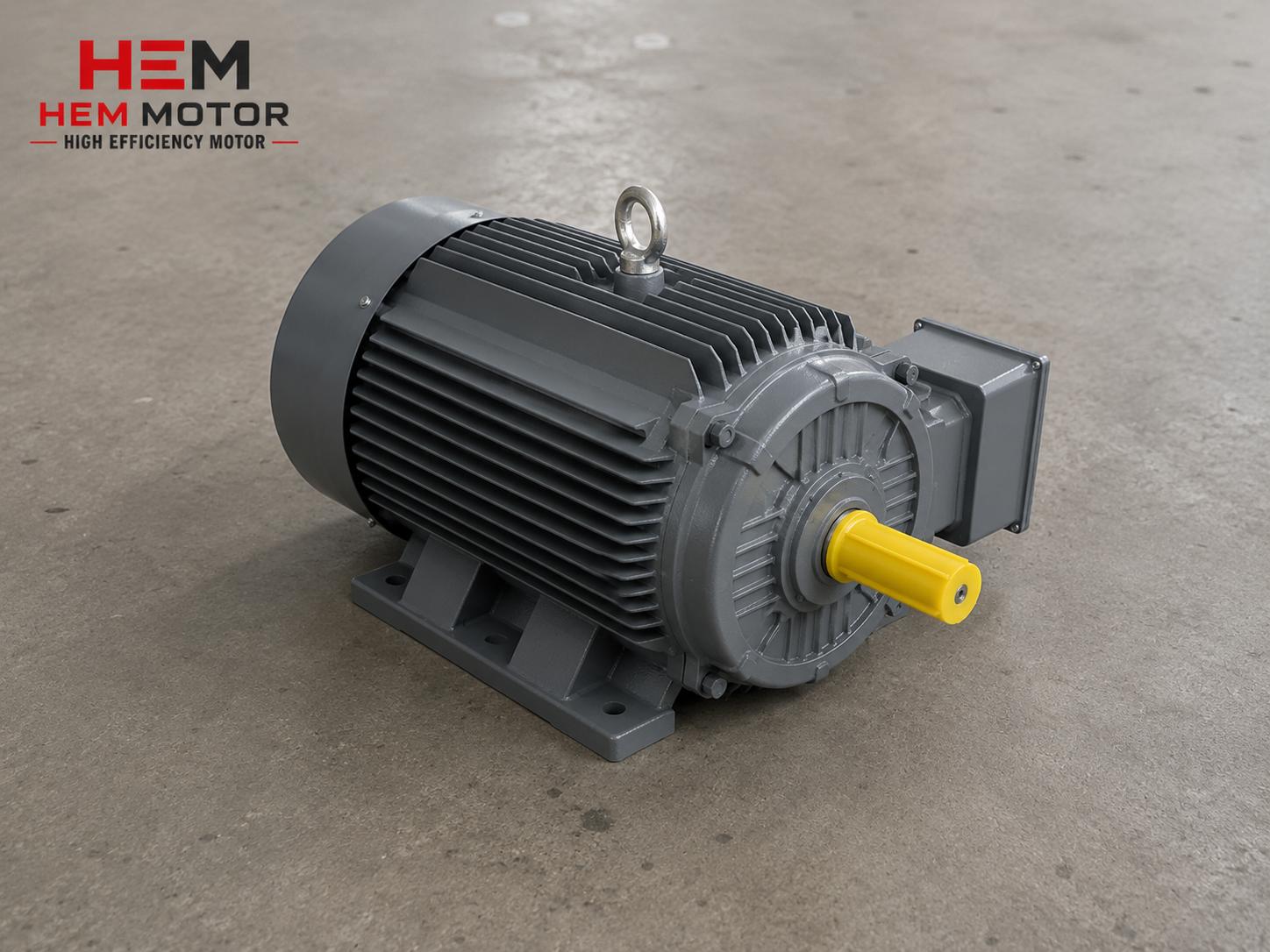
Environments without explosive or flammable substances; for example metalworking shops, textile facilities, most water pump applications, cooling and ventilation systems, packaging machines and general conveyor lines run safely with a standard asynchronous motor. Using an explosion-proof motor in these environments means unnecessary cost and long delivery time. We exemplify motor selection according to sectoral applications in our plastic injection and crushing motor selection article.
Typical Cases Where an Explosion-Proof Motor Is Mandatory
Fuel filling and storage, chemistry and petrochemistry, paint and solvent production, natural gas applications, points carrying dust explosion risk in flour and feed factories, sugar and starch plants, and mine and waste facilities carrying methane risk require an explosion-proof motor. Placing a standard motor in these environments is both illegal and dangerous. For the risk in dusty environments, our feed factory and mill motors selection article provides complementary information.
Which Points in a Standard Motor Can Be Ignition Sources?
Understanding why a standard asynchronous motor is risky in an explosive environment clarifies the decision. A standard motor has three potential ignition sources. The first is the electrical spark that can occur at the terminal connection or contacts; a loose connection can create an arc. The second is the high temperature the winding reaches in case of overload or fault; this temperature can exceed the ignition point of the substance in the environment. The third is the mechanical spark and hot surface arising from the friction of a damaged bearing.
Explosion-proof motors eliminate these three risks by design; standard motors, although safe during normal operation, can turn one of these three points into a disaster in an explosive environment. Therefore, the decision must be made not according to the normal operation of the motor but according to the possible fault scenario. We cover the ways of protecting by monitoring winding temperature in our motor temperature monitoring article, and protection devices in our protection devices purchasing article.
IP Protection Class Should Not Be Confused With Explosion-Proof
The most common misunderstanding in the field is the belief that a high IP protection class (for example IP65/IP66) is sufficient for an explosive environment. However, the IP protection class only defines protection against dust and water ingress; it does not guarantee not igniting an explosive atmosphere. A motor can be IP66 but not explosion-proof; in this case it cannot be used in an explosive environment. The two concepts serve completely different purposes.
While a high IP class is the right choice in dusty but non-explosive environments, an ATEX certified explosion-proof motor is essential in an explosive environment. We cover IP protection class selection in detail in our IP protection class selection article. You can find the body and protection choice in dusty fields in our insulation class in hot and dusty environments article.
The Cost Difference: How Much and Why?
An explosion-proof motor is significantly more costly than a standard asynchronous motor of the same power and speed. This difference stems from the flameproof housing, special terminal box, certification process and tight manufacturing tolerances. The cost difference also varies according to the protection type: an Ex d motor for Zone 1 is more expensive than an Ex e motor for Zone 2. In addition, since explosion-proof motors are often special orders, the delivery time also lengthens.
This cost difference creates a two-way loss in the wrong choice: buying explosion-proof unnecessarily inflates the budget; buying standard when explosion-proof is required creates an irreparable risk. The right decision is based on the real zone classification of the environment. You can review the general factors that determine motor prices in our factors affecting electric motor prices article. Instead of a fixed price, we recommend that you contact us for the correct quote specific to your environment.
Is It Right to Equip the Whole Facility to a Single Class?
A common mistake is to equip an entire facility that has one risky point with explosion-proof motors. However, in most facilities only certain points (for example the filling nozzle, the solvent mixing area) are in the hazardous zone; the rest of the area is safe. In this case, it is sufficient for only the motors in the hazardous zone to be explosion-proof, while the others remain standard. Zone-by-zone classification both maintains safety and provides serious cost savings.
This approach has strategic importance in purchasing planning. Clarifying which motor is needed at which point based on your facility's zone map and explosion protection document ensures a supply that is both safe and economical. We also emphasise the importance of choosing the right motor the first time in our mistakes made when buying an electric motor article.
The Risks and Consequences of the Wrong Choice
The wrong choice has two sides. Placing a standard motor in an explosive environment can lead to an explosion when a spark from electrical sparking, overheating or bearing friction ignites the gas or dust in the environment. This is the most severe occupational safety risk and is also against regulations. On the other side, buying an explosion-proof motor unnecessarily for a safe environment increases the budget and delivery time in vain.
To understand the causes of failure and overheating of a standard motor, and why these are much more dangerous in an explosive environment, you can review our electric motor failures article. We also cover the effect of correct duty type selection on heating in our duty type (S1-S6) selection article.
Checklist for the Right Decision
To clarify the explosion-proof or standard decision, answer these questions: (1) Is there a possibility of explosive gas, vapour or combustible dust forming in the environment? (2) Is the environment classified as a hazardous zone (Zone 1/2/21/22)? (3) If so, which substance and gas/dust group is involved? (4) What is the required temperature class? If the answers show that a standard motor is sufficient, our IE3 electric motor and IE4 electric motor ranges offer suitable solutions. If a hazardous zone is involved, we determine the correct certified explosion-proof motor together. You can visit our products page for the entire product range and our mounting types page for mounting options.
Frequently Asked Questions
There is a small amount of solvent in my environment; is a standard motor sufficient?
This depends on the evaporation characteristics of the solvent and the zone classification of the environment. If there is a possibility of explosive vapour forming during normal operation or in a leak condition, and the environment is classified as a hazardous zone, a standard motor is not sufficient; an explosion-proof one is required. For a clear decision, it is safest to base it on the facility's explosion protection document and evaluate it with us.
Can an explosion-proof motor always be used instead of a standard motor?
Technically, an explosion-proof motor also works in a safe environment; however, this means unnecessary cost and long delivery time. Using explosion-proof where a standard motor is sufficient does not create a safety problem but is not economical. The right approach is to choose the protection class suitable for each environment.
Can I convert a standard motor into an explosion-proof one?
No. Explosion-proof protection is an integral whole with the motor's housing design, terminal box and certification; it is not possible to convert a standard motor into an explosion-proof one afterwards, and it is not considered safe. For an explosive environment, a factory-certified explosion-proof motor must be supplied.
Get a Quote
We correctly supply a motor that is neither over- nor under-protected for your environment: efficient standard asynchronous motors for safe environments, and certified explosion-proof (ATEX) solutions for explosive environments. To make the right decision together, request a quote from our expert team: call +90 (532) 345 49 86 or send your request through our contact page.