English
 Türkçe

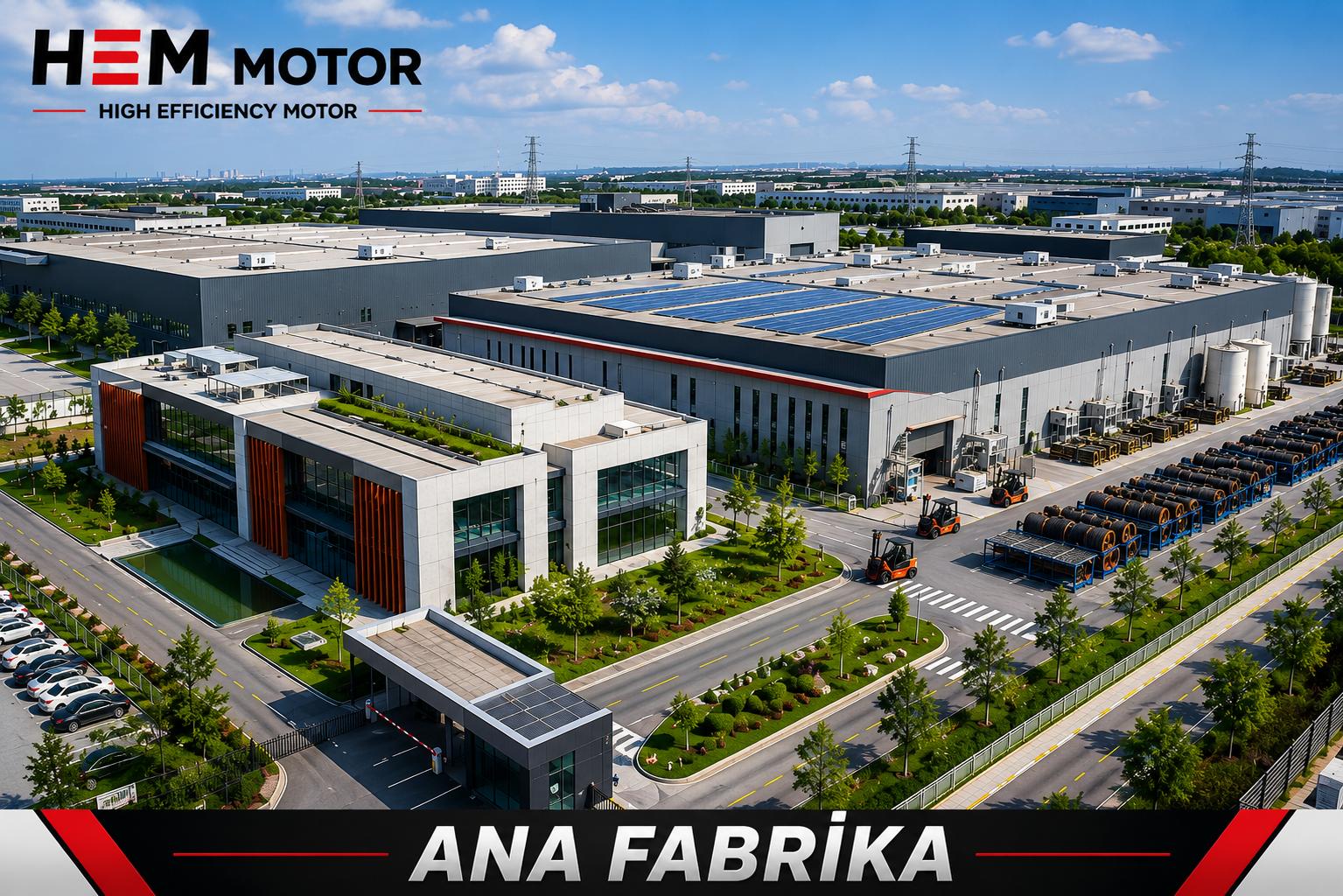

For an OEM that mass-produces, a plant that continuously consumes motors, or a machine builder expecting planned shipments throughout the year, the biggest risk is not the motor itself; it is the motor not arriving on time, with the correct specification and under predictable conditions. Opening orders one by one, asking about stock each time, dealing with delivery uncertainty and being exposed to market fluctuation constantly threaten the production plan. This is exactly where a framework (blanket) supply agreement comes into play. A framework agreement is a contract between buyer and manufacturer that binds in advance the total requirement, the specifications, the delivery conditions and the pricing logic over a defined period (usually a year). In this article we cover how a framework supply agreement is set up, what allocated stock and delivery assurance mean, the logic of price fixing, and the advantages of single-source supply for OEMs and mass producers, from the HEM Motor manufacturer perspective.
What Is a Framework (Blanket) Supply Agreement?
A framework agreement is a structure in which the buyer commits, by contract, an estimated total requirement over a defined period, and the manufacturer agrees to meet this requirement under defined conditions. The difference from a classic one-off order is that, instead of one large order, delivery takes place through "call-off" orders opened as the need arises over the period. In other words, the agreement defines the total framework; deliveries are then made piece by piece according to the production schedule.
The basic logic of this model is to reduce uncertainty. The buyer shares in advance roughly how many motors, at what power, in what efficiency class and in what mounting type, it will use over the year; and the manufacturer builds its production and stock plan according to this forecast. As a result both sides move to a plannable order: the buyer gains delivery and condition assurance, while the manufacturer, able to forecast demand, performs more efficient production and stock management. This mutual predictability is the greatest value of the framework agreement.
Allocated Stock and Delivery Assurance
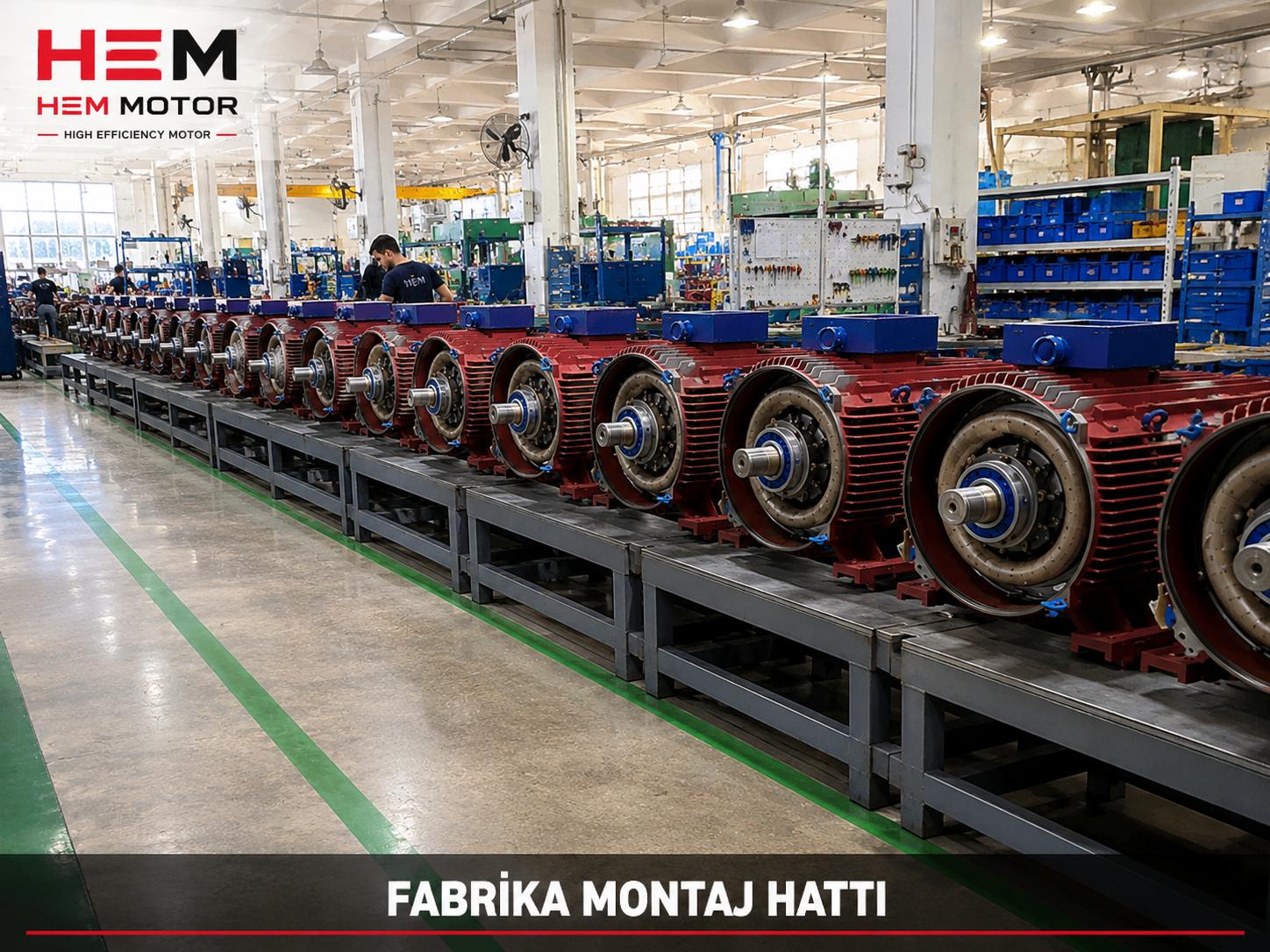
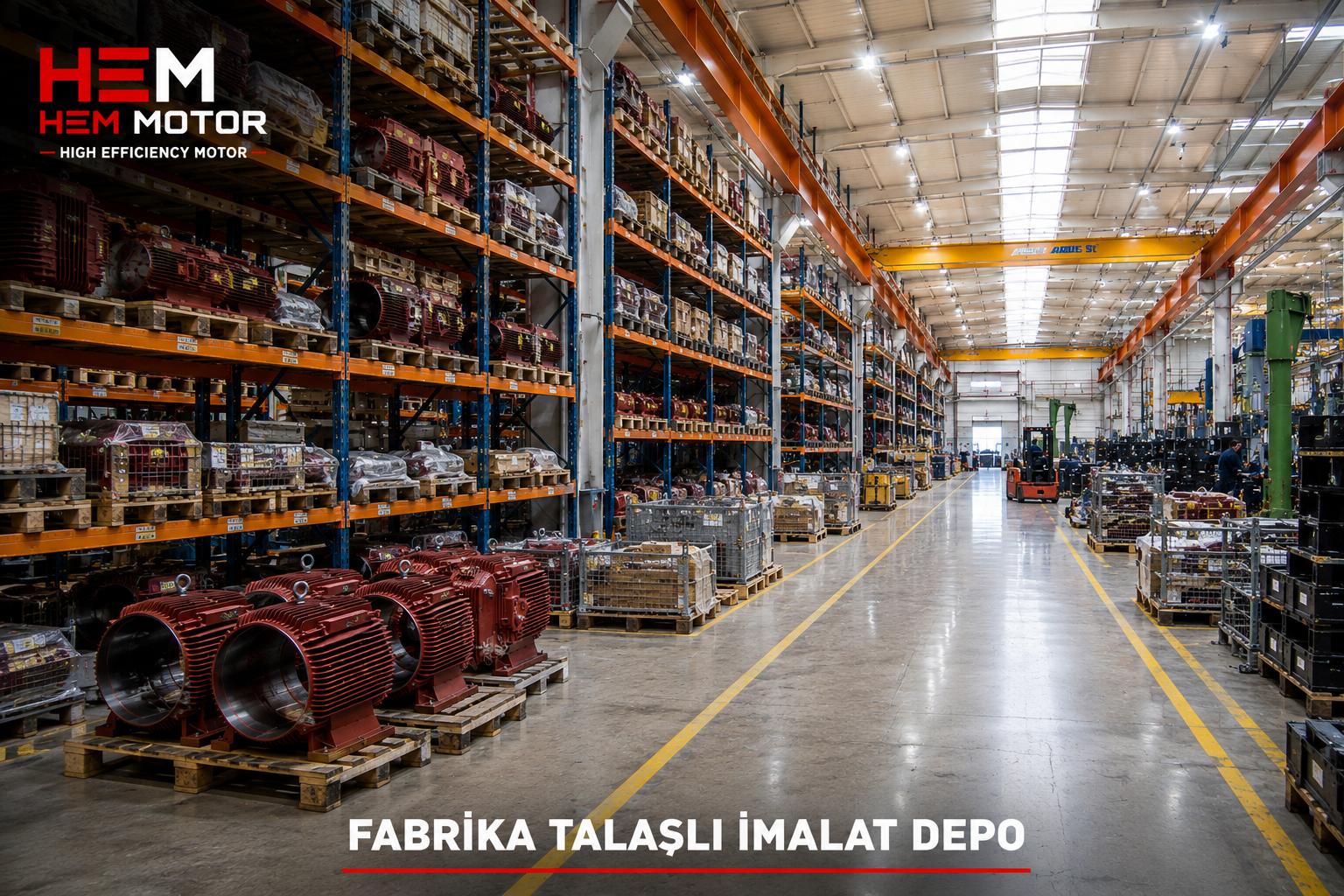
One of the most concrete benefits of a framework agreement is allocated stock. Allocated stock means the manufacturer keeps ready a certain quantity and specification of motor, reserved for that buyer, against the buyer's forecast requirement. Thus when the buyer opens a call-off order, because the product is already reserved, delivery is fast and predictable. This is a critical assurance especially for OEMs whose production line cannot wait for a motor when it stops.
Delivery assurance is intertwined with this. A buyer who opens orders one by one is dependent each time on the current stock and lead time; in a framework agreement the delivery times are defined in advance and supported by allocated stock. We covered in detail how fast dispatch from stock and the delivery commitment are set up in the dispatch from stock and fast delivery commitment article. A framework agreement makes this fast-dispatch structure permanent by contract; instead of negotiating from scratch each time, the buyer benefits from a predefined order.
Framework Agreement vs. One-by-One Order Comparison
| Criterion | One-by-One (Spot) Order | Framework (Blanket) Agreement |
|---|---|---|
| Delivery | Depends on current stock each order | Predefined, assured with allocated stock |
| Specification | Redefined each time | Fixed by contract, consistent |
| Planning | Reactive, high uncertainty | Proactive, per production schedule |
| Pricing | Spot, open to fluctuation | Predictable through contract logic |
| Supply source | May be scattered | Single source, consistent quality |
The Logic of Price Fixing
One of the most interesting aspects of a framework agreement is the pricing side. Here the aim is to protect the buyer from the uncertainty created by market fluctuation over the period and to establish a predictable cost structure. Price fixing is not giving a concrete figure, but defining in advance the pricing rules and conditions that will apply between the parties over the period. These rules are set in the contract according to the conditions and term of the framework agreement.
In practice the price-fixing logic provides great relief in budget planning for the buyer; because over the period the supply conditions stay within a defined framework and each delivery does not become a separate negotiation. From the manufacturer's side too, this allows more stable planning because it makes demand predictable. For buyers who want to see the effect of cost items on total purchase cost holistically, the electric motor storage and long-term holding article explains the storage and protection dimension that stock holding brings. And the ways to reduce cost in wholesale and planned purchasing can be found in the reducing cost in electric motor wholesale purchasing article. A framework agreement offers these cost advantages not one by one, but within a permanent structure by contract.
How Is a Framework Agreement Set Up? Step by Step
A framework supply agreement is not an abstract statement of intent, but a structure set up through concrete steps. The process between manufacturer and buyer generally follows these stages:
- Requirement analysis: It is worked out roughly how many motors, at what powers, in what efficiency classes and in what mounting types the buyer will use over the period. This is the basic data that defines the framework of the agreement.
- Specification fixing: The technical features of the motors to be used (power, speed, efficiency class, mounting type, protection degree, options) are clearly defined and bound to the contract.
- Delivery plan: How call-off orders will be opened, what the delivery times will be and how allocated stock will be held are determined.
- Pricing framework: The pricing logic and conditions that will apply over the period are defined between the parties.
- Monitoring and revision: As the period progresses, the actual consumption is compared with the forecast and the plan is updated together if needed.
Each of these steps ensures the agreement is clear and applicable for both parties. The more accurately the requirement analysis is done, the more on-target the allocated stock and delivery assurance become. To define the specification correctly it helps to know the most requested powers; the 5.5 and 7.5 kW IE3 motor stock and 18.5 and 22 kW IE3 motor stock articles show frequently used power bands and give a concrete basis for framework planning.
Planned Shipment for OEMs and Mass Producers
For a machine builder that mass-produces, the motor is a component of the product and must arrive in sync with the rhythm of the production line. A motor arriving a week early fills the warehouse; a motor arriving a day late stops the line. The planned-shipment structure of a framework agreement is exactly for catching this rhythm: call-off orders are tied to the production schedule, and deliveries are made in batches with known lead times. Thus the buyer neither bears excess stock cost nor risks a line stoppage.
Specification consistency is also of great importance in this model. In an OEM product every batch needs the same power, the same efficiency class, the same mounting type and the same electrical characteristic; because the rest of the product is designed around this motor. A framework agreement guarantees this consistency because it binds the specification by contract. To define the specification clearly, the order type code must be decoded correctly; the order and type code decoding in IE3 motors article shows how to read this code, and the IE3 electric motor stock guide shows the most used power-speed combinations. For those who want to evaluate the contribution of moving to an efficient motor to the OEM product, the replacing an old motor with IE4 article covers the consumption side.
Advantages of Single-Source Supply
- Consistent quality: Because all motors come from a single manufacturer, consistency between batches is preserved; there are no surprise specification differences.
- Single point of contact: Technical support, delivery, documentation and after-sales run from a single point; the coordination burden falls.
- Predictable logistics: Because the shipment plan is tied to the production schedule, deliveries are made regularly with known lead times.
- Stock assurance: Thanks to allocated stock, the risk of waiting in an urgent need is minimized.
- Streamlined process: Instead of a quote and negotiation from scratch for each order, call-offs are made from a predefined framework.
All of these advantages transform a scattered and reactive supply structure into a planned and predictable one. Another dimension of working with manufacturer assurance is after-sales and technical processes; you can find how delivery, packaging and acceptance inspection run in the delivery, packaging and acceptance inspection in IE3 motors article.
For Which Buyers Does a Framework Agreement Make More Sense?
A framework supply agreement is not equally advantageous for every buyer; it offers the most value to buyers with regular and recurring requirements. The profiles below benefit most from this model:
- Mass-producing machine builders: OEMs that use the same or similar motor in every machine they produce benefit most from shipment synchronized with the production line rhythm.
- Plants that continuously consume motors: Large plants that regularly replace motors within maintenance and renewal reduce both stock and delivery risk with planned supply.
- Project-based contractors: Firms that need many motors during a defined project can tie the delivery schedule to the project with a framework structure.
- Producers operating multiple sites/lines: Those who want to manage requirements scattered across different points from a single source, with consistent quality and coordination.
The common feature of these profiles is that their requirement is predictable and recurring. For one-off, unpredictable needs a spot order may be more practical; but when there is regular consumption, a framework agreement comes out ahead in both cost and process terms. Which model is suitable is evaluated together with the manufacturer according to the buyer's consumption pattern.
Frequently Asked Questions
Is a certain minimum volume required for a framework agreement?
A framework agreement is mainly meaningful for buyers with regular and recurring requirements; that is, OEMs that consume motors in a planned way throughout the year, mass producers and plants that use motors continuously. The suitable structure is determined together according to the buyer's periodic requirement and consumption pattern. What matters is not the total volume so much as the requirement being predictable and recurring.
Is price fixing valid under all conditions throughout the period?
Price fixing is valid within the conditions and period defined in the contract; the aim is to protect the buyer from the uncertainty of short-term fluctuations. The validity conditions are clarified in advance between the parties according to the term and scope of the agreement. This way the buyer plans its budget more comfortably, and the manufacturer forecasts demand better.
Can the specification change mid-period?
This is the flexible side of a framework agreement. Even though the total framework stays fixed, when the buyer's requirement changes the specification of the call-off orders can be updated together. For example, when the efficiency class is raised in a product, subsequent call-offs are planned according to the new specification. This flexibility makes the agreement not a static mold but a structure that adapts to the production need.
A framework (blanket) supply agreement turns the motor from an item bought one by one into a planned, predictable and assured supply flow. Allocated stock reduces delivery risk, the price-fixing logic makes the budget predictable, planned shipment protects the production rhythm, and single-source supply streamlines quality and coordination. At HEM Motor, with manufacturer assurance, we set up annual framework supply structures for OEMs, mass producers and plants that continuously consume motors; we create a supply model tailored to you by planning your requirement, your specifications and your delivery schedule together. Contact us for planned and assured motor supply; let us evaluate together a framework agreement and allocated-stock model tailored to your needs.