English
 Türkçe

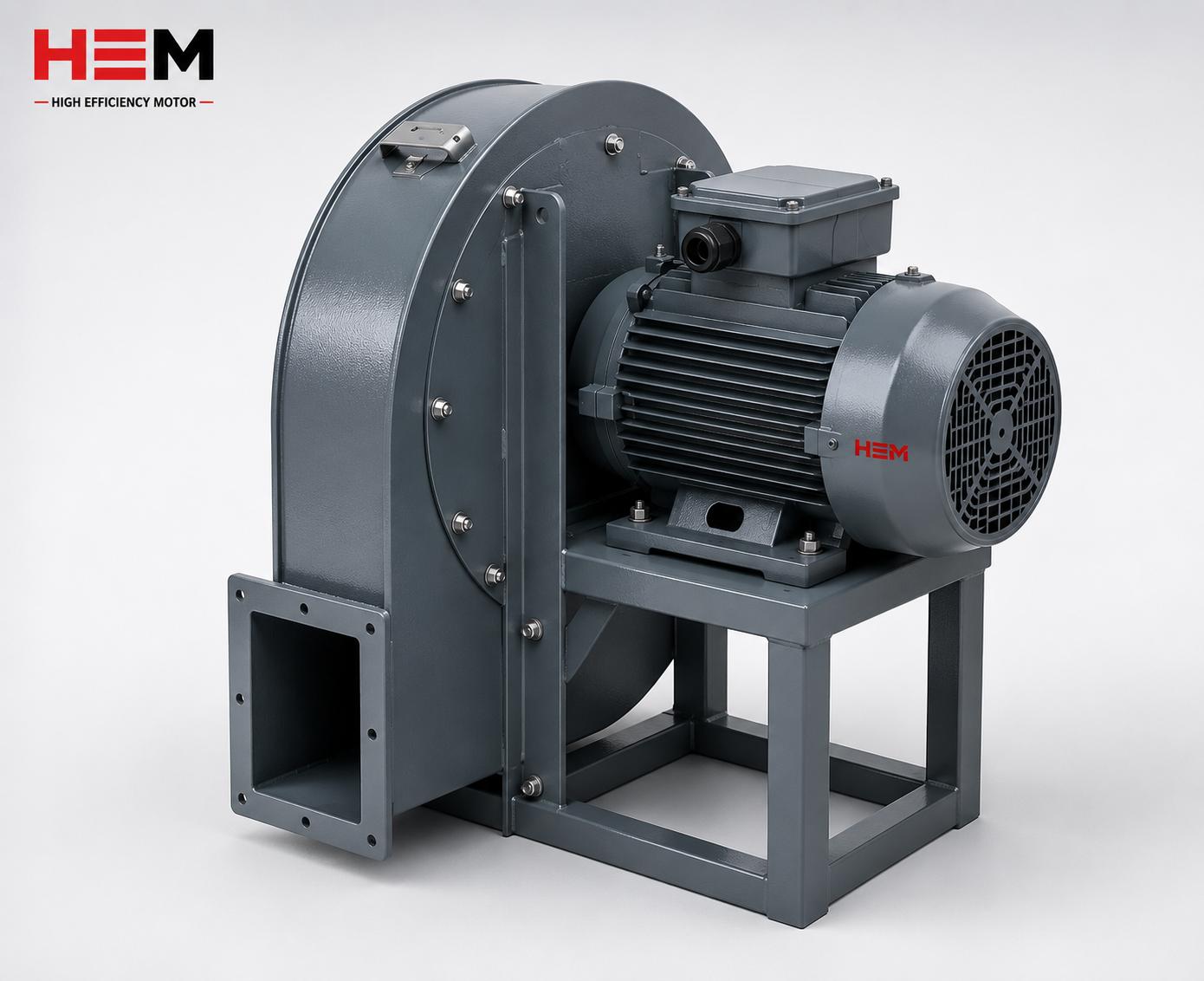

The most common assumption in pump, fan and blower motors is that "the higher the IP rating, the better." This is not always true. For a fan motor running indoors in a clean, dry space, an IP55 enclosed body can be unnecessarily sealed, restricting heat dissipation and raising winding temperature under continuous load. This is exactly where IP23 open-type (drip-proof) motors come in. IP23 is a deliberately open, ventilated design; it lets outside air pass directly over the windings, providing better heat dissipation and lower operating temperature in the same frame size. In return, its protection level is limited: it only guards against vertical dripping water (drops falling from above) and solid objects larger than 12.5 mm. In this article we compare the IP23 open-type pump/fan motor with the enclosed IP55 type, explain where open cooling is an advantage, where it must never be used, and how to select the correct protection class step by step. Our aim is to break the "high IP is always good" misconception and help you strike the protection-cooling balance best suited to your application.
What Is IP23? The Logic of the Open-Type (Drip-Proof) Motor
The IP (Ingress Protection) code has two digits. The first digit describes protection against solid objects and contact; the second describes protection against water. In IP23, the "2" means protection against solid objects larger than 12.5 mm (such as a finger), while the "3" means protection against water spray/dripping falling at angles up to 60 degrees. So an IP23 motor withstands drops falling from above and lightly angled spray, but is unprotected against horizontal water jets, dust and washdown. For this reason IP23 is specific to dry indoor spaces where ambient conditions are defined and controlled.
The real value of IP23 is not protection but cooling. In an open-type motor the body is not sealed; instead of (or alongside) cooling fins there are air inlet and outlet grilles. Fresh air drawn from outside passes directly over the windings and rotor, picks up the heat and expels it. This method can deliver winding temperatures 8-15 °C lower than an enclosed (TEFC, IP55) motor of the same power. Lower temperature extends insulation life and allows a slightly higher power draw from the same frame. There is a well-known rule in the thermal world: every 8-10 °C reduction in insulation temperature roughly doubles the winding's expected life. This is precisely the strongest argument for the open-type motor.
In open-type motors the cooling air usually enters at one end of the motor, travels along the windings and rotor channels, and exits at the other end. This air-path design is optimized to provide even cooling to every point of the motor. However, this open air path also means a path through which everything outside (dust, fiber, moisture, insects) can enter. That is why the open-type motor, unlike the enclosed one, is completely dependent on ambient cleanliness.
IP23 vs IP55: Open Cooling or Enclosed Protection?
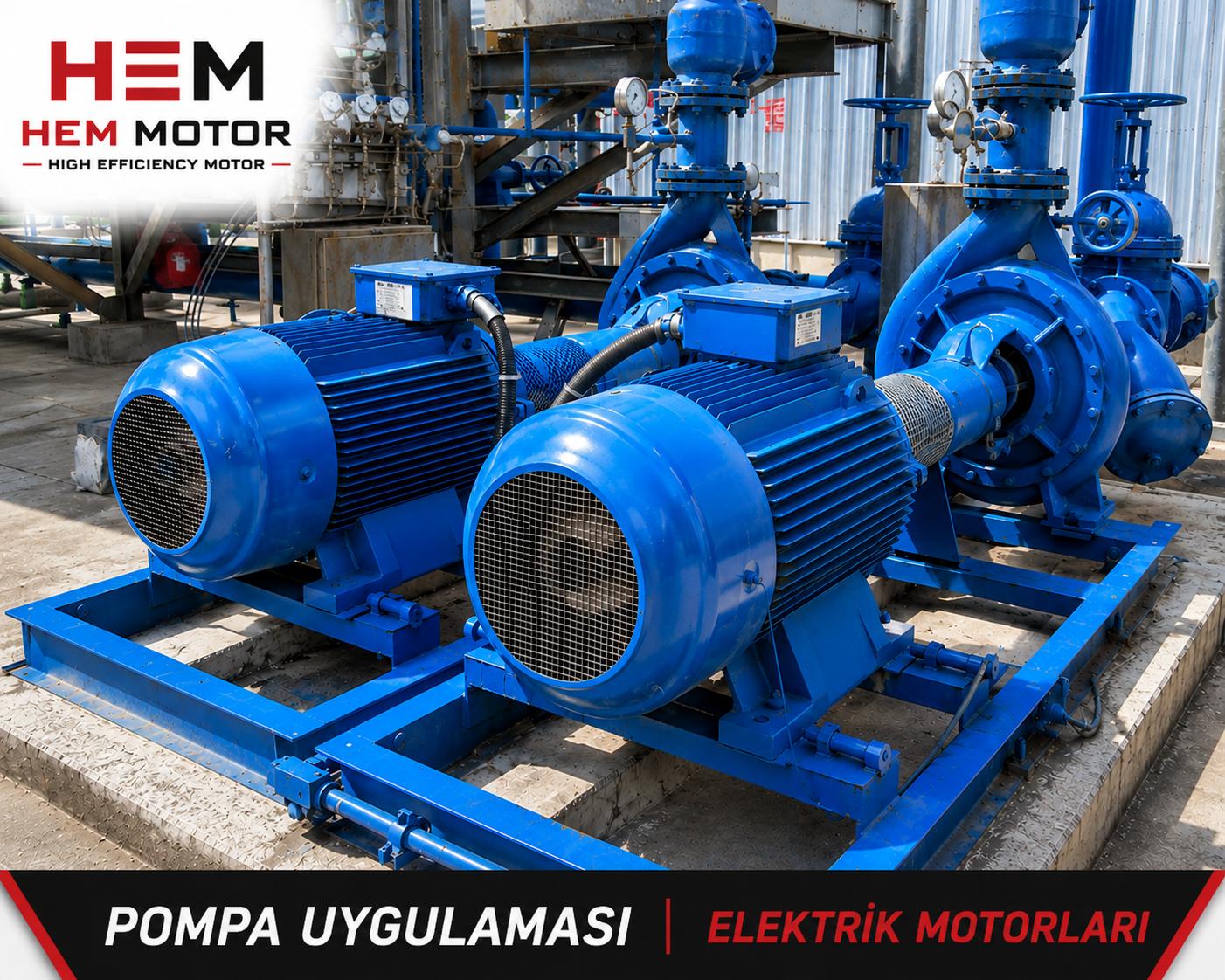
The choice between the two depends on the balance between ambient conditions and cooling need. An enclosed IP55 motor can be installed anywhere but rejects heat only through its body surface and external fan. An open IP23 motor cools better but is only safe in a clean, dry indoor space. The table below compares the two types technically.
| Property | IP23 Open Type (Drip-Proof) | IP55 Enclosed Type (TEFC) |
|---|---|---|
| Solid object protection | >12.5 mm (finger) | Partial dust protection (limited ingress) |
| Water protection | Vertical/60° dripping | Water jets from any direction |
| Cooling method | Direct internal air (open, IC01) | Body surface + external fan (IC411) |
| Winding temperature | Lower (better heat rejection) | Higher |
| Operating environment | Clean, dry indoor only | Indoor + outdoor, dusty/humid |
| Dust/fiber ingress risk | High (open structure) | Low |
| Noise | Often lower (no large fan) | External fan noise possible |
| Maintenance | Regular grille/winding cleaning required | Less sensitive |
| Typical application | Indoor ventilation fan, clean-room pump | Field pump, outdoor fan, dusty plant |
As shown, IP23 is not a "worse" motor; it is optimized for a different duty. In the right environment IP23 is thermally more advantageous than IP55. In the wrong environment it fails quickly due to dust and moisture ingress. The choice depends on the conditions of the space where it is installed far more than on the motor's nameplate.
Advantages of Open-Type Cooling
- Better heat rejection: Because fresh air passes directly over the winding, winding temperature stays low under continuous full load.
- More power in the same frame: Lower temperature allows somewhat higher power density in certain applications.
- Quieter operation potential: Some designs need no large external cooling fan, which can reduce noise.
- Insulation life: Every 8-10 °C of lower operating temperature can roughly double insulation life.
- Energy efficiency: In designs without external fan windage loss, a small efficiency gain can be achieved.
Disadvantages of Open-Type Cooling
- Environment dependency: Safe only in a clean, dry and enclosed space.
- Dust accumulation: Dust piling between windings both blocks cooling and degrades insulation.
- Regular cleaning: Periodic cleaning of air grilles and winding channels is essential.
- Corrosion and moisture: In humid environments the open winding is directly exposed to condensation.
Where Is IP23 Suitable, and Where Must It Never Be Used?
There is one rule for choosing an IP23 open-type motor: the environment must be clean, dry and enclosed. The following applications are suitable for IP23:
- Clean indoor ventilation and circulation fans
- Air handling unit (AHU) indoor-air fan motors (dry section)
- Clean water circulation pumps (enclosed pump room)
- Indoor pressurization and exhaust fans (no dust/moisture)
- Continuously running circulation equipment inside an enclosed machine room
IP23 must never be used in these environments:
- Outdoors (rain, snow, horizontal water)
- Dusty plants (crusher, cement, grain, textile fiber)
- Washed/hygienic food areas
- Humid, condensing or splash-prone spaces
- Open-field pump stations and outdoor aspirators
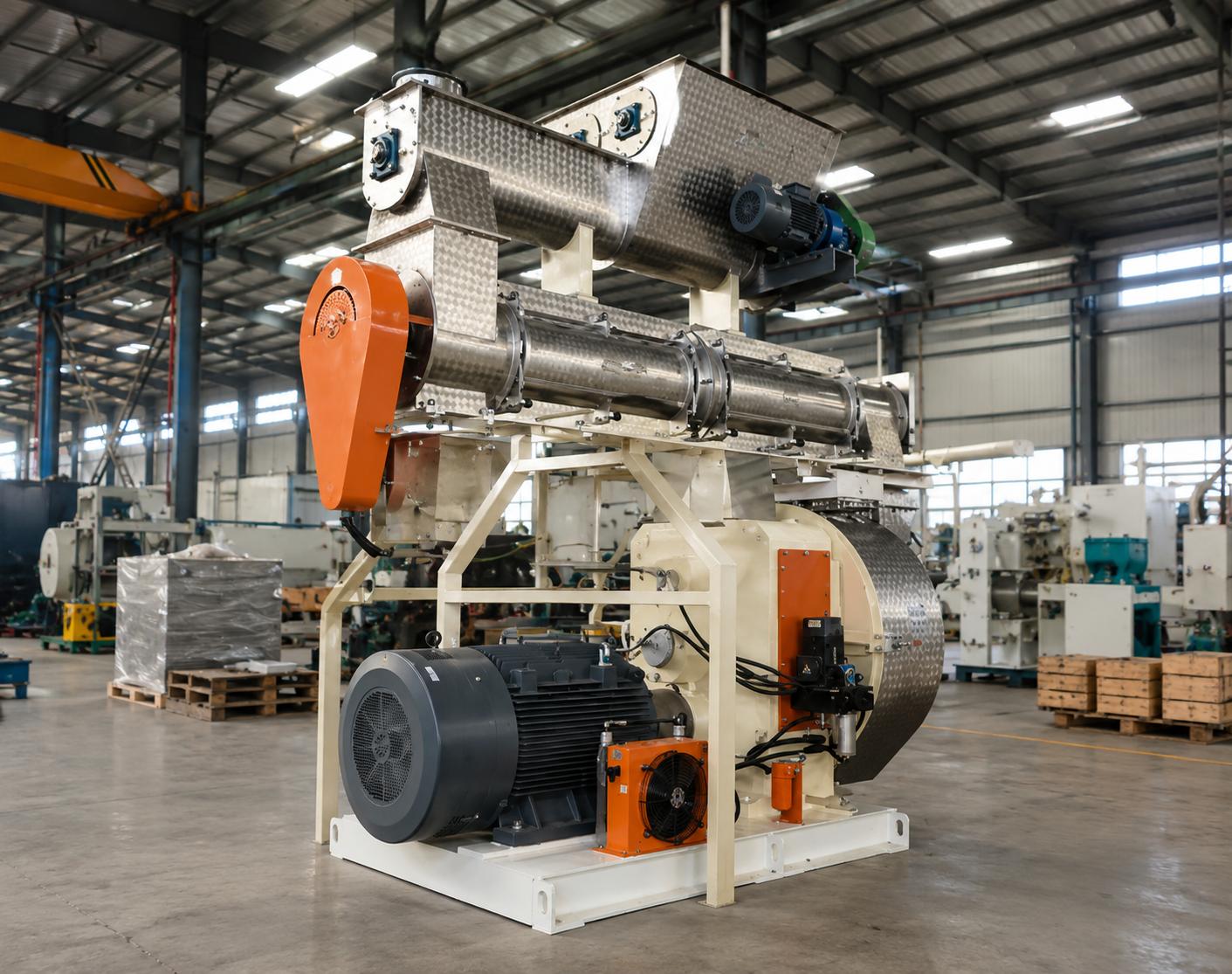
Because of the open structure, dust and fiber enter and pile up between the windings; this both blocks cooling and weakens insulation. Moisture and water splash lead directly to short circuits. That is why IP protection selection is a critical decision that determines the motor's life as much as its efficiency. If outdoor or dusty fields are involved, enclosed IP55 or higher should be preferred; our IP protection class selection guide offers a comprehensive road map. In dusty and wet environments a step from IP55 to IP65/IP66 may be needed.
Checklist for the Correct Selection
When deciding whether a pump or fan motor should be open (IP23) or enclosed (IP55+), answer these questions in order:
- Is the motor outdoors? If yes, the open type is ruled out and enclosed protection is chosen directly.
- Are there dust, fiber or abrasive particles in the environment? If yes, the open type is ruled out.
- Is there a risk of water splash, washdown or condensation? If yes, enclosed and, if needed, high IP is chosen.
- Is the environment clean, dry and controlled? If yes, the cooling advantage of the open type can be used.
- Is there continuous full load and high ambient temperature? If yes, the open type's low winding temperature provides a critical advantage.
This checklist clearly establishes the balance between protection and cooling. The point to remember is that "too much" protection is also a cost: an overly sealed motor heats up unnecessarily in a clean indoor space and its life is shortened.
Maintenance and Long Life in Open-Type Motors
The most critical maintenance item in open-type IP23 motors is the cooling air path. Unlike the enclosed motor, the performance of the open motor depends directly on the cleanliness of the air grilles and winding channels. The dust layer that accumulates over time both restricts air flow and acts like an insulating blanket, preventing heat from being rejected. For this reason, periodic cleaning in open-type motors is not a choice but a necessity. A typical maintenance plan includes these steps:
- Visual inspection of air grilles: Blockage and dust accumulation should be checked at regular intervals.
- Cleaning of winding channels with compressed air: Dust should be blown out with low-pressure dry air; high pressure can damage the winding.
- Insulation resistance measurement: Moisture and dust buildup lower insulation resistance; a megger measurement gives early warning.
- Bearing inspection: In an open structure, dust can also contaminate the bearing grease; the greasing interval must be respected.
With correct maintenance, an open-type motor can last longer than an enclosed motor in a clean environment, because the low operating temperature wears the insulation less. However, if maintenance is neglected, the advantage of the open structure quickly turns into a disadvantage. For bearing greasing intervals and grease type selection, our bearing greasing guide is a useful resource.
IP23 Decision Table for Typical Pump and Fan Applications
| Application | Environment | Recommended Protection |
|---|---|---|
| Indoor circulation fan | Clean, dry enclosed space | IP23 open type (cooling advantage) |
| AHU indoor-air fan motor | Dry section, clean air | IP23 or IP55 (depending on dust) |
| Clean water circulation pump | Enclosed pump room | IP23 or IP55 |
| Outdoor fan/aspirator | Rain, snow, dust | IP55/IP65 enclosed (IP23 unsuitable) |
| Dusty plant fan | Cement, grain, fiber | IP55/IP66 enclosed (IP23 unsuitable) |
| Hygienic food washdown area | Water jet, detergent | IP66/IP69K (IP23 unsuitable) |
This decision table covers most practical cases. In any doubtful situation it is always safe to stay on the more enclosed side; the few degrees of cooling the open type gains are small next to the motor life lost in the wrong environment. Whenever you are unsure of the selection, getting engineering support keeps both the initial investment and the operating cost at the right point.
Relationship Between Cooling Method and IC Code
IP protection and cooling method (IC code) complement each other. IP23 open motors generally use an open, self-ventilated structure similar to IC01; enclosed IP55 motors use IC411 (body surface + external fan). Correctly understanding the cooling method determines whether the motor will overheat under continuous load. We detail this relationship in our IC411 and IC416 cooling methods article. Fan cowl and guard selection is also separately important in open-type motors; our fan cowl and protective guard selection article covers this detail.
Monitoring winding temperature is the key to safe operation in both open and enclosed motors. To get early warning with sensors such as PT100 and thermistors, see our winding temperature monitoring solutions. For correct fan motor selection in applications like aspiration and dust collection, our aspirator and dust collection fan motor guide also helps. For duct-type ventilation fans, we recommend our duct-type axial fan motor selection article.
Frequently Asked Questions
Is an IP23 open-type motor weaker than IP55?
No, not "weaker" but different. IP23 is limited in protection but superior in cooling. In a clean, dry indoor space, IP23 runs at a lower winding temperature than an IP55 motor of the same power and lasts longer. In the wrong environment (dusty/humid) it fails quickly. So it is neither "better" nor "worse" but a motor that must be chosen according to the right environment.
Can I use an IP23 motor outdoors?
Absolutely not. IP23 only protects against vertical dripping; rain, snow, horizontal spray and dust enter through the open body. Outdoor applications require at least IP55, preferably IP65/IP66 or a special weather-protected (WPII) type. Enclosed protection and, if necessary, a rain canopy are essential outdoors.
Can an open-type motor run continuously at full load?
Yes, and this is exactly where the open type is strongest. Thanks to direct air cooling, winding temperature under continuous full load stays lower than the enclosed type. The condition is that the environment is clean and ventilation is unobstructed. If the air inlet/outlet grilles clog with dust/fiber, cooling deteriorates and the advantage is lost, so periodic cleaning is required.
If you are not sure whether your pump or fan application needs open-type IP23 or enclosed IP55, tell us your operating environment (indoor/outdoor, dust, moisture, washdown); let the HEM Motor engineering team determine the correct protection and cooling class together. With our wide stock range and fast delivery advantage, contact us for a correctly optioned order and request a quote.