English
 Türkçe

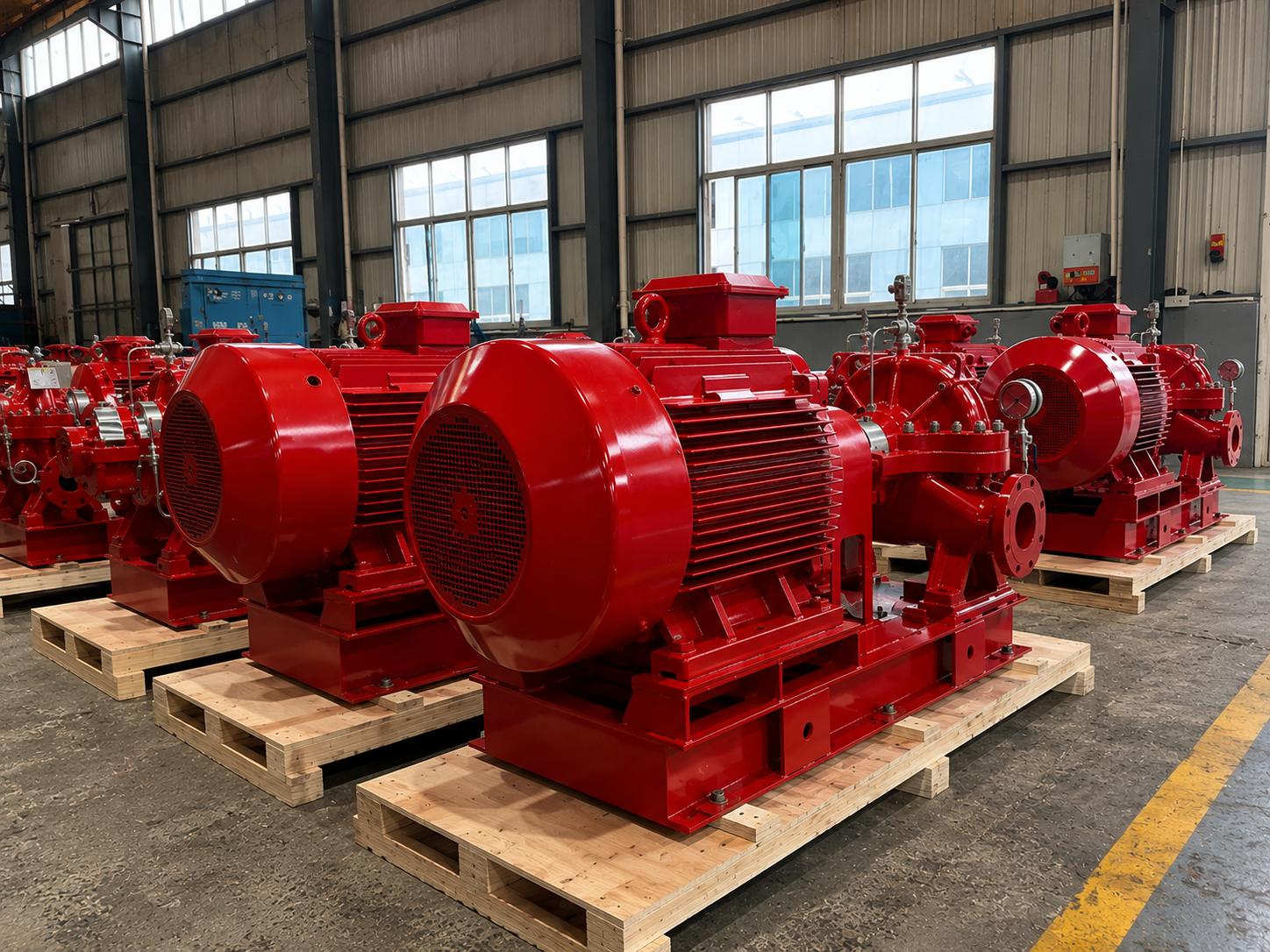

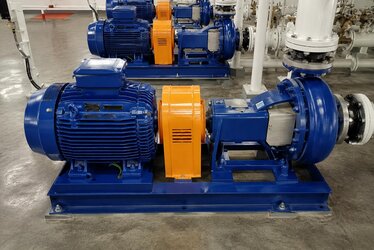
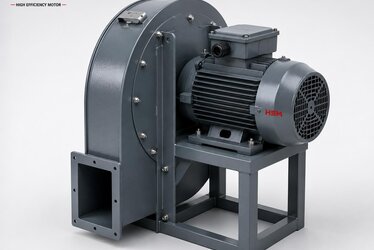
A fire pump system is one of the most critical mechanical installations for the life safety of any facility, and the silent hero of this system is often overlooked: the jockey pump. At the heart of this small but mighty pump, which continuously monitors the pressure in the fire line and compensates for pressure drops caused by minor leaks to prevent the main fire pump from running unnecessarily, lies a correctly selected electric motor. When the jockey pump motor is chosen incorrectly, the system either wears itself out by constantly cycling on and off, or it fails to hold the line at the correct pressure; both situations fall below the reliability level prescribed by standards such as NFPA 20 and EN 12845. In this article, we examine in detail the selection logic of the jockey pump motor, its frequent-start endurance, its coordination with the main pump, and how the correct low-power motor is determined.
What Is a Jockey Pump and Its Role in the Fire System
The jockey pump is also called a pressure maintenance pump. The fire line must be kept continuously at a certain pressure to supply water to the sprinkler system. However, no line is completely leak-proof; micro-leaks from valves, gaskets, and pipe connections gradually reduce the line pressure. If the enormous main fire pump were to start with every small pressure drop, the frequent starts of the large motor would cause excessive heating and mechanical wear, and unnecessary energy would be consumed. This is exactly where the jockey pump comes in: as a low-flow but high-pressure pump, it compensates for the tiny losses in the line and brings the main pump into action only when there is a genuine fire demand.
By this logic, the jockey pump motor is typically a small motor between 0.37 kW and 3 kW, capable of cycling on and off continuously and resistant to frequent starts. The power of the motor is related less to the flow of the pump and more to its capacity to re-establish the pressure in the line. Typically, 2-pole (2900 rpm) high-speed motors are preferred because in centrifugal pumps the pressure is directly related to speed. To select the correct motor, you can benefit from the checklist in our guide on the 10 questions to ask when buying a fire pump motor.
The Frequent-Start Problem and Motor Endurance
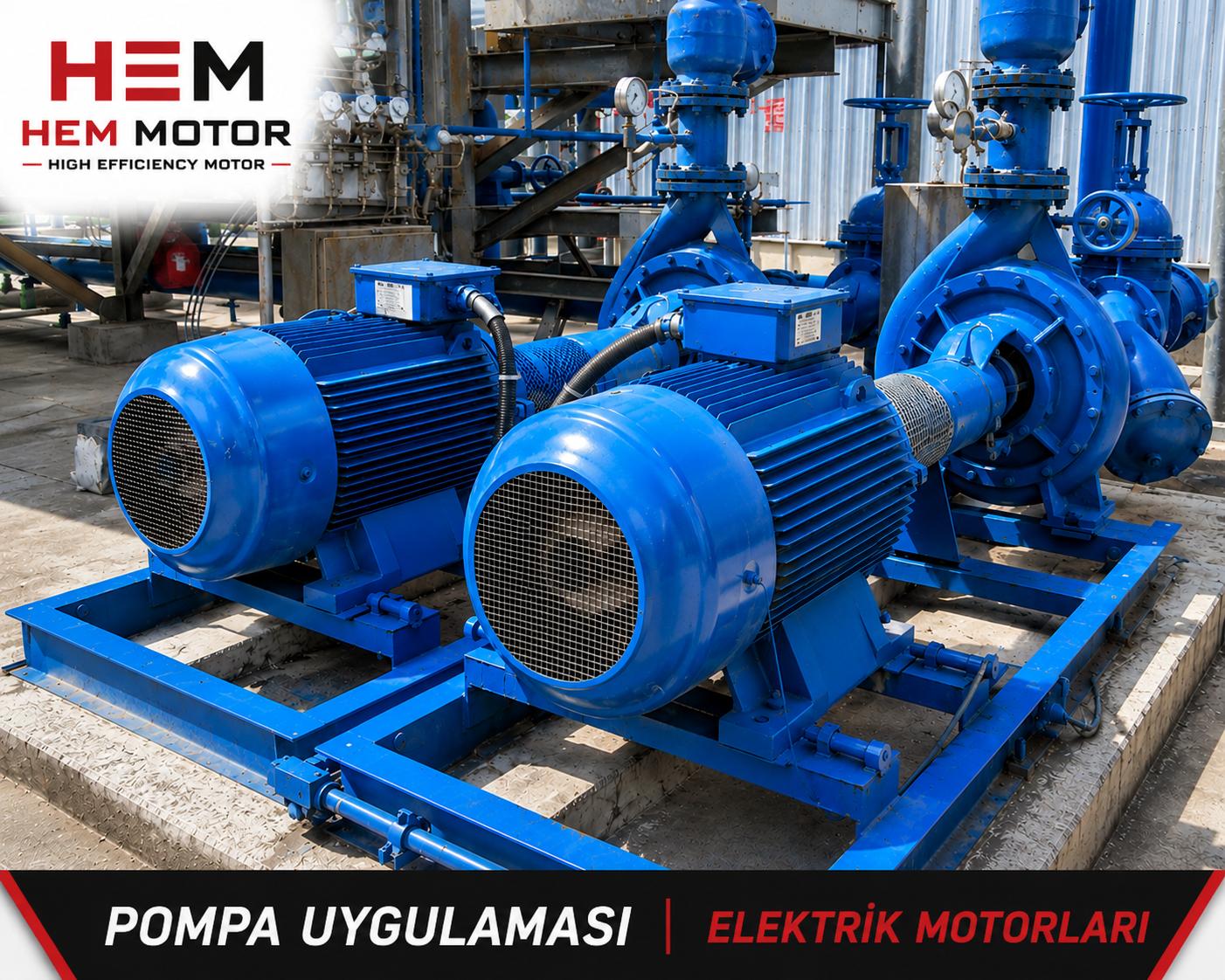
The most defining operating characteristic of the jockey pump is that it cycles on and off many times during the day, even several times per hour in some facilities. This operating regime requires a perspective in motor selection that is not standard continuous duty (S1) but one that demands frequent starting. With each start, the motor draws an inrush current of 5-7 times the rated current, and this current heats the winding. If the motor restarts before it has cooled sufficiently, the winding temperature increases cumulatively and the insulation life is shortened. For this reason, the number of permissible starts per hour for a jockey pump motor is a critical parameter; our article on the starts-per-hour limit in asynchronous motors explains the technical basis in detail.
To keep the frequent-start problem under control, a pressure tank (diaphragm expansion tank) is used on the system side. This tank absorbs small volume changes in the line, preventing the jockey pump from starting unnecessarily; a correctly sized tank dramatically reduces the start frequency of the motor. In motor selection, a high insulation class (F or H), thermal protection, and a suitable frame material come to the fore. The table below summarizes the power-speed-start combinations for typical jockey pump motors.
| Line Volume / Use | Jockey Motor Power | Pole / Speed | Recommended Max. Starts/Hour | Protection |
|---|---|---|---|---|
| Small building sprinkler | 0.37 - 0.55 kW | 2P / 2900 rpm | 10-12 | IP55, Class F |
| Medium-scale facility | 0.75 - 1.1 kW | 2P / 2900 rpm | 8-10 | IP55, Class F |
| Large mall / warehouse | 1.5 - 2.2 kW | 2P / 2900 rpm | 6-8 | IP55, Class F/H |
| High-pressure line | 2.2 - 3 kW | 2P / 2900 rpm | 6 | IP55, Class H |
Coordination with the Main Fire Pump
The jockey pump means nothing on its own; together with the main fire pump and usually a diesel or electric backup pump, it forms a staged pressure control system. In this system, the start and stop pressure (start/stop set points) of each pump are set differently from one another. The highest pressure threshold is given to the jockey pump, and the lower threshold to the main pump. Thus, when the line pressure slowly drops, the jockey pump engages first; if the pressure continues to drop and there is a real water demand exceeding the capacity of the jockey pump (i.e., a fire), the pressure falls to the start threshold of the main pump and the large pump engages.
For this coordination to work correctly, the set points must be ordered properly and the pressure switches of each pump must be calibrated correctly. A typical staging sequence is as follows.
| Pump | Start Pressure | Stop Pressure | Duty |
|---|---|---|---|
| Jockey Pump | Highest (e.g. nominal -5%) | Nominal line pressure | Compensate small leaks, keep line full |
| Main Electric Pump | Medium (below jockey) | Manual reset (no auto stop) | Meet real fire flow |
| Backup (Diesel) Pump | Lowest | Manual reset | Engage on power outage |
The Logic of NFPA 20 and EN 12845 Standards
Fire pump systems are governed internationally by NFPA 20 (Standard for the Installation of Stationary Pumps for Fire Protection) and in Europe by EN 12845 (Fixed firefighting systems - Automatic sprinkler systems). Neither standard regards the jockey pump as a direct life-safety component; the actual job of the jockey pump is to prevent the unnecessary operation of the main pump and keep the system ready. For this reason, the standards stipulate that the capacity of the jockey pump should be small enough to meet the permissible leakage rate of the system but not the actual flow created by the opening of a sprinkler head. This balance is very important: if the jockey pump is selected too powerful, it tries to hold the pressure even when a sprinkler opens and delays the engagement of the main pump.
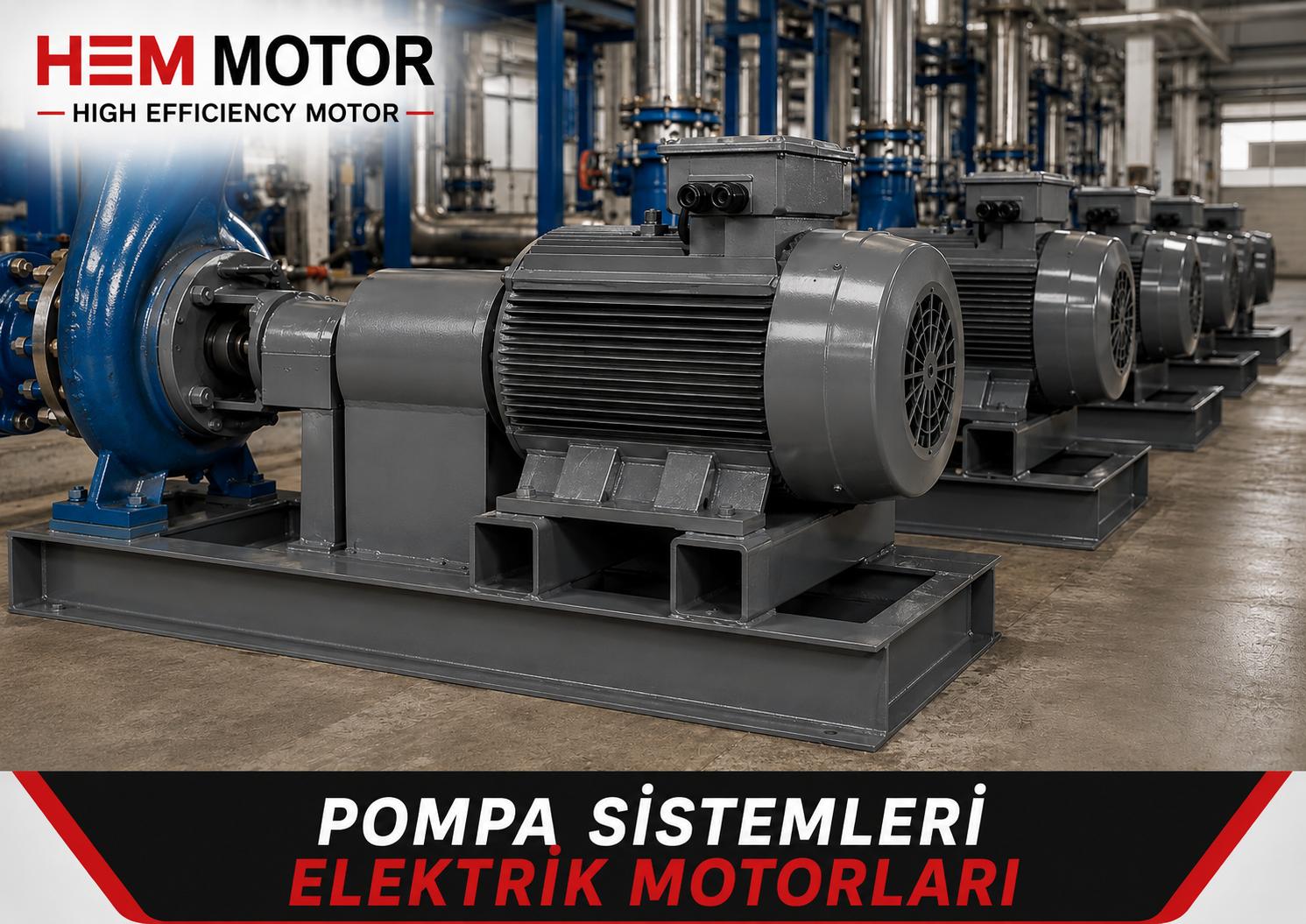
On the motor side, these standards demand continuous readiness, reliable starting, and a suitable protection class. Fire pump rooms are usually damp and dusty environments; therefore, at least IP55 protection class is recommended. In more demanding conditions, higher protection classes may be considered, as in environments requiring IP69K protection and high-pressure washdown. To protect the system against water hammer and sudden stops, the topic of water hammer and soft stop in pump and fan motors should also be considered.
Checklist for Jockey Pump Motor Selection
- Power: Minimum power to re-establish line pressure (typically 0.37-3 kW), distinctly smaller than the main pump.
- Speed: 2-pole 2900 rpm, due to the pressure-speed relationship in centrifugal pumps.
- Protection class: At least IP55 for the damp pump room.
- Insulation class: Class F minimum, Class H preferred for frequent starts.
- Thermal protection: In-winding PTC thermistor or thermal protection relay.
- Start endurance: Suitable for the number of starts per hour, with supplementary cooling if needed.
- Stock and fast supply: Common frame and standard connection for fast replacement in case of failure.
Determining the Correct Low-Power Motor
The selection of the jockey pump motor cannot be reduced to the simplicity of "the smaller the better." The motor must meet the hydraulic requirement of the pump but must not disrupt the coordination logic of the system. In practice, the engineer first calculates the hydraulic power required for the jockey pump to re-establish the pressure, then arrives at the motor power by also considering the pump efficiency. A safety margin is usually added, but this margin should not be exaggerated; an oversized motor both disrupts coordination and operates inefficiently at low load. To establish the motor power-load relationship correctly, our article on motor load ratio and correct sizing is a useful reference.
When selecting a motor at low power, stock and fast supply are also of great importance. Since the fire system is a critical installation, the waiting time should be kept to a minimum when the jockey pump motor fails. For this reason, motors with common frame sizes, standard flange and foot connections, and fast availability should be preferred. Our guide on 0.75 and 1.1 kW IE3 motor small power stock details the options in this power range.
Pump Room Environmental Conditions and Motor Protection Details
Fire pump rooms are located in most facilities in basements or below-ground spaces, and the environmental conditions of these spaces directly affect motor selection. These spaces are usually environments with limited ventilation, high humidity, and occasional water leakage. The jockey pump motor must withstand these conditions for months or even years without any failure; because a pressure maintenance system that is out of service during a fire leads to unnecessary fatigue of the main pump and a reduction in the reliability of the system. For this reason, it is of great importance that the motor frame is corrosion-resistant, the terminal box sealing is high, and the bearing lubrication is selected suitably for the damp environment.
The terminal box is the first line of defense against water and moisture ingress in a damp pump room. A terminal box with poor gasket quality or a cover that does not seat properly can take in moisture over time, leading to corrosion and short circuits at the terminal connections. On this subject, our article on terminal box cover gasket and sealing in cast iron motors explains in detail how the IP protection class is achieved in practice. In an application that must remain continuously ready, such as a jockey pump, these details are critical elements that determine the real field life of the motor.
Frequently Asked Questions
Why is the jockey pump motor selected much smaller than the main pump?
Because the job of the jockey pump is only to compensate for small leaks in the line and maintain pressure, not to meet the actual fire flow. If the jockey pump is too powerful, it tries to hold the pressure even when a sprinkler opens and delays the engagement of the main pump; this is a critical delay in the event of a fire. Therefore, the jockey motor is selected small enough to meet the permissible leakage rate of the system but not the actual flow.
Which speed should be preferred in a jockey pump motor?
Since pressure in centrifugal pumps is directly proportional to rotational speed, 2-pole 2900 rpm motors are generally preferred in fire lines requiring high pressure. High speed allows high pressure to be obtained with a small-diameter impeller and keeps the motor compact. Low-speed motors, on the other hand, generally cannot produce sufficient pressure for jockey applications.
How does frequent starting affect the jockey pump motor and how is it reduced?
With each start, the motor draws high inrush current and the winding heats up; if it restarts without sufficient cooling, the insulation life is shortened. The most effective way to reduce the start frequency is to use a correctly sized diaphragm pressure tank in the line. This tank absorbs small volume changes, preventing the motor from starting unnecessarily. Additionally, selecting a high insulation class (H) and thermal protection increases the endurance of the motor.
Determining the correct combination of power, speed, and protection class in fire pump and jockey pump motor selection is critical for the life safety of the facility. As HEM Motor, we supply motors with IP55 and higher protection class, resistant to frequent starts, in common power ranges with fast shipment from stock. To select the right jockey pump motor for your project and request a quote, you can contact us; we are by your side with manufacturer assurance and fast delivery.