English
 Türkçe

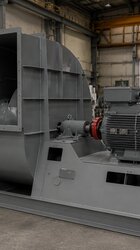
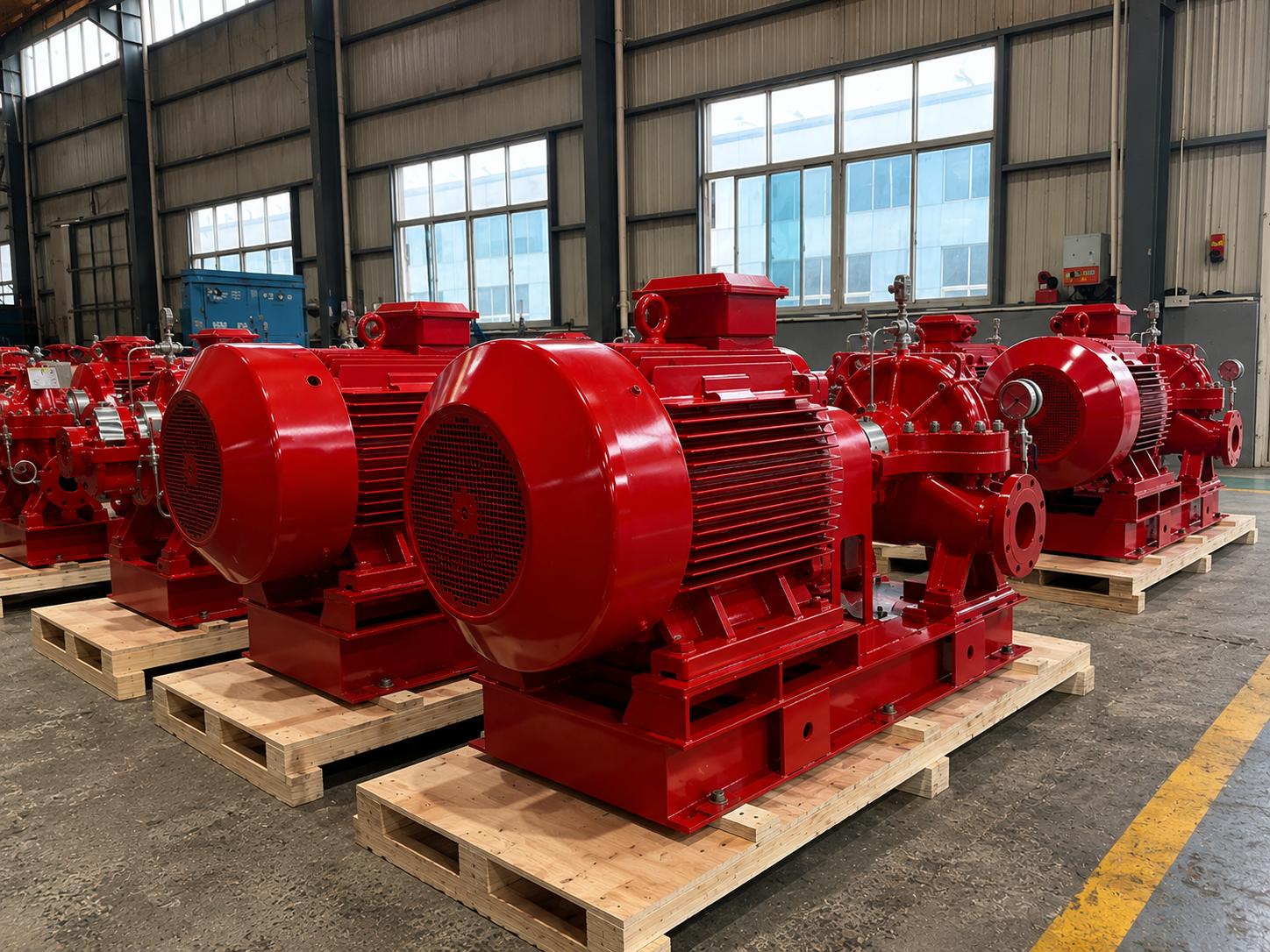

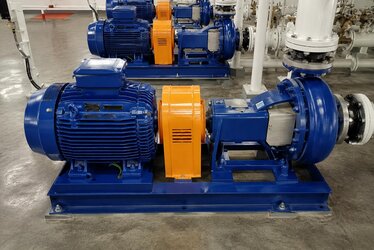
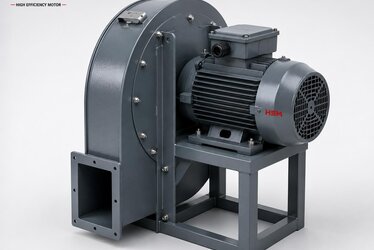
A fire pump motor cannot be treated like an ordinary industrial motor. Even if this motor sits idle for years without ever running, in the moment of a fire it must start without hesitation in a single second and run continuously at full load. For exactly this reason, the purchasing decision carries a responsibility that goes far beyond a simple price comparison. A wrongly selected motor means not only insurance, permit and building-inspection problems, but also a direct risk to life and property safety. In this article, as a manufacturer and seller, we go through the 10 critical questions you should ask your supplier before buying a fire pump motor, one by one, along with what to watch for in the answers you receive.
The questions that follow are not a formality. Each one is designed to expose whether the motor in front of you has genuinely been thought through for emergency duty, or whether it is simply a general-purpose motor being offered for a life-safety role it was never intended to fill. Approaching the purchase with these ten questions turns a price negotiation into a proper technical qualification, and that shift in mindset is the single most reliable protection against an unpleasant surprise on the day the pump is finally called upon.
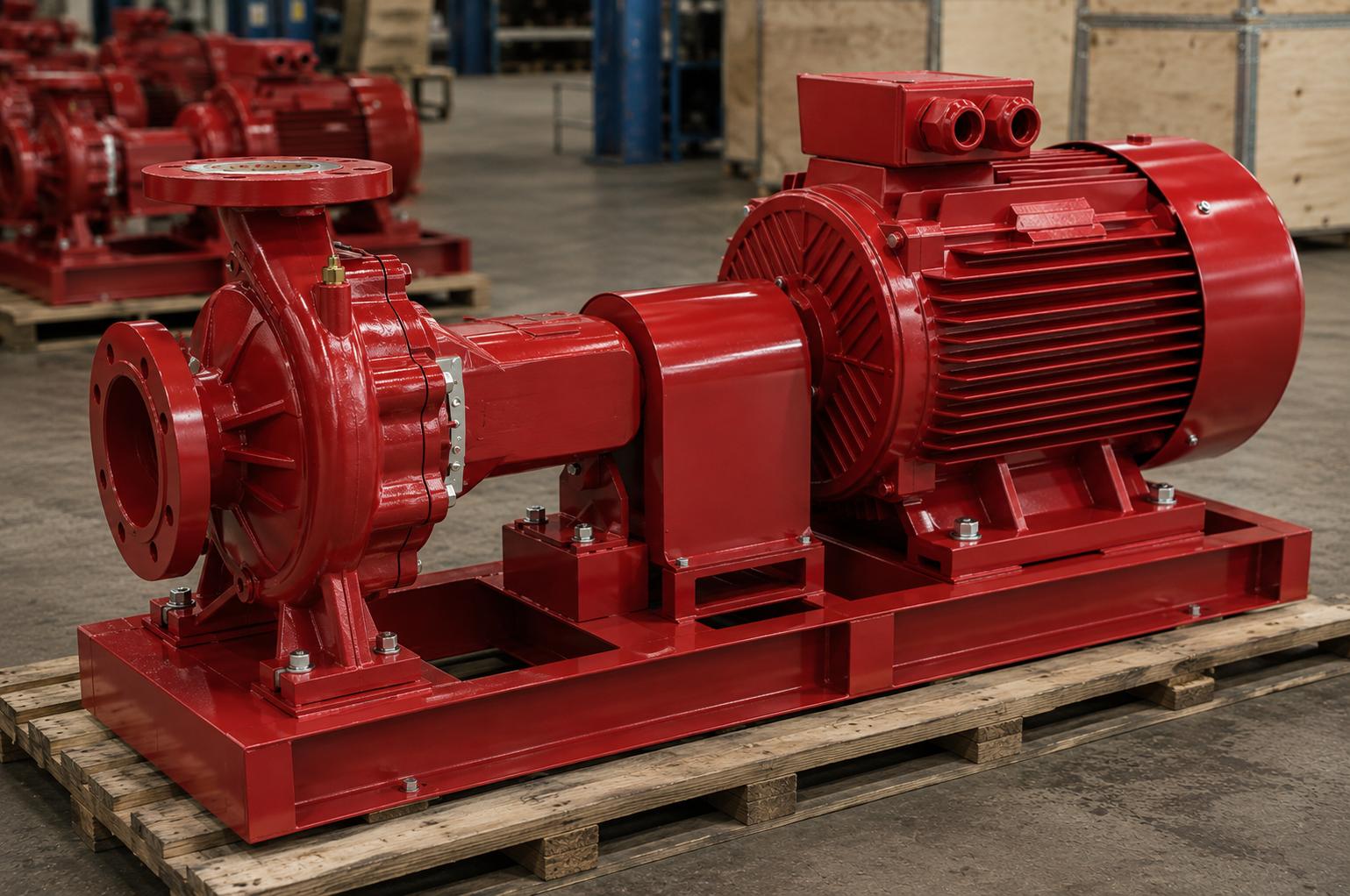
Why Is a Fire Pump Motor Special?
Most industrial motors run continuously and their performance is observed every single day. If a conveyor motor begins to struggle, the operator notices within hours. A fire pump motor, by contrast, almost never runs, yet it must be flawless in the one moment it is required to operate. There is no warm-up, no second chance and no time to investigate a fault. This "sleeping but always ready" character demands special care in the motor's selection, installation and maintenance. Here an electric motor is not merely a piece of mechanical equipment but an element of life safety, and every choice around it must be made with that weight in mind.
Because the duty is so unusual, the qualities that make a good general-purpose motor are not automatically the qualities that make a good fire pump motor. Reliable starting after a long standstill, resistance to a damp pump room, and the ability to deliver rated output the instant it is energized matter far more here than marginal efficiency gains. Keeping this difference in mind is what separates a considered purchase from a costly assumption.
The 10 Questions to Ask Before Buying
The questions below reveal how well your supplier understands the fire pump application. A supplier who answers these questions clearly and confidently is the best indicator that you have found the right supplier. Treat the answers as a single connected picture rather than ten isolated boxes to tick, because a weakness in any one area can undermine the whole installation.
1. Is the motor suitable for fire pump duty?
Not every motor is fit for this task. The supplier must confirm that the motor can start safely on the first attempt after a long standstill and can run continuously at full load without derating. This fire pump duty suitability is the very first thing to establish, because everything else assumes it. A motor that is merely "close enough" for the power rating but was never characterized for emergency starting introduces a hidden risk that no amount of paperwork can offset.
2. Does it comply with the relevant regulations and standards?
Fire pump systems are an area that life-safety regulations look at directly. The motor's compliance with the applicable requirements should be questioned and backed up with the necessary documentation. Verbal assurances are not enough; documented standards compliance is what matters, because at the inspection stage the authority will want to see evidence, not promises. Ask early so that any missing certificate can be obtained before it becomes a project bottleneck.
3. Are the power and speed compatible with the pump?
The motor must have the power and speed that deliver the flow and pressure the pump demands. Insufficient power means being unable to provide the required water flow at the moment of a fire, which is precisely the situation that must never occur. Confirm that the motor's rated power covers the pump's absorbed power across its full operating curve, and that the speed matches the pump's design point, so the system delivers its rated duty rather than a reduced one.
4. Are the starting current and the starting method appropriate?
A fire pump motor must start safely at full load. The compatibility of the starting current with the control panel, with the generator (if present) and with the supply infrastructure must be checked. An overlooked starting current can prevent the motor from reaching speed at the critical moment, or can trip protection devices just when the pump is needed most. The starting method must be chosen so that the inrush is handled gracefully by every part of the supply chain feeding the motor.
5. Are the protection class and frame material adequate for the environment?
The pump room can be humid, poorly ventilated and prone to occasional water ingress. The motor's protection class and frame material must be suitable for waiting trouble-free in this environment for many years. A correctly chosen protection class guarantees that the motor remains ready throughout its long standstill, rather than slowly degrading through condensation and corrosion until it fails on its first real call to duty.
6. Is it in stock, or will it be made to order?
In fire pump systems the delivery time directly affects the project schedule. You should clearly ask whether the motor is in stock and in what time frame it will be delivered. Reliable stock availability is often as decisive as the technical specification itself, because a perfectly specified motor that arrives weeks late can stall commissioning and push back the building's occupancy. A transparent answer here lets you plan the rest of the installation with confidence.
7. What does the warranty cover and how does the process work?
The scope of the warranty and the procedure to follow in case of a fault must be clear from the outset. The word "warranted" alone is not enough; details such as whether winding burnout is covered and how quickly intervention is provided are important. A transparent warranty scope protects you over the long service life of the motor, and knowing the response process in advance means that if something does go wrong, you already know exactly whom to contact and what to expect.
8. Is the supply of a spare motor possible?
In a critical application, being able to reach a one-to-one spare motor quickly when needed is a major advantage. You should ask whether the supplier can provide the same motor in the future as well. Continuity of spare motor supply keeps the system serviceable for years, so that a future repair does not force a redesign of the mounting, coupling or control panel just because the original model is no longer available.
9. Are the nameplate data and technical documents complete?
The motor's nameplate values, technical documents and required certificates must be handed over complete. These documents are requested during the inspection stage, so missing nameplate data can delay the entire approval process. Complete documentation also makes future maintenance and any warranty claim far simpler, because every relevant value is recorded and traceable from the moment the motor is delivered.
10. Is there a manufacturer's guarantee?
It matters whether the motor comes from the manufacturer or through an intermediary chain. A manufacturer's guarantee secures both the accuracy of the technical values and a clear point of contact for warranty and spare-part supply. With genuine manufacturer assurance you always know whom to address, instead of chasing a sequence of resellers when a technical question or a service need arises years after installation.
What to Watch for in the Answers
The clarity of a supplier's answers to these questions shows how seriously they take the fire pump application. Vague, evasive answers are a warning sign. Clear technical explanations, document-backed assurances and transparent information about stock and delivery are the marks of the right supplier. When a supplier answers without hesitation and supports each point with evidence, you can be confident that the motor has been considered for the duty it will actually perform.
- Clear technical answer: There should be no ambiguity about power, speed, protection and starting.
- Documented assurance: Compliance and warranty should be supported in writing.
- Stock transparency: The delivery time should be realistic and clearly stated.
- Spare-part continuity: Provision of the same motor in the future should be ensured.
To make the right decision when supplying fire-safety equipment, you can review our pump motor selection guide content and clarify the warranty process with our motor warranty scope article. For current electric motors and stock availability, requesting a direct quotation is always the most reliable path.
Frequently Asked Questions
Why is a fire pump motor different from an ordinary motor?
Because even if this motor waits for years, in the moment of a fire it must start on the first attempt without hesitation and run continuously at full load. This "always ready" requirement calls for special care in selection and maintenance; in addition, it is subject to the direct oversight of life-safety regulations.
What kinds of risks does choosing the wrong motor create?
A wrong motor creates insurance, permit and building-inspection problems. More importantly, the pump being unable to deliver sufficient water flow during a fire means a risk to life and property safety. For this reason the selection should be made not on price but on suitability and reliability.
What is the most critical question I should ask the supplier?
The most critical issue is the motor's suitability for fire pump duty and its ability to start safely after a long standstill. Alongside this, the stock and delivery time and the warranty process should also be clear from the start, because this motor will one day surely have to run.