English
 Türkçe

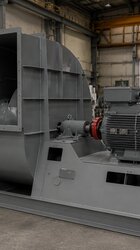
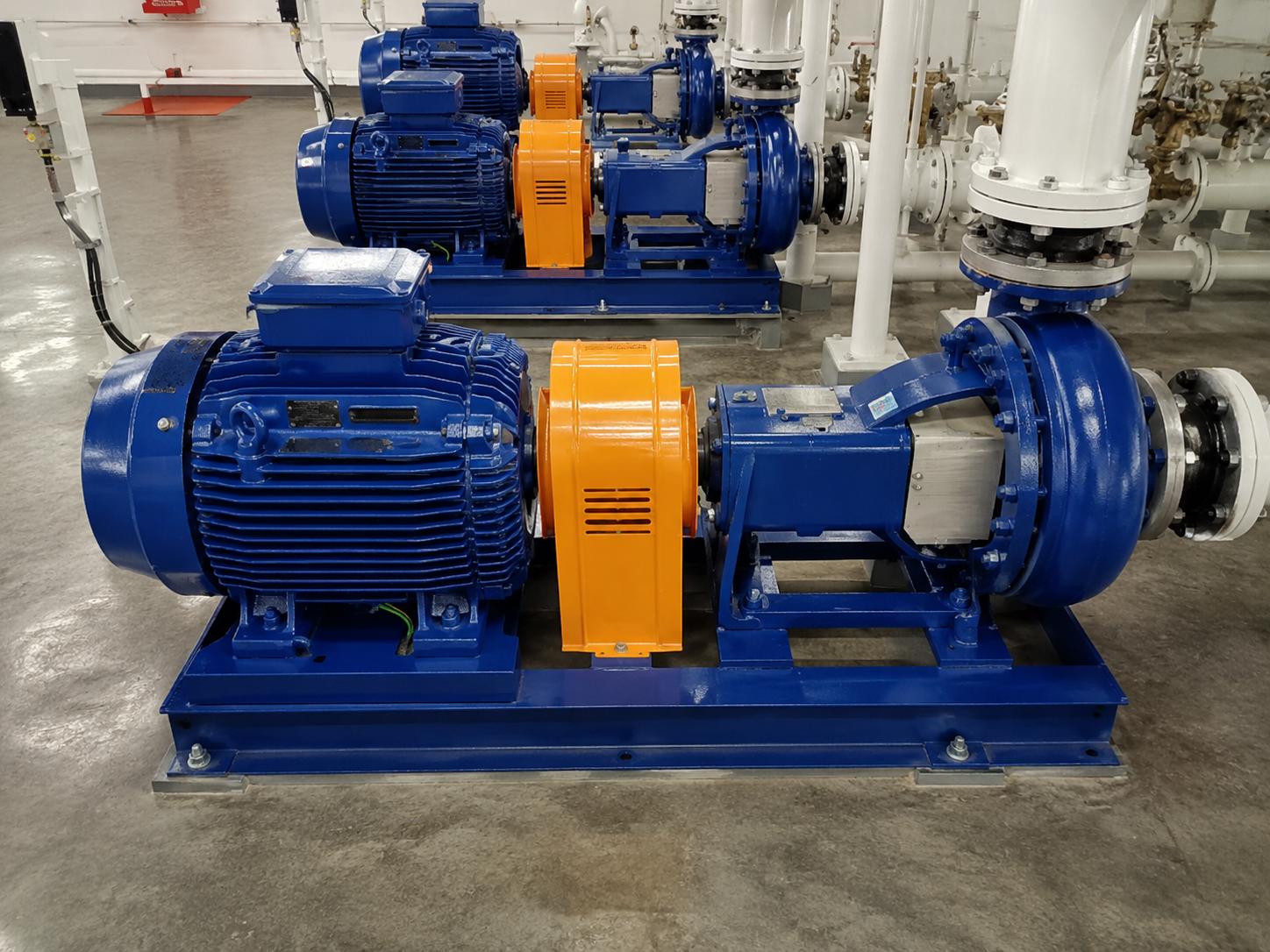

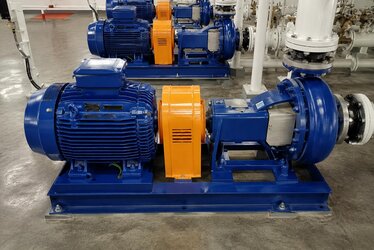
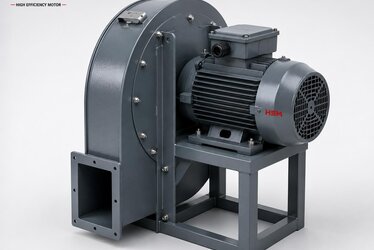
In a food and beverage plant a pump, fan or blower motor must do far more than simply provide the right power and speed; it has to survive an aggressive hygienic cleaning regime, high-pressure washdown and harsh disinfectants. On dairy, meat, juice, bakery, beverage and ready-meal lines the equipment is cleaned at the end of every shift with foam, caustic and hot water, and is often blasted with a hose at 80-100 bar. A standard industrial motor quickly rusts under these conditions, its paint blisters, water enters the terminal box, and within a few months the winding burns out. A food-grade hygienic motor is engineered precisely for this cycle: it comes with a smooth washdown surface, a stainless steel or specially coated aluminium body, food-safe paint and grease, and IP66/IP69K water-ingress protection.
This article covers the criteria you should evaluate to select the right pump-fan motor for a food/beverage facility: body material, surface quality, IP protection level, paint and grease class, corrosion category (C5), pump-fan load matching and CIP/COP cleaning compatibility. The goal is to help you order, the first time, a motor that passes the hygiene audit, withstands washdown and delivers a long service life. A wrongly selected motor does not just cost its own price; when it fails it stops the line and creates product waste and hygiene-breach risk. Motor selection is therefore an invisible but critical link in the food-safety chain.
Why a Hygienic Motor Differs From a Standard One
A standard industrial motor body has cooling fins, deep grooves and corners. This geometry helps with air cooling but creates the opposite risk in a food environment: product residue, moisture and bacteria collect between the fins, and high-pressure water drives that residue deeper rather than cleaning it out. Hygienic (washdown) motors therefore use either a fully smooth, finless body or fins that are wide and sloped for easy cleaning. Surface roughness is reduced and horizontal ledges that could pool water are angled so that wash water runs off instead of standing on the surface. The terminal box cover is also chosen to be corner-free, with a fully seated gasket and a sealed cable entry.
Another design difference is the mounting and base arrangement. A flat base that pools water under the motor is undesirable in a hygienic plant; instead a sloped, easy-to-clean layout that supports drainage is preferred. Even small details such as bolt heads, the nameplate and cable glands are chosen so they do not trap dirt. The aim of all these measures is one: to leave no hidden pocket where food residue and moisture can collect on the line.
- Smooth body: A surface that holds no dirt or bacteria and rinses off easily with a hose.
- Stainless / coated aluminium: Material that withstands caustic and acidic cleaning chemicals.
- Food-safe paint: Non-flaking, non-blistering, FDA/EU compliant epoxy systems.
- Food-safe grease: NSF H1 class grease for any possible contact at the shaft seal and bearing.
- High IP protection: IP66 and, where needed, IP69K for high-pressure/hot-water washdown.
IP66 and IP69K: Understanding the Washdown Protection Level Correctly
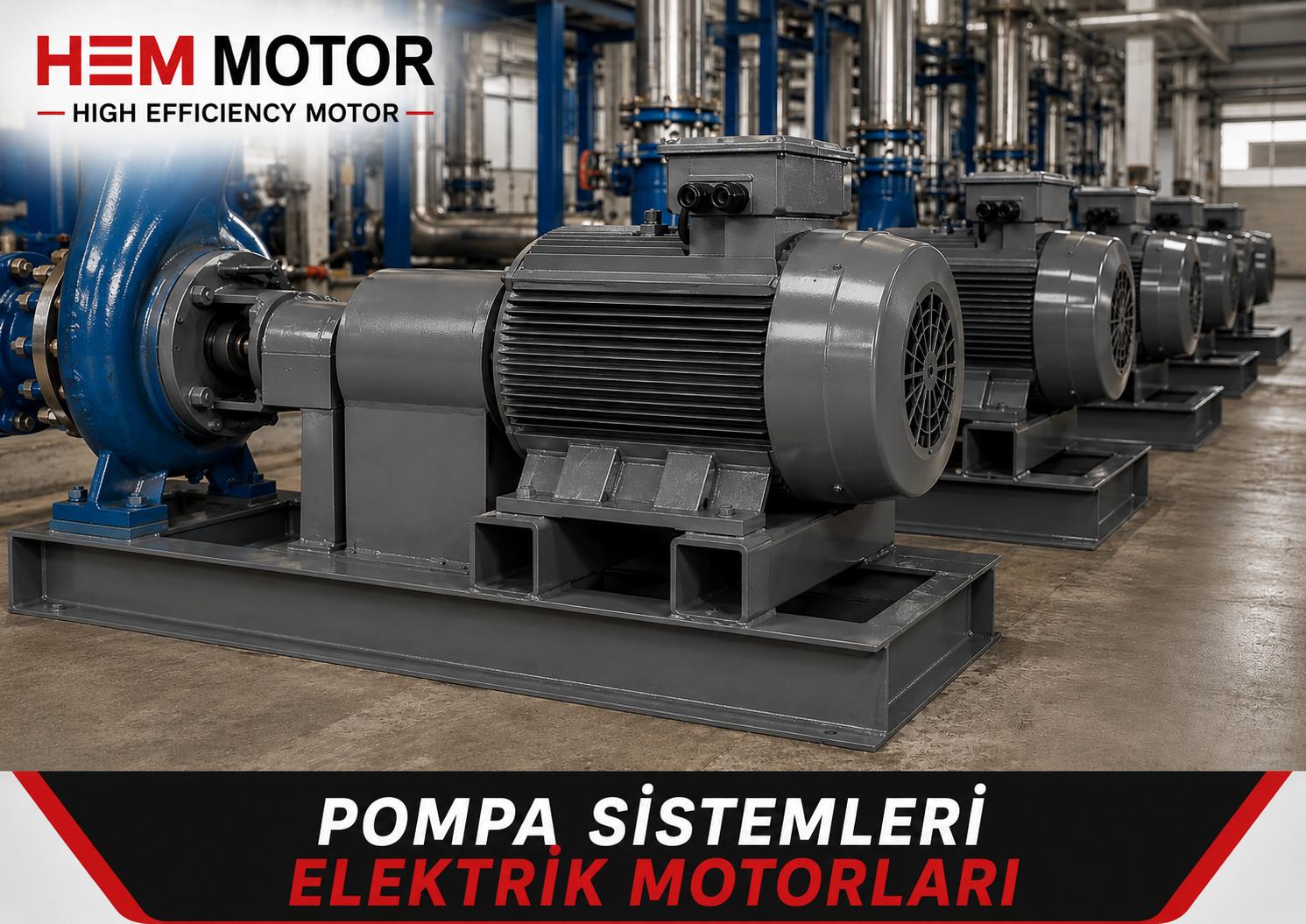
The most critical technical parameter in hygienic motor selection is the IP protection level. The second digit of the IP code defines protection against water ingress. In a food plant standard IP55 is not enough; humidity and wash water seep into the terminal box and bearing area. The minimum target is IP66; at critical points blasted directly with pressurised water or subjected to CIP/COP cleaning, IP69K is required. IP69K certifies resistance to close-range water jets at 80°C and roughly 80-100 bar, which is effectively the reference level for food equipment standards.
| IP / Feature | Protection Definition | Use in a Food Plant |
|---|---|---|
| IP55 | Dust and low-pressure water splash | Insufficient; only dry, non-washed areas |
| IP56 | Dust and resistance to powerful waves/splash | Mid level; wet but not directly jetted area |
| IP66 | Dust-tight, resistant to powerful water jets | Minimum level for general washdown zones |
| IP66/W | IP66 + extra corrosion/climate protection | Humid, salty or chemically intense areas |
| IP69K | Close-range, 80°C, ~80-100 bar wash | CIP/COP, directly pressure-washed critical point |
When choosing the IP level you must also consider how often and by what method the motor is cleaned. IP66 may be enough for a blower motor that is rinsed by hand at low pressure at the end of a shift; but for a filling-line pump that receives foam + hot water + pressure rinse at every product changeover, IP69K is the safer choice. IP protection also serves to protect the internal winding against humidity, not just direct water entry. To determine the correct IP level, simply share the zone where the motor sits and the cleaning procedure used.
Body Material: Stainless or Coated Aluminium?
Hygienic motors offer two main body options. A fully stainless steel (AISI 304/316) body resists corrosion even in the most aggressive chemical and salty environments; it is preferred on meat processing, seafood and heavy caustic-wash lines. A specially coated aluminium body is lighter, dissipates heat better and is cost-effective for moderately aggressive food environments. Stainless is chosen where chlorinated disinfectant and seawater contact are intense, while coated aluminium is usually adequate for bakery and dry-food areas. The deciding factor is not the motor price alone but the chemical aggressiveness of the environment, the cleaning frequency and the expected service life.
- AISI 316 stainless: Highest resistance in chlorine, salt and acidic environments.
- AISI 304 stainless: Strong corrosion resistance in general food washdown.
- Coated aluminium: Light, good cooling, economical for moderate aggressiveness.
- Corrosion category C5: Target class for high humidity/salt-load environments.
Paint, Grease and Corrosion Class (C5)
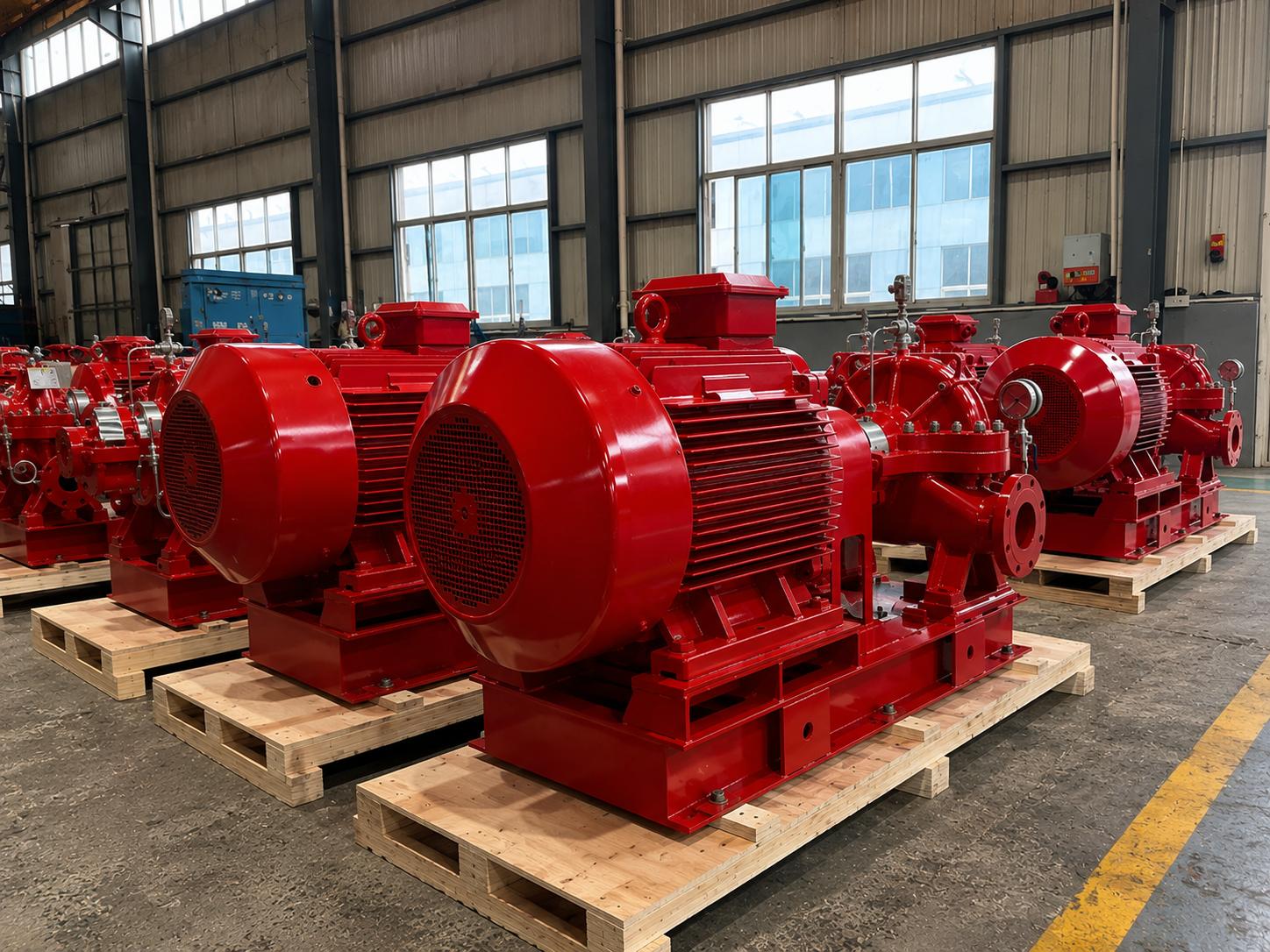
The service life of a hygienic motor depends heavily on its paint system. In food areas the paint must be non-flaking, non-blistering and microbiologically safe. Hygienic motors therefore use FDA/EU food-contact compliant epoxy paint that remains stable against caustic (alkaline) and acidic cleaning chemicals. Corrosion resistance is expressed by the ISO 12944 category; for a food wash environment the C5 class (high corrosion load) is targeted. For bearing and shaft-seal lubrication, NSF H1 class grease is used to guard against accidental contact with food. Because blistering or flaking paint both starts corrosion and risks small paint particles mixing into the product line, in food areas paint quality is not a detail but a basic safety requirement.
| Component | Standard Motor | Food-Grade Hygienic Motor |
|---|---|---|
| Body surface | Finned, grooved | Smooth / easy-to-wash (washdown) |
| Body material | Cast iron / std. aluminium | Stainless (304/316) or coated aluminium |
| Paint | Standard industrial | Food-safe epoxy, C5 corrosion |
| Grease | Standard lithium grease | NSF H1 food-safe grease |
| IP protection | IP55 | IP66 / IP69K |
| Drainage | Usually none | Condensation drain option |
CIP / COP Cleaning and Condensation Management
In CIP (Clean-In-Place) and COP (Clean-Out-Of-Place) procedures the equipment regularly passes through cycles of hot water, caustic and acid. Although the motor does not enter this cycle directly, it is exposed to wash steam and splash. For this reason the terminal box gasket, cable glands and shaft seal of a hygienic motor are selected with care. In addition, as the motor cools after a hot wash, condensation can form inside the body; a condensation drain hole option and, where needed, an anti-condensation heater are recommended. These details prevent the motor from collecting water inside during overnight stops and weakening the winding insulation. Especially on lines that stand idle for long periods between shifts, accumulated internal moisture is the most common yet most easily prevented cause of failure.
Power, Speed and Mounting Matched to the Pump and Fan Load
As important as the hygienic body and IP protection is matching the motor correctly to the pump or fan load. The centrifugal pumps, filling pumps, CIP feed pumps and ventilation fans in a food plant demand different torque-speed characteristics. Centrifugal pump and fan loads are variable-torque (rising with the square of speed); that is, as speed increases the power demand climbs rapidly. Selecting the motor according to the actual flow and head at the operating point therefore avoids buying an oversized motor that runs inefficiently at constant partial load. Positive-displacement dosing and transfer pumps, by contrast, demand constant torque, where starting torque and heating under continuous duty come to the fore.
- Speed (pole) choice: 2-pole (~2900 rpm) on high-pressure small pumps, 4-pole (~1450 rpm) on general pumps and fans, 6-pole (~960 rpm) on large-diameter quiet fans.
- Mounting type: Foot-mounted (B3), flange (B5/B14) or directly pump-coupled; set by the pump housing.
- Hygienic mounting: A base and connection layout that does not pool water and is easy to clean.
- Drive compatibility: If speed control via VFD is planned, inverter-duty winding and a suitable cable plan.
On variable-flow ventilation and extraction lines, speed control via a drive instead of throttling with a valve both saves energy and helps the motor run cooler. This approach is especially valuable in a hygienic plant because a lower surface temperature also reduces the risk of condensation after washing. For the right power-speed match on a pump and fan motor, sharing your plant flow-head curve makes it easier for us to make the best selection.
Checklist for Selecting the Right Hygienic Motor
- Is the zone where the motor sits dry, wet, or a directly washed critical area?
- Is the cleaning method hand rinsing, foam + pressure wash, or CIP/COP?
- Are the chemicals used alkaline (caustic), acidic, or chlorinated disinfectant?
- Does the salt/humidity load require the C5 corrosion class?
- Are the grease and paint NSF H1 and FDA/EU compliant for food contact?
- Have the correct power, speed and mounting (B3/B5/B14) been set for the pump/fan load?
- Is a drain or heater option needed against condensation after hot washing?
Selecting a food-grade hygienic motor is far more than a single IP number; it requires evaluating body material, surface quality, paint-grease class and the cleaning regime together. For a broader view of IP protection selection on pump and fan motors, our IP protection class selection guide and, specifically for washdown environments, the IP69K high-pressure washdown guide are good starting points. For food-factory-specific hygiene and selection details, you can review our food factory electric motors and dairy, meat and beverage plant motors content. For the anti-condensation option, our condensation drain hole article will be useful.
Frequently Asked Questions
Is a standard IP55 motor enough in a food plant?
IP55 can be tolerated only in dry, non-washed areas with no food contact. On all lines that are hose-rinsed or exposed to wash splash, a minimum of IP66 is recommended, and at critical points washed directly with pressurised/hot water, IP69K. In these environments IP55 lets water into the terminal box and bearing, causing early failure.
Is a stainless body always necessary, or is coated aluminium enough?
On meat, seafood and aggressive chemical lines with chlorinated disinfectant, seawater and heavy caustic washing, stainless (preferably AISI 316) is the safest choice. In bakery, dry-food and moderately aggressive washdown zones, a specially coated aluminium body is usually sufficient because it is lighter and more economical.
Why are food-safe grease and paint important in a hygienic motor?
Grease that could accidentally seep from the shaft seal or cover may contact the product line directly, which is why NSF H1 class food-safe grease is used. The paint must also be non-flaking, non-blistering and microbiologically safe (FDA/EU compliant epoxy) both to pass the hygiene audit and to ensure a long service life.
At HEM Motor we supply hygienic pump-fan motors for food and beverage plants with stainless and coated-aluminium bodies, IP66/IP69K protection, and food-safe paint and grease options, from stock and with fast delivery. Share your plant zone map, cleaning procedure and pump/fan load data; we will identify the motor and the required options that suit your application and prepare a quotation for the right solution.