English
 Türkçe


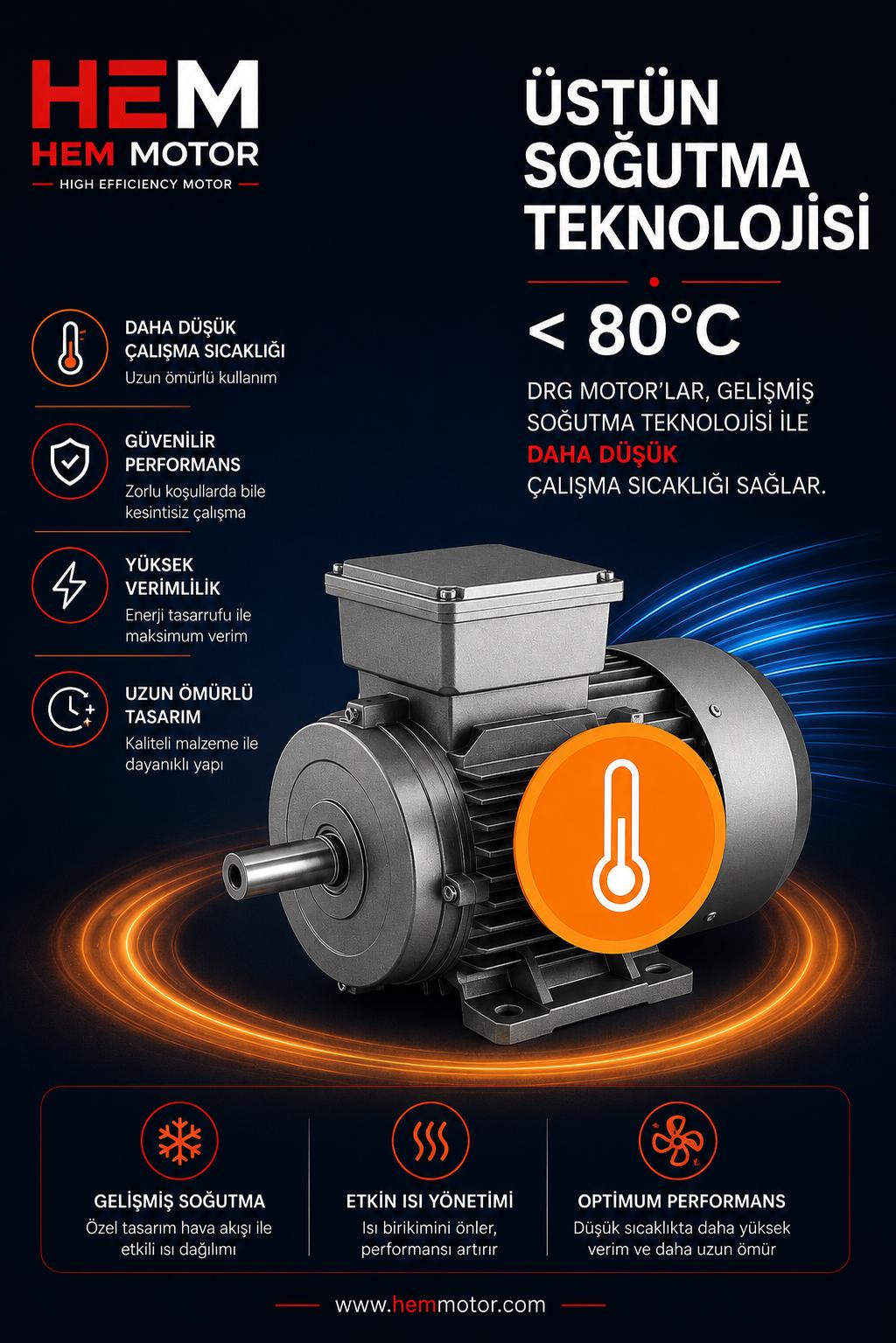

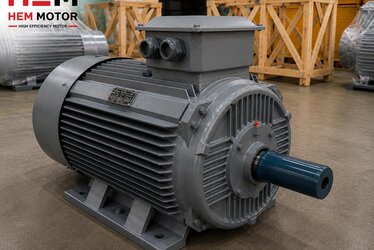
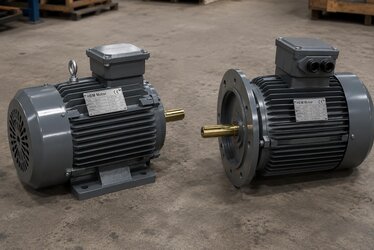
When a cast iron framed electric motor runs in a humid or outdoor environment, water can build up unnoticed inside the frame. This water does not enter from outside; it forms from the condensation of the humid air inside during the motor's heating and cooling cycles. Over time this accumulated water weakens the winding insulation, starts corrosion in the bearings and leads to early motor failure. Fortunately the solution is simple: a correctly positioned condensation drain hole (drain plug) and, when needed, an anti-condensation heater. In this guide we explain why condensation forms, how to open the drain hole according to the mounting position, and the ways to protect the motor in humid/outdoor environments.
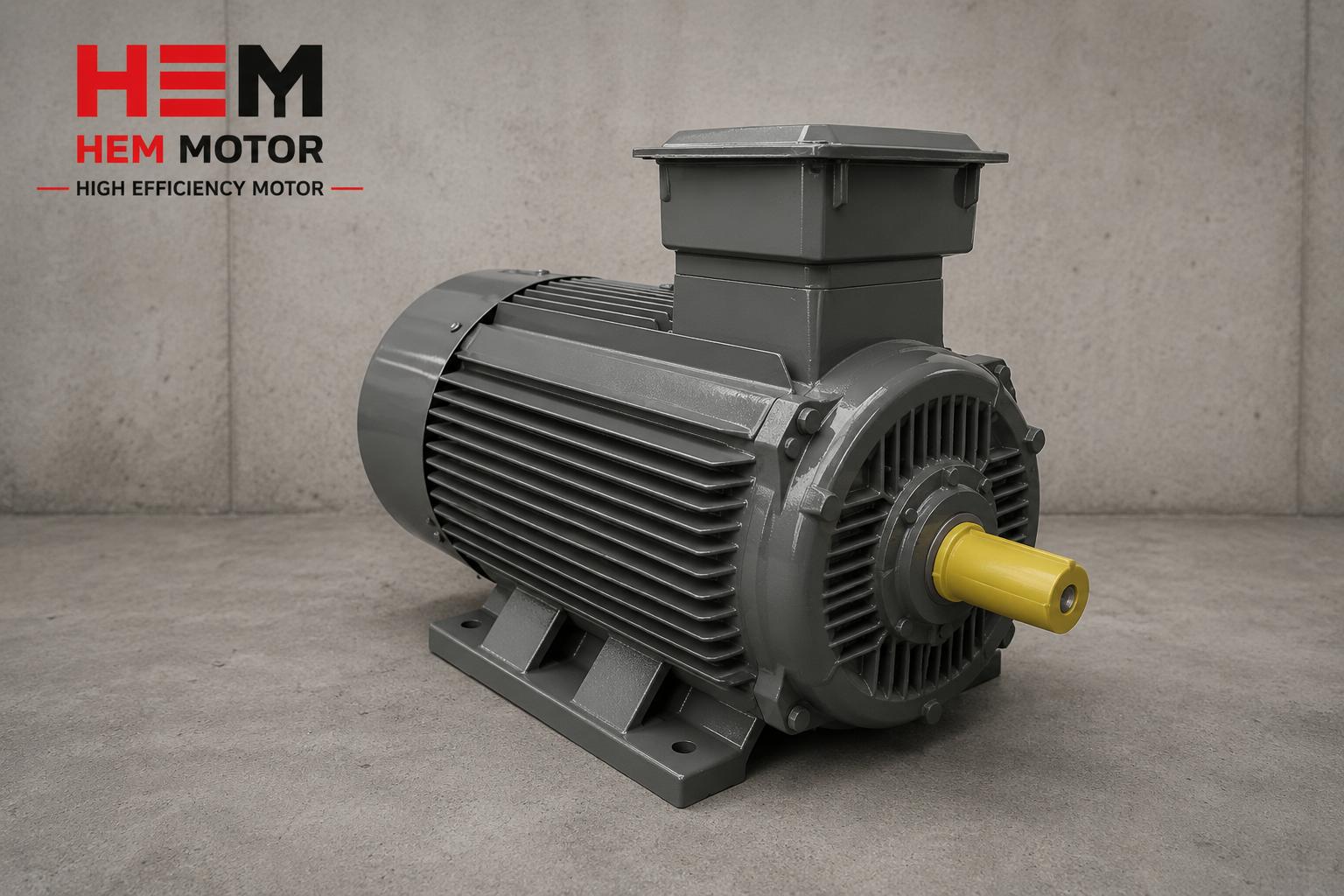
Why Does Condensation Form Inside the Frame?
A motor heats up when it runs and cools down when it stops. This hot-cold cycle also causes the air inside the frame to expand and contract. As the motor cools, the humid air inside reaches the dew point beneath the frame surface and the water vapour it contains turns liquid, forming water droplets on the inner surface of the frame. This event is called condensation. In open fields, cold storage rooms, on the coast or in places with large day-night temperature differences, this cycle occurs more frequently and water build-up increases.
Cast iron frames are preferred in heavy-duty applications thanks to their high mechanical strength and thermal mass; however, the enclosed frame structure makes it harder for moisture accumulated inside to escape on its own. For this reason condensation management is especially important in cast iron motors. You can find the advantages of the cast iron frame in detail in our cast iron vs aluminium frame article. We addressed corrosion protection in outdoor use in our corrosion protection and open field use article.
What Is a Condensation Drain Hole (Drain Plug) and What Does It Do?
A condensation drain hole is a small drainage point placed at the bottom of the motor frame, normally kept closed with a plug. Its job is to drain the condensation water accumulated inside the frame out by gravity. There are two types of use: in the first the plug is opened by hand during periodic maintenance, the water is drained and it is closed again; in the second a special labyrinth (drainage) plug is fitted, which continuously drains the water while preventing the ingress of dust and water, thus preserving the IP protection class.
A properly working drain hole protects the winding and bearings from continuous contact with water. If there is no drainage or it is in the wrong position, the accumulated water pools at the lowest point of the frame and directly damages the winding or bearing. To see the symptoms and causes of motor failures, our electric motor failures article is useful; we examined the causes of early failure in our motor lifespan and early failure article.
Opening the Lowest Hole According to the Mounting Position
This is the solution to the most common mistake in condensation drainage. For drain holes to work they must be at the lowest point of the frame, because water collects at the bottom by gravity. Motor manufacturers usually place drain holes at several points of the frame or leave openable plug seats. This is because the same motor can run in horizontal (B3), vertical (V1/V5) or different mounting positions, and the lowest point of the frame changes in each position.
Therefore, after mounting, the lowest drain hole according to the motor's actual position must definitely be opened, while the holes on the upper side must be kept closed (plugged). If, on a horizontally mounted motor, the upper hole is mistakenly opened and the lower one left closed, the water cannot drain and accumulates. The situation is more critical in vertical mounting; the drainage point changes completely in shaft-down (V1) and shaft-up (V5) positions. We covered vertical mounting details in our vertical mounting motor selection article. To avoid skipping this check during commissioning, you can use our commissioning checklist article.
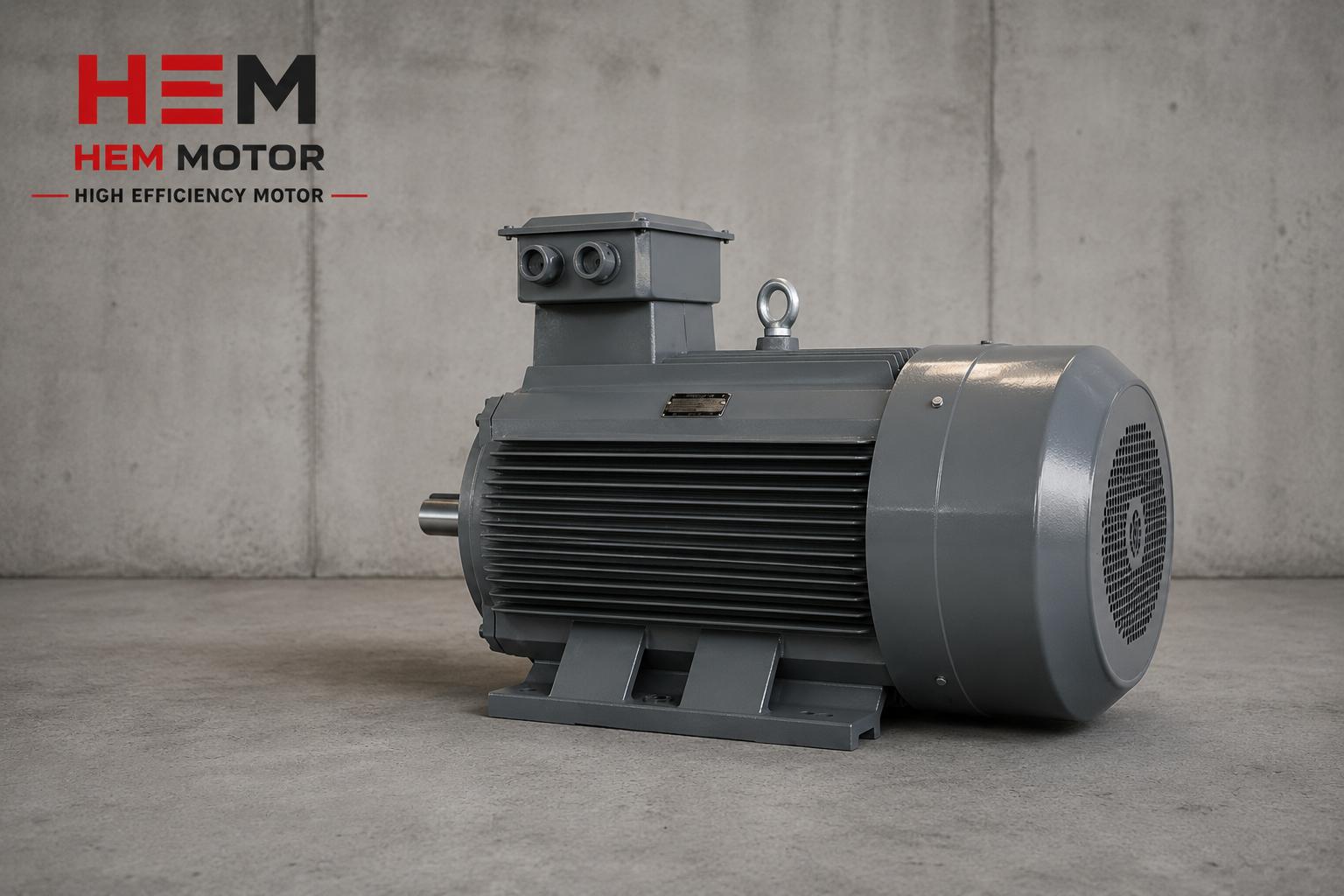
Anti-Condensation Heater: Preventing Water From Forming in the First Place
The drain hole drains the water that forms; the anti-condensation heater prevents the water from forming in the first place. An anti-condensation heater is a small power resistor placed near the motor windings. It activates when the motor stops and keeps the internal frame temperature a few degrees above the ambient temperature; this keeps the air inside from dropping below the dew point and prevents condensation. This is especially critical for motors that stand still for long periods, are on standby or in spare (stand-by) status.
In applications such as cold storage rooms, fire pumps and outdoor field fans the motor may stand still for long periods; in this case an anti-condensation heater is almost mandatory. We explained moisture management in motors kept and stored for long periods in detail in our electric motor storage and keeping article. You can find motor selection in cold storage applications in our cold storage fan and compressor motors article.
Relationship With the IP Protection Class
At first glance it seems contradictory: while the motor keeps dust and water out with IP55 or IP65, why should there be a drain hole in the frame? Because IP protection is against water and dust coming from outside; it is not against water formed by condensation inside. In fact, the better the frame is sealed, the harder it is for moisture formed inside to escape. For this reason the solution in motors with high IP protection is to use a labyrinth (drainage) drain plug; this plug drains the water while preventing dust/water ingress from outside, thus preserving the IP protection.
The IP protection class selection is made according to the water and dust density of the environment. To choose the right class our IP protection class selection article, and for places requiring high-pressure washdown our IP69K washdown article, are useful. The terminal box must also be protected from moisture; we addressed this in our terminal box and cable connection article.
Preventing Winding and Bearing Corrosion
Condensation water causes two main types of damage. The first is the deterioration of the winding insulation: moisture lowers the insulation resistance and can over time lead to short circuit and winding burnout. The second is bearing corrosion: moisture entering the bearing degrades the grease and forms rust in the bearings; this means vibration, noise and early bearing failure. Measuring the insulation resistance of a stock motor with a megger catches moisture-related problems early; we explained this in our insulation resistance and megger test article.
Regular greasing and sealing are important to preserve bearing life. You can find these topics in our bearing and bearing life and oil seal and sealing articles. Salty moisture is an additional risk in marine and coastal facilities; for this check our protection in marine and coastal facilities article. For a periodic maintenance plan, our maintenance and periodic check schedule article is a guide.
In Which Applications Is the Condensation Risk High?
The condensation risk increases in applications where the temperature cycle is frequent and wide and the humidity is high. Fan and pump motors running in the open field experience constant condensation with the day-night temperature difference. Cold storage room motors are prone to condensation during transitions from a hot to a cold environment and when stopped. Motors that stand on standby for long periods, such as fire pumps, accumulate moisture inside because they do not run. In coastal and riverside facilities the ambient humidity is already high.
When selecting a motor for these applications, condensation drainage and an anti-condensation heater should be planned from the start. We addressed condensation management together with IP protection in outdoor fan motors such as cooling towers and chillers in our cooling tower and chiller fan motors article. You can find standby conditions in fire pump motors in our fire pump motor article, and the relationship between outdoor environment and IP protection in our seawater and saltwater pump motors article.
Additional Protection With Paint, Coating and Cataphoresis
Condensation water can start corrosion on the frame surface not only from inside but also together with moisture coming from outside. A cast iron frame rusts over time in a humid environment if the surface protection is not done well. This is where cataphoresis (KTL) coating and quality paint come in; these coatings protect the frame from both external moisture and salt fog. It is important to specify this additional protection when ordering motors that will run in humid and outdoor environments.
We detailed the protection that paint and cataphoresis coating provide against corrosion in a cast iron motor in our paint and cataphoresis coating article. We addressed the importance of grounding and electrical safety in a humid environment in our grounding and electrical safety article. You can find the frame material decision in our cast iron vs fabricated steel frame article.
Check at Delivery and Stock Intake
When taking a motor to be used in a humid environment into stock or receiving it, checking whether there is moisture inside the frame prevents early problems. Measuring the insulation resistance with a megger shows whether there is a moisture-related weakening in the winding. A low insulation resistance may indicate that the motor was kept in a humid environment and may require drying before commissioning.
We explained the insulation, rotation direction and vibration check in incoming and acceptance inspection in our incoming and acceptance inspection article. You can find moisture and bearing management in motors kept for long periods in our storage and keeping article, and the general quality signs in outdoor use of a cast iron motor in our bearing and bearing life article.
Frequently Asked Questions
Should I always leave the drain hole open?
There are two options. You can open it by hand during periodic maintenance to drain the water and close it again, or you can fit a permanent labyrinth (drainage) drain plug. A drainage plug continuously drains the water while preventing dust and water ingress, so it is the most practical solution in humid and dusty environments. Which hole position stays open is determined by the actual mounting position of the motor.
How do I know which drain hole to open?
Since water collects at the bottom by gravity, you should open the hole at the lowest point of the frame in the motor's actual mounting position. The lowest point changes in horizontal (B3) and vertical (V1/V5) mounting; therefore after mounting you should look at the position, open the correct hole and keep the others closed.
Is an anti-condensation heater necessary on every motor?
No, it is not necessary on every motor. However, on motors in a humid environment, in the open field, in a cold storage room or standing still for long periods (spare), an anti-condensation heater is strong protection because it prevents condensation in the first place. On continuously running motors in a dry environment, a drain hole is usually sufficient.
Get a Quote
Let us plan together the condensation drain plug, anti-condensation heater and correct IP protection options for your cast iron motor that will run in a humid or outdoor environment. We recommend the most appropriate protection according to the humidity and temperature conditions of your application. For a fast quote call our line at +90 (532) 345 49 86 or reach us through our contact page. You can review our full product range from our home page and all related content from our cast iron body motors category.
Purchasing and Selection Checklist
- Clarify the humidity, temperature cycling and open/closed field status of the environment where the motor will run.
- Verify that there is a condensation drain hole (drain plug) on the frame.
- Determine the mounting position (B3 horizontal, V1/V5 vertical) and open the lowest hole.
- Prefer a labyrinth (drainage) drain plug on motors with high IP protection.
- Request an anti-condensation heater on long-standing/spare motors.
- Choose the insulation class (F/H) according to the ambient temperature.
- Measure the insulation resistance with a megger before commissioning.
- Add bearing greasing and oil seal status to the maintenance plan.
- Request additional corrosion protection (cataphoresis/paint) in marine/coastal environments.
- Schedule checking the drain hole during periodic maintenance.