English
 Türkçe

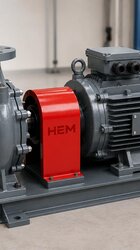
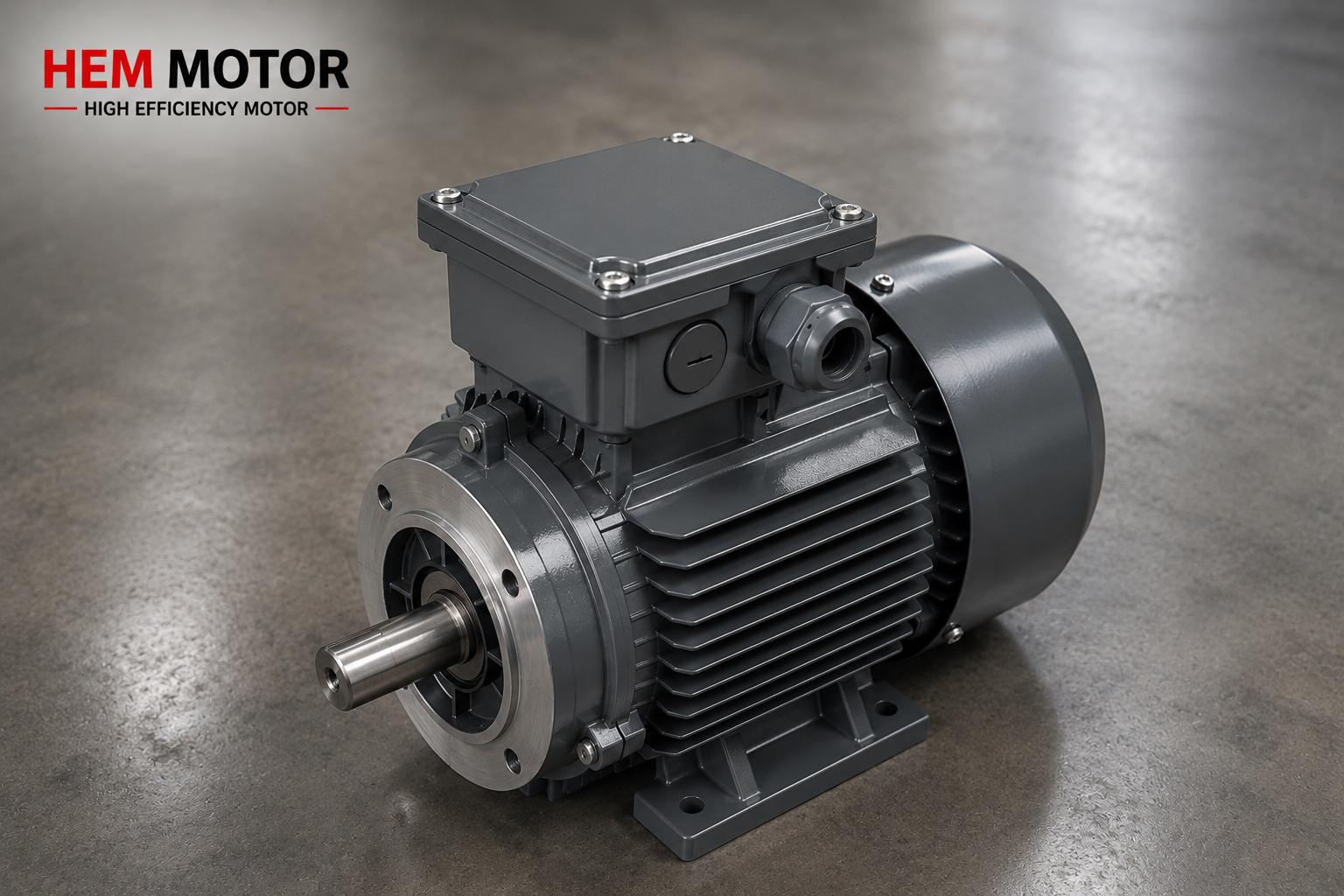

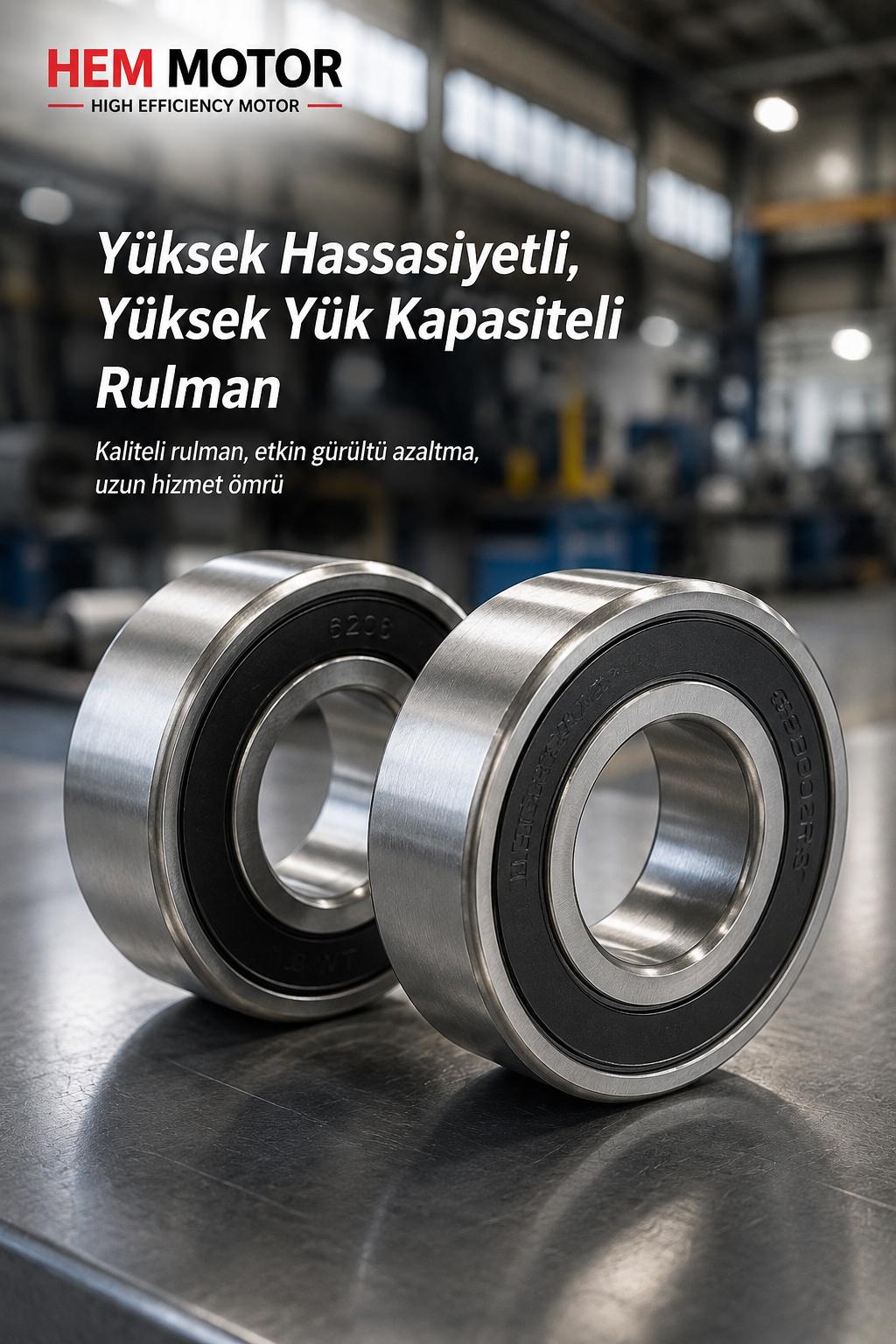
The most critical mechanical component determining the life of an electric motor is the bearing, and the bearing's life depends directly on correct lubrication. The majority of motor failures in the field result from greasing with the wrong grease type, wrong consistency (NLGI class), wrong amount or wrong interval. In many facilities the prevailing mindset is "apply plenty of grease at every maintenance"; yet over-greasing is at least as harmful as a lack of grease. In this guide we examine electric motor bearing greasing on an engineering basis: the correct grease type (lithium, polyurea), the NLGI consistency class, the re-lubrication interval according to speed, frame size and temperature, how to calculate the grease amount (grams), the dangers of grease incompatibility and the harm of over-greasing. Our aim is to help you establish a correct and measured greasing discipline that extends motor life while reducing maintenance cost.
What Is Grease and How Does It Work in a Bearing?
Grease is a semi-solid lubricant made of a base oil, a thickener (soap) and additives. Inside the bearing, the grease forms a thin oil film between the rotating ball or roller and the surface, preventing metal-to-metal contact. The thickener holds the base oil within a sponge-like structure and lets the oil release slowly when needed. For this reason correct grease selection is not just about "lubricating" but about providing the right base oil viscosity, the right consistency and the right additive balance. We covered the topic of bearing life in general in our bearing type and life in asynchronous motors article.
Lithium and Polyurea Grease: Which Where?
The two most common grease families in electric motors are lithium (and lithium complex) and polyurea-based greases. Lithium complex grease is standard in general-purpose motors with its wide temperature range, good water resistance and mechanical stability. Polyurea grease, on the other hand, is preferred especially in high-speed (2-pole) and continuously running motors with its high-temperature endurance and long life; many sealed (lifetime-lubricated) bearings are filled with polyurea grease. The right family is chosen according to the motor's operating temperature and speed. We examined the effect of greasing on efficiency in high-efficiency motors in our maintenance impact on motor efficiency article.
NLGI Consistency Class: NLGI 2 or NLGI 3?
The NLGI (National Lubricating Grease Institute) class indicates the consistency (hardness) of the grease. The two most used classes in electric motors are NLGI 2 and NLGI 3. NLGI 2 is medium consistency and is used in the vast majority of general-purpose motors; it provides good pumpability and balanced oil release. NLGI 3 is harder and is preferred especially in vertically mounted motors, high-speed applications or where the grease tends to escape from the housing; it offers better stay-in-place behaviour. The wrong NLGI choice leads either to the grease flowing out and draining from the housing, or failing to flow enough and not lubricating.
Consistency Selection in Vertical Mounting
In vertically mounted motors with the shaft pointing down (V1), gravity pulls the grease downwards; in this case a harder (NLGI 3) grease and the correct oil seal are required. We covered this in detail in our vertical mounting (V1/V5) article. To read the mounting code correctly, see our IM mounting code reading article.
Re-Lubrication Interval: How Is It Determined?
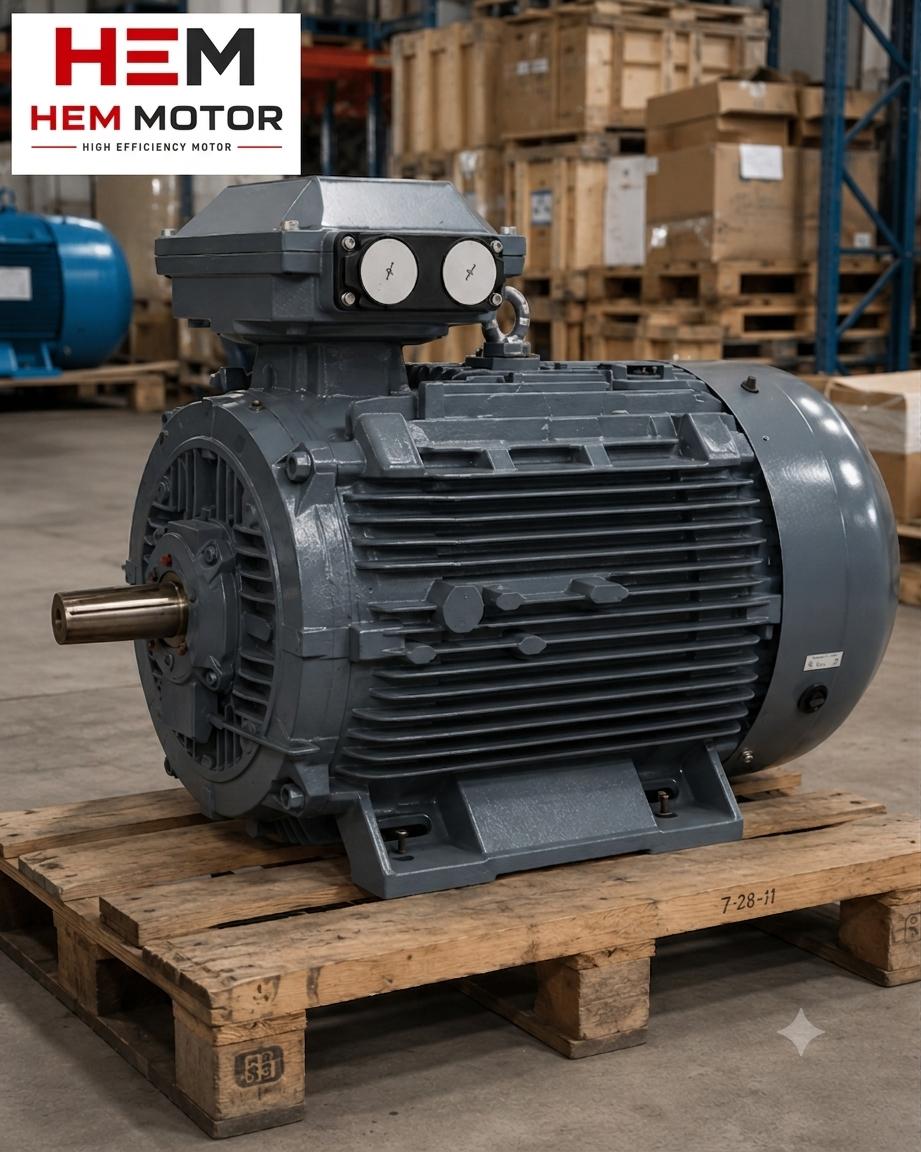
How often you need to re-grease the bearing is not a fixed number; it depends on three main factors: motor speed, bearing diameter (frame size) and operating temperature. The general rule is: the higher the speed and the larger the bearing, the shorter the re-lubrication interval. Temperature is also very influential; roughly every 15°C increase in operating temperature roughly halves the grease life. Therefore motors running in hot environments or at high speed (2-pole) must be greased far more frequently than cool, low-speed motors.
Effect of Speed and Frame Size
For example, while a small-frame (e.g. IEC 100-132) 4-pole motor may be re-greased at intervals of thousands of hours, a large-frame (IEC 280-355) high-speed 2-pole motor requires grease at much shorter intervals. You can find the relationship between frame size and shaft diameter in our cast iron frame sizes (IEC 56-355) article. The effect of pole and speed selection is explained in our 2/4/6 pole selection article. In many motors the re-lubrication interval and grease amount are stated directly on the motor nameplate or lubrication plate; to read this plate see our reading the motor nameplate article.
Grease Amount: How Many Grams Should Be Applied?
The amount of grease to apply at re-lubrication is determined by the bearing size. A practical approach is to calculate the amount in grams using a formula based on the outer diameter and width; the manufacturer provides this value on the lubrication plate for most motors. What matters is not "applying plenty by eye" but applying the calculated amount slowly while the motor is running and the grease drain plug is open. This way the old grease exits through the drain hole and no pressure builds up inside the housing.
The Harm of Over-Greasing
Overfilling a bearing with grease is a common mistake and causes serious damage. Excess grease increases friction and therefore heat between the rotating elements, which raises the winding temperature and strains the motor. In addition, excess grease can be forced past the oil seal under pressure and seep into the winding, damaging the insulation. For this reason a "little but regular" approach is always better than a "lot but rare" one. To monitor winding temperature, our temperature monitoring with PT100 and PTC article is helpful.
Grease Incompatibility: The Danger of Mixing
Mixing greases with different thickeners is one of the most hidden and dangerous mistakes. For example, applying polyurea grease over a lithium-based grease can, if the two greases are chemically incompatible, cause the mixture to soften, lose its consistency and lose its lubricating property. The result is a bearing that appears full but in fact does not lubricate, and a sudden failure. If the grease is to be changed, the bearing should first be cleaned of the old grease, or at least the manufacturer's compatibility table should be checked. This discipline should be part of the general maintenance schedule; our periodic maintenance schedule article helps you build this plan.
Greasing in Heavy-Duty Applications
In motors running in dusty, impact-laden and hot environments, greasing discipline is even more critical. In machines such as crushers and mills the bearing is under both impact and dust; we covered this in our bearing life in crusher and mill motors article. We addressed reducing maintenance cost with greasing in IE3 motors in our bearing greasing in IE3 motors article. For the relationship of the oil seal and sealing with greasing, see our oil seal and sealing article, and for early detection of motor failures, our motor failures: symptoms and causes article. Visit the HEM Motor home page for our full product range.
Frequently Asked Questions
Can I apply polyurea grease over lithium grease?
Usually no. Lithium and polyurea greases have different thickeners and can be incompatible when mixed; in that case the mixture softens, loses its consistency and fails to lubricate. If you are going to change the grease family, first clean the bearing of the old grease or check the manufacturer's compatibility information. The safest option is to use the same type of grease as the motor's factory greasing.
Should I choose NLGI 2 or NLGI 3?
NLGI 2 is suitable for the vast majority of general-purpose horizontally mounted motors and provides balanced oil release. NLGI 3, being harder, is preferred in vertically mounted, high-speed applications or where the grease tends to escape from the housing. The decision should be made according to the motor's mounting position, speed and the manufacturer's recommendation.
How much grease should I apply to a bearing?
The grease amount is calculated according to bearing size and is stated in grams on the lubrication plate of many motors. The correct method is to apply the calculated amount slowly while the motor is running and the grease drain plug is open. Applying plenty of grease by eye increases friction and heat, damaging the bearing and winding; "little but regular" is always safer.
Get a Quote
The right starting point for extending motor life with the correct grease type, NLGI consistency and lubrication interval is a quality motor suited to your need. Share your current motor's nameplate data and your application; together we will determine an IE3/IE4 motor with the appropriate bearing and lubrication features. Reach us now through our contact page or call us at +90 (532) 345 49 86. For an accurate quote you can review our information needed when requesting a quote article.
Greasing Checklist
- Have the motor's grease type (lithium/polyurea) and NLGI class been determined?
- Is the new grease compatible with the existing grease (was the mixing risk checked)?
- Has the re-lubrication interval been calculated according to speed, frame size and temperature?
- Has the grease amount (grams) been determined from the lubrication plate or a formula?
- Was the grease applied while the motor was running and the drain plug open?
- Has the amount been limited against the risk of over-greasing?
- Has a harder (NLGI 3) grease been chosen for vertically mounted motors?
- Has the interval been shortened in a hot/dusty environment?
- Have the oil seal and sealing condition been checked?
- Have greasing records been entered in the periodic maintenance schedule?