English
 Türkçe

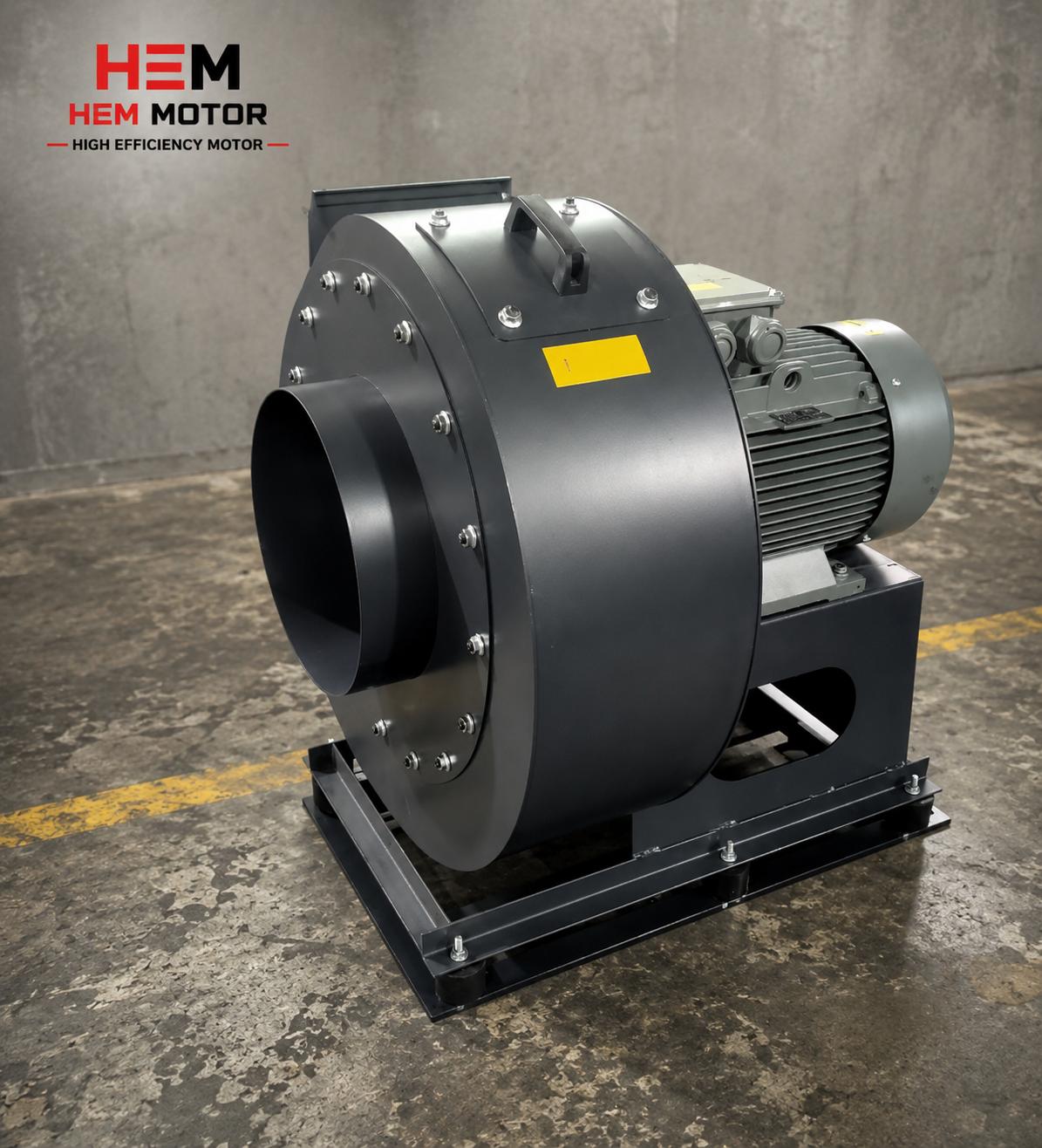

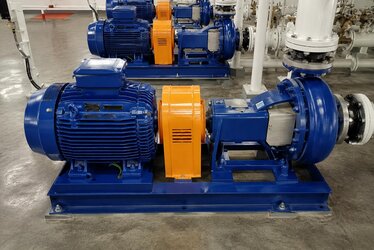
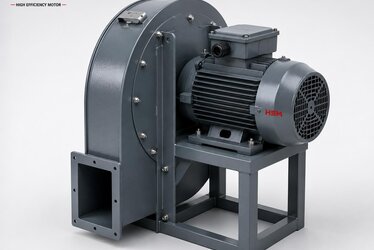
Seawater and saltwater pumping is one of the most demanding branches of electric motor supply. Whether it is a port facility, a fishing harbour, a seawater cooling line, a salt pond or a coastal treatment system, the motor body, shaft, bearings and terminal box face constant salty humidity, the chloride load of coastal air and splashing water. A standard motor in such an environment develops surface rust, fin clogging and terminal oxidation within months, and the result is usually an unexpected stoppage and a costly emergency replacement. This article is written for the facility managers, project engineers and machine builders who make the purchasing decision: it summarises which corrosion class, which IP rating and which body and shaft material you should specify, all within a framework of from-stock delivery and fast quoting.
Why Saltwater Motors Are Supplied Differently
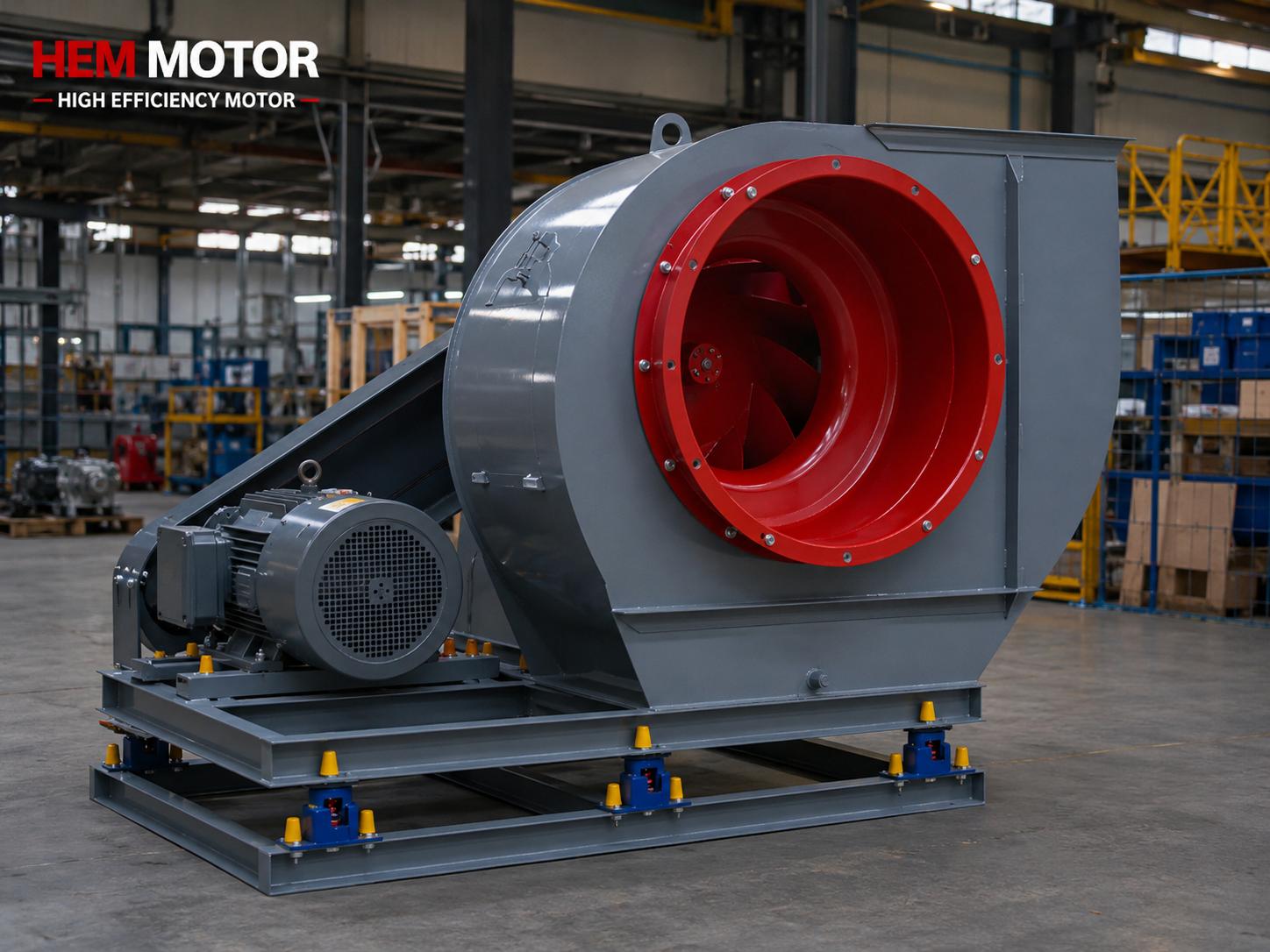
In coastal and marine applications, motor life is determined not by rated power but by material and protection choices. Salty moisture seeps through the smallest pore in the paint film and starts galvanic corrosion under the casting. That is why a seawater pump motor should not be defined only by kW and speed like an ordinary IE3 electric motor, but together with its corrosion category, IP class, shaft material and coating package. A correctly defined motor runs trouble-free for years in a coastal plant, while an under-specified one starts showing surface rust in its first season.
Corrosion Categories: C3, C4 and C5-M
The ISO 12944 corrosion categories classify how aggressive the environment is for the motor. While C3 is enough for inland industry, the coastline, ports and direct seawater contact require a C5-M (marine) paint/coating package. C5-M means a thick-film paint layer, a zinc-rich primer and high resistance in salt-spray testing. Stating the corrosion category clearly when requesting a quote ensures the right product is allocated from stock. Our article on paint and cataphoresis coating on cast iron motors, which examines the effect of coating on corrosion resistance in detail, is a good starting point for this decision.
Body and Shaft Material: Cast Iron, Stainless and Bronze
The most common solution in coastal use is a heavy-duty cast iron body motor protected with C5-M coating and cataphoresis. At critical points immersed directly in seawater or subject to constant splashing, a stainless steel shaft and stainless fasteners are requested. Bronze body/impeller is common on the pump side, while on the motor side the most balanced solution is a cast iron body plus stainless shaft plus a special coating. Our comparison of cast iron versus aluminium body, which weighs the body choice against environmental conditions, also explains why aluminium should be avoided in coastal environments.
IP Protection Class: IP55, IP56 and IP65
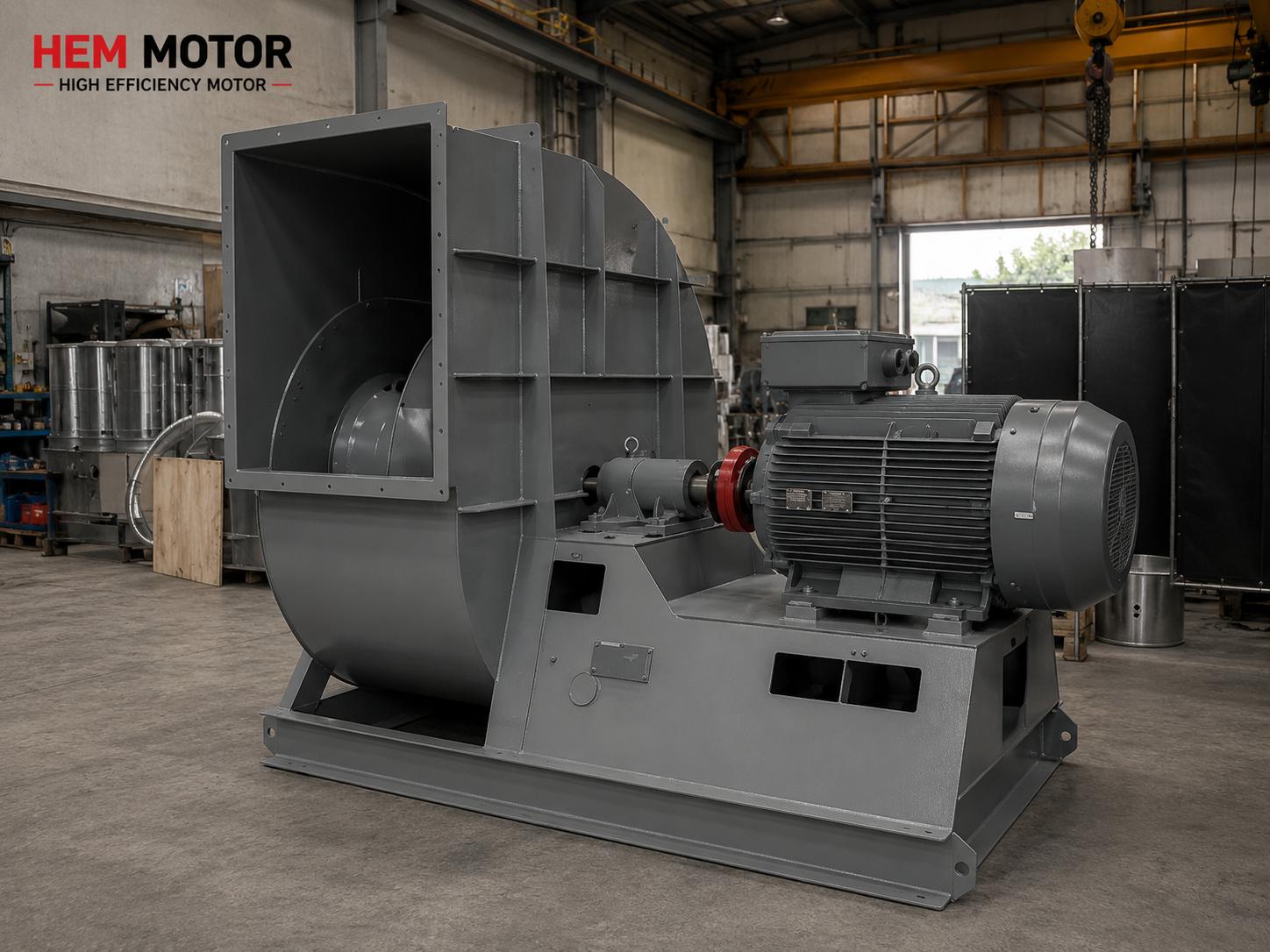
The IP protection class defines how well the motor is sealed against dust and water. IP55 may be enough in a closed pump room, but on an open deck, on a quay exposed to wave splash or in a washed-down fishery facility, IP56 (powerful water jets) or IP65 (dust-tight plus pressurised water) is required. On seawater cooling lines and outdoor pumps, IP56/IP65 has become a practical standard. Our guide on IP protection class selection (IP55, IP65, IP66), which explains step by step how to choose the IP class for the application, is a resource to keep at hand when writing a specification.
Terminal Box, Gland and Sealing
In a salty environment, the most frequent point of failure is the terminal box. A poorly sealing cable gland draws in moisture and gradually degrades the winding insulation. Therefore a seawater pump motor should be specified with an IP65 terminal box, a double-gasket cover, stainless bolts and suitable threaded/metric glands. Our article on the motor terminal box and cable connection, which details how IP protection is achieved at the terminals, focuses on preventing sealing faults in the field.
Drain Plugs and Moisture Management
In motors that stand outdoors or run intermittently, condensation inside the body is inevitable. Drain plugs, anti-condensation heaters and the correct mounting position prevent condensed water from accumulating. On intermittently running coastal pumps these details are critical for bearing and winding life; our article on motor storage and long-term standing, which addresses moisture and bearing management, is complementary here.
Supply by Application: Port, Fishery and Seawater Cooling
Each type of coastal facility brings a different load profile. To quote the right motor on the first attempt, the way the application operates must be known.
Seawater Cooling Lines
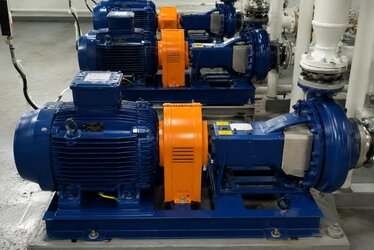
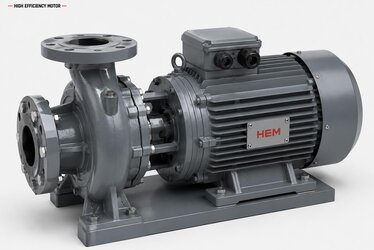
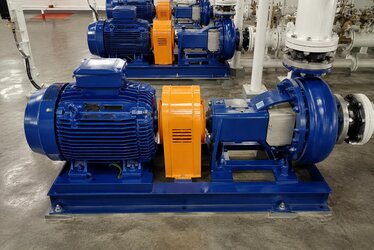
In industrial plants, ship auxiliary systems and power stations, seawater is used as a cooling medium. The centrifugal pumps on these lines usually run continuously (S1) and are supplied at 1500 or 3000 rpm with IP56/IP65 and C5-M protection. Our article on centrifugal pump motor selection, which addresses flow-head-power matching, guides the correct kW determination.
Fishery and Aquaculture Facilities
In fish farms, chilling pools and processing plants, the motor works with constant water splash, wash water and high humidity. Here IP65 and a stainless shaft are almost mandatory. It is useful to evaluate this hygiene-and-washdown selection logic together with our article on food factory electric motors.
Ports, Quays and Coastal Structures
Quay cranes, coastal drainage pumps and port service systems operate outdoors, exposed to salt spray. At these points our standard is corrosion category C5-M, protection IP56/IP65 and, where possible, a cataphoresis primer. Our article on cast iron motors in marine and coastal facilities is a direct reference for this application. For a broader picture you can also draw on all our pump, fan and blower motor content.
Insulation Class, Duty Type and Bearing Selection
In a salty environment, another issue as important as corrosion is the thermal and mechanical endurance of the motor. Seawater cooling and coastal pumps mostly run in continuous (S1) duty; this means the motor is loaded near its rated load for long hours. In this case F-class insulation is the minimum standard; in hot and high-humidity coastal regions, H-class insulation provides an extra safety margin for the winding. Our article on winding and insulation class (F/H) in IE3 motors, which details the effect of insulation class on life and endurance for all power classes, is a guide for determining the right class.
On the bearing side, quality bearings and the correct greasing interval are critical in motors running under salty moisture and continuous load. When dust and moisture arrive together in the open field, oil seal and sealing solutions directly determine bearing life. Our article on oil seal and sealing on cast iron motors, which addresses sealing options in dusty and oily environments, and our article on electric motor duty type (S1-S6) selection, which explains how to determine the duty type correctly, help you choose according to the real operating profile of the motor in a coastal application. In intermittently running drainage pumps, the motor cooling and reheating at every stop increases the risk of condensation in the winding; that is why anti-condensation heaters and correct drain positioning stand out in these applications.
Replacing an Existing Motor with a Corrosion-Resistant Model
The most common scenario at coastal facilities is that a standard motor corrodes early and is replaced with a model with the correct protection package. The key to making this change smoothly is to plan the exact mechanical match and the protection upgrade together. While the existing motor frame size, shaft diameter, mounting type and speed are kept, the corrosion category can be upgraded from C4 to C5-M and the IP class from IP55 to IP56/IP65. This way motor life is noticeably extended without any mechanical change on the pump side. You can find what to watch for when replacing an old-brand motor with an equivalent in our article on replacing an old-brand motor directly, and the logic of upgrading the IP protection class in the IP selection guide mentioned above. Our article on corrosion protection and open-field use on cast iron body motors also completes this decision.
From-Stock Delivery and the Right Quote
For seawater pump motors, the critical question is usually not price but lead time; a stalled coastal pump affects both production and safety. So three things are decisive in supply: stock availability, correct definition of the corrosion/IP package, and an exact mechanical match. If you are replacing an existing motor, requesting a quote with the nameplate data (kW, speed, frame, mounting, shaft diameter) and your desired IP/corrosion package prevents the wrong motor from arriving. To review pump and fan power calculation see our article on motor power calculation: pump, fan and conveyor, and for the full product range you can reach all categories via the HEM Motor home page. For facilities targeting high efficiency, high-efficiency electric motors and IE4 electric motors can also be supplied with protection packages suited to coastal applications.
Frequently Asked Questions
Which IP class is sufficient for a seawater pump motor?
In a closed pump room IP55 is usually enough; however, in open areas, on a quay exposed to wave/water splash, or in a washed-down fishery facility, IP56 or IP65 is recommended. Where pressurised washing and dust accumulation occur together, IP65 is the practical standard. Clarifying the right choice according to the location and washing regime is the first thing to do at the quotation stage.
Is C5-M coating mandatory in every coastal application?
In open-field applications close to seawater and constantly exposed to salt spray, C5-M is a strong choice and noticeably extends motor life. In enclosed, well-ventilated locations relatively far from the shore, C4 may be sufficient. When in doubt, choosing the higher class is a low-cost insurance against early corrosion; for the final decision it is best to request a quote by sharing your environmental conditions.
How do I order a saltwater motor for my existing pump?
It is enough to provide the power (kW), speed (rpm), frame size (IEC frame), mounting type (B3/B5/B35) and shaft diameter from the existing motor nameplate, together with the IP class and corrosion category you require. With this information both an exact mechanical match is achieved and a motor with the correct protection package is allocated from stock. Matching correctly from the nameplate is the safest way to avoid the wrong product and delays.
Get a Quote
We supply corrosion-resistant pump motors with the correct IP protection for your seawater, saltwater and coastal facilities, from stock and with fast delivery. Share your application and nameplate data and let us offer a price with the most suitable corrosion/IP package. Reach us now via our contact page or request a quote on +90 (532) 345 49 86.