English
 Türkçe

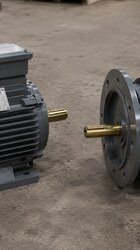

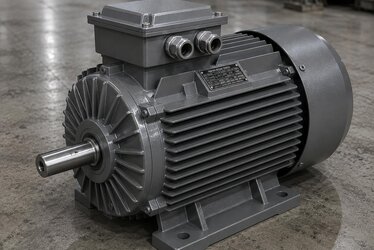
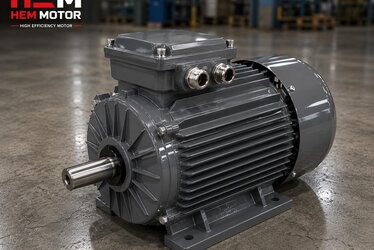
When you place two same-power electric motors side by side, for example two 7.5 kW units, the nameplates often look almost identical: same kW, same 1500 rpm speed, same IEC frame size. Yet their prices can differ significantly. Many buyers assume this is just a "brand premium," but behind the price gap lie measurable engineering items. In this guide, without quoting any fixed figure, we explain item by item why same-kW motors are priced differently: efficiency class, frame material, winding metal, origin and manufacturing quality, warranty period, certification, bearing and insulation quality, and accessory equipment. The goal is to help you decide on the right price-to-value balance rather than simply cheap versus expensive.
Why Same kW Does Not Mean Same Price
Rated power (kW) describes the mechanical power a motor can continuously deliver at its shaft. But this power can be achieved with very different materials and build quality. Both motors may deliver 7.5 kW, yet one does so at 88% efficiency and the other at 91.7% (the IE3 threshold). That difference reflects the amount of copper inside, the steel quality, the air-gap tolerance and the workmanship. So "same kW" only tells you the output power is equal; it says nothing about how the motor is built, how long it will last, or its operating cost. The real price drivers are not the kW on the label but the design choices beneath it.
Let us make this concrete: of two same-kW motors, one may draw 8.5 kW from the grid while delivering 7.5 kW at the shaft, while the other draws 8.2 kW thanks to better efficiency. The difference is hidden not at the shaft output but in the electricity turned into heat as loss. This loss is added to the energy bill every hour, every shift. The monetary value of the energy a motor consumes over its life far exceeds its purchase price; so the seemingly cheap motor actually inflates the most expensive item, energy. The motor that delivers the same kW with fewer losses comes out ahead in total cost, even if it looks more expensive at first. The right decision is to look not only at the kW line of the nameplate but at the efficiency, insulation, protection and frame lines together.
Efficiency Class (IE2 / IE3 / IE4): The Biggest Driver
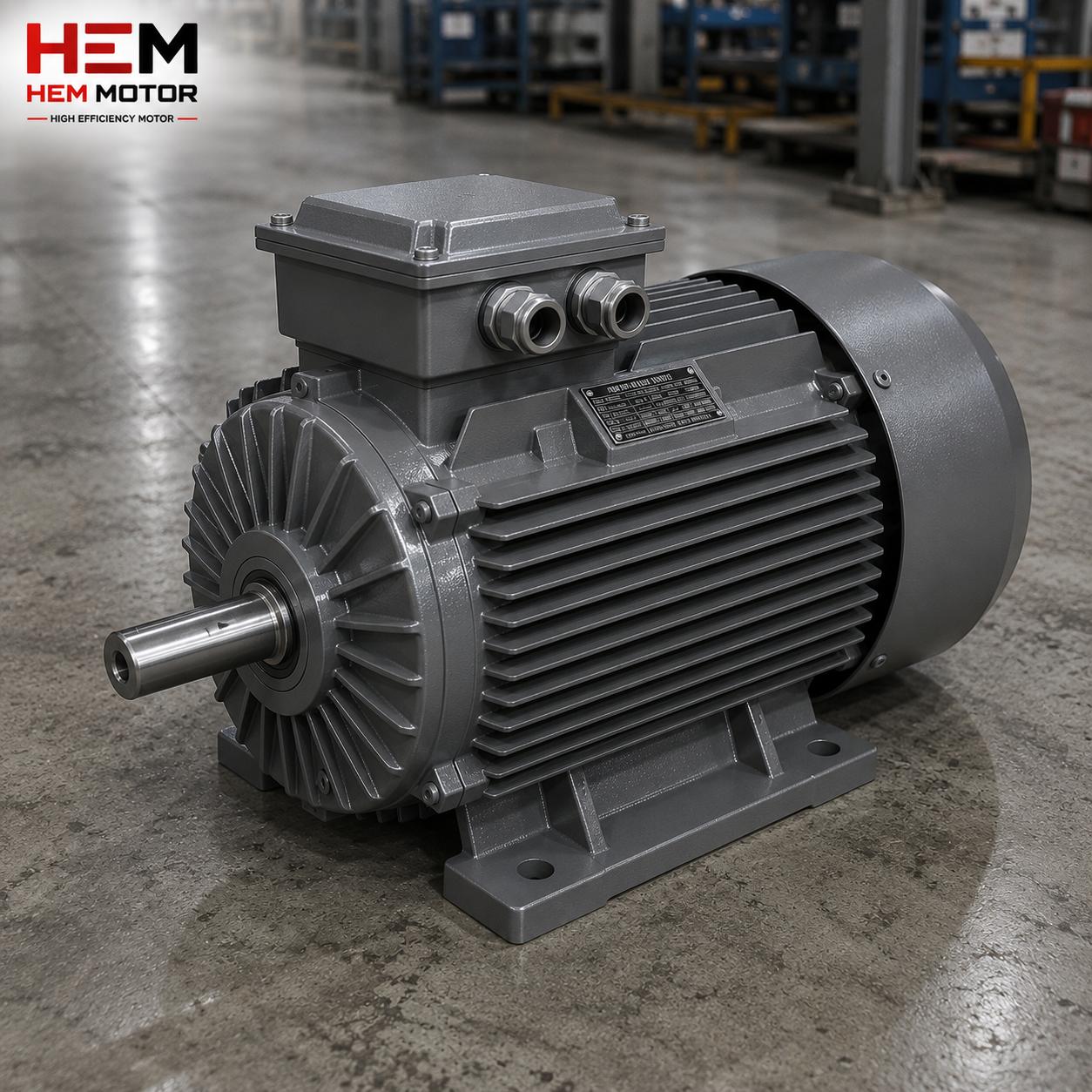
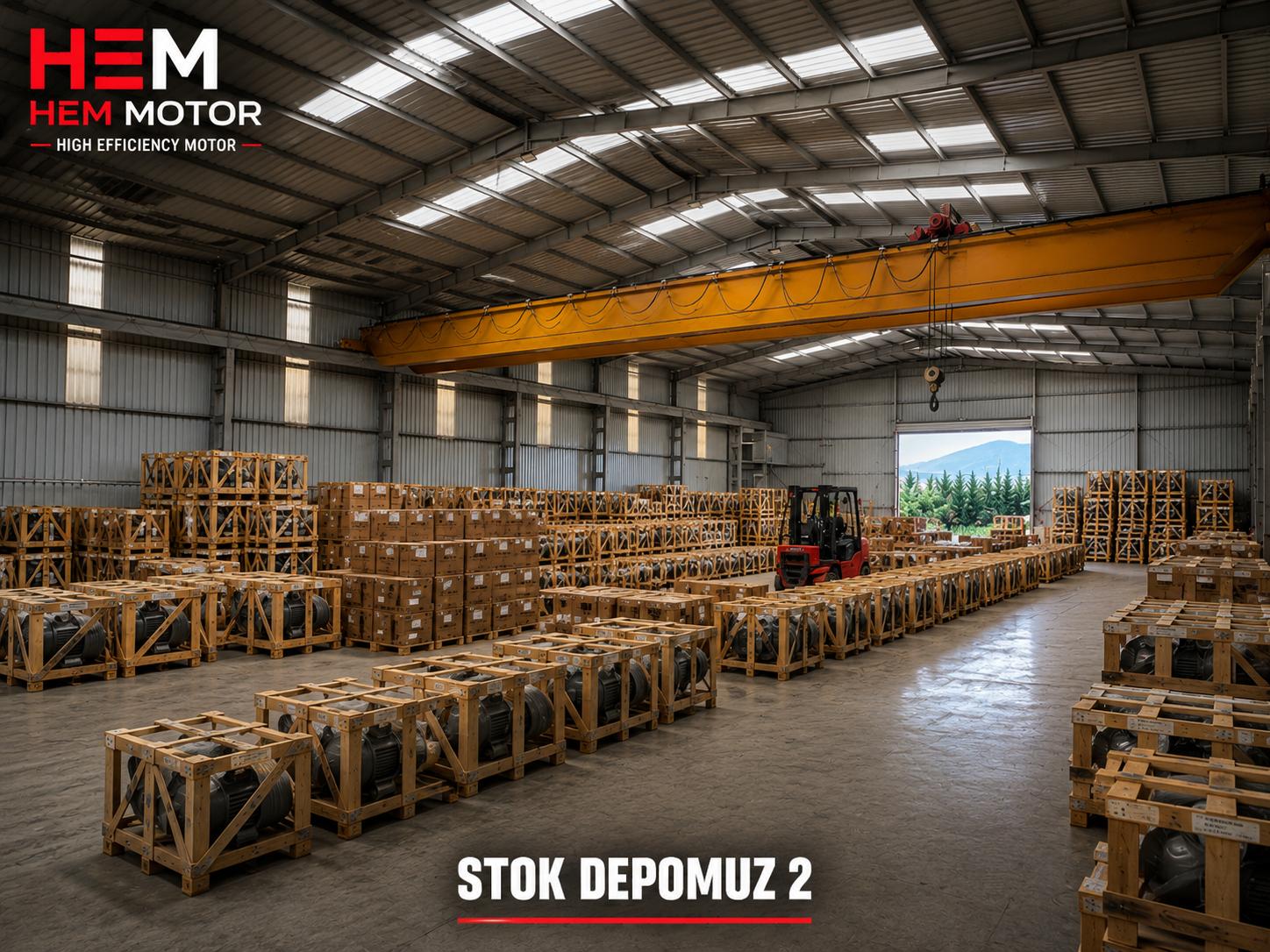
Efficiency class is the most concrete reason for price differences. IE2, IE3 and IE4 define different loss levels for the same kW; a higher class means fewer losses and more material. To raise a motor from IE2 to IE3, or IE3 to IE4, the manufacturer winds more copper, uses higher-grade thinner silicon steel, narrows the air gap and improves cooling. All of this increases material and labor cost, which is why an IE4 motor costs more than a same-kW IE2 motor.
Efficiency Class Is Also a Legal Matter
Under Turkish and EU regulations, efficiency class is not just a preference but a requirement at most power levels. Since 1 July 2021, three-phase direct-on-line (DOL) motors in the 0.75-1000 kW range must be at least IE3; since 1 July 2023, the 75-200 kW range at certain pole counts requires IE4. So very cheap, old IE2 stock motors are no longer suitable for most applications. To study the impact of efficiency class on price and regulation, see our articles on IE3 and IE4 efficiency mandates and IE3 vs IE2 and old stock. To compare lifetime cost instead of upfront price, our total cost of ownership (TCO) of high-efficiency motors guide helps.
Frame Material: Aluminum or Cast Iron?
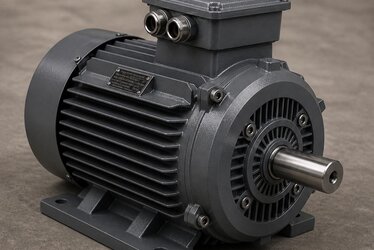
The frame of a same-kW motor can be made from aluminum alloy or from gray cast iron, and this choice directly affects price. An aluminum frame is light, easy to handle, and common in small powers and gearbox applications. A cast-iron frame is heavier, mechanically stronger, and more resistant to vibration and impact; it is preferred for dusty, humid, outdoor and heavy-duty conditions. Cast iron is more costly in both raw material and machining, so a cast-iron framed motor is priced higher than an equivalent aluminum one. Yet in the right environment this difference is not a cost but an investment: a cast-iron frame pays for itself by preventing early failure in crushing-screening, cement, mining and outdoor applications where impact and vibration are intense.
Frame material affects price not only through strength but also through heat management. Cast iron helps keep the motor cool by spreading heat over a larger mass and dissipating it through external fins; this extends insulation life. Although aluminum conducts heat well, its mechanical strength is lower. Frame size (IEC frame) to power matching also sets the price: producing the same kW in one frame size larger means more material but delivers lower temperature and longer life. We covered frame-size-to-power matching in our cast iron frame size and power matching article. We compared which is right for which environment in cast iron vs aluminum frame selection. You can also review our cast-iron body motor options.
Copper Winding or Aluminum Winding?
One of the most hidden cost items is the winding metal. In quality motors the stator winding is 100% copper. Some low-cost motors use partly or fully aluminum windings instead. Aluminum is cheaper than copper but less conductive; to deliver the same performance it needs more cross-section, runs hotter, and shortens life. Even if the nameplate shows the same kW, an aluminum-wound motor is usually lower in efficiency and shorter in life. So part of the price gap between two motors comes directly from copper usage. For a detailed comparison, see our copper versus aluminum winding article. All motors in our range are 100% copper-wound.
Bearing and Insulation Quality
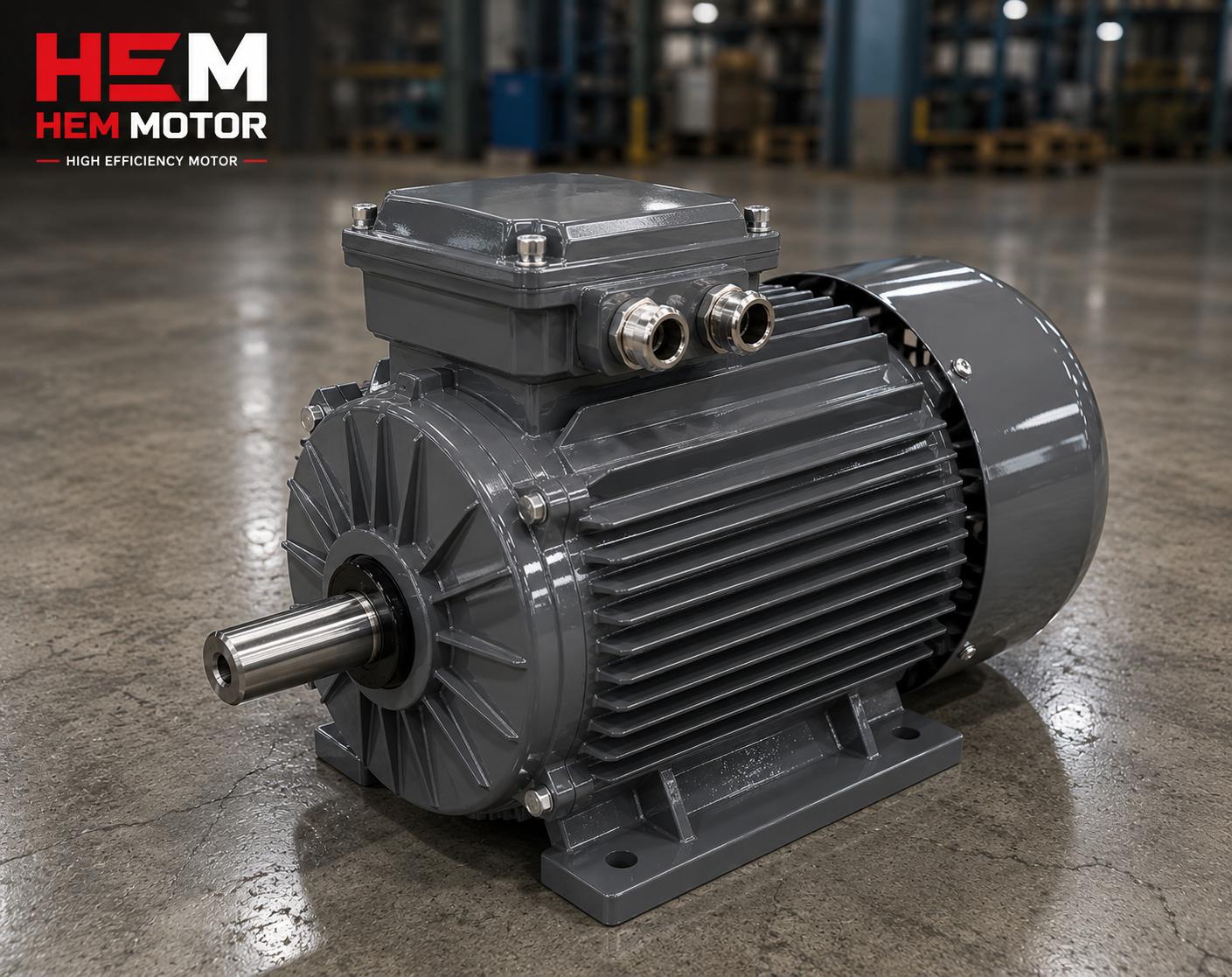
Two critical components define a motor's life and both directly affect price: bearings and insulation. Quality motors use reputable-brand bearings with correct preload and proper greasing; cheap motors use low-grade bearings that cause early wear and vibration. On the insulation side, Class F insulation with Class B temperature rise is a mark of a quality motor; it lets the motor run with a safe margin even at high ambient temperatures. We covered the effect of insulation class on life in winding and insulation class (F/H), and bearing quality in cast-iron bearing and seat life. To understand why motors fail early and how to read quality at purchase, our motor lifespan and early failure causes article is useful.
Origin and Manufacturing Quality
Where and how a motor is made sets its price. Design discipline, automated production, quality control processes, lamination cutting precision, winding-machine quality and balancing operations all vary by origin. A production line with strict quality control and testing of every motor is more costly but delivers more consistent product. In low-cost production you may see imbalance, frame tolerance deviations and efficiency scatter. So origin is not just a label but a measurable quality and price difference. We explain the delivery, warranty and service difference between imported and domestic stock in imported motor vs domestic from stock.
Warranty Period and After-Sales Support
Warranty is a cost item included in price but overlooked by most buyers. A longer warranty shows the manufacturer's confidence and is reflected in price, because the failure risk during that period sits with the seller. A cheap motor's short warranty can shift the entire cost to you on the first failure. We explained what warranty covers and under what conditions it applies in what electric motor warranty covers, and the importance of a service network in warranty and service network: 7 questions.
Certification and Accessory Equipment
Certifications such as the CE mark, IEC 60034 compliance, an efficiency test report (IEC 60034-2-1) and ATEX show documented quality and add cost. Uncertified cheap motors may have nameplate efficiency that cannot be verified in the field. We explained how efficiency is documented in efficiency measurement test IEC 60034-2-1. Accessories such as PTC/PT100 thermal protection, an external forced-cooling fan, special paint and higher IP protection (IP65/IP66) also raise the price. Our IP protection class selection and PT100 and PTC temperature monitoring articles explain when these are needed.
Reading Price Correctly: Proforma and Quote
Comparing two quotes only by total amount is misleading. If efficiency class, frame material, winding, warranty and accessories differ, the two prices actually represent two different products. We covered reading a quote item by item in proforma and quote reading, and the general factors affecting price in factors affecting electric motor prices. For the information needed to get a correct, fast quote, see 8 details to provide when requesting a quote.
Steel Quality and Magnetic Losses: The Invisible Cost Item
The stacked steel laminations forming a motor's stator and rotor are a critical item that directly affects price but does not appear on the nameplate. Quality motors use thin, low-loss silicon electrical steel; this steel produces less hysteresis and eddy-current loss under a magnetic field. Thicker, lower-grade steel increases iron loss, heats the motor and lowers efficiency. To produce the same kW with low-grade steel, the manufacturer must draw more current; this stresses the winding and shortens life. Part of raising the efficiency class to IE3 or IE4 comes directly from this steel quality. Part of the price gap between two motors is explained by the thinness and silicon content of the steel inside. We covered where iron, copper and friction losses are reduced in our efficiency losses in IE4 motors article.
Nameplate vs Field Efficiency: A Documented Difference
Two motors may show the same efficiency value on the nameplate; but that value only matters if it can be verified in the field. Quality manufacturers test and document every motor or sample batch per the IEC 60034-2-1 method. In cheap motors the nameplate value is often a design target, not a measured value; real field efficiency may come out lower. In a continuously running motor this difference creates a serious energy gap over the years. So documented efficiency is an item reflected in price but one that pays for itself over the long term. You can examine the difference between nameplate and real field efficiency in our nameplate vs field efficiency article. For the right efficiency-class choice, our IE3 vs IE4 investment content guides you.
Service Factor and Overload Capacity
The service factor (SF) shows how much margin above rated power a motor can run at. Motors with a high SF stay safer under short-term overloads and last longer; this requires more copper, better cooling and higher-grade insulation. Low-cost motors are designed with a narrow margin; even a small overload can cause heating and early failure. So service factor and overload capacity are a safety margin reflected in price. We explained this topic in our service factor and overload capacity article, and the effect of temperature-rise class on life in our temperature rise class content.
Balancing, Vibration and Production Consistency
Another item creating the price gap between two same-kW motors is the rotor's balancing quality and production consistency. A well-balanced rotor turns with low vibration; this both extends bearing life and protects the connected machine. Unbalanced production means vibration, noise and early bearing failure. In quality production every motor passes through a balancing bench and its vibration value is verified against standards; this labor cost is reflected in price. We covered vibration acceptance values in our vibration and balance ISO 10816 acceptance values article, and noise sources in our noise sources content.
Frequently Asked Questions
Why are two same-kW motors priced differently?
Because the kW on the label only shows output power. Efficiency class (IE2/IE3/IE4), frame material (aluminum/cast iron), winding metal (copper/aluminum), bearing and insulation quality, origin, warranty period and certification all differ. These items change material and labor cost, so the same kW is priced differently.
Is a cheap motor really expensive in the long run?
In most cases, yes. A low-efficiency motor raises the energy bill, aluminum winding and weak bearings shorten life, and a short warranty puts failure cost on you. In continuous applications, energy and downtime cost soon exceed the initial price gap. You should evaluate total cost of ownership when deciding.
How do I read quality from the nameplate?
Look at efficiency class (IE3/IE4), insulation class (F), temperature rise (B), IP protection (IP55 and above) and the efficiency value. Also 100% copper winding, cast-iron frame, reputable-brand bearings and valid certificates indicate quality. If a documented efficiency test report exists, the nameplate value is reliable.
Get a Quote
We evaluate the required kW, speed, efficiency class and frame material together and offer a quote at the right price-to-value balance. Reach us via our contact page or at +90 (532) 345 49 86; we clearly explain the difference between same-kW motors and recommend the most suitable solution. Visit our home page for our full product range.
Pre-Purchase Checklist
- Have you verified the efficiency class (IE2/IE3/IE4) and the legal requirement for your application?
- Is the frame material (aluminum/cast iron) suitable for the ambient conditions?
- Have you confirmed the winding is 100% copper?
- Are the bearing brand, insulation class (F) and temperature rise (B) stated?
- Is the warranty period and scope clear, and is the service network reachable?
- Are CE, IEC 60034 and, if needed, an efficiency test report available?
- Are the required accessories (IP65/66, PTC/PT100, special paint) included in the quote?
- Have you compared the two quotes item by item on the same specifications?