English
 Türkçe

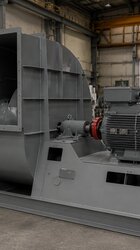
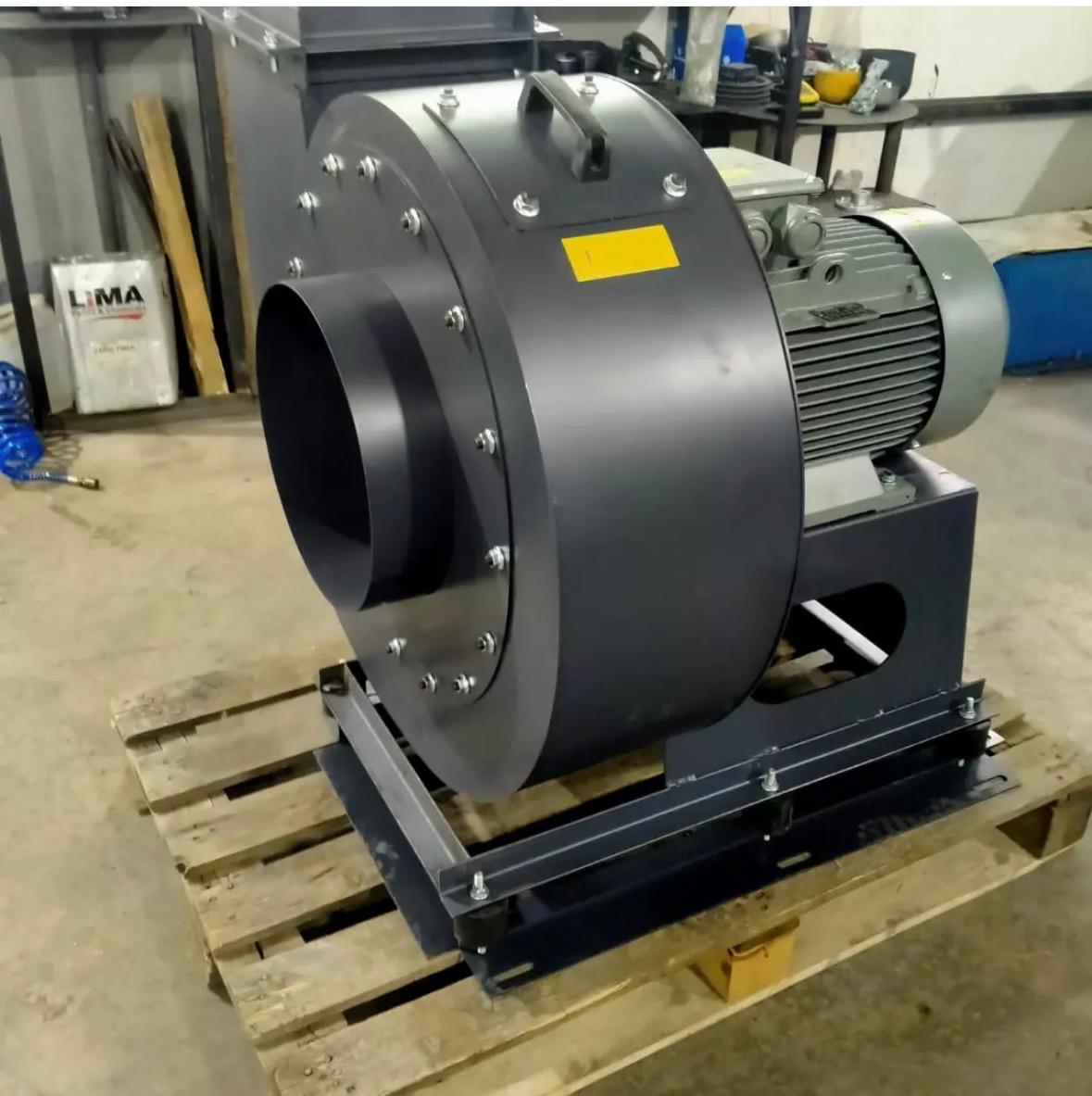

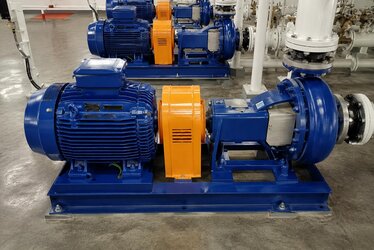
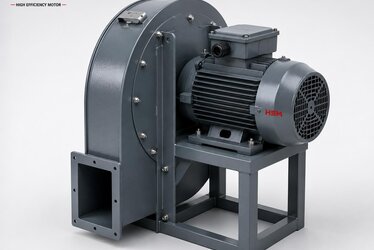
Geothermal and heat pump plants combine two specific challenges from the electric motor's point of view: transporting fluid at high temperature, and the constant presence of high-mineral, often corrosive water around the pump. In these plants, hot-fluid transfer pumps and cooling- or air-side fans run uninterrupted (S1) for most of the year; therefore both the thermal endurance and the corrosion protection of the motor are far more critical than in a standard water pump application. A wrongly selected motor can overheat at high ambient temperature and shorten the winding life; in a mineral-rich, humid environment its frame and shaft can corrode in a short time. In this guide we examine pump and fan motors in geothermal and heat pump plants under the headings of hot-fluid transfer, mineral-water corrosion, cavitation risk, insulation class for high temperature and continuous duty type, explaining what to watch for in correct supply.
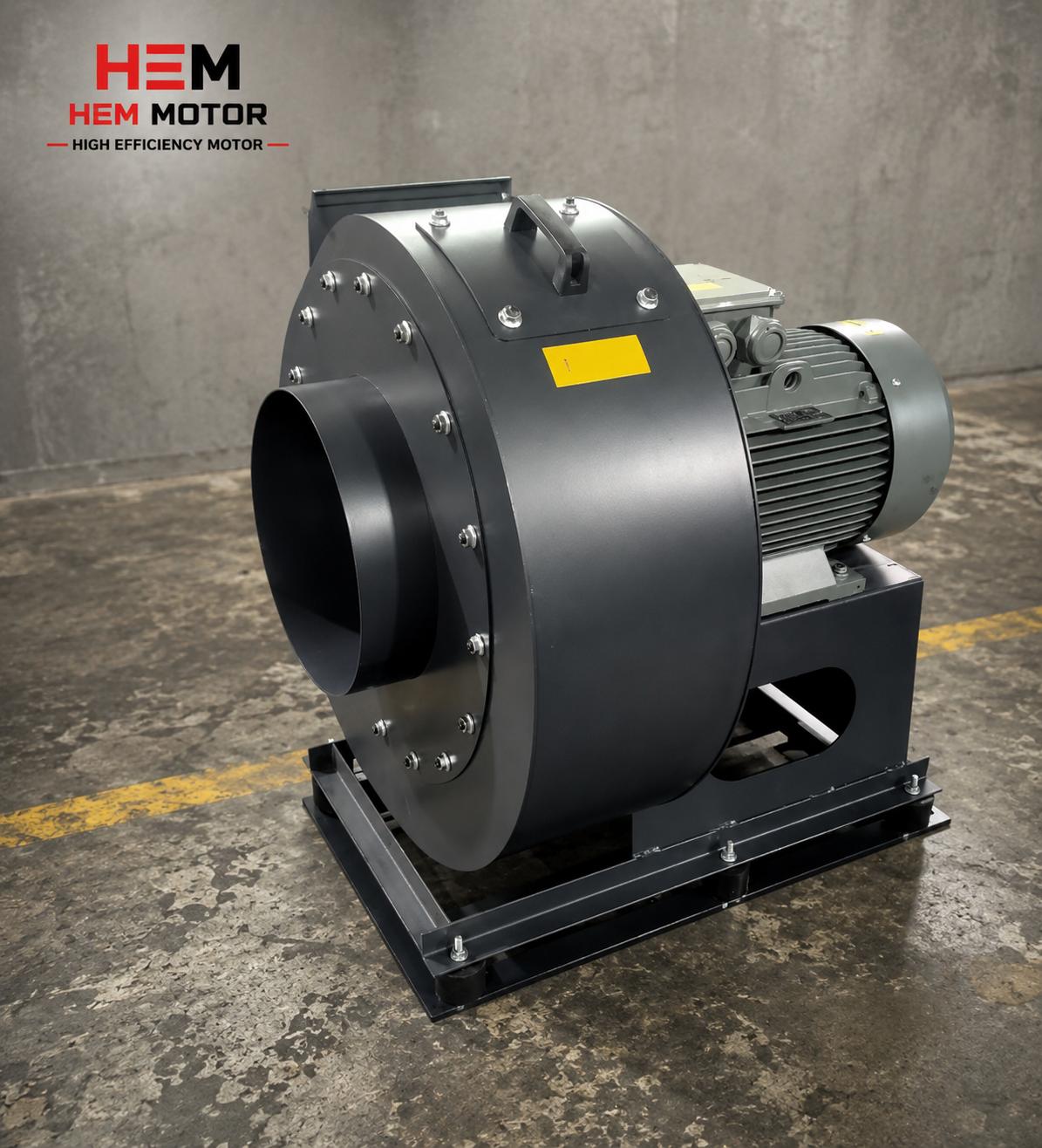
Hot-Fluid Transfer Pump Motors
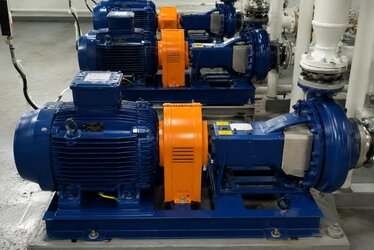
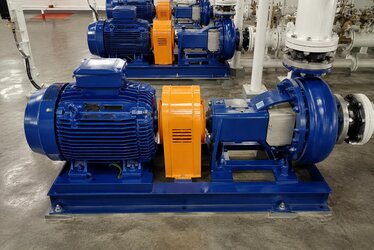
At the heart of a geothermal plant are the transfer pumps that move the hot fluid from the well or heat source to the heat exchangers and distribution line. The motors of these pumps face an additional heat load from the temperature of the conveyed fluid together with a continuous operating regime. Although the fluid temperature is not transmitted directly to the motor, the heat coming through the pump body and shaft warms the motor's front bearing and bearings; therefore high-temperature bearing grease and an insulation class with high temperature endurance become important. Because geothermal line fluid temperature is often in the 60-90 degree band, and even higher in some plants, the ambient temperature around the motor can exceed the 40 degree reference stated in the catalogue; in that case selecting the motor with its rated power somewhat reduced (derating) keeps the winding within safe temperature limits. Because the transfer pump motor usually runs all day, even all year, keeping the cooling fan and frame fins clean is critical for efficient heat removal; a dust-laden or scaled frame causes the motor to overheat and shortens its life.
Power and Speed Selection
In hot-fluid transfer pumps, power is determined by the flow and head to be conveyed. On high-pressure lines, 2-pole (3000 rpm) motors are preferred; for more balanced and quieter applications, 4-pole (1500 rpm) motors are used. Sizing the power for the highest demand point and leaving a reasonable margin on top ensures the pump does not go into overload even when system resistance increases. You can find in detail how a pump motor is sized by flow and head in centrifugal pump motor selection: flow, head and power matching. For pump motors on the building heating and circulation line, boiler room and circulation pump motors is a complementary resource.
Cavitation and Bearing Load
In hot fluids, the risk of cavitation is more pronounced than in cold water, because as temperature rises the vapour pressure of the fluid increases and cavitation becomes easier at the pump suction. Although cavitation does not directly damage the motor, the resulting vibration and irregular load harm the motor's bearings and shaft. Therefore it is important to design the suction side of the system correctly and to select a motor with vibration-resistant, quality bearings. You can review how the wet/dry rotor choice is made in in-line and circulation pumps in in-line and circulation pump motor selection.
Heat Pump and Air-Side Fan Motors
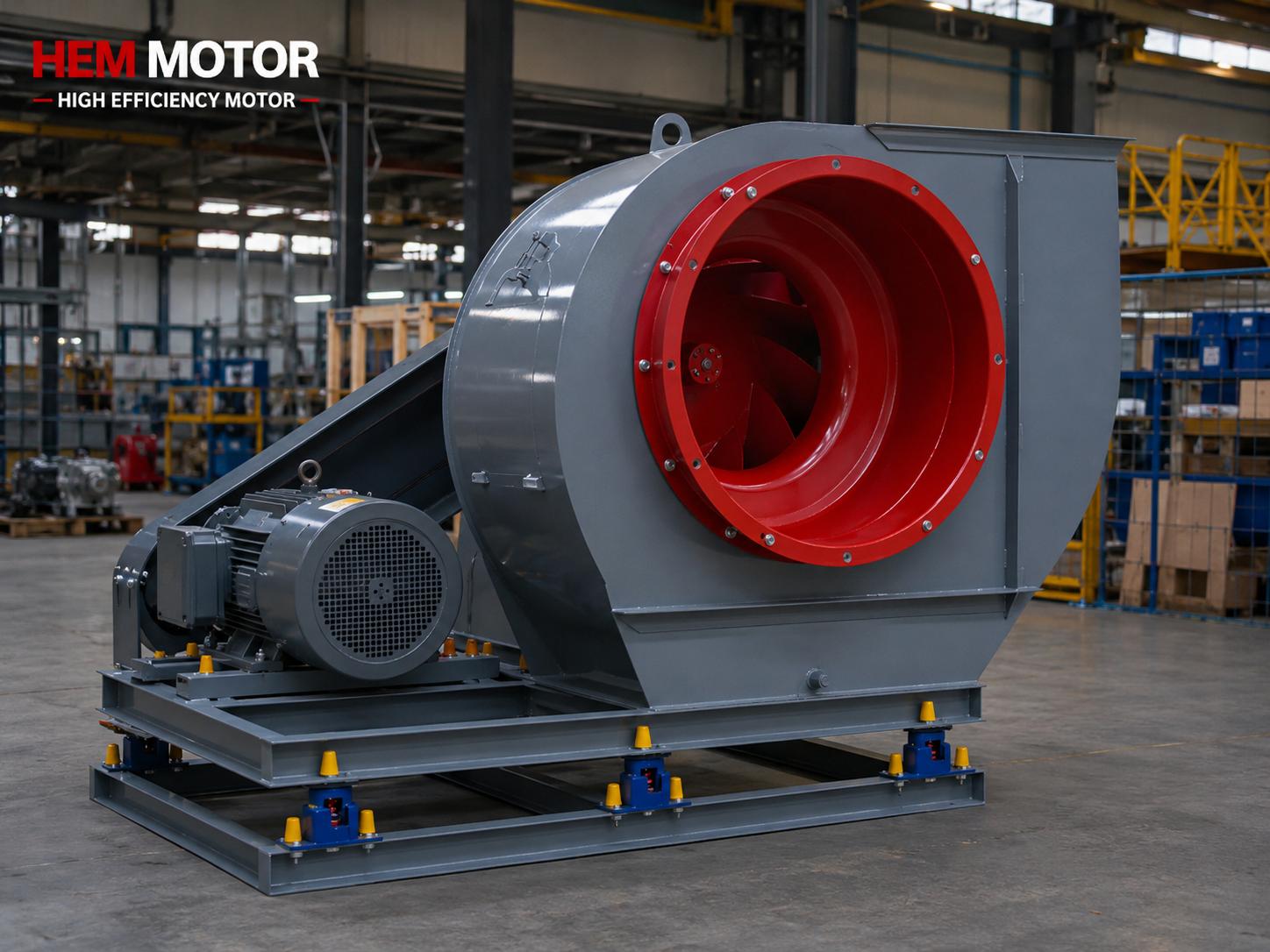
In heat pump plants, the fans on the outdoor unit and heat exchanger side move air continuously to provide heat transfer. Because these fan motors mostly run outdoors or in a humid compartment, both the IP protection class and corrosion protection come to the fore. Fans are typically selected as 4- or 6-pole; lower speed gives quieter, more balanced operation. Because outdoor-unit fans run continuously in the open air, they are exposed to rain, snow, humidity and temperature swings; therefore correct selection of frame sealing and bearing protection determines whether the motor runs safely through the seasons. Because air-side flow varies with process demand, controlling the fan motor with a variable-frequency drive both saves energy and allows quiet operation during low-demand periods; for the advantage of drive operation and the points to watch, you can review variable-frequency drive (VFD) with asynchronous motor. You can find the outdoor and IP protection choice for cooling tower and chiller fans in cooling tower and chiller fan motors, and power selection by fan type in centrifugal and axial fan motor selection.
Mineral Water and Corrosion: Frame, Coating and Protection
Geothermal fluid is extremely abrasive to the pump and surrounding equipment because of its high mineral and salt load. Leakage, condensation and a humid environment cause corrosion on the motor frame and shaft surface. For this reason a cast-iron frame, cataphoresis coating and additional corrosion protection make an important difference in geothermal pump motors. As in seawater and saltwater applications, stainless fasteners and a sealed terminal box directly extend motor life around mineral-rich geothermal water as well.
IP Protection and Sealing
A minimum of IP55 protection is essential in these plants; IP65 or IP66 should be preferred where humidity and splashing are heavy. The sealing of the terminal box, suitable cable glands and the choice of shaft seal determine the field performance of the protection class. For a corrosion-resistant supply and IP protection strategy, seawater and saltwater pump motors is a resource that can be adapted directly for mineral-rich environments. To determine the correct IP class, you can use IP protection class selection (IP55, IP65, IP66).
Insulation Class for High Temperature and Continuous Duty Type
In geothermal and heat pump plants, the two points where the motor is most stressed are high temperature and uninterrupted operation. Because ambient and fluid temperatures are high in hot-fluid transfer pumps, F-class insulation is the minimum expectation; under very high temperature conditions, H-class insulation or a derating calculation may be required. In these plants, motors typically run in continuous (S1) duty type, which requires the motor to maintain its thermal balance under full load for a long time. You can find the effect of insulation class on life in hot, dusty conditions in motor insulation class in hot and dusty environments, and correct definition of duty type in duty type (S1-S6) selection.
Efficiency Class and Savings in Continuous Operation
In pump and fan motors that run for most of the year, efficiency class directly affects energy cost. When a transfer pump or air-side fan runs thousands of hours a year, the efficiency difference between IE4 and IE3 turns into a meaningful amount by year-end, and the extra cost of the higher-efficiency motor is paid back in a short time. Therefore it is sensible to choose high-efficiency motors for continuously running geothermal and heat pump drives. You can review the IE4 electric motors and IE3 electric motors categories in our product range, and use the high-efficiency electric motors page for the right frame and speed combination across a wide power range. For the savings achieved in pumps and fans under drive operation, high-efficiency motor plus variable-frequency drive energy savings in pumps and fans is a practical resource.
Power, Speed and Frame Size: Correct Matching with the System
In geothermal and heat pump plants, correct matching of the motor with the system is achieved by carefully determining the trio of power (kW), speed (pole count) and frame size. In transfer pumps, where the operating point falls on the pump curve matters; the motor must be selected so it does not go into overload even at the point where the pump draws the most power. Oversizing the power raises the initial investment and energy consumption in a continuously running plant, while undersizing causes constant strain on the motor and early failure. On the speed side, 2-pole motors are preferred on lines requiring high pressure, and 4- or 6-pole motors for more balanced, long-life applications. Correct determination of the frame size (IEC 56 to 355) is critical both for the pump and fan connection to seat mechanically and for finding a one-to-one replacement motor in the future; when a motor with a different frame or shaft diameter arrives at the same power, coupling and flange mismatch causes time loss in the field. You can review frame size and power matching in cast-iron motors in frame size and power matching in cast-iron motors.
Supply and Mounting: Correct Connection and Redundancy
When planning motor supply for geothermal and heat pump plants, redundancy matters as much as mounting type and mechanical connection. Transfer pumps mostly connect directly to the pump with a flanged (B5) or combined (B35) mounting; for fan motors, B3 foot-mounted or B14 flanged options can be used. Choosing the correct mounting type prevents mismatch and time loss in the field. You can review the electric motor mounting types page and the B5 vs B14 mounting type selection guide for mounting options. In these continuously running plants, keeping a one-to-one replacement of the critical transfer pump and main fan motors in stock minimises unplanned downtime.
Frequently Asked Questions
Which insulation class is required for a geothermal pump motor?
Because ambient and fluid temperatures are high in transfer pumps carrying hot fluid, F-class insulation is the minimum expectation. Under very high temperature conditions, H-class insulation or a derating calculation is recommended. The correct insulation class directly affects the winding life of the motor and prevents early failure in continuous operation.
How do I protect the motor against mineral-rich geothermal water?
Mineral-rich, corrosive geothermal water abrades the equipment around the pump. To protect the motor, a cast-iron frame, cataphoresis coating, additional corrosion protection, stainless fasteners and a sealed terminal box should be preferred. A minimum of IP55, and IP65/IP66 at humid points, is also important against corrosion.
Should a heat pump fan motor run continuously, and which speed is suitable?
In heat pump plants, air-side fans run continuously (S1) for most of the year. For quieter, more balanced operation, 4- or 6-pole low-speed motors are generally preferred. Because efficiency class directly affects energy cost in continuous operation, choosing a high-efficiency motor is sensible.
Get a Quote
To supply the hot-fluid transfer pump and fan motors of your geothermal or heat pump plant in a way suited to high temperature, mineral-water corrosion and continuous operation, get in touch with us. Share your pump and fan list, the flow-head values and the nameplate data of your existing motors, and we will prepare a fast quote with the right power, speed, insulation and protection options. Call us on +90 (532) 345 49 86 or reach us via our contact page.