English
 Türkçe

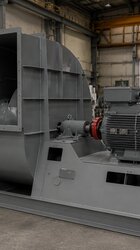
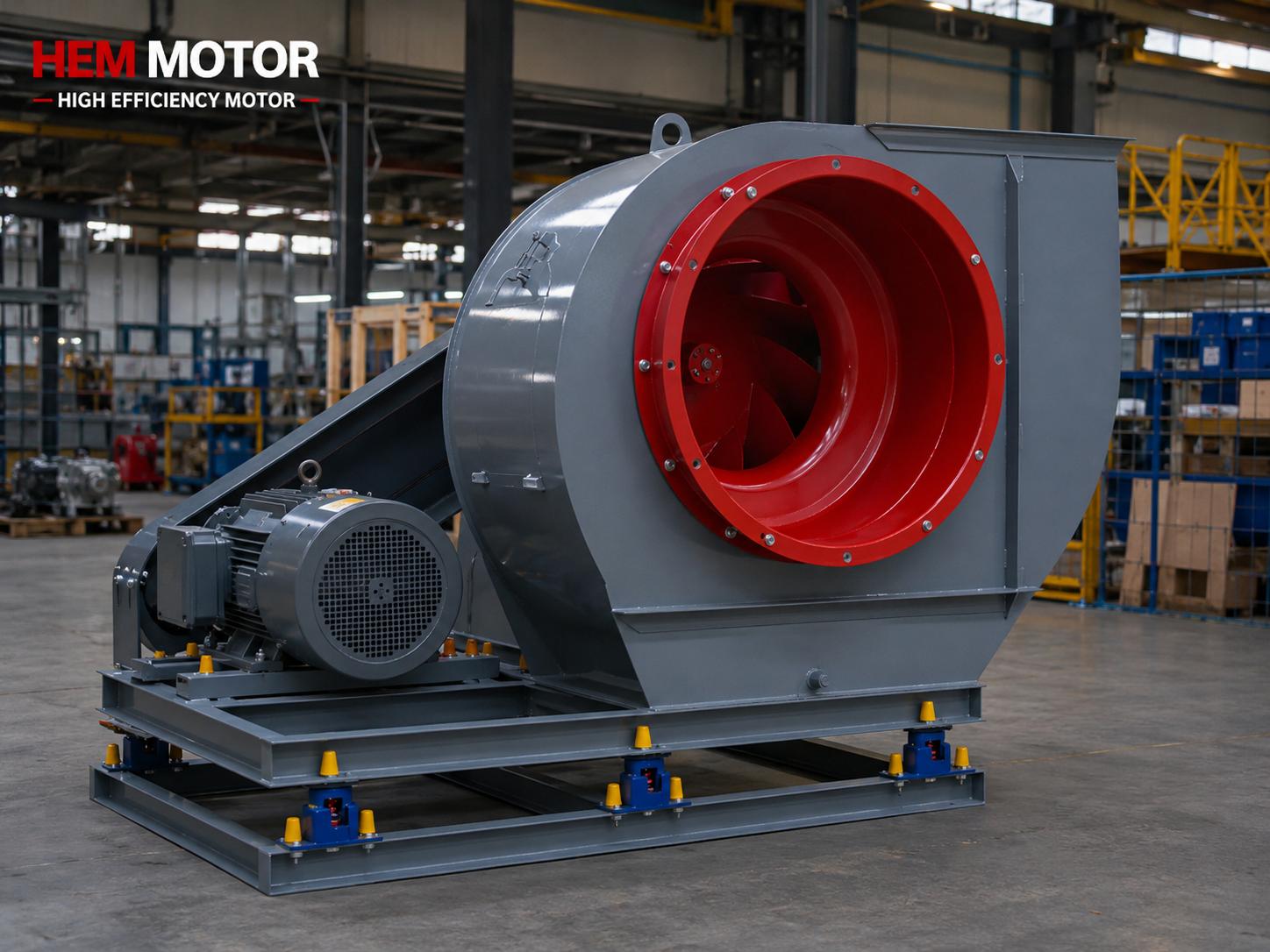

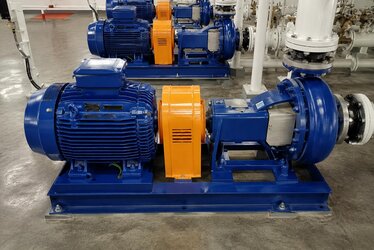
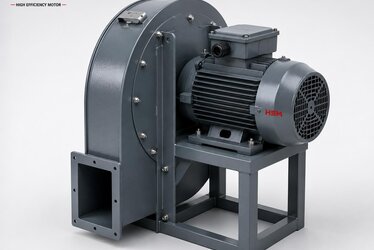
A building heating system is like an organism whose heart beats in the boiler room; what runs this heart are the electric motors driving the circulation pumps. When these pumps, which carry hot water from the boiler to the radiators, fan-coil units, and underfloor heating circuits, stop, the heating stops too. Therefore the correct selection of boiler room and circulation pump motors is critical for the uninterrupted continuity of building heating. As HEM Motor, when supplying circulation pump motors for apartment, residential complex, hotel, hospital, and commercial building projects, we always observe the same priority: a motor that is durable for continuous operation, quiet, and reliable. This guide was prepared to help you set the right criteria when buying boiler room and circulation pump motors and put building heating supply on a solid foundation.
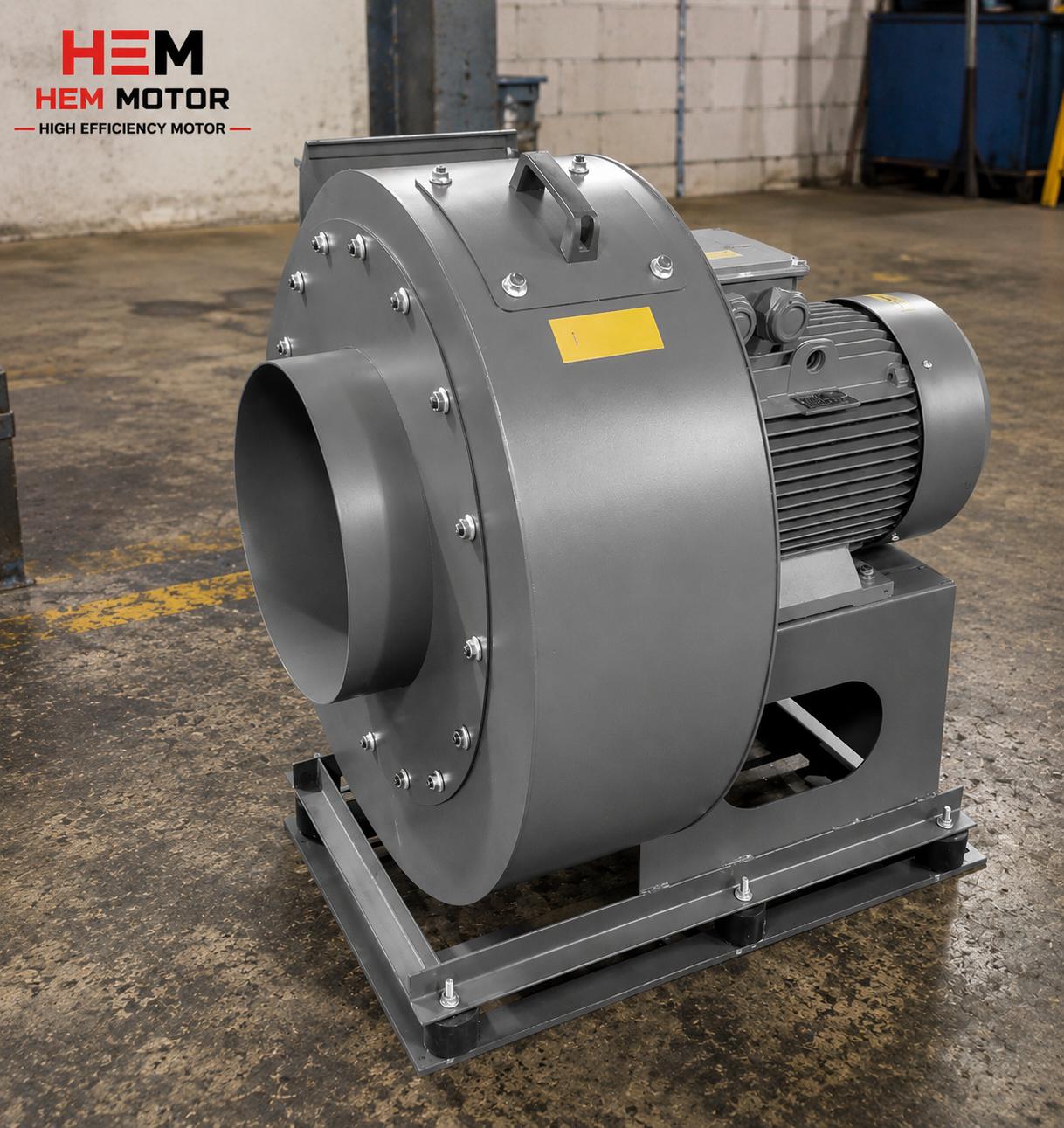
Wet Rotor or Dry Rotor Pump Motor?
There are two basic motor architectures in circulation pumps, and which one is needed is determined by the size of the system.
Wet Rotor Pump Motors
In wet rotor pumps the motor rotor turns inside the pumped water; the water also lubricates the bearings and cools the motor. This type is common in small and medium-scale heating circuits, in apartments and small buildings. Its advantage is very quiet operation and requiring no maintenance. However, the power limit is low; it is insufficient in high-flow systems.
Dry Rotor Pump Motors
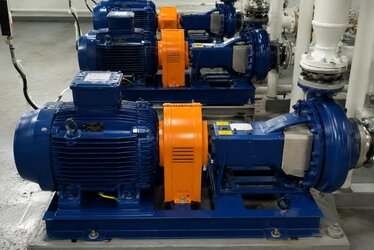
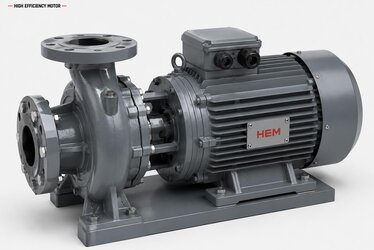
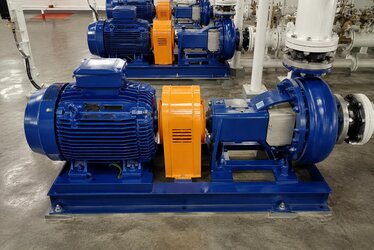
In dry rotor pumps the motor is completely separate from the water; it is connected to the pump body by a coupling or directly by a flange. This architecture is preferred in large buildings, residential complexes, hotels, and industrial heating systems requiring high flow and high pressure. Here a standard IEC electric motor is used, which means the motor can be selected independently, renewed, and have its efficiency class (IE3/IE4) optimized. As HEM Motor, for large circulation systems we supply cast iron bodied motors suitable for dry rotor pumps and durable for continuous operation. We explained the general principles of pump motor selection with flow and head calculation in our centrifugal pump motor selection article.
Why Is Continuous Operation (S1 Duty) Essential?
Circulation pumps run continuously for most of the day, often 24 hours, especially in the heating season. This load profile makes it mandatory for the motor to be S1 duty type (continuous operation). The S1 duty type means the motor can run at nominal load for an unlimited time, in a way that the temperature reaches equilibrium. A motor of intermittent duty type overheats quickly in this application.
Our pump electric motors are produced precisely for this reason in S1 duty type suitable for continuous operation, with class F insulation and IP55 protection. The efficiency of a continuously running motor directly determines the annual energy cost; this is why the efficiency class is important in circulation pumps. We evaluated the advantage of an IE4 motor in continuously running applications in our IE4 threshold in pump, fan, and compressor article. In a boiler room pump running most of the year, high efficiency pays for itself quickly.
IP Protection Class: The Humid Environment of the Boiler Room
Boiler rooms are hot and occasionally humid environments; water leaks, condensation, and cleaning water pose a risk to the motor. For this reason the IP protection class is critical in circulation pump motors. IP55 protection provides basic assurance against dust and water spray from all directions and is a standard choice for boiler room conditions.
In wetter environments or where condensation is intense, higher IP classes can be evaluated. We addressed what the IP protection class means and terminal box sealing together with the correct cable gland selection in our motor terminal box and cable connection article. The cast iron body provides both mechanical strength and long life in the humid boiler room environment. We compared the difference between cast iron and aluminum body by environmental conditions in our cast iron or aluminum body article.
Quiet Operation: For Comfort and Regulation
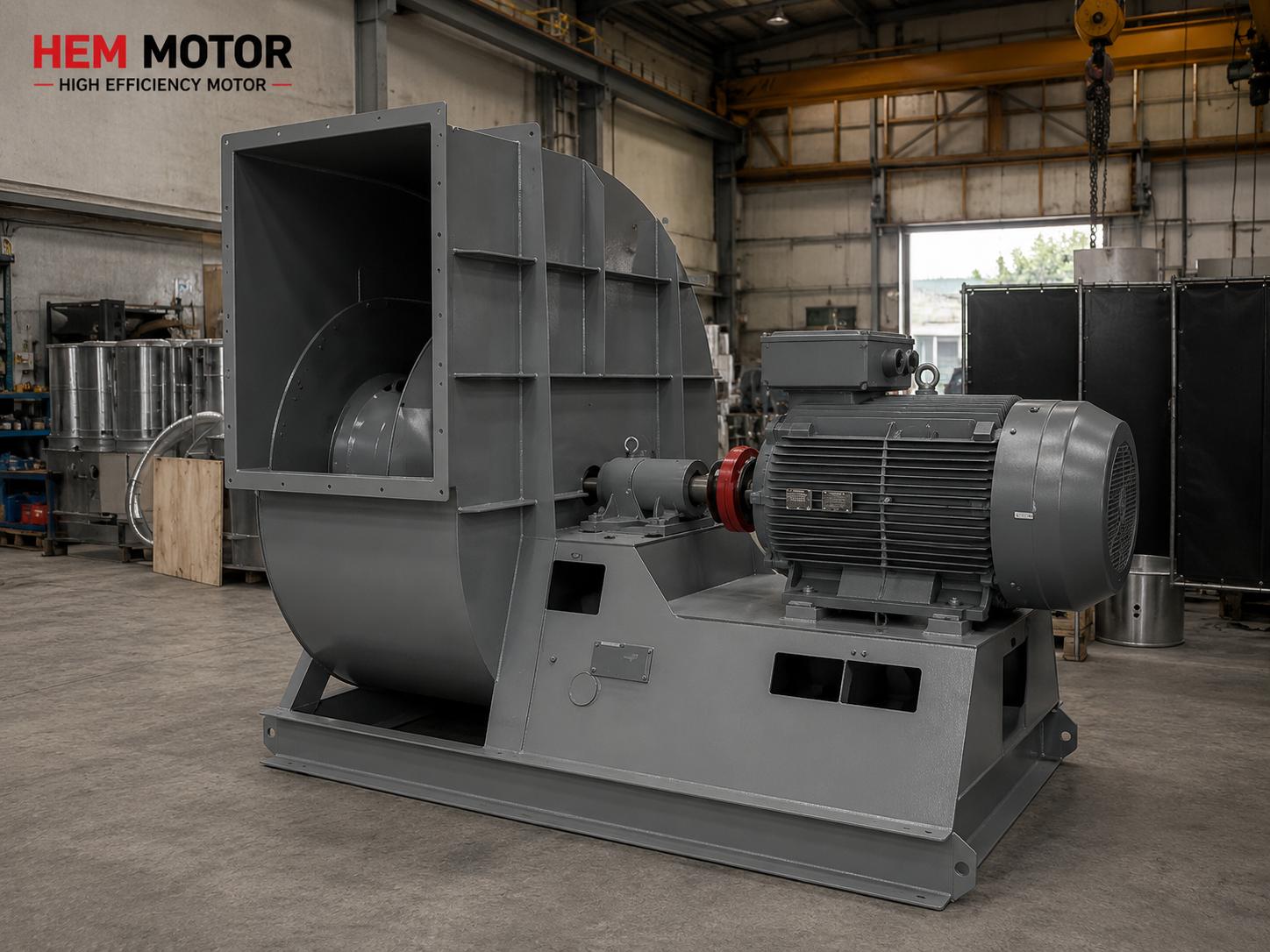
The boiler room is often near the living areas of the building; in residences, hotels, and hospitals noise is important for both comfort and regulation. The low-vibration and quiet operation of the circulation pump motor both prevents discomfort and extends the mechanical life of the motor, because vibration fatigues the bearings.
Quiet operation is achieved with a properly balanced rotor, quality bearings, and a low-noise fan design. Generally 1500 rpm (4-pole) motors are preferred in circulation applications because they run quieter and more balanced than 3000 rpm motors. We detailed the criteria for low-noise motor selection in our noise and vibration in electric motors article, and speed selection in ventilation applications in our fan motor supply in HVAC projects article. A quietly running pump motor in the boiler room is an invisible but important part of building comfort.
Mounting Type and Mechanical Connection
In dry rotor circulation pumps the way the motor connects to the pump determines the mounting type. In applications connected directly to the pump by a flange, B5 (large flange) motors are used, and in applications connected to the chassis by feet and to the pump by a flange, B35 (foot + flange) motors are used. In coupled connection the shaft diameter and coupling balance are the key to vibration-free operation.
The correct flange type selection for the pump is essential for the motor to fit the pump exactly. We explained the difference between B5 and B14 in our B5 vs B14 connection type selection article, and shaft diameter and coupling compatibility in our motor shaft diameter and key dimensions article. To choose the correct mounting type you can review our electric motor mounting types page and evaluate the B5/B35 options according to your pump. Our IE4 pump motors are offered in the 0.25 kW - 355 kW range, with flanged (B5/B14) and foot (B3) connections, with solutions suitable for vertical and horizontal systems.
When Replacing the Existing Pump Motor
In most boiler room projects the need is not a new installation but the renewal of a failed or inefficient pump motor. In this case the safest method is to read the existing motor nameplate information (power, speed, frame size, mounting type, shaft diameter) and supply an exactly equivalent motor. This matching is essential to avoid the pump disassembly trouble caused by a wrong motor.
We explained selecting the suitable motor for the existing pump from the nameplate in our booster motor replacement: selection from nameplate article, and preventing the wrong motor from arriving in our nameplate matching article. Because the circulation pump is critical equipment, keeping a spare motor against the failure risk during the heating season is wise. Our critical spare motor list article explains which powers should be kept in stock.
Other Motors in the Boiler Room: Burner, Fan, and Booster
In a boiler room the only motor is not the circulation pump. The system houses a group of motors consisting of the burner fan, fresh air and exhaust fans, pressure-boosting (booster) pumps, and blowers when needed. Each of these motors performs a different task and carries different selection criteria; however, the common requirement of all is reliable and continuous operation.
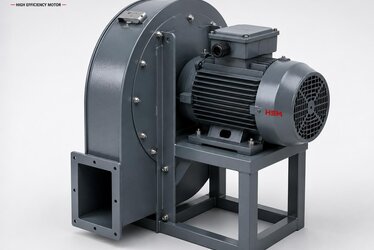
The fresh air and exhaust fans provide ventilation of the boiler room and the air necessary for combustion; the motors of these fans must also be suitable for continuous operation. We addressed ventilation and fan motor selection in our blower and fan motor selection article. Within the scope of fire safety, a fire pump is also present in most buildings; we explained what to watch when selecting a fire pump motor in our 10 questions when buying a fire pump motor article. When designing a building mechanical installation, planning this entire motor group together provides both compatibility and supply continuity. As HEM Motor, we can meet all the motor needs of the boiler room from a single source, as a compatible set.
Correct Power Selection by Flow and Pressure
The power of the circulation pump motor is determined by the system flow (how much water will circulate) and head (how high and against what resistance it will push the water). In a multi-story building, long pipe runs and many radiators require high pressure and therefore a more powerful motor. Choosing the motor too small causes the heating not to reach the upper floors sufficiently, while choosing it too large causes efficiency loss at low load and unnecessary energy consumption.
For correct power selection the design flow and head of the system must be known and evaluated together with the pump curve. Doing this calculation correctly secures both heating comfort and energy efficiency. We explained at what load it is most efficient to run the motor in our motor load ratio and correct sizing article, and flow-pressure-power matching in centrifugal pumps in our centrifugal pump motor selection article. In boiler room projects, correct sizing optimizes both the initial investment and the operating cost. As HEM Motor, by taking your system values we determine the motor of suitable power and speed for you.
Efficiency Class and Operating Cost
A continuously running circulation pump consumes a significant amount of energy throughout the year; this is why the efficiency class of the motor directly affects the operating cost. IE3 premium and IE4 super premium motors do the same job with less energy than standard motors. In a boiler room pump running thousands of hours a year, the difference between efficiency classes is felt noticeably on the annual bill.
Because IE4 motors maintain their efficiency advantage especially at partial load, they are advantageous in heating systems where the flow changes during the day. We addressed the investment decision between efficiency classes with an amortization calculation in our IE3 or IE4 investment article. We explained which power requires which efficiency class from which date in our IE3 and IE4 efficiency mandate article. In a boiler room investment, the energy the motor will consume over its lifespan is a much larger item than the purchase price; this is why the efficiency class selection is a long-term savings decision.
Frequently Asked Questions
Why must a circulation pump motor be S1 duty type?
Because circulation pumps often run 24 hours continuously during the heating season. The S1 (continuous operation) duty type means the motor can run safely at nominal load for an unlimited time, in a way that the temperature reaches equilibrium. A motor of intermittent duty type overheats quickly under this continuous load and its life shortens. Therefore an S1 duty type motor with class F insulation must definitely be preferred in boiler room pumps.
Which IP protection class is sufficient in a boiler room?
Because boiler rooms are hot and occasionally humid environments, the IP55 protection class is generally a standard and sufficient choice; it provides protection against dust and water spray from all directions. In special cases where the risk of condensation or water contact is high, higher IP classes can be evaluated. The correct IP class selection secures the long-lasting operation of the motor in a humid environment.
Can I replace my wet rotor pump with a dry rotor system?
As the system grows and the flow-pressure demand increases, wet rotor pumps become insufficient and a transition is made to dry rotor pumps with standard IEC motors. This transition provides higher power, better efficiency, and the possibility of independent motor renewal. For a correct transition the flow and head calculation of the system must be done and a pump and motor of suitable power selected; we do this calculation for you and recommend the suitable solution.
Get a Quote
Let us supply continuous-operation-durable, quiet, and efficient circulation pump motors for an apartment, residential complex, hotel, hospital, or commercial building boiler room by sizing them correctly. Share your existing pump nameplate information or the flow and pressure values of your system; let us present the suitable motor and a spare plan. Call us at +90 (532) 345 49 86 or reach us through our contact page; let us plan a motor supply that will not interrupt your building heating.