English
 Türkçe


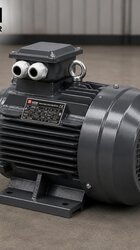
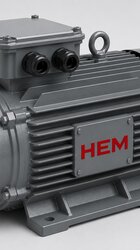
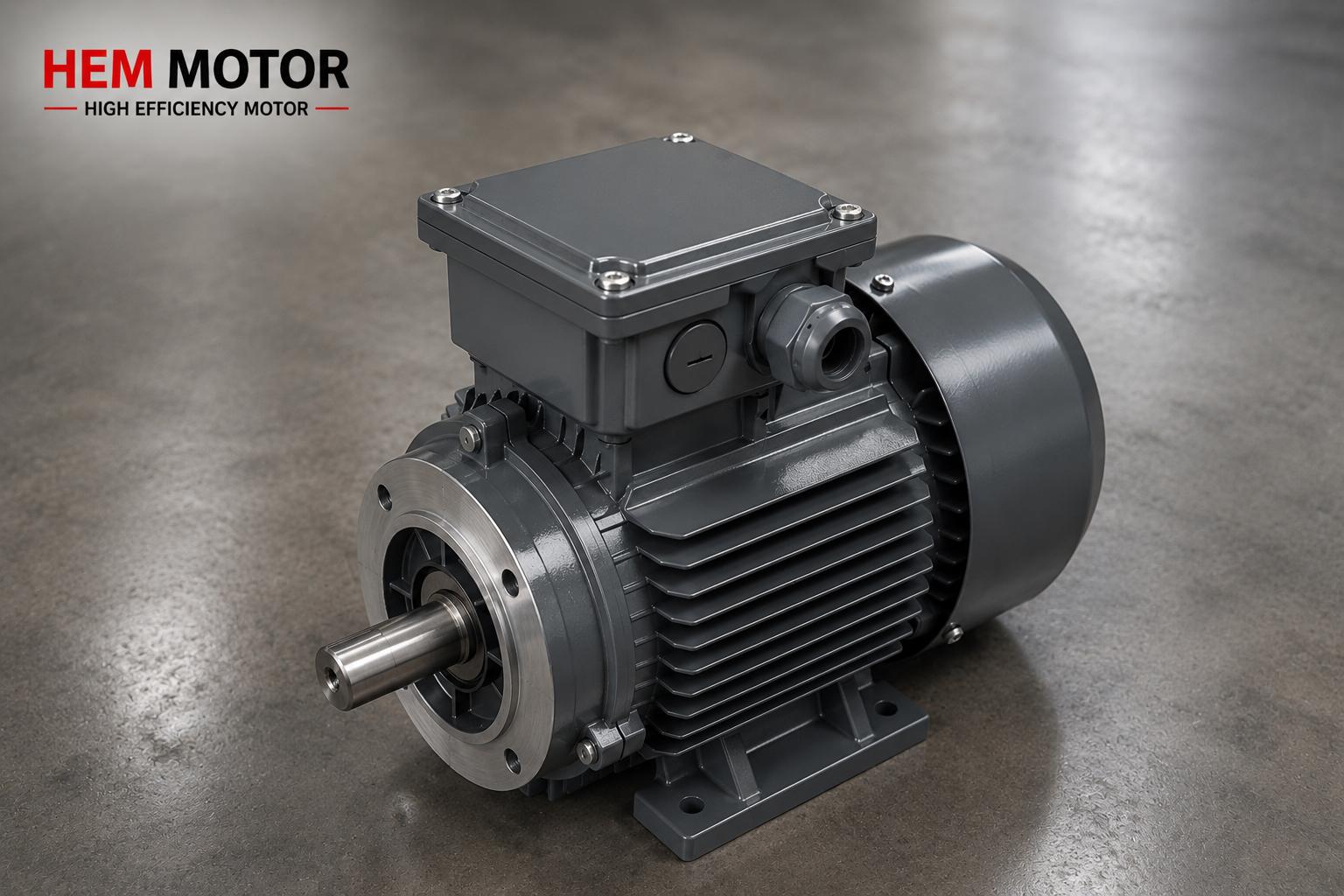

When connecting an IE4 motor to your panel, attention usually goes to cable cross-section and correct terminal bridging; yet how tightly the terminal bolts are torqued is just as critical. Tightening the terminal-connection bolt to the correct torque is the invisible condition for the motor running safely and cool for years. Insufficient tightening leads to a loose connection, a loose connection to heating, and heating over time to arcing, insulation damage and even fire. Over-tightening, by crushing the bolt, lug or terminal pin, causes the same problem by a different route. In this article we cover the recommended Nm tightening-torque table by terminal bolt size (M4-M16) in IE4 motors, the harms of insufficient and excessive tightening, the use of cable lugs, and the importance of periodic torque checks. (This article is conceptual; the values are general engineering ranges, and the manufacturer's stated value always takes priority.)
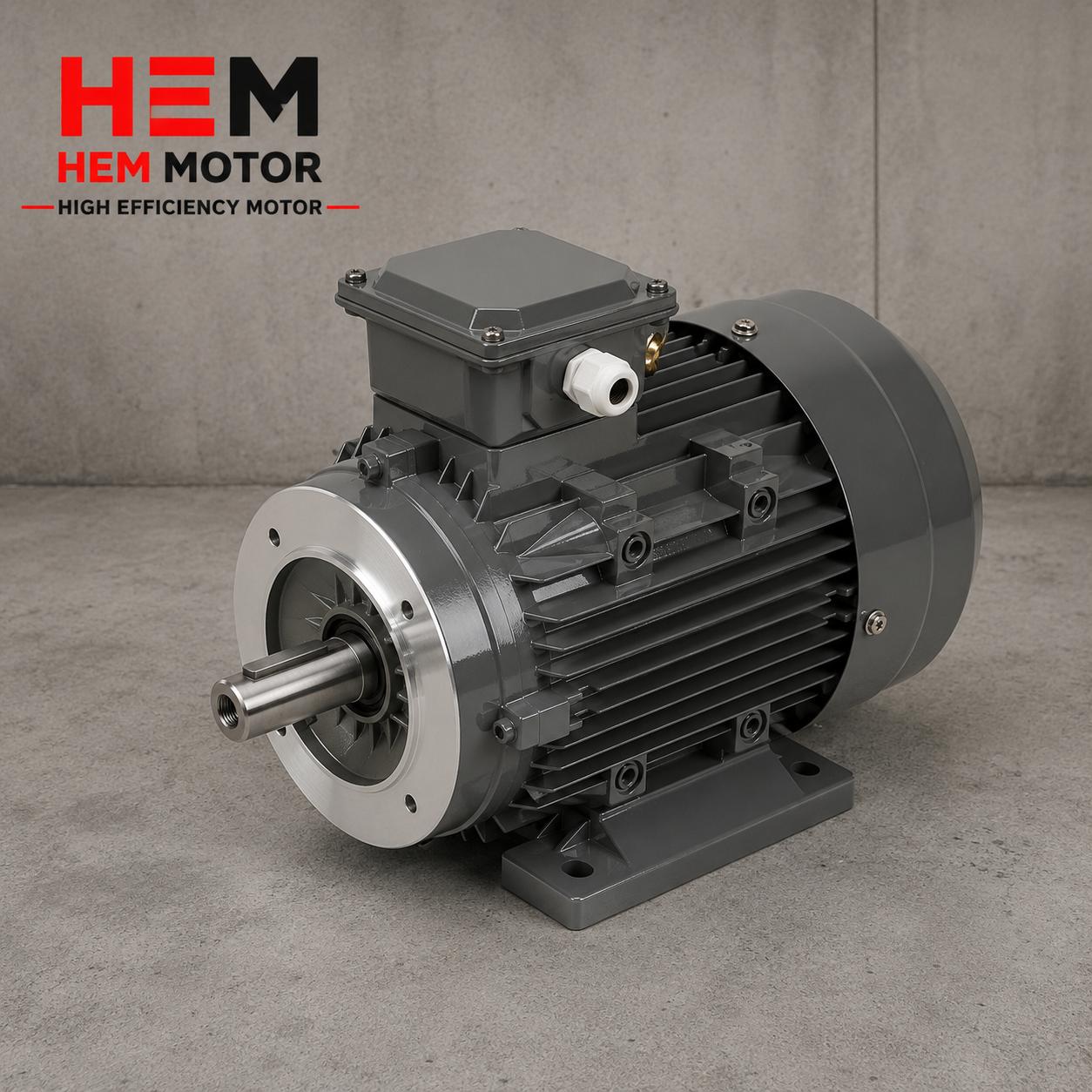
Why Is Terminal Tightening Torque So Important?
The terminal is where the motor's winding ends connect to the supply cable. All of the motor's current passes through this connection. If the contact surfaces do not make tight enough contact, contact resistance rises; the increased resistance generates heat at that point. This heat first oxidizes the connection, oxidation raises resistance further, and the process feeds on itself and worsens. Eventually the terminal blackens, the insulation degrades and the connection fails. Correct torque prevents exactly this chain from the start: surfaces make tight contact, resistance stays low, no heat builds.
Because IE4 motors are high-efficiency, they are candidates for continuous and high-load operation, which means the terminal connection carries current constantly. To view connection quality holistically, see our terminal (terminal) box and cable entry orientation in IE4 motors; for cable cross-section and lug selection, see cable connection and cable lug selection in electric motors.
Nm Tightening-Torque Table by Bolt Size
Terminal bolts range from M4 to M16 according to the motor's power and therefore the current it carries. The table below shows the general tightening-torque ranges commonly used for brass/copper terminal connections. These values are a starting reference; the manufacturer's value on the terminal cover or in the catalog always takes priority.
- M4: approximately 1.2-2.0 Nm
- M5: approximately 2.0-3.2 Nm
- M6: approximately 3.0-5.0 Nm
- M8: approximately 6.0-10.0 Nm
- M10: approximately 10.0-18.0 Nm
- M12: approximately 15.5-30.0 Nm
- M16: approximately 30.0-50.0 Nm
Low-power IE4 motors usually have M4-M6 terminal pins, while medium and high powers go up to M8-M16. Selecting the correct bolt size comes together with the frame and power; in this context our stock range in IE4 motors: which kW and speeds are supplied from stock covers the supply side, while nameplate and label reading in IE4 electric motors explains reading the rated current.
Relationship Between Rated Current and Bolt Size
The diameter of the terminal pin is sized to the current that passes: as current grows, a thicker pin and higher torque are needed. So before setting the bolt torque, you need to know the motor's rated current. For rated current and the associated cable/fuse selection, our rated current: cable, fuse and contactor selection; for voltage and star/delta bridging, our electric motor terminal connection: 230/400V star and delta bridging is a complement.
Harms of Insufficient and Excessive Tightening
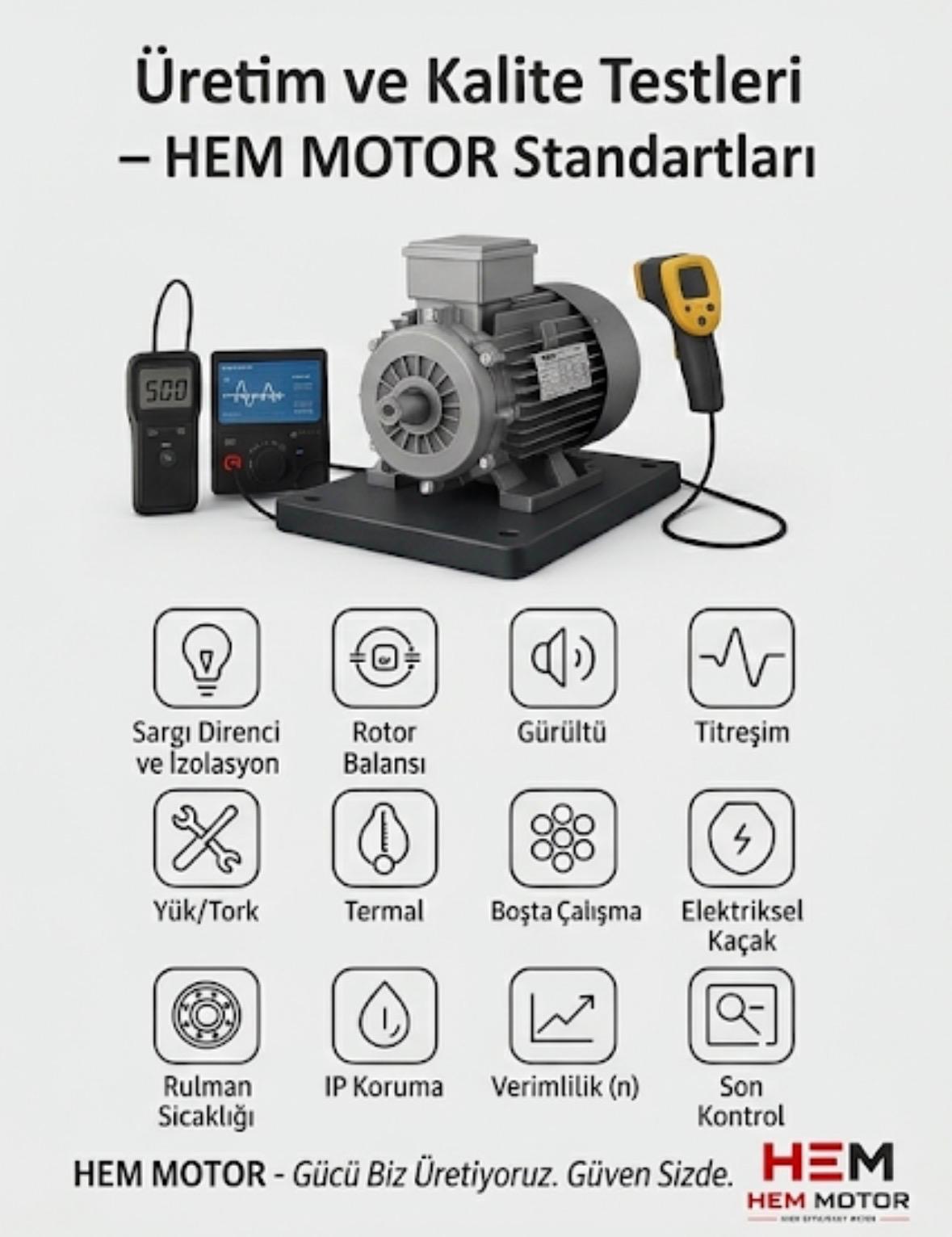
In this task both under- and over-tightening are harmful. Insufficient tightening leads to incomplete contact between connection surfaces and a loose connection. The consequence of a loose connection is clear: contact resistance rises, heat builds at that point, the terminal blackens, and over time arcing and insulation damage, and in the worst case fire, follow. Over-tightening produces a different damage: the bolt thread can strip, the terminal pin or brass part can crack, the cable lug can be crushed and the cross-section narrowed. In both cases the connection weakens.
Therefore measured tightening with a torque wrench, not by guess, is essential. For early detection of hidden heating-related problems, periodic checks with thermography (a thermal camera) are very valuable; this is supported by our field efficiency verification with a power analyzer in efficient motors and, for general fault symptoms, electric motor failures: symptoms and causes. Grounding and EMC rules also matter so that a loose connection does not turn into heating; our motor grounding and EMC addresses this.
Cable Lug and Correct Connection
Terminating stranded cables with a cable lug, instead of connecting them directly to the terminal, distributes the clamping force evenly across all strands and reduces loosening. The lug should be selected in the correct cross-section and crimped with the correct tool. You can find lug selection and terminal-lug matching in detail in cable connection and cable lug selection in electric motors. For cable entry orientation by panel side, see terminal box and cable entry orientation in IE4 motors.
Periodic Torque Check
Motor vibration, heating-cooling cycles and time can loosen even the best-made connection over time. Therefore it is recommended that terminal bolts be re-checked for torque during periodic maintenance. A first check a few weeks after commissioning, followed by regular checks tied to the maintenance schedule, is useful. For the maintenance schedule, our electric motor maintenance and periodic check schedule; for acceptance inspection at delivery, our electric motor incoming and acceptance inspection is a guide.
You can review our product range under our IE4 electric motor and efficient electric motors categories, and reach more content from our home page. We examined mechanical compatibility when switching to IE4 in mechanical compatibility when switching to an IE4 motor.
Why Is Correct Tightening Not Only About the Bolt?
The reliability of a terminal connection depends not only on the bolt's torque but on all the components that make up the connection. Clean, oxidation-free contact surfaces, a cable lug of the correct cross-section, the washer and spring washer in place, and a sound brass terminal part are preconditions for the correct torque to work. Even perfect torque applied to a dirty or oxidized surface loosens over time, because metallic contact under an oxide layer is weak. Therefore surface cleaning before connection is as important as tightening.
The terminal box's IP protection also affects connection life. In a terminal box that lets in moisture or dust, the connection surfaces oxidize faster and resistance rises. Therefore correct gland selection and sealing at the cable entry matter. For terminal-box IP protection and gland selection, see our motor terminal box and cable connection: IP protection and correct gland selection. For general IP protection class selection, our IP protection class selection in electric motors is a guide.
A Different Approach for Stranded and Solid Cable
While solid (rigid) conductors can be connected directly to the terminal, a cable lug is strongly recommended for stranded (flexible) cables. Because when a stranded cable is clamped directly under the bolt, the strands spread and some make incomplete contact; moreover, strands crushed under the bolt loosen over time. A cable lug gathers all strands in a single metal body, ensuring even distribution of the clamping force. For correct lug cross-section and crimping, our cable connection and cable lug selection in electric motors is a detailed guide.
Efficiency and Safety Impact of a Loose Connection
A loose terminal connection is not only a safety risk but also a hidden loss of efficiency. The resistance forming at the connection point converts part of the electricity used into heat rather than work. In a high-efficiency motor such as IE4, the efficiency gained by design can easily be wasted by a poor connection. Therefore connection quality is as important as the motor's efficiency class. To catch connection-related heating early, periodic thermography (thermal camera) scanning is very valuable; we addressed this method together with general fault symptoms in electric motor failures: symptoms and causes.
The most dangerous consequence of a loose connection is heating progressing into arcing and fire. Correct selection of motor protection devices (thermal relay, fuse) reduces this risk; we examined this in electric motor protection: thermal relay and fuse selection. For insulation (megger) and connection checks at delivery and commissioning, our electric motor incoming and acceptance inspection is a resource.
Extra Care in Drive-Fed (VFD) Systems
When an IE4 motor runs with a VFD, connection and grounding become even more critical. The high-frequency components at the drive output can cause extra heating and electrical noise in a poor connection. Therefore in VFD systems, shielded cable, correct grounding and a sound terminal connection should be considered as a whole. We addressed grounding and EMC rules in motor grounding and EMC. For compatibility of connection dimensions when replacing an IE4 motor with an equivalent, see replacing an IE4 motor with an equivalent.
Frequently Asked Questions
Is hand-tightening the terminal bolt without a torque wrench enough?
No, it is not reliable. Hand feel varies from person to person and usually leads to either insufficient or excessive tightening. For a correct, repeatable connection it is essential to tighten with a torque wrench, to the manufacturer's stated value or the general range appropriate for the bolt size.
How many Nm should an M8 terminal bolt be tightened to?
For brass/copper terminal connections, the general tightening torque for an M8 bolt is approximately 6.0-10.0 Nm. This is a starting reference; the manufacturer's value stated on the motor's terminal cover or in the catalog always takes priority.
Why does the terminal heat up, and can it cause a fire?
The terminal heats up when contact resistance rises because of loose or oxidized connection surfaces. This heat oxidizes the connection further, resistance increases, and the process worsens, possibly progressing to arcing, insulation damage and, in the worst case, fire. Correct tightening torque and periodic checks prevent this risk from the start.
Practical Points to Watch When Setting the Tightening Torque
Applying the correct torque value is important, but so is applying it under the right conditions. The torque wrench should be calibrated regularly; a wrench out of calibration gives a false sense of safety. During tightening the bolt should sit flat and square and the threads should be clean; a forced or cross-threaded bolt can seize before reaching the correct torque. Also, in some terminal designs the torque for the bolt that secures the cable differs from the one fastening the brass pin to the frame; the correct value must be applied for each.
After the connection is complete, a quick visual and manual check is useful: is the cable lug in place, are the bridging plates fitted correctly, is there exposed conductor? This check also catches voltage and bridging errors. For correct star/delta bridging by voltage, see our electric motor terminal connection: 230/400V star and delta bridging; for cable entry orientation by panel side and a tidy connection, see our motor terminal box orientation and cable entry side selection. A tidy connection makes both safety and future maintenance easier.
Get a Quote
For IE4 high-efficiency motor supply, let us plan the correct terminal, rated current and connection details together. Our expert team is ready to offer a solution suited to your application. You can reach us at +90 (532) 345 49 86 or via our contact page.
Connection Checklist
- Is the bolt size (M4-M16) suitable for the motor's rated current?
- Has the manufacturer's Nm tightening-torque value been determined?
- Is tightening done with a torque wrench (not by guess)?
- Was a cable lug used on stranded cable?
- Are the connection surfaces clean and free of oxidation?
- Is the star/delta bridging suitable for the voltage?
- Is a torque check planned after commissioning and at periodic maintenance?