English
 Türkçe

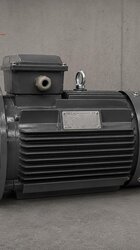
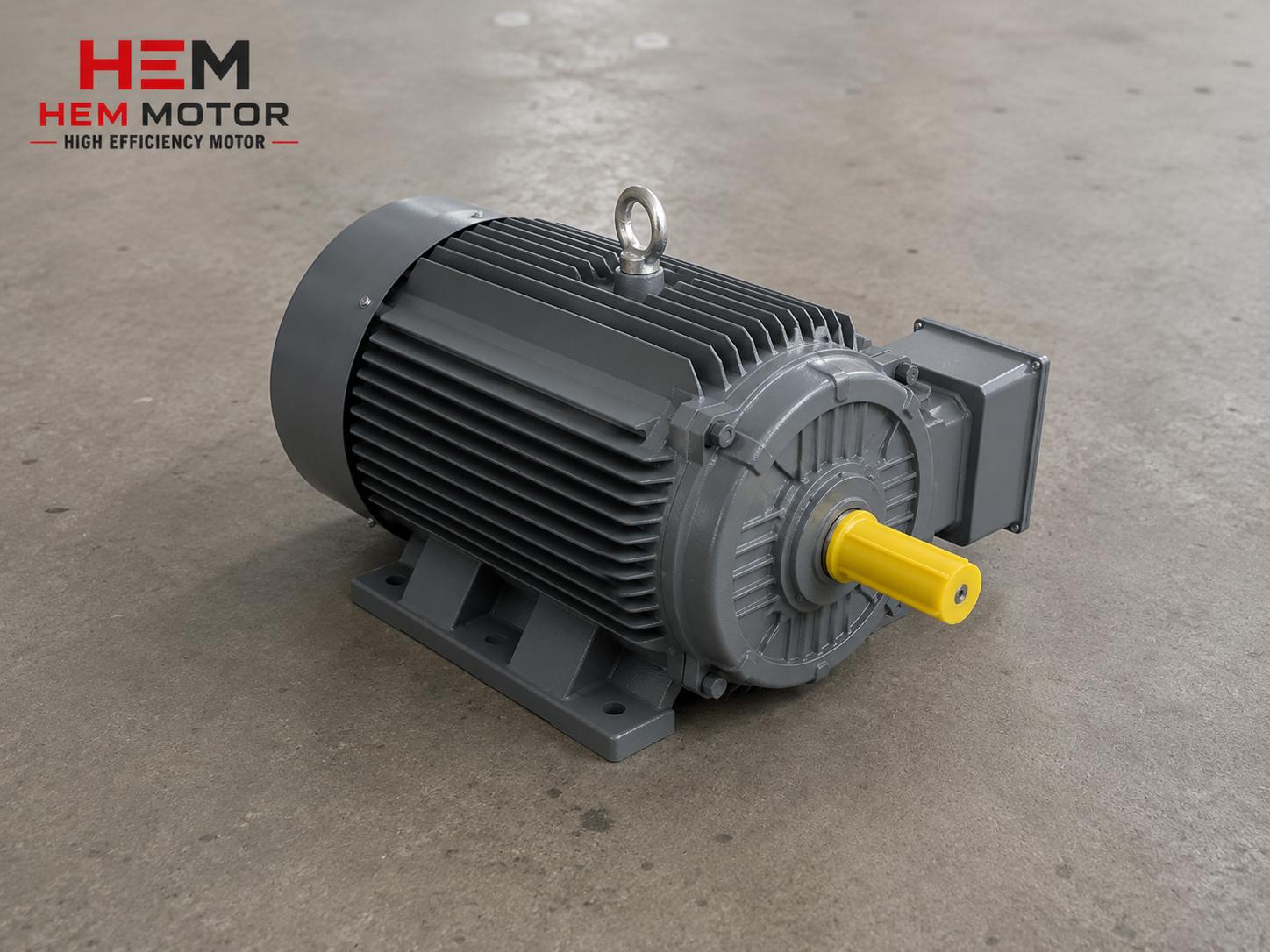

At the top of the causes of burnout in three-phase asynchronous motors is an insidious fault that often develops unnoticed: single phasing (phase loss). The interruption of one of the three phases for any reason (a blown fuse, a loose terminal, a broken cable or a stuck contactor contact) causes the motor to suddenly enter a very dangerous operating state. The insidious part is this: the motor often does not stop, it keeps rotating; so the operator does not immediately realise there is a problem. However, since the remaining two phases must also carry the load of the missing phase, they draw excessive current and the winding heats up rapidly. Within minutes the insulation degrades and the motor burns out. In this guide we examine in detail how single phasing occurs, what symptoms it produces in the motor, why it leads to burnout and how to prevent this fault with a phase protection relay, thermal relay and PTC.
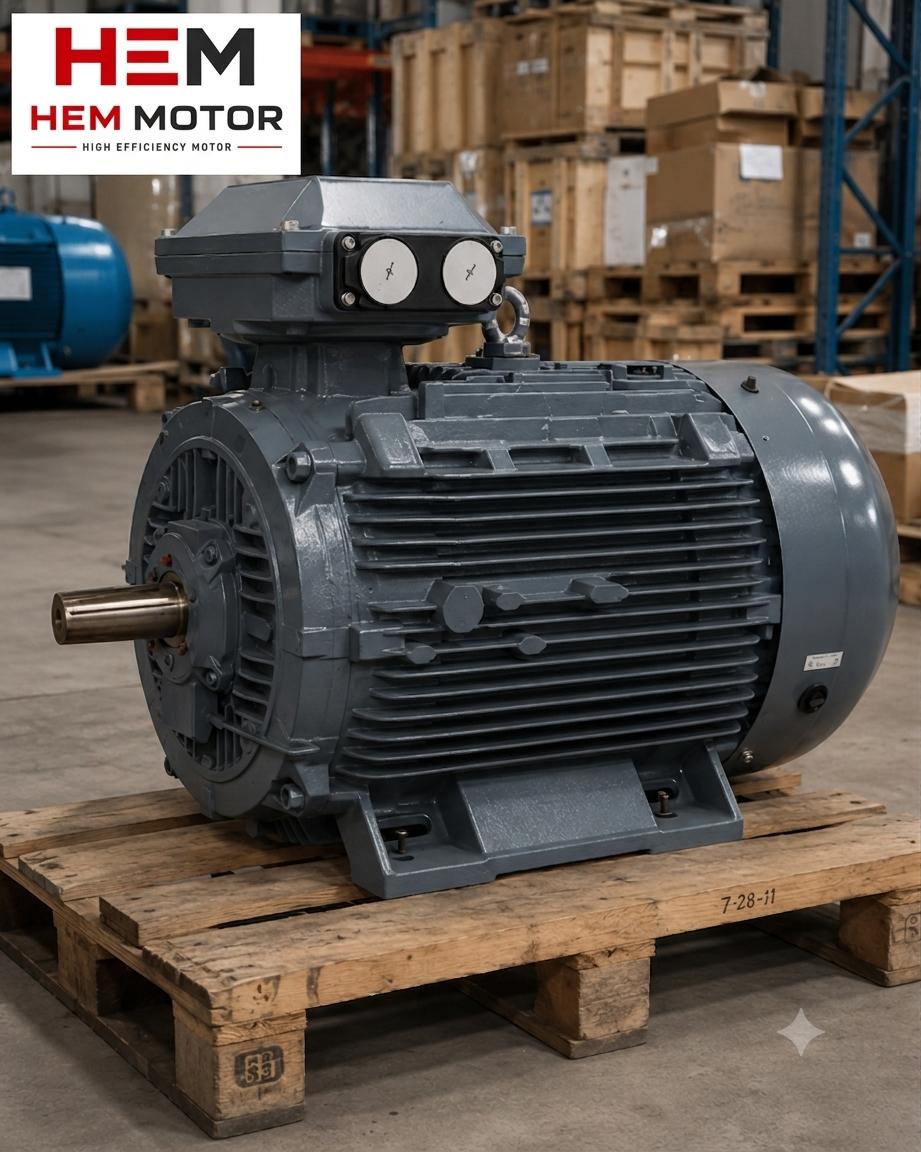
What Is Single Phasing and Why Does It Occur?
A three-phase asynchronous motor rotates smoothly because the three phases create a balanced magnetic field. When one of these phases is lost, the motor is forced to run on a single-phase (in fact phase-to-phase) supply; this condition is called single phasing. The main causes of phase loss are: a blown fuse among the three-phase fuses, a loosened or oxidised connection in the terminal box, a broken or crushed supply cable, a stuck or burnt contactor contact, and the loss of a phase on the grid side. Correct terminal connection plays a fundamental role in preventing these faults; our terminal connection and voltage selection article guides this topic.
Does Phase Loss Occur While Running or While Stopped?
Phase loss occurs in two different scenarios. If a phase is lost while the motor is running, the motor keeps rotating thanks to rotational inertia but draws excessive current from the remaining two phases; this is the most dangerous situation because the motor does not stop and begins to burn out silently. If the motor tries to start while a phase is missing, it cannot start because sufficient torque cannot form, it hums in place and draws a very high current close to the locked-rotor current; this causes very rapid heating. We covered starting current and locked rotor in our starting current (LRA) article.
Symptoms of Single Phasing
Noticing single phasing early is critical to saving the motor. The main symptoms are: the motor humming louder and in a different tone than normal, struggling under load and dropping in speed, excessive vibration, rapid and abnormal heating, a smell of burnt insulation, and the motor humming in place without starting when it tries to start. Many of these symptoms also overlap with general motor faults; therefore our motor failures: symptoms and causes article is useful for differential diagnosis. To distinguish noise and vibration sources, see our noise sources in asynchronous motors article.
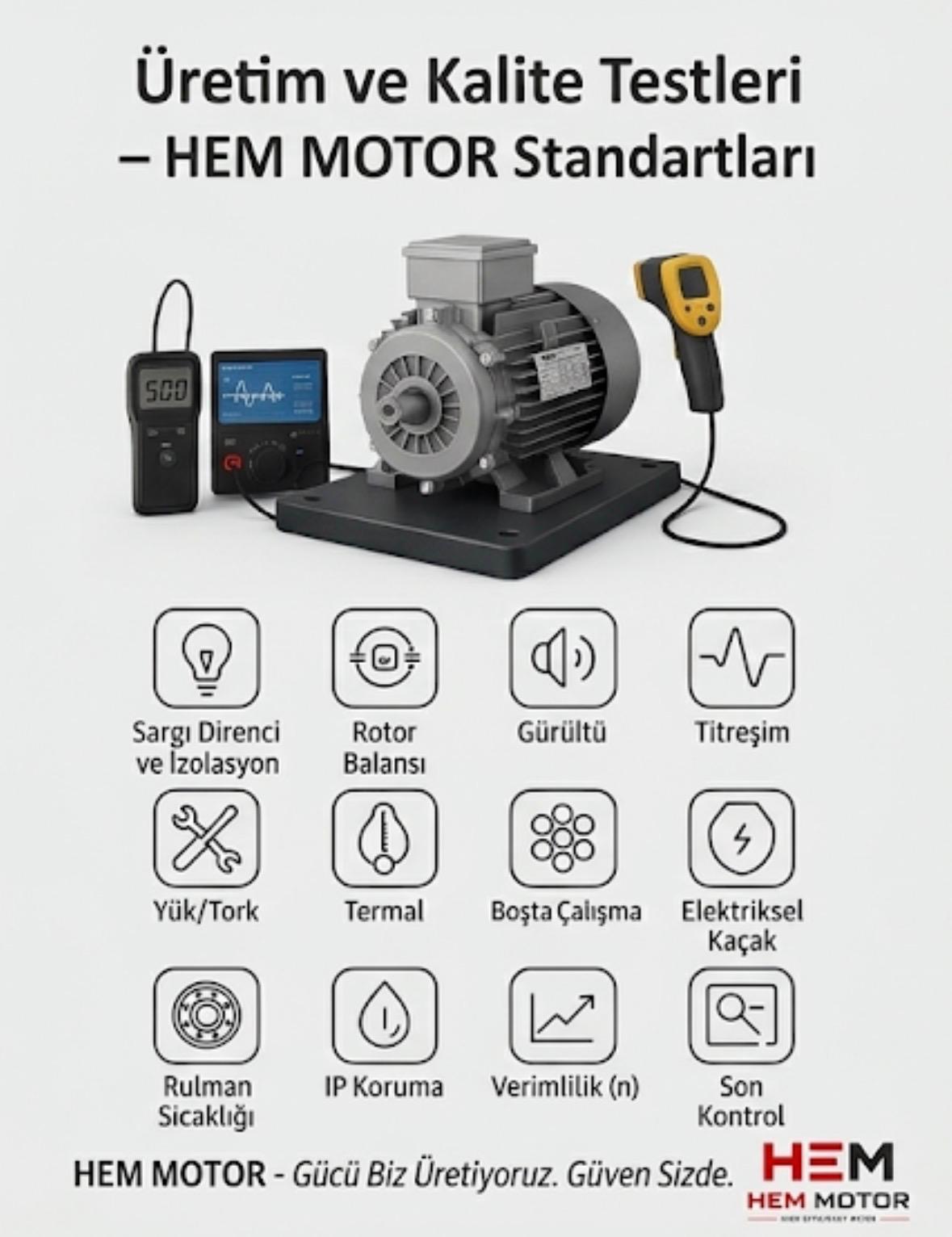
Why Does It Lead to Burnout? The Overcurrent Mechanism
The reason phase loss leads to burnout is a simple physical fact: the motor tries to produce the same mechanical power but now must do so through two phases. While the total power tries to remain constant, the current per phase increases dramatically; in the remaining phases the current can rise to 1.7 to 2 times the rated value. This excess current multiplies the I²R loss (Joule heating) in the winding. The result is that the winding temperature shoots far above the insulation limit. Even a Class F insulation cannot withstand this rapid temperature rise for minutes, and the insulation breaks down. We detailed the effect of temperature rise class on life in our temperature rise class (80K) article.
Difference in Behaviour in Star and Delta Connection
The effect of phase loss differs depending on whether the motor is star- or delta-connected. The result is dangerous in both connections, but the current distribution differs. For this reason correctly setting the protection devices is essential regardless of the connection type. You can find the logic of star-delta connection in our star-delta wiring diagram and star-delta vs soft starter articles.
Protection Methods: How Do We Prevent Phase Loss?
The good news is that single phasing is a completely preventable fault; with the right protection equipment the motor is taken out of service within seconds and saved. There are three main protection layers.
Phase Protection (Phase Sequence) Relay
The most effective protection is a dedicated phase protection relay. This relay continuously monitors the three phases and, when one of the phases is lost or the imbalance between phases exceeds a certain threshold, immediately opens the contactor and stops the motor. Models that come with phase sequence protection also prevent the wrong direction of rotation. We covered phase sequence and direction of rotation in our direction of rotation and phase sequence article.
Thermal Relay and Overcurrent Protection
The thermal overcurrent relay monitors the current of the three phases and, when the current in one phase is cut or excessive current forms in the others, opens the circuit through its differential mechanism. A thermal relay set to the correct rated current is an important line of defence against phase loss. We covered thermal and fuse selection in our protection: thermal relay and fuse selection, cable and contactor selection by rated current in our rated current: cable, fuse and contactor and the motor protection circuit breaker in our motor protection circuit breaker (MPCB) articles.
PTC Thermistor and Direct Winding Protection
The most precise protection is to measure the temperature directly from within the winding. PTC thermistors or PT100 sensors embedded in the winding stop the motor when the winding temperature exceeds a critical threshold; they directly catch the sudden heating caused by phase loss. This method provides more precise thermal protection than relays that monitor current indirectly. For details, see our temperature monitoring with PT100 and PTC thermistor article. To plan these protection layers together when purchasing, our purchasing protection devices article is helpful.
Related Articles and Product Pages
Single phasing is more common on generator-powered sites and on grids with high voltage fluctuation. Our motor selection on generator-powered sites, voltage tolerance and grid fluctuation and, for general motor protection, motor lifespan and early failure causes articles complement this topic. For the risk of additional heating in VFD-driven motors, see our VFD and harmonic-induced heating article, and for our full product range visit the HEM Motor home page.
Frequently Asked Questions
Why does my motor burn out rather than stop during single phasing?
A running motor keeps rotating thanks to rotational inertia even if a phase is lost. However, the remaining two phases draw roughly twice the rated current because they also take on the load of the missing phase. Since the motor does not stop, the operator does not notice the problem, but the winding heats up rapidly with this excess current and within minutes the insulation degrades and the motor burns out. This is why phase loss is extremely dangerous even when the motor does not stop.
By which symptom can I recognise single phasing?
The most typical symptoms are: the motor humming louder and in a different tone than normal, struggling under load and dropping in speed, excessive vibration, rapid and abnormal heating, a smell of burnt insulation, and humming in place without starting when it tries to start. When one of these symptoms is noticed, the motor must be stopped immediately and the phase voltages and connections checked.
What is the best protection against phase loss?
The most effective solution is to use a phase protection (phase sequence) relay together with PTC thermistor protection embedded in the winding. The phase protection relay detects phase loss and imbalance within seconds; the PTC forms the last line of defence by measuring winding temperature directly. A thermal relay set to the correct rated current is also a strong additional layer. Together, these three layers almost completely prevent burnouts caused by phase loss.
Get a Quote
The best protection against single phasing is planning a quality motor together with the right protection equipment. Share your current motor's nameplate data, your application and your panel layout; together we will determine a suitable IE3/IE4 motor and the necessary protection devices. Reach us now through our contact page or call us at +90 (532) 345 49 86. For an accurate quote you can review our information needed when requesting a quote article.
Phase Loss Protection Checklist
- Is there a phase protection (phase sequence) relay in the panel?
- Is the thermal relay set correctly to the motor's rated current?
- Is there PTC thermistor or PT100 protection in the winding?
- Are the terminal connections tight and free of oxidation (periodic check)?
- Are the fuses and contactor contacts sound?
- Has the risk of crushing/breaking in the supply cables been inspected?
- Have the phase sequence and direction of rotation been verified?
- Are the motor's humming, vibration and heating symptoms being monitored?
- Has an additional protective measure been taken on a generator/fluctuating grid?
- Are the protection devices tested during periodic maintenance?