English
 Türkçe

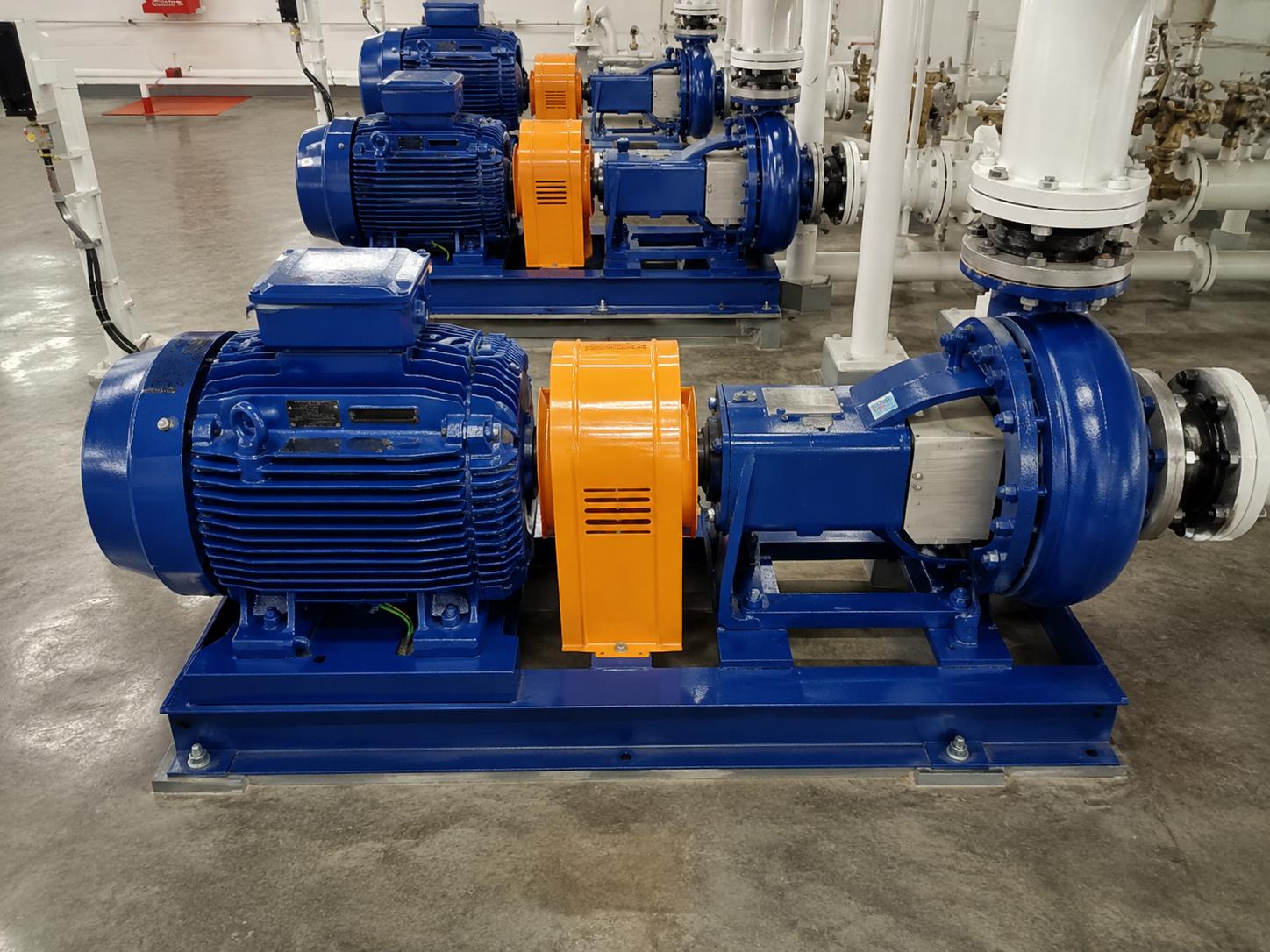

In a continuously running pump or fan motor, one variable decides bearing life above all others: getting the right amount of the right grease to the bearing at the right interval. On an exhaust fan or circulation pump that turns 24 hours a day, seven days a week, manual greasing is too often either forgotten or over-applied. This is exactly where a single-point automatic lubricator earns its place. Connected directly to the motor grease nipple, driven either by gas pressure or an electromechanical piston, this small device feeds the bearing a constant, programmable dose of grease and eliminates the majority of bearing failures in non-stop processes and hard-to-reach installations. In this article, HEM Motor explains how to select an automatic lubricator for pump and fan motors, how to set dose and interval, how to choose the grease, and what it saves compared with manual greasing.
Why Bearing Lubrication Matters on a Continuous Pump and Fan Motor
Roughly half of all electric motor failures are bearing related, and most bearing failures come from insufficient, excessive or contaminated lubrication. In continuous pump and fan duty the bearing never stops; grease oxidises over time, loses its base oil and the protective film thins out. Manual greasing can manage this cycle in theory, but in practice maintenance teams struggle to grease every motor exactly on time and in exactly the right amount. On hard-to-reach points such as roof exhaust fans, ID flue-gas fans, deep well pumps or high-mounted HVAC fans, simply reaching the grease nipple is a safety and time cost in itself.
For a continuously running motor, grease is like its lifeblood. A micron-scale oil film forms on the contact surface between the bearing race and the balls and prevents metal-to-metal contact. When this film breaks down, friction rises suddenly, temperature climbs and within a few hours the bearing can be cooked. On a continuous pump-fan motor this process runs much faster because the bearing never gets a chance to cool and recover. For this reason the lubrication strategy must be handled with a planned maintenance discipline from the outset, not with a "we will look at it when it fails" mindset.
An automatic lubricator changes this picture: mounted once, it feeds fresh grease to the bearing in micro-doses for weeks or even months. This continuous, small dosing is far healthier for the bearing than the typical "nothing for a long time, then a sudden lot" profile of manual greasing. We covered the basics of bearing greasing in our article on bearing greasing, grease type and NLGI consistency; this article completes the automatic side of it.
The Difference Between Manual Greasing and an Automatic Lubricator
Manual greasing has two classic mistakes: too much grease and the wrong interval. Excess grease completely fills the bearing cavity, causing churning, higher temperature and seal stress. The wrong interval leaves the bearing dry. An automatic lubricator reduces both risks because the dose is programmed into the device and does not depend on the human factor.
- Continuity: The lubricator delivers constant micro-doses; the bearing never runs fully dry.
- Safety: On high or running motors that cannot be approached, greasing is achieved without putting personnel at risk.
- Traceability: With transparent-body lubricators, remaining grease is monitored visually.
- Contamination protection: Being a closed system, dust and moisture do not mix into the grease, which is critical for bearing life in dusty and shock-loaded environments.
- Cost control: Correct dosing prevents grease waste; over the long run both grease consumption and maintenance labour fall.
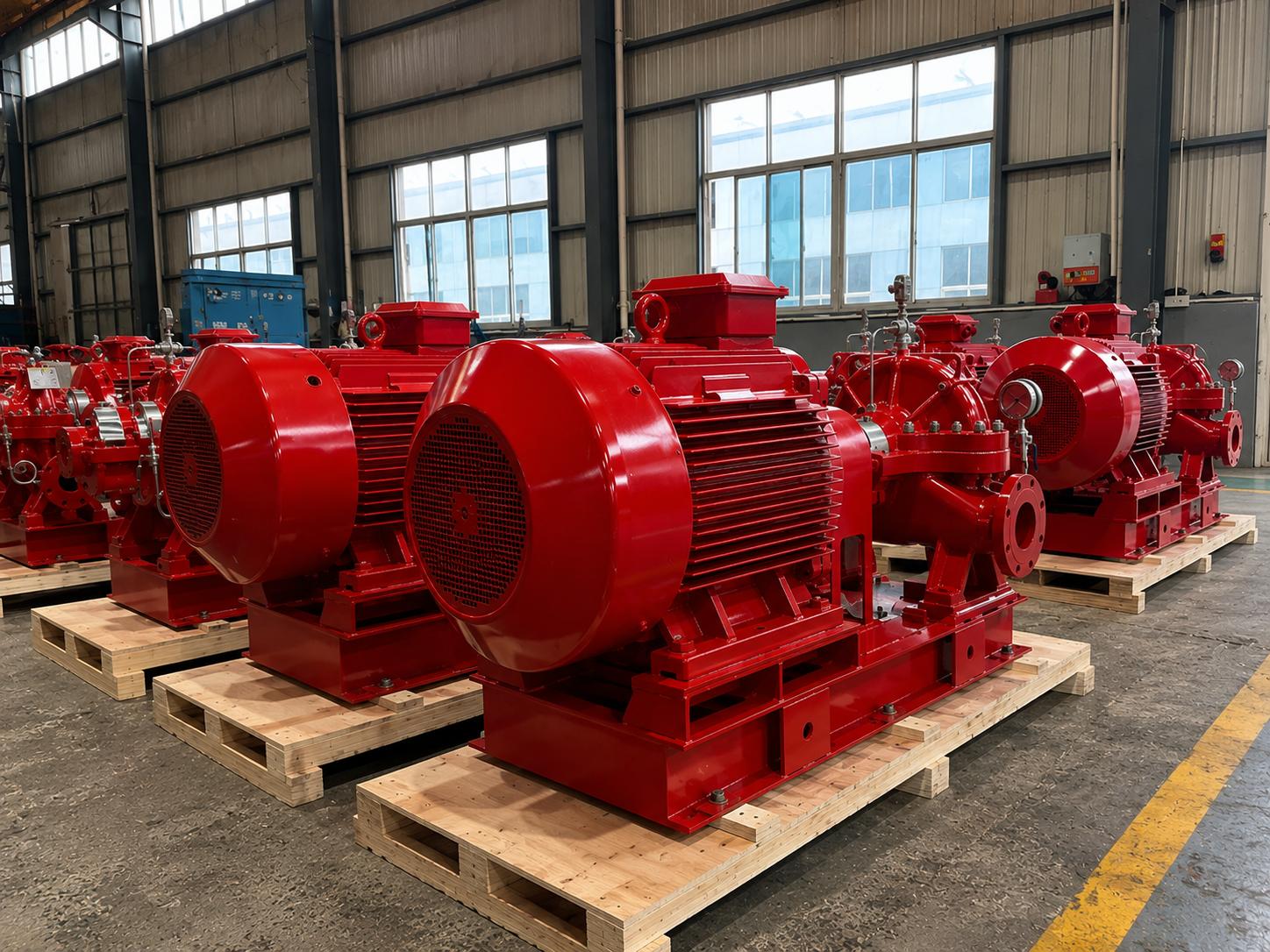
Automatic Dosing Types: Gas and Electromechanical
Single-point lubricators fall into two main groups by how they push grease. To choose correctly you need to know the motor operating temperature, the grease quantity and the ambient conditions.
Gas (Chemical/Electrochemical) Driven Lubricators
In this type a cell inside the device produces gas through a chemical reaction; the resulting pressure pushes the piston and sends grease to the bearing. The discharge period (1, 3, 6 or 12 months) is set with an adjustment screw or activator. It is simple, battery-free and economical, and ideal for single-motor, medium-temperature pump-fan applications. Its drawback is that gas generation is affected by ambient temperature: in very cold or very hot environments the discharge rate drifts. For this reason, on outdoor sites with large seasonal temperature swings, the discharge-period deviation must be taken into account.
Electromechanical (Motorised/Battery) Lubricators
Here a small electric motor or electromechanical piston pushes the grease. The discharge period is set electronically and is almost independent of temperature. Because it can generate higher pressure, it stays reliable through long grease channels and even at low temperature. It suits multi-point systems and critical processes. Its initial cost is higher than the gas type, but its accuracy and repeatability are better. Some models use an LED indicator and a fault signal to tell the maintenance team that lubrication has stopped; on critical fan and pump motors this early warning prevents downtime.
Dose and Lubrication Interval Table
The table below shows approximate grease dose and automatic lubricator settings for common frame sizes on continuous-duty (S1) pump-fan motors. Values are typical starting points for 25°C ambient, 1500 rpm and standard tight-clearance bearings; the exact value is set from the motor nameplate and bearing number.
| Frame | Typical bearing (DE) | Monthly grease (g/month) | Recommended discharge | Lubricator volume |
|---|---|---|---|---|
| 132 | 6309 | ~3-5 g | 6-12 months | 60-120 cc |
| 160 | 6309 / 6311 | ~5-7 g | 4-12 months | 120 cc |
| 180 | 6311 | ~7-9 g | 3-6 months | 120-250 cc |
| 200 | 6312 / 6313 | ~9-12 g | 3-6 months | 250 cc |
| 225 | 6313 / 6315 | ~12-16 g | 2-4 months | 250 cc |
| 250 | 6315 / 6317 | ~16-22 g | 2-4 months | 250-500 cc |
Practical rule: as bearing outer diameter increases the monthly grease need rises, so a lubricator of the same volume empties sooner. On high-speed 2-pole (3000 rpm) motors these intervals roughly halve; on low-speed 6-8 pole motors they extend. It is sound to evaluate the speed-pole relationship together with the power-speed logic in our centrifugal and axial fan motor selection article.
Three Variables to Watch in Dose Calculation
For the correct automatic lubricator setting, three variables must be considered together. Skipping any one of them either leaves the bearing dry or overheats it with excess grease.
- Bearing size (dm): As the bearing mean diameter rises, the relubrication amount and therefore monthly consumption increase.
- Speed (n): High speed both shortens the lubrication interval and requires a lower-viscosity base oil.
- Operating temperature: Every 15°C rise roughly halves grease life; in hot environments the interval must be shortened.
To read these three variables correctly the motor nameplate and bearing number are essential. On nameplate reading and pre-order verification, our incoming and acceptance inspection article offers a good checklist before you settle the lubrication plan.
Grease Type Selection and Compatibility with the Lubricator
The grease delivered by the automatic lubricator must be compatible with the grease already in the motor bearing. Mixing greases with different soap bases (lithium, lithium complex, polyurea) can break down the consistency and destroy the lubricating property. For continuous-duty pump-fan motors an NLGI 2 grade, lithium complex or polyurea based, high-temperature grease is generally preferred.
- NLGI consistency: Most single-point lubricators run NLGI 2; at very low temperature NLGI 1 may be preferred.
- Base oil viscosity: Low viscosity at high speed, high viscosity at low speed and high load.
- Temperature class: Hot applications such as ID flue-gas fans require a high dropping-point grease.
- Water resistance: Wet environments such as cooling towers and outdoor fans need water-washout resistant grease.
The nameplate and thermal protection should be considered together; for plants that want to monitor bearing temperature, temperature monitoring with PT100 and PTC thermistors pairs very well with automatic lubrication. As important as grease choice is the correct bearing; under heavy radial loads the shaft radial and axial load limit must always be checked.
The Value of an Automatic Lubricator in Hard-to-Reach Installations
On fan and exhaust motors mounted on roofs, inside ducts or on high platforms, reaching the grease nipple is both time-consuming and a safety task. The automatic lubricator is mounted once on these motors; with an extension hose it can be brought to an accessible point and needs no service for months. This both reduces planned downtime and prevents the unexpected bearing failures caused by skipped greasing. On continuous-duty vacuum pump and blower motors it is useful to weigh this reliability against the non-stop requirement we describe in our continuous-duty vacuum pump and blower motors article.
Another important use case is large-impeller, high-inertia fans. On such fans both the start takes a long time and the bearing constantly works under high radial load, so lubrication discipline reflects directly on bearing life. We covered the start and heating behaviour of large-impeller fans in our inertia (GD2/WR2) and starting article; the automatic lubricator is a complementary measure that protects the bearing in these applications.
Automatic Lubricator Mounting and Commissioning Tips
To get the full benefit of an automatic lubricator, mounting must be done correctly. Wrong mounting renders even the most expensive lubricator useless.
- Purge old grease: Before mounting, clean the old and hardened grease from the channel to clear the path for the new grease.
- Correct connection: Connect the lubricator directly to the nipple or with a suitable fitting/hose, leaving no air gap.
- Initial dose: At first commissioning, manually pre-grease to fill about two-thirds of the bearing cavity.
- Label it: Write the installation date and discharge period on the device so the change time is not missed.
- First checks: In the first week after commissioning, observe bearing temperature and grease output.
These simple steps directly improve the return on the single-point lubricator investment. When correct mounting and correct dosing come together, the bearing of your continuous-duty pump-fan motor serves trouble-free for years.
Frequently Asked Questions
Does an automatic lubricator fully replace manual greasing?
In most continuous-duty pump-fan applications the automatic lubricator replaces routine manual greasing. However, it must be changed when empty, and bearing temperature and grease condition should be checked during periodic inspections. So manual intervention is not eliminated, only its frequency and risk are greatly reduced.
Should I choose a gas or an electromechanical lubricator?
If you have a single motor, stable medium temperature and want an economical solution, the gas type is enough. For multi-point systems, low temperature, long grease channels or critical processes, the electromechanical type is more reliable because its dose is temperature-independent and repeatable.
Can the wrong dose still happen with an automatic lubricator?
Yes, if the lubricator is set to the wrong discharge period it can deliver too much or too little grease. That is why the correct interval must be selected from frame, bearing number, speed and temperature. At HEM Motor we set the lubricator dose together based on the motor nameplate and bearing, removing this risk.
To extend bearing life, reduce unplanned downtime and guarantee lubrication in hard-to-reach installations on your continuous-duty pump and fan motors, selecting the right single-point automatic lubricator is critical. As HEM Motor we supply the lubricator solution matched to frame, bearing type and duty profile from stock with fast delivery and a correct dose recommendation. Request a quote for the lubricator and grease type best suited to your application; with manufacturer stock advantage and rapid delivery, we are at your side.