English
 Türkçe

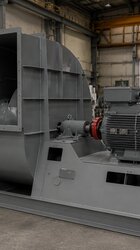
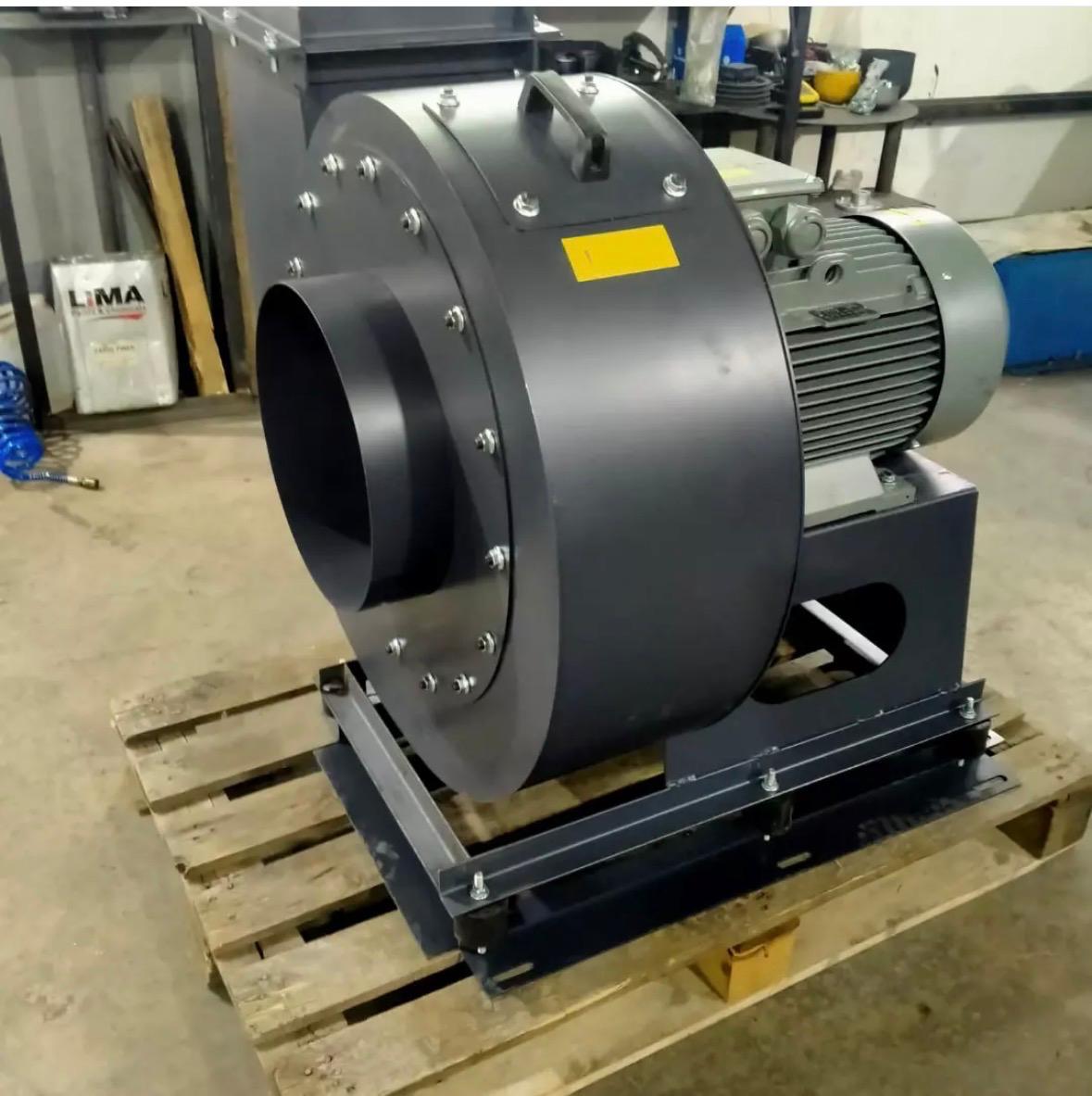

Aquaculture and fish farm operations must continuously control the dissolved oxygen and circulation in the water, because the live biomass in a pond or cage reacts very quickly even to a short drop in oxygen level. At the heart of this work are paddle wheel aerators running day and night, diffuser (bubble) aeration blowers, water circulation pumps and submersible pumps. What all of this equipment has in common is the electric motors that turn endlessly in a constantly humid, often salty and corrosive environment. This article is written for facility owners, operations engineers and aquaculture equipment builders who farm trout, sea bream, sea bass, salmon or shrimp. It summarises which speed and power each application needs, how paddle wheel and diffuser aerator motors differ, and why IP68 and corrosion protection are not negotiable in circulation and submersible pump motors, all within a framework of from-stock delivery and fast quoting that clarifies the purchasing decision.
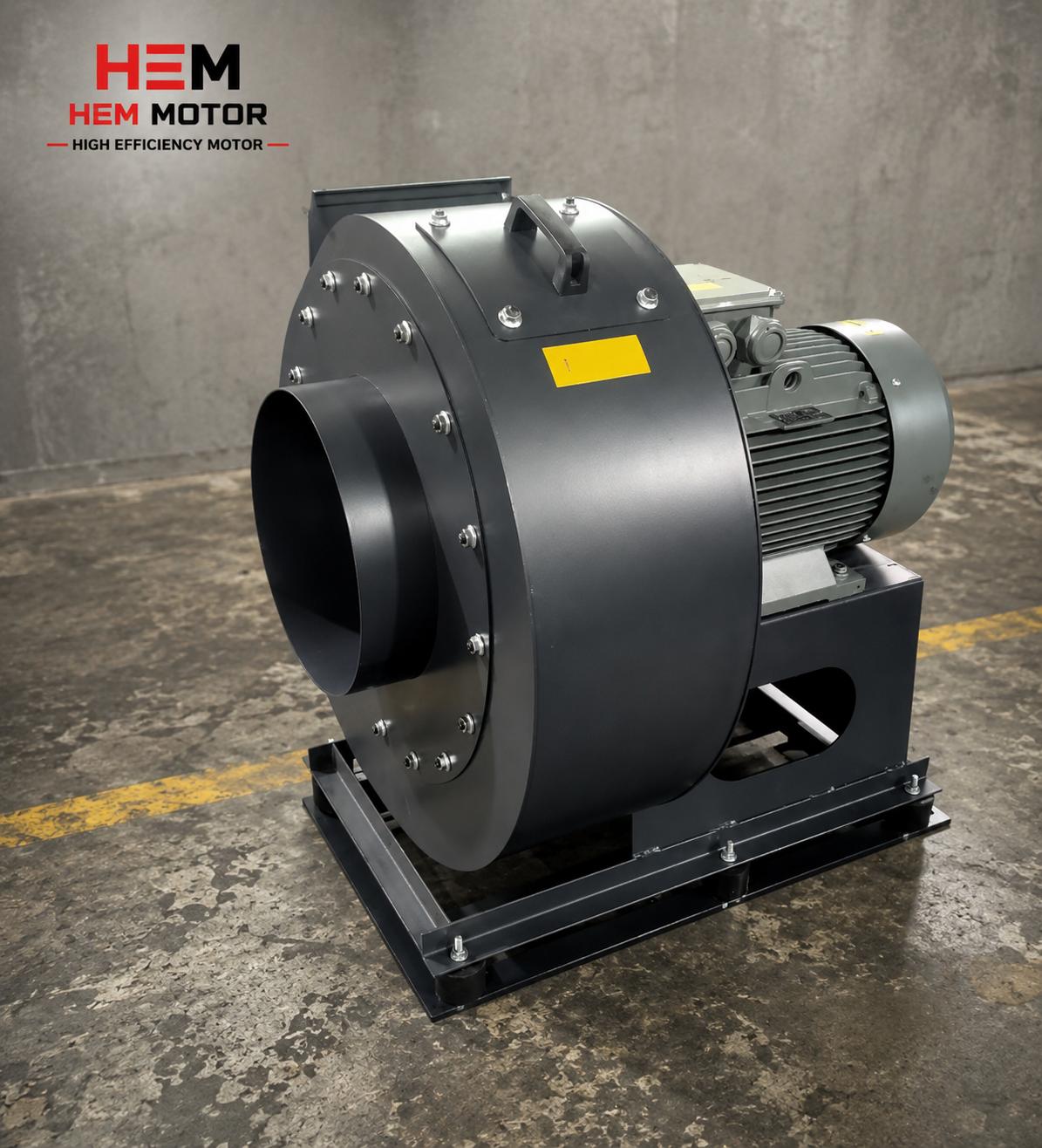
Why Aquaculture Motors Are Supplied Differently From Standard Motors
On a fish farm, what determines motor life is not the rated power but corrosion and moisture management. An aerator motor working near the water surface is constantly under splashing water and mist, while a submersible pump motor turns fully immersed in water. A standard dry-environment motor develops surface rust, terminal oxidation and a drop in winding insulation within months under these conditions. That is why an aquaculture motor must be specified not only by kW and speed but together with its IP protection class, corrosion category, body and shaft material and sealing package. A correctly specified motor runs trouble-free for years in a saltwater pond, while an under-specified one can fail in the first season and cause serious fish loss due to falling oxygen.
Aquaculture equipment is a special branch of general pump and fan supply. Knowing the logic of the related water-side applications therefore makes your motor selection easier; our submersible drainage and sewage pump motor selection article explains sealing logic for immersed motors, while our centrifugal pump motor selection article covers matching flow and head to power in detail.
Dissolved Oxygen, Biomass and Continuous Duty (S1)
In aquaculture, oxygen directly affects feed conversion and growth rate; at high stocking density, aerators run 24 hours a day. Aquaculture motors are therefore selected for continuous duty (S1 duty type); intermittent-duty motors are not suitable for this application. A motor that heats up under continuous load must be supplied with F-class insulation and correct cooling. Our electric motor duty type (S1-S6) selection article, which covers the role of duty type in the purchasing decision, is a good starting point for continuously running aquaculture equipment.
IP68, IP65 and Corrosion Categories
Paddle wheel aerator motors working at the water surface require at least IP65 (jet water protection), while submersible pump and submersible aerator motors that are fully immersed require IP68 (continuous underwater operation). In saltwater (seawater) facilities a C5-M marine corrosion protection class, stainless shaft and stainless fasteners are also requested. Our IP protection class selection (IP55, IP65, IP66) guide, which explains step by step how to choose the IP class by application, and our seawater and saltwater pump motors article are resources you should keep at hand when writing a specification.
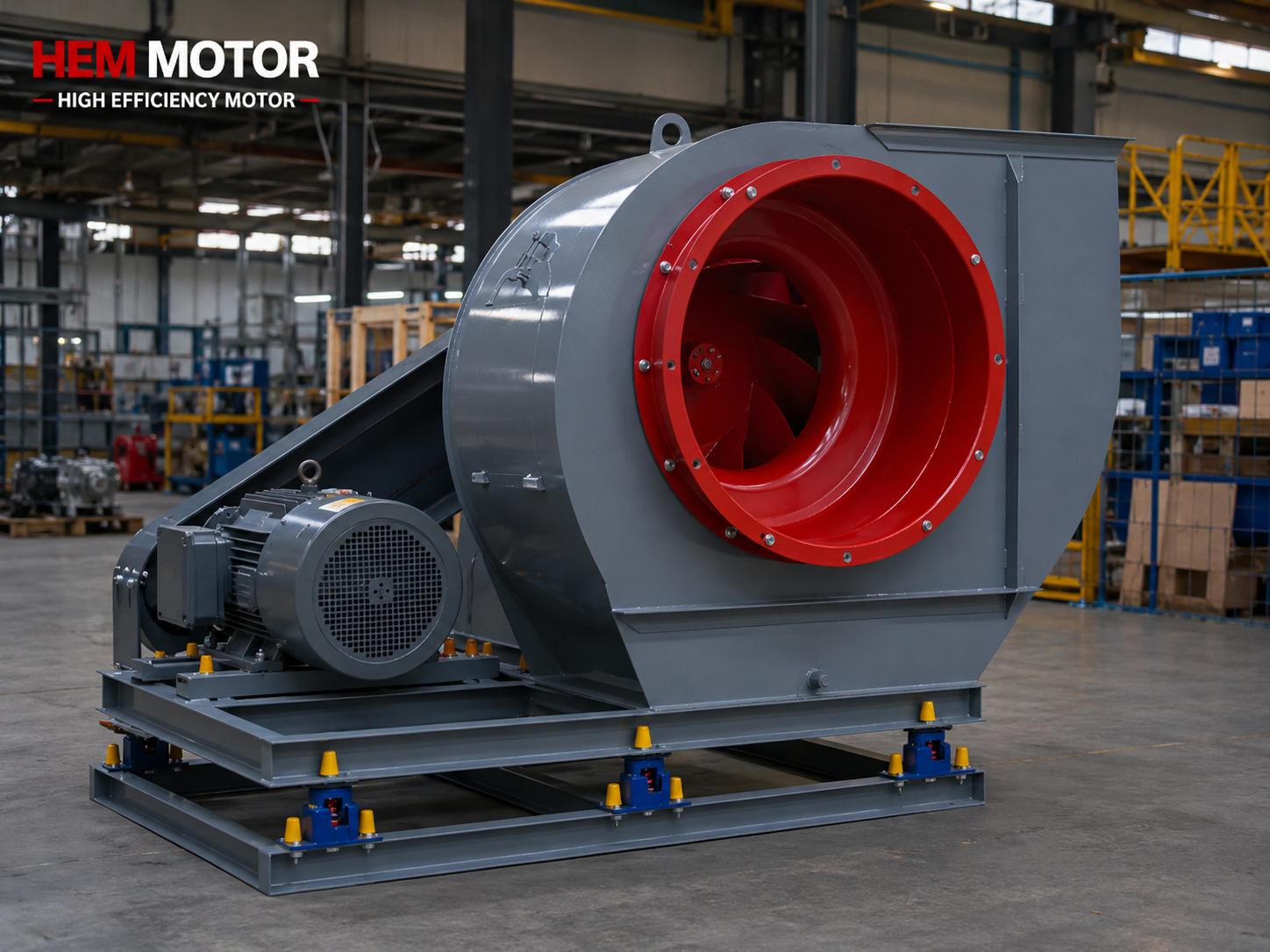
Motor Selection by Aerator Type: Paddle Wheel, Diffuser and Submersible
Aeration in aquaculture is done by three main methods, and each calls for a different motor profile. To choose the right motor you must first clarify the aerator type.
Paddle Wheel Aerator Motors
Paddle wheel aerators mix air into the water with blades that beat the surface and also create surface circulation. In this application, 4-pole (1500 rpm) motors or motors with a reduced low output speed through a gearbox are usually preferred, because the paddle speed is relatively low and demands high torque. The powers mostly concentrate between 0.75 kW and 4 kW. To reduce the paddle shaft speed, a worm gear reducer or a helical worm gear reducer is often used; our geared motor purchasing article, which explains output speed and torque selection in a gearbox-motor combination, is a guide at this point.
Diffuser (Bubble) Aeration Blower Motors
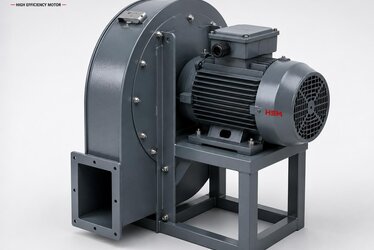
In diffuser systems, fine bubbles are sent through membranes laid on the pond floor; the equipment pushing the air is a blower (side channel fan or roots blower) standing on dry land at the shore and the motor that turns it. Here the motor does not contact the water directly, so IP55 may be sufficient, but F-class insulation and good corrosion protection are still recommended for the humid and salty coastal air. Blower motors are mostly selected as 2-pole (3000 rpm) or 4-pole; sealing and quiet operation under continuous load become important. Our vacuum pump and industrial blower motors article complements continuously running blower applications.
Submersible Aerator and Water Circulation Pump Motors
Some facilities use submersible circulation pumps or submersible aerators that turn the water inside the pond, both oxygenating it and preventing sediment build-up at the bottom. Because these motors work fully underwater, IP68 and special sealing (double mechanical seal, watertight cable entry) are mandatory. In cage facilities and large ponds, water circulation is critical for homogeneous oxygen distribution. Our in-line and circulation pump motor selection article, which details sealing logic in immersed pump motors, and our deep well pump motor selection guide are useful resources for correct supply in submersible applications.
Saltwater and Corrosion: The Right Material in Sea Cages
In sea cages and saltwater ponds, the most important factor determining motor life is material selection. Salty humidity penetrates through the smallest pore in the paint film and starts galvanic corrosion under the casting. For sea facility motors, therefore, the combination of a cast iron body + C5-M marine coating + cataphoresis primer + stainless shaft is the most balanced solution. Aluminium bodies degrade quickly in salty environments and are generally not recommended for coastal applications. Our cast iron or aluminium body comparison, which weighs the body material against environmental conditions, and our cast iron motor in marine and coastal facilities article are good resources to clarify this decision.
Terminal Box, Cable Entry and Moisture Management
In a salty and humid environment, the most common failure point is the terminal box. A poorly sealing cable gland draws moisture inside and gradually lowers the winding insulation. That is why an IP65/IP68 terminal box, a double-gasketed cover, stainless bolts and a suitable metric gland should be requested on an aquaculture motor. In motors that run intermittently or are stored out of season, condensation inside the body is inevitable; drain plugs and an anti-condensation heater prevent condensed water from accumulating. Our electric motor storage and long-term standstill article, which covers moisture and bearing management in motors kept for a long time, complements this topic.
Spare Motor and Emergency Replacement Plan
In aquaculture, a stopped aerator or circulation pump can cause falling oxygen and mass fish loss within a few hours. That is why keeping a spare motor stock in critical aerator powers should be thought of like an insurance premium. Determining in advance the aerator and pump motor powers you use most and keeping them in stock saves hours during a night-time failure. Our critical spare motor list article offers a practical framework for planning which powers to keep in reserve.
Power, Speed and Efficiency: Lowering the Energy Cost
Because aerators and circulation pumps run all day, these motors make up most of an aquaculture facility's electricity bill. A high-efficiency motor therefore pays for itself within a few seasons. IE3 and IE4 efficiency class motors do the same work with less energy and provide clear savings in continuously running aquaculture equipment. Our IE4 threshold in pumps, fans and compressors article explains in which application an IE4 motor is justified. When choosing the right power-speed combination, buying an oversized motor is also wrong, because a motor running at low load loses efficiency. Our motor power calculation article, which explains the required kW for pumps, fans and similar loads step by step, helps with correct sizing.
Speed selection also depends on the application: paddle wheel aerators call for low-speed, high-torque solutions, while blower applications mostly run with 2- or 4-pole motors. Our asynchronous motor pole selection guide is a good resource to clarify the effect of pole count on speed and supply. Supplying all aerator, blower and pump motors at your facility from a single source, with the correct IP and corrosion package, makes both stock management and service continuity easier.
Frequently Asked Questions
Which IP protection class is needed in a fish farm aerator motor?
For paddle wheel aerator motors working at the water surface, at least IP65 (jet water) is recommended; for submersible aerator and circulation pump motors that are fully immersed, IP68 (continuous underwater operation) is mandatory. In diffuser systems the motor stands on dry land at the shore, so IP55 may be sufficient, but strong corrosion protection is still expected for salty coastal air. Clarifying the right class according to the application's water contact is the first thing to do at the quotation stage.
Should I choose a 2-pole or 4-pole motor for a paddle wheel aerator?
Paddle wheel aerators require low paddle speed and high torque, so a 4-pole (1500 rpm) motor or an output speed reduced through a gearbox is usually preferred. 2-pole (3000 rpm) motors are used more in diffuser blower applications. The required paddle shaft speed is determined together with the gear ratio and torque; sharing your paddle dimension and required speed is the safest way to select the right combination.
Can I use an aluminium body motor in a saltwater facility?
In saltwater and sea cage applications, an aluminium body is generally not recommended, because salty humidity causes rapid corrosion in aluminium. In these environments, a cast iron body + C5-M marine coating + stainless shaft combination provides a much longer life. In enclosed, well-ventilated locations far from the shore, lighter solutions may be considered; for the final decision it is best to request a quote by sharing your environmental conditions.
Get a Quote
For your aquaculture and fish farm facilities, we supply paddle wheel aerator, diffuser blower, water circulation and submersible pump motors with the correct IP protection and corrosion package, from stock and with fast delivery. Share your application, water type (fresh/salt) and nameplate data and let us offer a price with the most suitable solution. Reach us now via our contact page or request a quote on +90 (532) 345 49 86.