English
 Türkçe

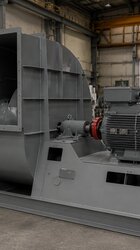
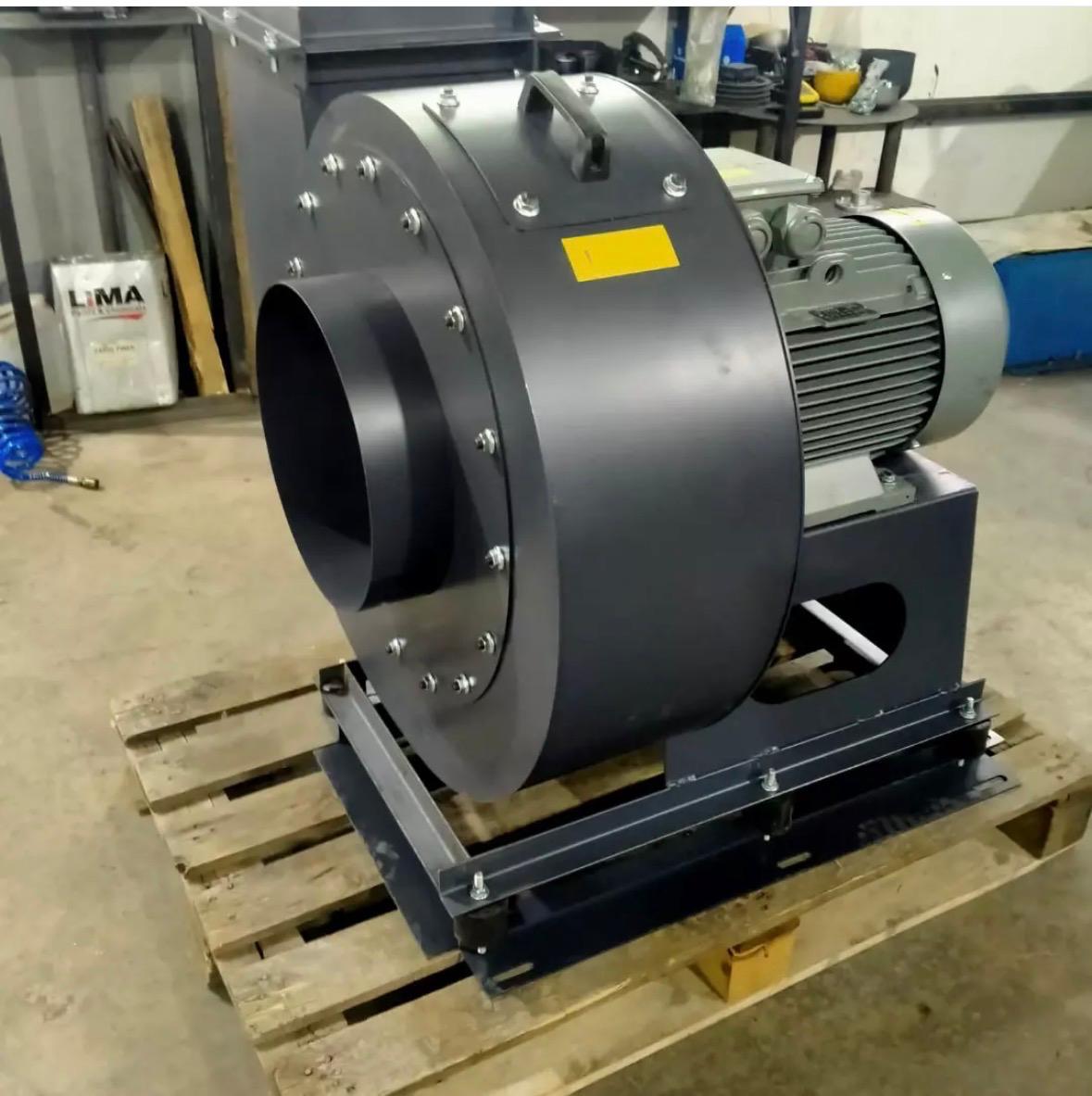

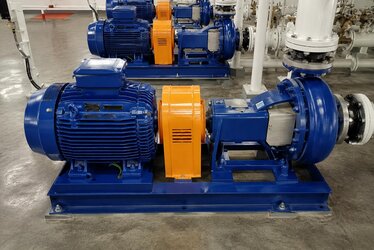
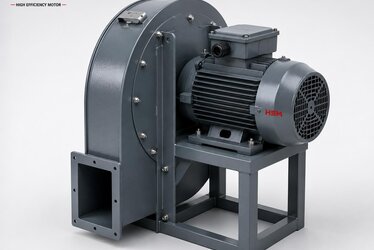
If the aeration blower in your wastewater plant, the vacuum pump in your packaging machine or the side channel blower motor on your food line runs 24 hours a day, seven days a week without stopping, even a small mistake in motor selection turns into serious energy and downtime cost. In such applications the motor works not in short bursts but in continuous (S1) duty; if heat balance, sealing and bearing life are not set up correctly from the start, the motor fatigues early. At HEM Motor, we have gathered the decisions on continuous duty, sealing and protection class for the IE3 and IE4 motors we ship from stock for vacuum pump and industrial blower applications into a single buyer's guide. The goal is to help you choose the motor that fits your system perfectly and runs for years without failure, right the first time.
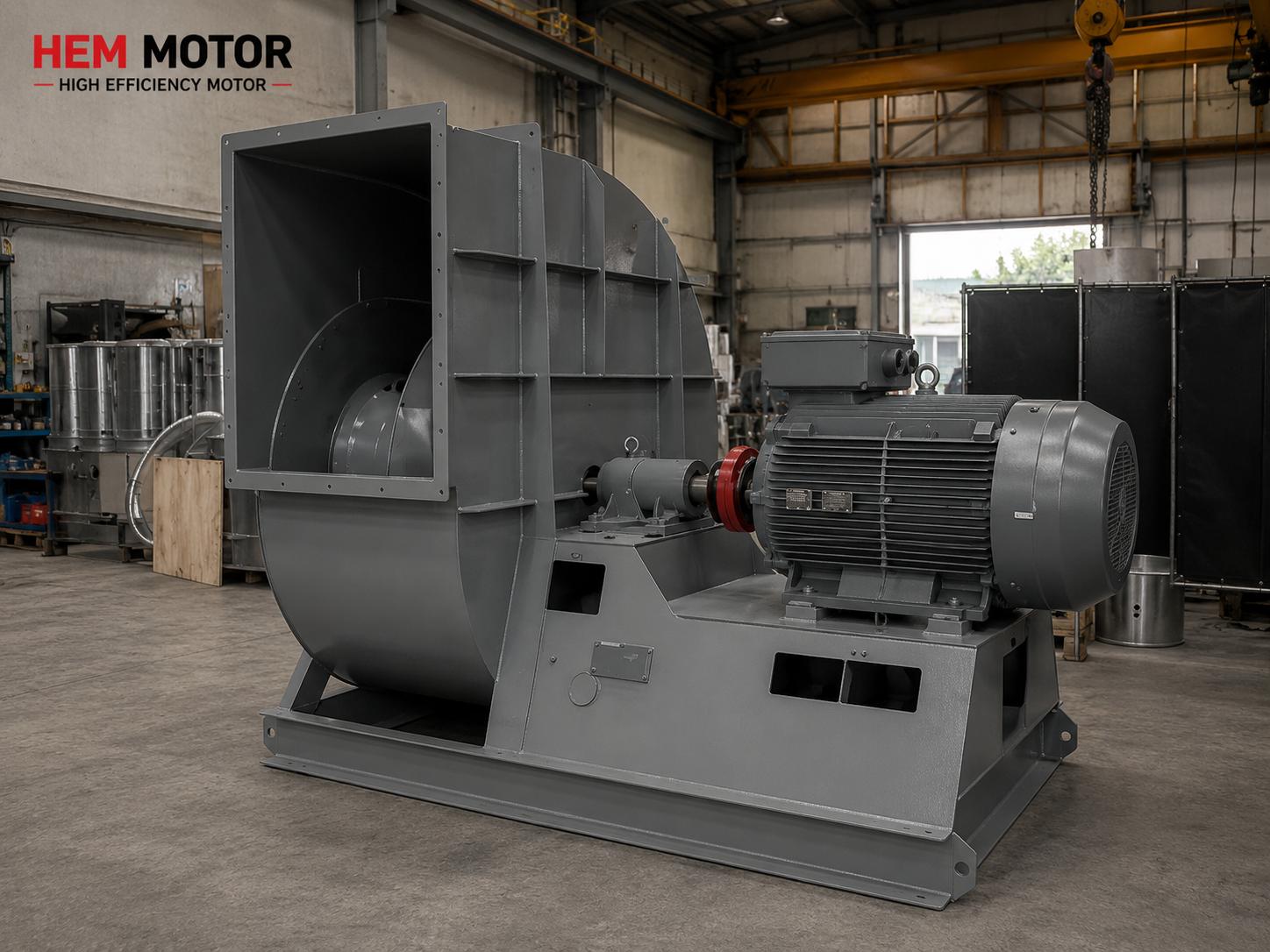
What Is Different in a Vacuum Pump and Blower Motor?
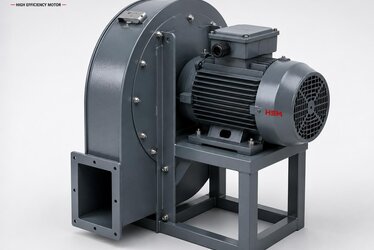
Vacuum pumps and industrial blowers are applications where air or gas is continuously moved. Side channel blowers produce a high-flow, low-pressure air stream with an impeller spinning at high speed, coupled directly to the motor shaft; this directly stresses the bearing and sealing side of the motor. In vacuum pumps the motor usually runs continuously under load on the suction side and takes on a duty that is not expected to stop. In both cases the common point is the same: the motor runs not intermittently but continuously.
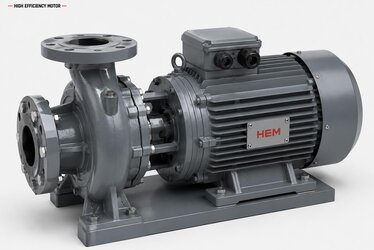
For this reason the correct duty type in these applications is the S1 continuous duty class. Our motors for pump and blower applications are offered with IP55 protection, class F insulation and a cast iron body across a 0.55 kW to 355 kW power range; they have a low-vibration, 100% copper-wound structure suited to continuous duty. The motor's connection type is also chosen by application: a flanged (B5/B14) body is ideal for direct coupling to the pump or blower housing. You can review the difference between connection types on our electric motor mounting types page.
The Load Profile of a Side Channel Blower Motor
Side channel blowers mostly run at 3000 rpm (2-pole) high speed; this is an advantage for cooling and a point of attention for sealing. At high speed the fan produces plenty of airflow, but the bearing and seal are exposed to more rotation cycles. For this reason bearing selection and lubrication in a blower motor must be handled more carefully than in a standard general-purpose motor. The current the motor draws is directly related to the pressure the blower produces; in system design the motor's rated power must be chosen to safely carry the load at the highest pressure point. For the right power calculation, our motor power calculation for pumps, fans and conveyors article offers a practical method.
Continuous Duty (S1) and Heat Balance
The greatest enemy of a continuously running motor is heat. The S1 duty type means the motor runs continuously at rated load and settles at a stable temperature. This balance is only achieved when the motor is sized correctly and the cooling surface is kept clean. When a motor sized for intermittent duty is run at continuous load, the winding temperature exceeds its stable point and the insulation ages quickly. For this reason it often makes sense in vacuum and blower applications to choose a motor one step larger or one with a high service factor margin.
In these applications where temperature is critical, tracking winding temperature by measurement provides early warning. We covered PT100 and PTC thermistor solutions in our motor winding temperature monitoring article. How the motor is cooled also determines the heat balance; we compared the difference between surface-cooled (IC411) and internally ventilated (IC416) solutions in our electric motor cooling methods article. For correct sizing by load, our motor load ratio and correct sizing content is also a guide.
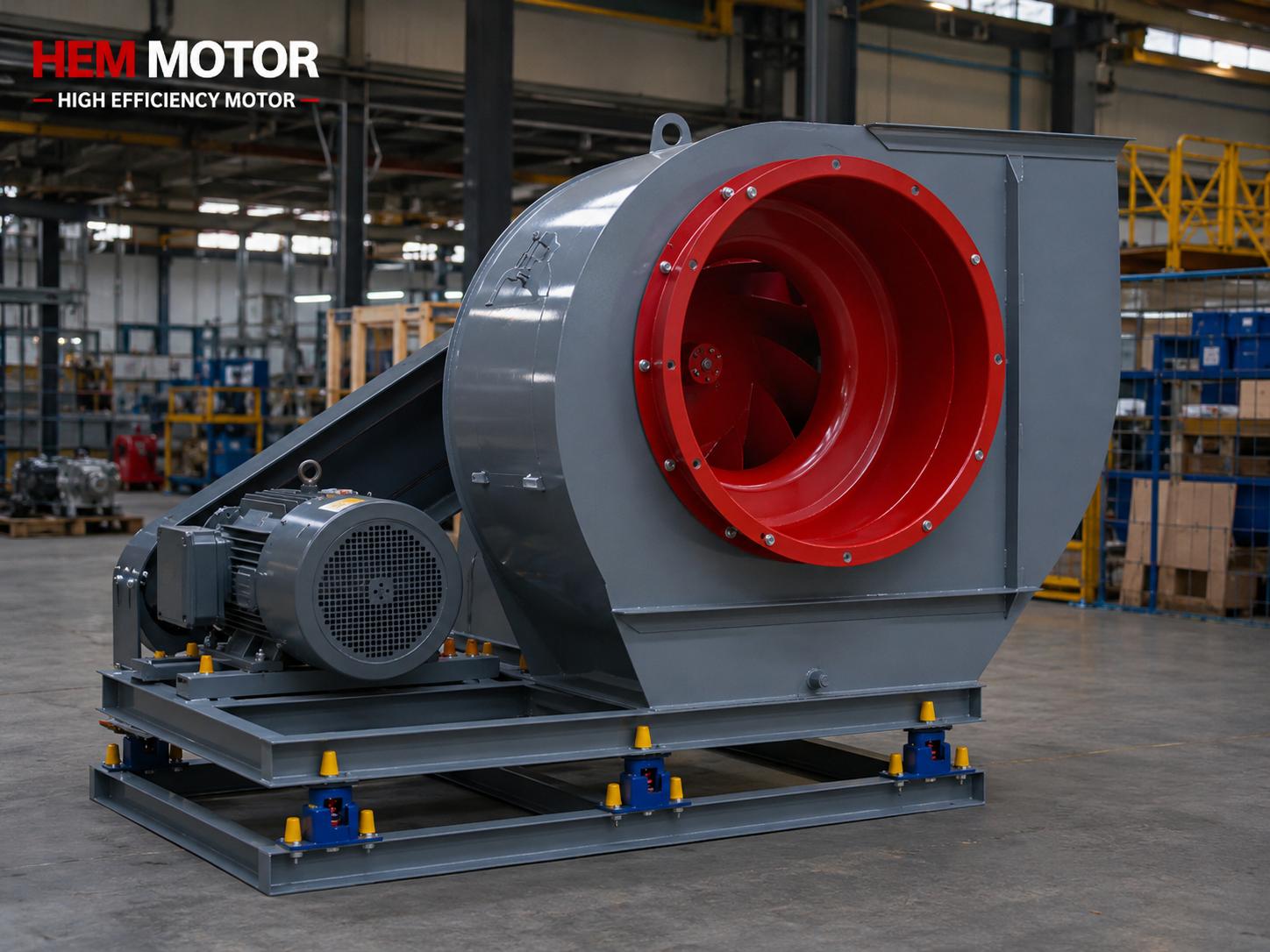
Service Factor and Overload Margin
In continuously running applications, the service factor (SF) shows how safely the motor can handle short-term loads above its rated power. A motor with a high service factor is more tolerant of pressure fluctuations or temporary blockages. On this subject, our service factor and overload capacity article supports your purchasing decision. The right pole and speed choice should also be made by load profile; our 2, 4, 6 pole selection article explains which speed suits which job.
Sealing, Oil Seal and IP Protection
One of the most critical issues a motor faces in vacuum and blower applications is sealing. The oil seal at the shaft end prevents both the grease inside the motor from leaking out and dust and moisture from entering from outside. In motors that run continuously and heat up and cool down often, the quality of the seal and its correct installation directly determine bearing life. For protecting the sealing in a dusty, damp environment, our cast iron motor oil seal and sealing article is a detailed resource.
The IP protection class determines the motor's resistance to dust and water. While IP55 is sufficient for standard industrial applications, a higher protection class may be requested on food, beverage and wastewater lines where splashing or washing is intense. We examined which protection is needed in which environment in our IP protection class selection article. On food lines, hygiene and protection must be assessed together; our food factory electric motors article is complementary here.
Bearing, Lubrication and Vibration
In a continuously running blower or vacuum pump motor, the bearing is the most critical mechanical part determining life. In a motor running at high speed without interruption, the bearing must work with a continuous lubrication film; when this film thins, metal-to-metal contact begins and the bearing fatigues quickly. For this reason, quality bearings and the right grease choice are more important in blower applications than in a standard one. In large, continuously running motors, a re-greasable (with grease nipple) bearing arrangement allows lubrication to be renewed at maintenance intervals and extends bearing life.
Vibration is both a symptom and a cause of failure in continuously running motors. An unbalanced impeller, a loosening connection or a worn bearing increases vibration; increased vibration in turn wears the seal, bearing and winding, growing the problem. For this reason, choosing a low-vibration, balanced motor is a direct life gain in continuous-duty applications. For motor selection that minimizes noise and vibration, our noise and vibration in electric motors article supports your purchasing decision. On bearing type and life, our asynchronous motor bearing type and life content is also complementary.
Flow Control with a Variable Frequency Drive (VFD)
In many blower and vacuum applications, the flow or pressure changes with the needs of the process. Reducing flow by throttling a fixed-speed motor wastes energy, because the motor keeps drawing nearly full power. Using a variable frequency drive (VFD) to adjust the motor speed to the process need provides serious energy savings, especially in pump and fan applications. However, a motor running on a VFD must have the insulation and structure to handle it. For VFD selection and motor compatibility, our variable frequency drive with asynchronous motor article guides you; for the saving in a high-efficiency motor and VFD combination, our high efficiency motor and variable frequency drive content makes the gain in pumps and fans concrete.
Application Areas: Food, Packaging and Wastewater
Vacuum pump and blower motors are used across a very wide range of sectors. On food and beverage lines, vacuum is produced for filling, transport and packaging; these lines demand hygiene and continuous duty together. In packaging machines, vacuum is used to hold the product and wrap it with film; here the motor not stopping directly affects production speed. For motor selection in packaging machines, our electric motor selection in paper and packaging factories article guides you on load profile and torque.
In wastewater and water treatment plants, blowers blow air into biological treatment tanks to keep microorganisms alive; in this application the blower motor is the heart of the plant and its stopping directly affects the process. To assess blower, mixer and pump motors together in wastewater plants, our water treatment and wastewater plant motors article is a directly relevant resource. For dust collection and aspiration applications, see our aspirator and dust collection fan motor selection article.
Choosing the Right Motor from Stock
The right motor choice in a vacuum and blower application is made by assessing power, speed, connection type, protection class and efficiency class together. In these continuously running applications the efficiency class is especially important because it directly determines energy cost; in a motor running 24 hours a day, the difference between IE4 and IE3 turns into a serious saving when added up across the year. You can assess the IE3 and IE4 options on our IE4 electric motor and IE3 electric motor product pages, and review all efficient options in our high efficiency electric motors category.
When replacing the motor of an existing blower or vacuum pump, nameplate data is essential for the correct match; we explained the method of selecting a motor from its nameplate with a booster pump example, and the same logic applies to blowers. For general pump motor selection, our centrifugal pump motor selection article is also useful for flow and head matching.
Frequently Asked Questions
Which duty type is required for a continuously running blower?
Vacuum and blower applications that run continuously without stopping require an S1 continuous duty motor. An S1 motor is designed to run continuously at rated load and settle at a stable temperature. Running a motor sized for intermittent duty at continuous load pushes the winding temperature above its stable point and shortens insulation life.
Why is sealing so important in a blower motor?
Because the oil seal at the shaft end prevents both the grease from leaking out and dust and moisture from entering from outside. In a motor that runs continuously and heats up and cools down often, a weakened seal leads to contamination of the bearing grease and early bearing failure. Choosing the right seal and IP protection class directly extends the motor's life.
Which protection class is suitable for a wastewater plant blower?
In a standard enclosed environment, IP55 protection is sufficient for most applications. However, in wet areas and open tank edges where moisture, splashing or washing is intense, requesting a higher IP protection class is appropriate. We can determine the right protection class for you by assessing the environmental conditions together.
Get a Quote
Let us select the right motor suited to continuous duty for your vacuum pump, side channel blower or wastewater aeration system together, and define power, speed, connection and protection class to your need. Reach us through our contact page or call now: +90 (532) 345 49 86. At HEM Motor, we are by your side with fast quotes and delivery from stock.