English
 Türkçe

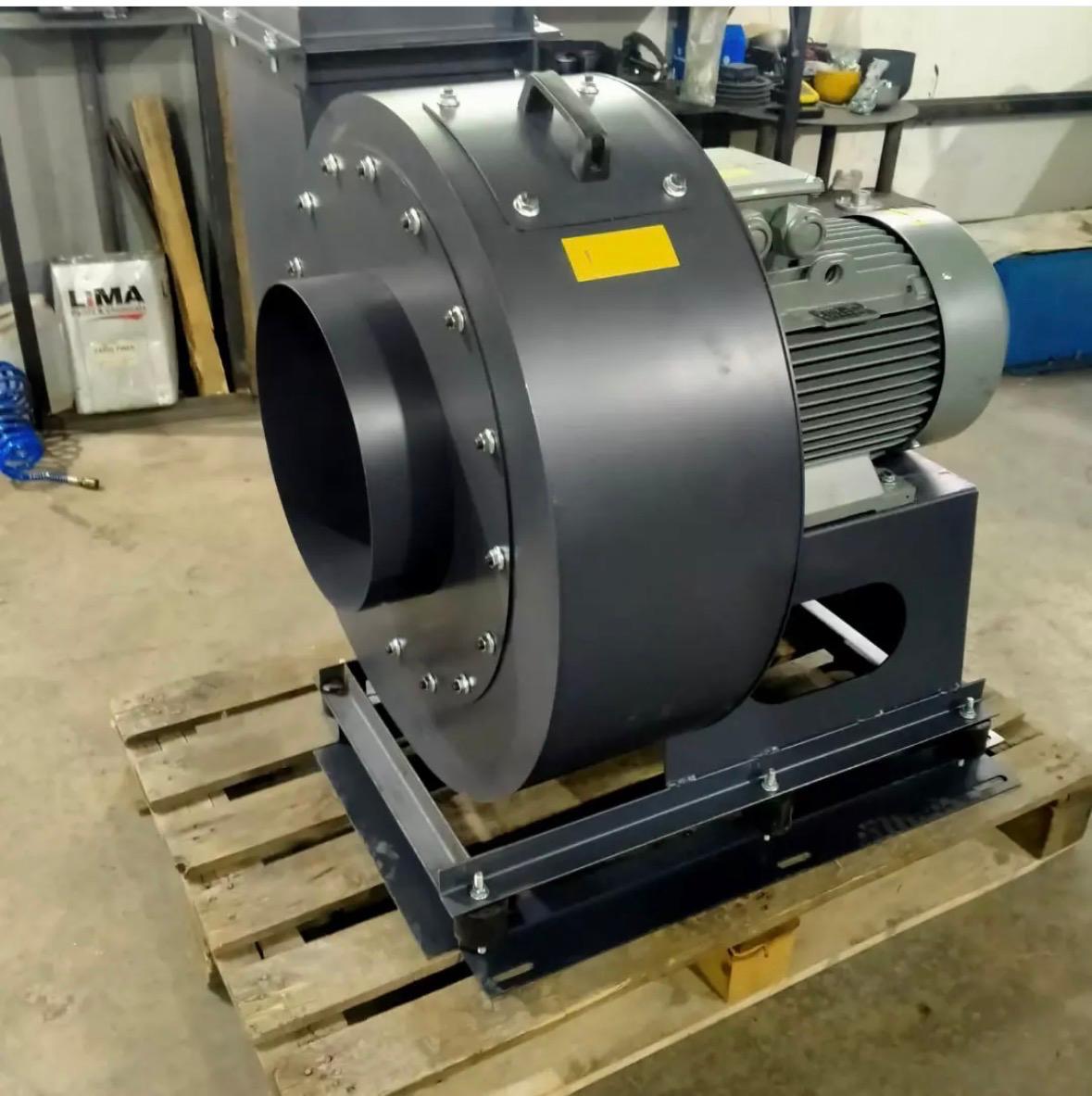

Submersible drainage and sewage pumps are special pumps that discharge liquids containing wastewater, sewage and solid particles, operating fully submerged in the liquid. In these applications, the motor literally works underwater; this makes it essential to correctly select watertightness, corrosion resistance and an impeller design capable of handling solid particles. From building basement drainage to treatment plant sewage discharge, from septic pits to rainwater collection sumps, each application demands a different pump-motor profile. As a facility manager, plumber or procurement officer, you know that a wrongly selected submersible motor can take on water and fail quickly, leading to flood risk. This page is prepared to help you reach the right supply decision in submersible drainage and sewage pump motor selection. For a fast quote, share your requirement details.
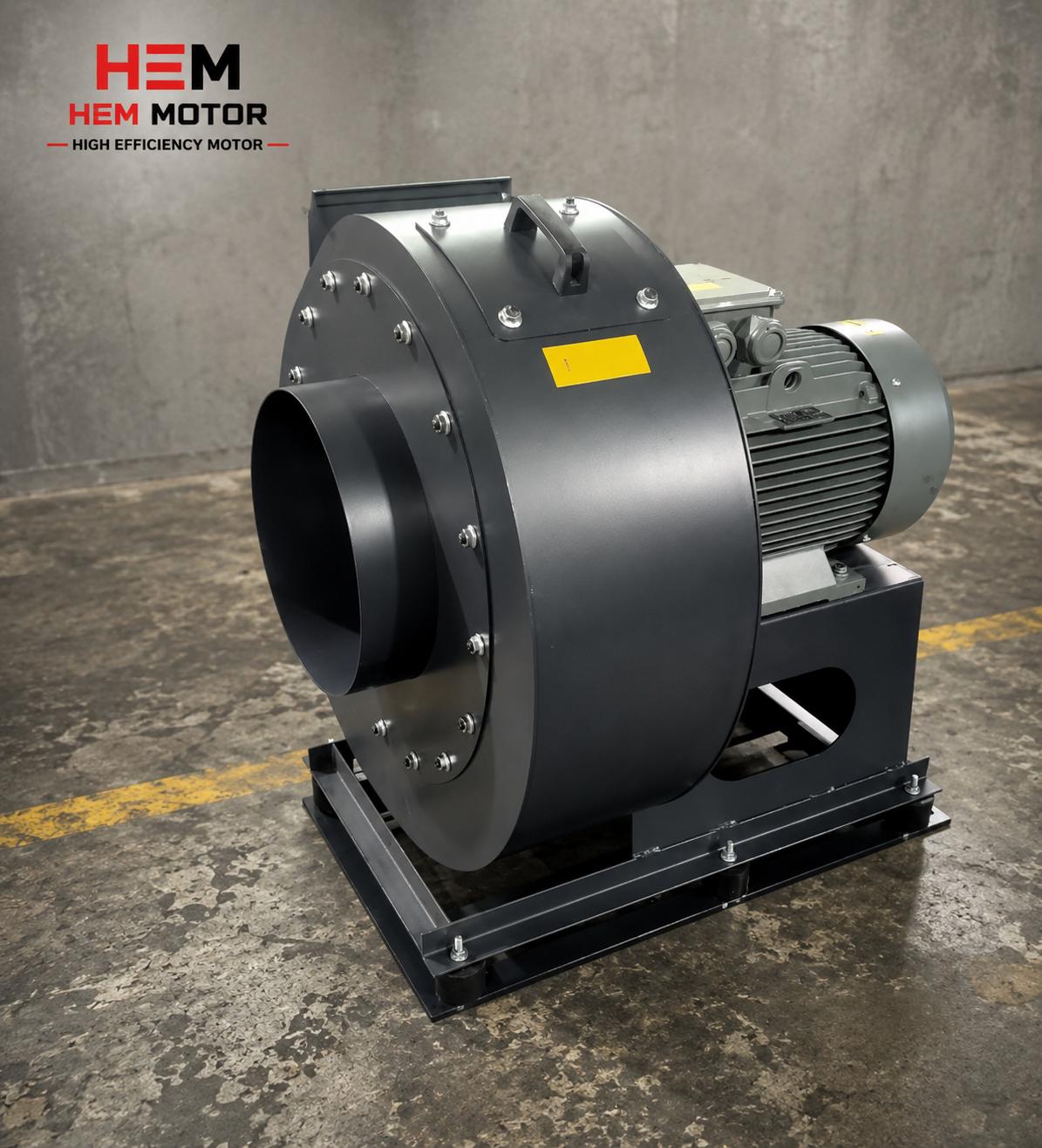
Fundamentals of Motor Selection in Submersible Drainage and Sewage Pumps
The fundamental axis of submersible pump motor selection is watertightness. Since the motor runs continuously underwater, it requires at least IP68 protection class; this protection level guarantees that the motor withstands being submerged at a certain depth and duration. The sealing of the shaft seals (mechanical seal) and the terminal connection directly determines the motor's service life. In sewage and septic applications, since the liquid is corrosive and abrasive, the motor body and impeller material must be selected as corrosion-resistant.
In these applications, special submersible motors are used, unlike standard surface motors; however, standard motor and protection principles also come into play in the supply of pump stations, control panels and spare pump motors. To clarify the logic of IP protection class selection, our IP protection class selection: IP55, IP65, IP66 article provides a useful foundation. To see the general supply of wastewater and treatment plant motors, our water treatment and wastewater plant motors article is a comprehensive resource.
Drainage, Sewage or Septic? Impeller Selection by Application
Submersible pumps are produced in different impeller types according to the nature of the discharged liquid. This distinction is the basis of the correct motor-pump combination.
Drainage Pumps
Drainage pumps discharge relatively clean or low-particle water (basement flooding, rainwater, seepage water). In these applications, a semi-open impeller that allows small particles is used and motor power is at a medium level. Drainage pumps are selected to suit automatic float operation; when the water level rises, the float activates the motor, and when the level drops, it stops it. Since this automatic operation means frequent stop-start, the motor must be suitable for this duty type.
Sewage and Septic Pumps
Sewage and septic pumps discharge liquid containing solid particles, fibers and organic waste. In these applications, vortex impellers or grinder impellers are used to prevent clogging. Since the grinder impeller discharges by grinding solid matter, the motor requires high torque and a robust structure. In septic applications, corrosion protection is critical due to the corrosive environment; our corrosion protection in cast iron motors article offers important tips on this.
Flow Rate, Head and Power Matching
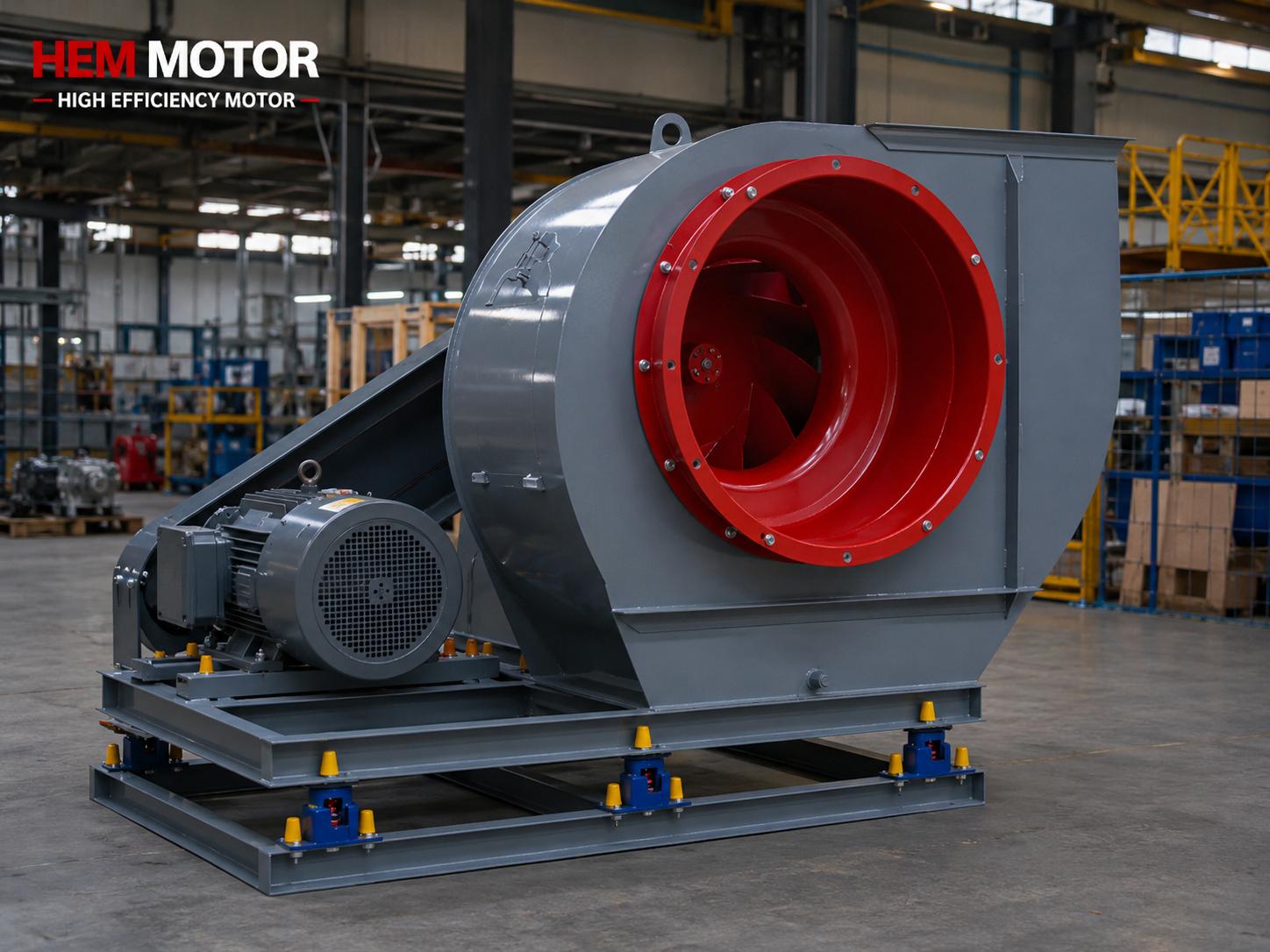
The power of a submersible pump motor is determined by the flow rate (m³/hour) to be discharged and the head (mWC). An underpowered motor strains the pump and causes overheating, while an oversized motor creates energy waste. For correct sizing, the pump's operating point must be clearly defined. For flow rate, head and power matching, our centrifugal pump motor selection: flow, head article explains the calculation logic in detail. For applications requiring depth and pressure, our deep well pump motor selection guide applies a similar calculation approach.
For pump motors, IE4 super premium electric motors provide energy savings in continuously running discharge systems, while for regulatory-compliant standard selection, IE3 efficient electric motors are also evaluated. To select a motor suitable for an existing pump from its nameplate, our booster motor replacement: selection from nameplate article shows the direct matching logic.
Automatic Float, Dual Pump and Protection
Reliability is critical in submersible drainage and sewage systems; if a pump fails, flood risk arises. Therefore, in important applications, dual-pump systems (one running, one spare) are installed and level control is performed with an automatic float or level sensor. In terms of motor protection, thermal protection and level control must be designed together against frequent stop-start and possible dry-run risk. For correct selection of motor protection equipment, our electric motor protection: thermal, relay and fuse article is a useful guide. For blower and pump applications requiring continuous operation and sealing, our vacuum pump and blower motors article is also a relevant resource.
Since the failure of a critical discharge pump motor can lead to flooding, keeping a spare motor in stock is a smart strategy; our critical spare motor list article provides guidance on this. For more pump and fan applications, visit our pump, fan and blower motors blog category and for the entire product range, the HEM Motor homepage.
Supply: A Fast Quote with the Right Information
For an accurate quote in submersible drainage and sewage pump motor supply, the type of application (drainage, sewage, septic), the nature of the liquid to be discharged (clean, particulate, solid-laden), the flow rate and head, the need for an automatic float, and the nameplate details of an existing pump (if any) are important. Sharing this information from the start increases both quote speed and accurate product matching. To see which information is needed before a quote, our information to provide when requesting a quote article is a useful checklist.
Frequently Asked Questions
Why is IP68 protection essential for a submersible pump motor?
Since the submersible pump motor runs continuously underwater, watertightness is the most critical requirement. IP68 protection class guarantees that the motor withstands being submerged at a certain depth and duration. In addition, the sealing of the shaft seals (mechanical seal) and the terminal connection also determines the motor's life. A motor with insufficient watertightness takes on water quickly, leading to insulation failure and winding burnout.
Which impeller type should be selected for a sewage and septic pump?
Since sewage and septic discharge liquid containing solid particles, fibers and organic waste, a vortex impeller that prevents clogging or a grinder impeller that grinds solid matter is selected. Since the grinder impeller requires high torque, the motor must be robust and of sufficient power. In drainage applications, a semi-open impeller is sufficient for cleaner water. If you tell us the nature of the liquid you will discharge, we will recommend the correct impeller and motor combination.
How does a submersible pump motor work with an automatic float?
The automatic float activates the motor when the water level rises and stops it when the level drops. This way, the pump runs only when needed and the dry-run risk is reduced. However, since this automatic operation means frequent stop-start, the motor must be selected to suit this duty type and designed together with thermal protection. In important applications, installing a dual-pump system (one running, one spare) reduces flood risk.
Get a Quote
Get pump motor supply support for your submersible drainage and septic pump applications, suited to watertight (IP68), corrosion-resistant and correct impeller type. Send your application type, flow-head details or existing pump nameplate via our contact page or call us at +90 (532) 345 49 86. Our expert team is with you for the right selection and fast delivery in wastewater and sewage applications.