English
 Türkçe

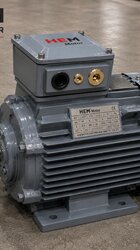
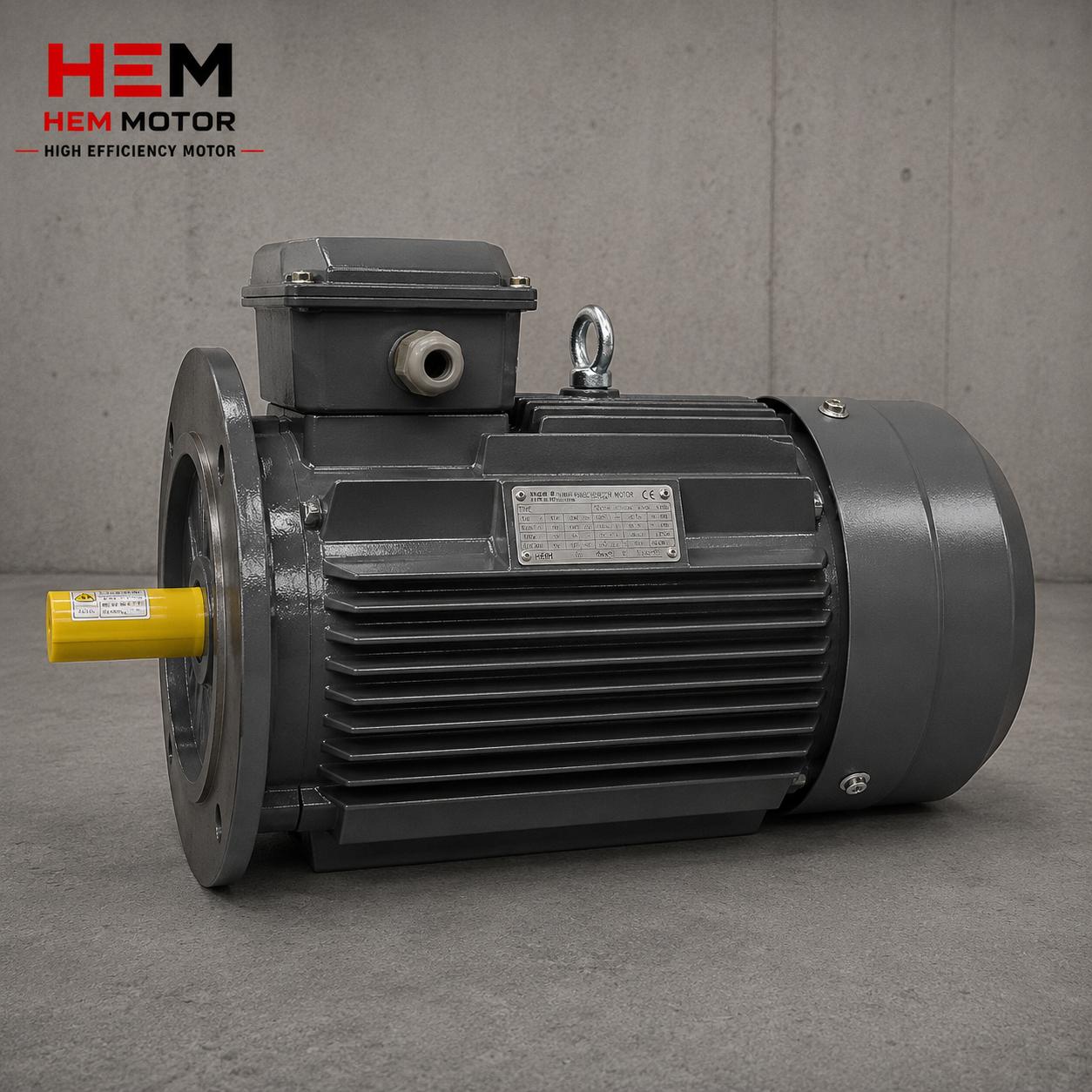

When you buy an electric motor, the first number on the nameplate is usually the purchase price; yet the real cost of that motor to your facility over its lifetime goes far beyond that figure. The choice between IE3, IE4 and IE5 efficiency classes is not simply a decision to “buy a more efficient motor”; it is a Total Cost of Ownership (TCO) decision covering energy, maintenance, downtime and lifespan. In this article we compare the IE5, IE4 and IE3 classes using multi-year total cost logic instead of the purchase price, and we explain step by step which class is genuinely cheaper at high running hours and how the payback concept should be considered.
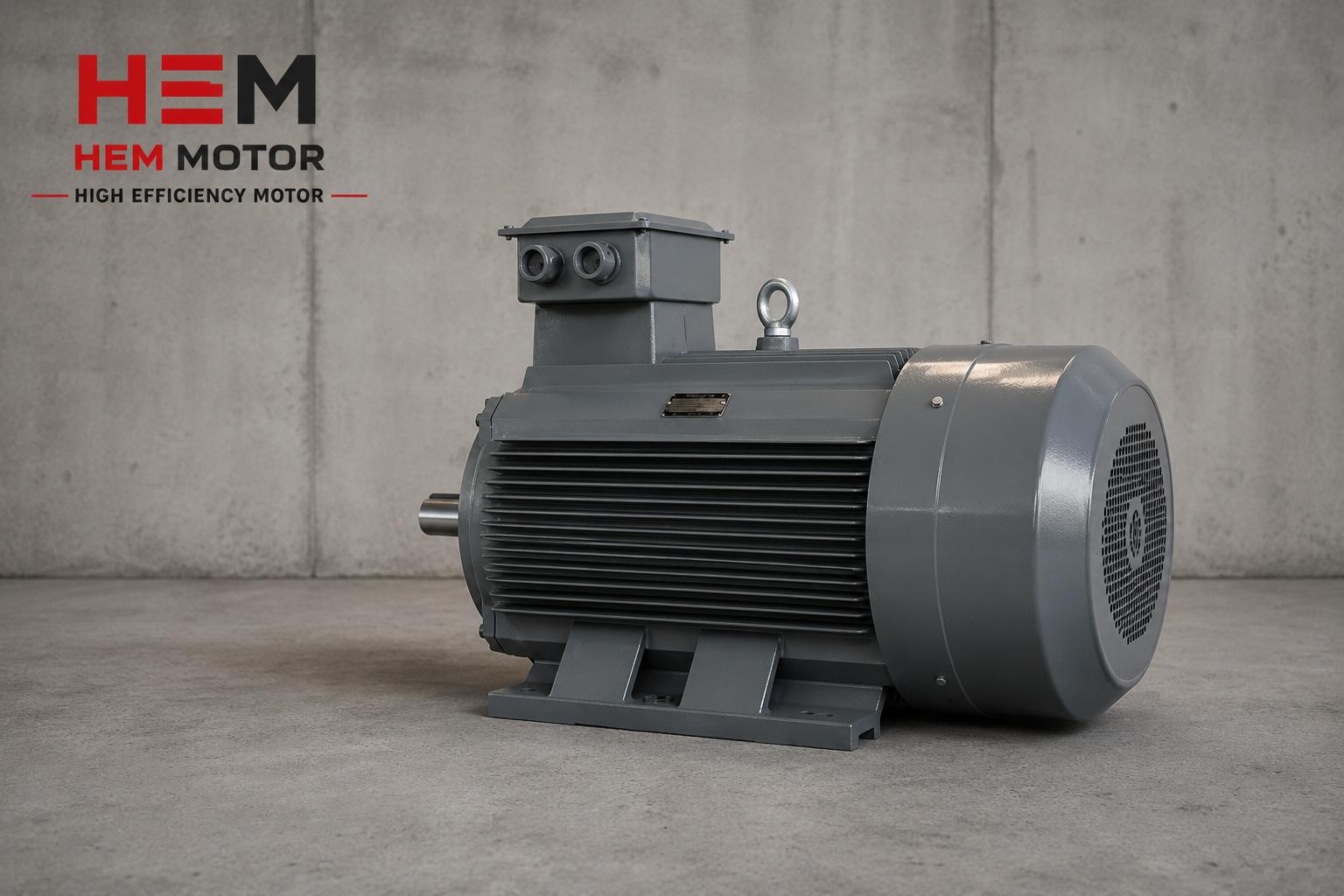
What Is Total Cost of Ownership (TCO) and Why Does It Matter More Than Purchase Price?
Total Cost of Ownership is the sum of everything you pay from the moment you buy a motor until you scrap it. For an electric motor these costs fall into three main headings: purchase cost (the price of the motor, shipping and commissioning), energy cost (the electricity it consumes over its life) and maintenance/operating cost (bearings, grease, oil seals, periodic inspection, possible failure and downtime losses).
For a continuously running industrial motor, energy cost makes up the overwhelming majority of the lifetime total. In other words, the purchase price is only the visible tip of the iceberg. This is why comparing two motors solely by nameplate price is misleading; the correct comparison must be made on a TCO basis. To explore this logic further, review the framework in our How Is Total Cost of Ownership (TCO) Calculated for High-Efficiency Motors? article.
How Does Efficiency Class Translate Into Cost?
The IE (International Efficiency) class shows how much of the electrical energy a motor draws from the grid it can convert into mechanical power at the shaft. In the order IE3 Premium, IE4 Super Premium and IE5 Ultra Premium, as efficiency rises the electricity used to do the same work falls. A few percentage points of efficiency improvement may look small in the short term, but at high power and long running hours it turns into a large difference over the years. Our IE3 or IE4? The Right Electric Motor Investment for Your Facility article makes this decision concrete from an investment perspective.
The Cost Profile of the IE3, IE4 and IE5 Classes
Each of the three efficiency classes has its own cost profile. Understanding them correctly lets you see which class is economical under which conditions.
IE3 Premium: Low Entry, Moderate Energy Cost
IE3 motors have the lowest purchase cost of the three classes and meet the regulatory minimum in many power-speed combinations. Because they can run directly on line (DOL) without a drive, they keep the initial investment low. They are a sensible choice in low and medium running-hour applications, in spare-motor stock and in cost-sensitive projects. You can find the power and speed combinations of the IE3 range in our IE3 Electric Motor Stock Guide article.
IE4 Super Premium: A Balanced Middle Ground
IE4 motors have a higher purchase cost than IE3 but a markedly lower energy cost. Because asynchronous (squirrel-cage) IE4 motors can run directly on line, they offer efficiency gains without making a drive mandatory. In medium-to-high running-hour pump, fan and compressor applications, IE4 often gives the most balanced total cost. We detail which applications require IE4 in our The IE4 Threshold in Pumps, Fans and Compressors article.
IE5 Ultra Premium: High Entry, Lowest Energy Cost
The IE5 class is usually achieved with synchronous reluctance (SynRM) technology and has the highest purchase cost of the three classes. The main reason is that IE5 synchronous reluctance motors mandatorily require a variable frequency drive (VFD) to operate; the motor and drive are usually supplied as a matched package. In return, IE5 offers the lowest energy cost and superior part-load efficiency. You can read why it does not run without a drive in our Why Does an IE5 Synchronous Reluctance Motor Not Run Without a Drive? article.
Multi-Year TCO Logic: How Should Payback Be Considered?
At the heart of the TCO comparison lies a simple logic: the extra purchase amount you pay for a more efficient motor is recovered over time through the energy you save. This recovery period is called the payback period. The shorter the payback period, the more sensible it is to move up to a higher efficiency class.
Two basic proportional factors determine the payback period: running hours and motor power. The more hours a year a motor runs, the greater the savings from efficiency; likewise, as power grows, the value of each efficiency point increases. That is why the payback of moving from IE3 to IE5 is long for a small motor running 8 hours a day, while for a large motor running continuously across three shifts the same move pays for itself far faster. We cover the running-hours and payback relationship in depth in our Move to IE4 or Stay With IE3? article.
The Advantage of IE5 and IE4 at High Running Hours
In continuous (S1) duty, in facilities running three shifts, the annual running hours are very high. Under these conditions the efficiency difference compounds and the high initial price of IE5 and IE4 is quickly overtaken by accumulated energy savings. In other words, the “expensive motor” perception reverses at high running hours: over the lifetime, the cheapest motor is the most efficient one. You can see why IE5 stands out at part load in our The Efficiency Curve of the IE5 Synchronous Reluctance Motor article. For the effect of duty type on cost, our Electric Motor Duty Type (S1-S6) Selection content helps.
The Advantage of IE3 at Low Running Hours
By contrast, for standby pumps that rarely run, seasonally operated agricultural machinery or small machines that work a few hours a day, the extra cost of a high-efficiency motor may not return over a long period. In these applications IE3 is generally the most rational choice in terms of total cost. You can plan which powers to keep in stock as critical spares in our Critical Spare Motor List article.
Other Hidden Items That Affect TCO
Beyond energy and purchase, there are items that affect total cost and are often overlooked:
- Maintenance and bearing life: Low-vibration motors with quality bearings need less maintenance. We examined bearing life in cast iron motors in our Bearing and Seat Life in Cast Iron Motors article.
- Downtime cost: A motor failure on a critical line causes a production loss far more expensive than energy cost. We addressed reducing downtime cost in our Motor Failure and Downtime Cost in Crusher Plants article.
- Power factor and reactive penalty: A low power factor can lead to an extra reactive penalty on the bill. Our Power Factor in High-Efficiency Motors article explains this item.
- Savings together with a drive: Reducing speed with a VFD on pumps and fans cuts energy cost significantly due to the affinity law. We explained this in our Energy Savings in Pumps and Fans With a VFD article.
It should also be remembered that there can be a difference between nameplate efficiency and the real efficiency in the field; to calculate the real savings correctly, our The Difference Between Nameplate and Field Efficiency article is a good starting point.
A Decision Table Between IE3, IE4 and IE5
The following proportional decision logic guides you in choosing an efficiency class:
- Low running hours + small power + standby duty: IE3 usually gives the lowest TCO.
- Medium-to-high running hours + medium power + DOL operation: IE4 asynchronous is the balanced, fast-payback choice.
- Very high running hours + large power + drive-based application: IE5 synchronous reluctance offers the lowest lifetime cost.
- Applications already using a VFD: the payback of moving to IE5 shortens markedly because the extra drive cost disappears.
When prioritising across the facility, the inventory approach in our ISO 50001 and Motor Efficiency and Preparing for an Energy Efficiency Audit articles clarifies which motors to invest in first. For the general framework of the move to IE5, we recommend our IE5 Ultra Premium Electric Motors article. For an overview of all motor types, our Electric Motor Types and Purchase Map guides you.
Frequently Asked Questions
Does an IE5 motor always work out cheaper than IE3?
No. The total cost advantage of IE5 appears at high running hours and large power. For a motor with low running hours or standby duty, the high purchase and drive cost of IE5 may not return over its lifetime; in that case IE3 is more economical. The decision should be made on the operating profile, not the price.
Which factor most determines the payback period?
Running hours and motor power. The more hours and the higher the power at which a motor runs, the greater the savings from efficiency and the faster the extra investment pays for itself. The payback is shortest for large motors running three shifts.
What should I watch out for when replacing my existing motor with IE4 or IE5?
Mechanical compatibility (frame size, foot, shaft diameter, flange) and electrical compatibility (voltage, drive need) are the first items to check. When moving to IE5 synchronous reluctance you must confirm the drive requirement, and when moving to IE4 you must verify the mechanical connection dimensions. Matching nameplate data exactly is the safest way to avoid receiving the wrong motor.
Get a Quote
If you want to choose the right efficiency class between IE3, IE4 and IE5 for your facility and find the motor that fits your real total cost of ownership, our team will determine the most suitable solution together with you based on your running hours and power needs. Contact us now at +90 (532) 345 49 86 or request a quote via our contact page.
Efficiency Class Selection Checklist
- Determine the motor’s annual running hours (shifts x days).
- Clarify the motor power and the average load ratio.
- Check whether the application is direct-on-line (DOL) or drive-based (VFD).
- Determine the duty type (S1 continuous, S6 intermittent, etc.).
- Record the frame size, shaft diameter and flange dimensions of the existing motor.
- If running hours and power are high, evaluate the IE4/IE5 payback.
- If a VFD is already present, prioritise the IE5 synchronous reluctance option.
- For low running-hour standby duty, consider the total cost advantage of IE3.
- Account for maintenance, bearing life and possible downtime cost.
- Provide complete nameplate data when requesting a quote.