English
 Türkçe

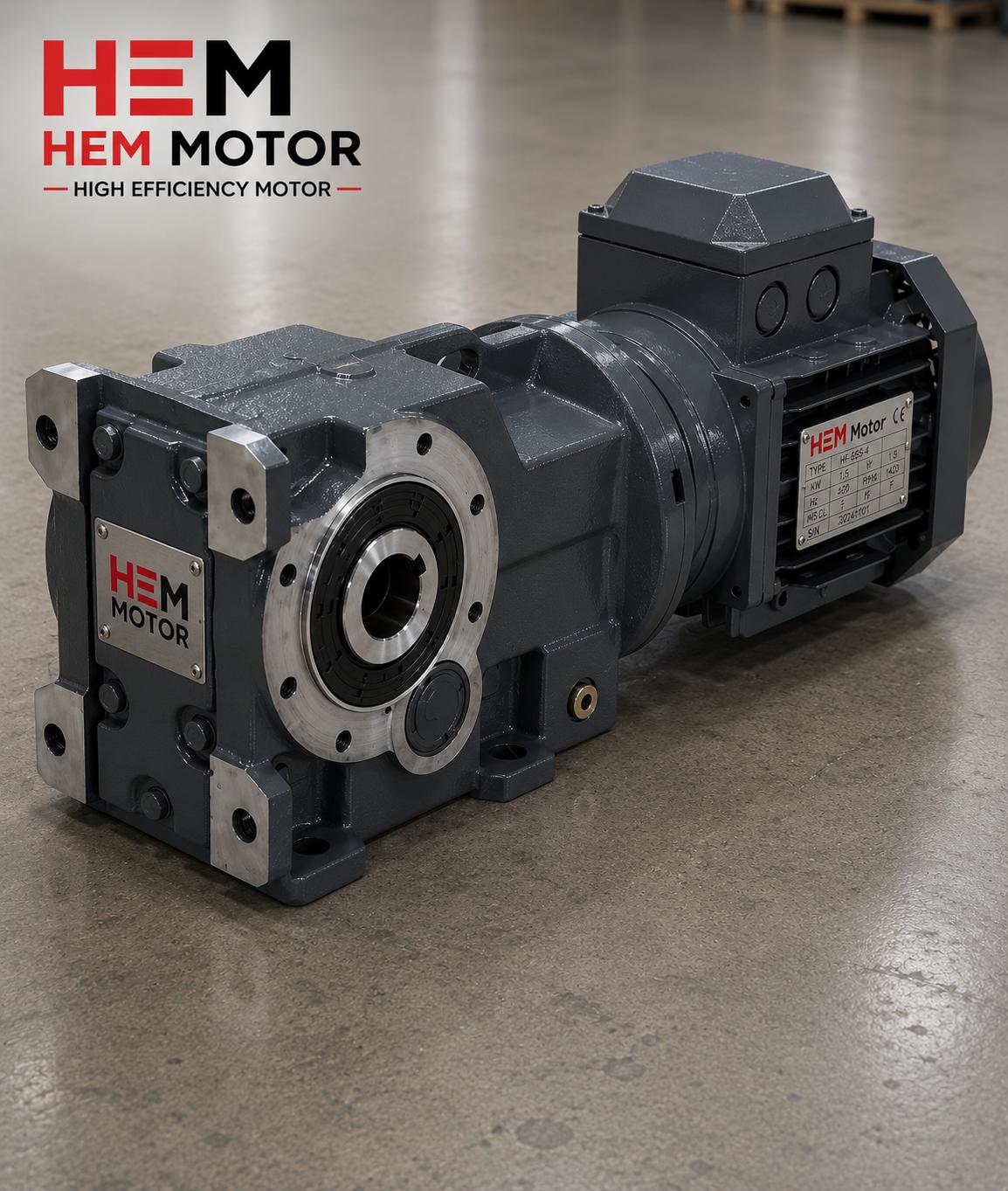

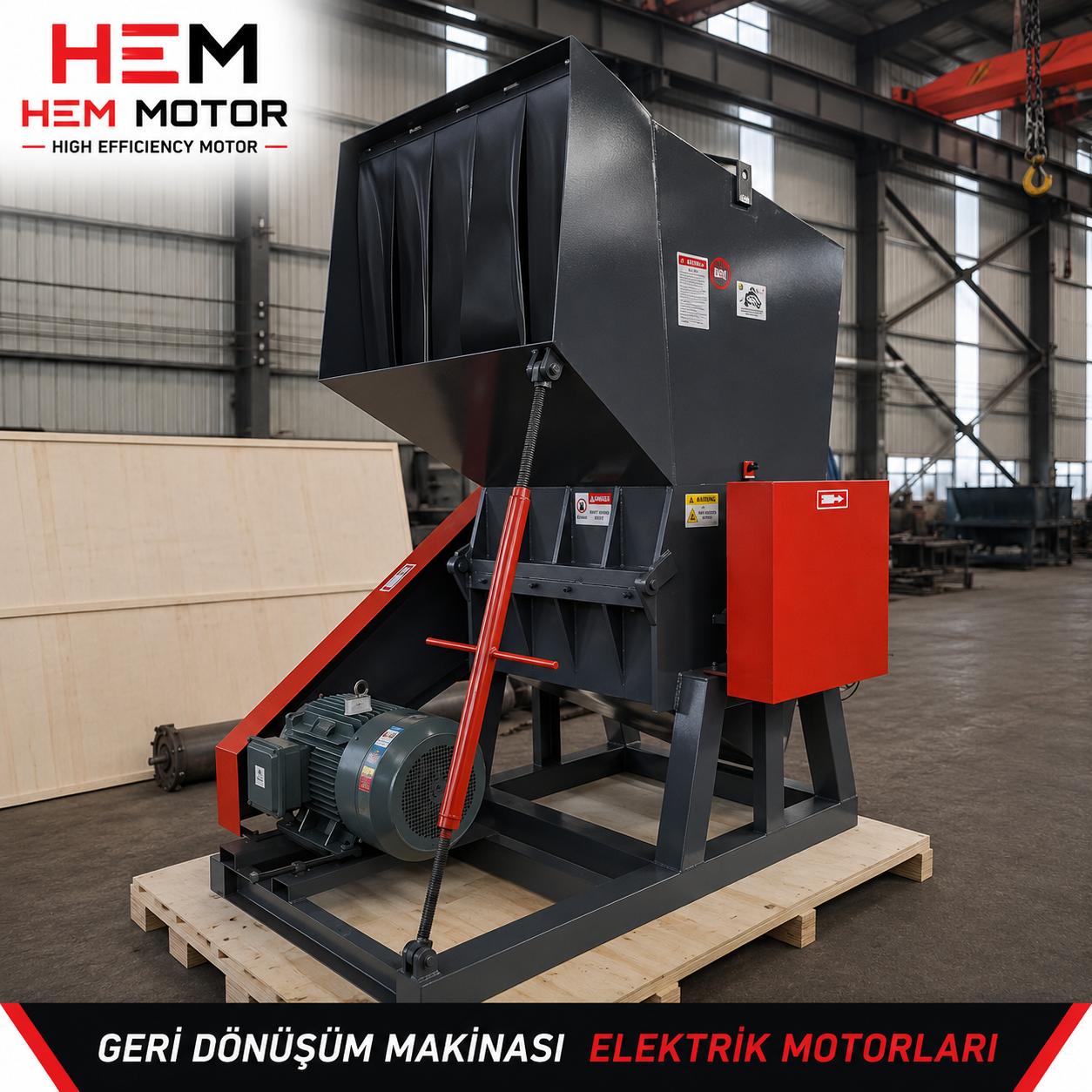
Crusher and stone-crushing plants are mostly built in the open field, on construction sites or in quarries, and their motors run all day in dusty, humid conditions with large temperature swings. In these plants there is a frequently overlooked risk that directly affects motor life: condensation. In an open field that heats up by day and cools at night, when the motor stops its body cools and the humid air inside condenses into water droplets. This water collects on the winding surface and insulation; over time the insulation resistance falls, leakage currents form, and ultimately it can end in a winding burnout during start-up or operation. The most effective and economical measure against this risk is the anti-condensation heater (space heater).
This article covers what an anti-condensation heater does in a crusher/stone-crushing motor: how the day-night temperature difference in the open field and on a construction site creates condensation, why moisture build-up after standstill is dangerous, how the heater option works, winding protection in an environment where dust and humidity coexist, and how to select the right option. The goal is to help you make the right heater and protection selection the first time, to protect your open-field crusher motor against condensation and to commission it safely after stops.
Why Does Condensation Form and Why Is It Dangerous?
Condensation forms when warm, humid air meets a cold surface. An open-field crusher motor heats up while it runs all day; when it stops in the evening its body begins to cool slowly. As the night temperature falls, the moisture carried by the air inside the motor condenses as water droplets on the cooling inner surfaces (winding, body, terminal box). When the motor runs and heats up again in the morning this water evaporates, but it builds up again with every day-night cycle. This continuous wet-dry cycle wears the insulation and accelerates corrosion.
The most dangerous consequence of condensation is the drop in winding insulation resistance. Moisture penetrates the surface and pores of the insulation; the insulation resistance (megger value) falls. A motor commissioned with low insulation resistance carries the risk of leakage current and short circuit at first start or during operation. The risk is even greater on standby crusher motors that stand idle for long periods; a motor that has stood for weeks poses a serious hazard when commissioned if it has absorbed moisture. Therefore, on open-field motors, condensation control is not an optional luxury but a fundamental measure that determines service life.
- Day-night difference: Temperature swings in the open field trigger condensation.
- Moisture after standstill: Water droplets collect inside as the motor cools.
- Insulation resistance drop: Moisture lowers the megger value, leakage-current risk.
- Standby motor risk: Moisture build-up is more dangerous on long-idle motors.
How Does an Anti-Condensation Heater (Space Heater) Work?
An anti-condensation heater is a small resistance element placed inside the motor. Its job is not to run the motor but to keep the winding area a few degrees above ambient temperature while the motor is stopped. This small temperature difference lowers the relative humidity of the air inside the motor and prevents condensation. In other words, it stops water droplets from forming at the root. The heater switches on automatically when the motor stops and switches off while the motor runs (since it is already warm); this control is usually done from the panel, linked to the motor's run/stop state.
The heater power is selected according to the motor's frame size. While a few tens of watts are enough on small motors, heaters of hundreds of watts are used on large crusher motors. The heater is fed from a separate terminal in the motor's terminal box and usually runs on single-phase low voltage (e.g. 230V). A heater of the right power delivers enough heat to keep the body interior dry but does not heat the motor unnecessarily. This simple, low-cost option significantly extends the insulation life of a motor running in the open field.
| Motor Frame (approx.) | Typical Heater Power | Supply |
|---|---|---|
| Small (90-132 frame) | ~25-50 W | 230V single phase |
| Medium (160-225 frame) | ~50-100 W | 230V single phase |
| Large (250-315 frame) | ~100-200 W | 230V single phase |
| Very large (355+ frame) | ~200 W and above | 230V single phase |
The values in the table are approximate and vary with the motor frame and the manufacturer's standard. What matters is that the heater is strong enough to keep the motor dry but balanced enough not to deliver unnecessary heat. The heater's switching logic (on when the motor stops, off when it runs) must be set up correctly in the panel design; otherwise, if the heater stays on while the motor runs, unnecessary heating occurs.
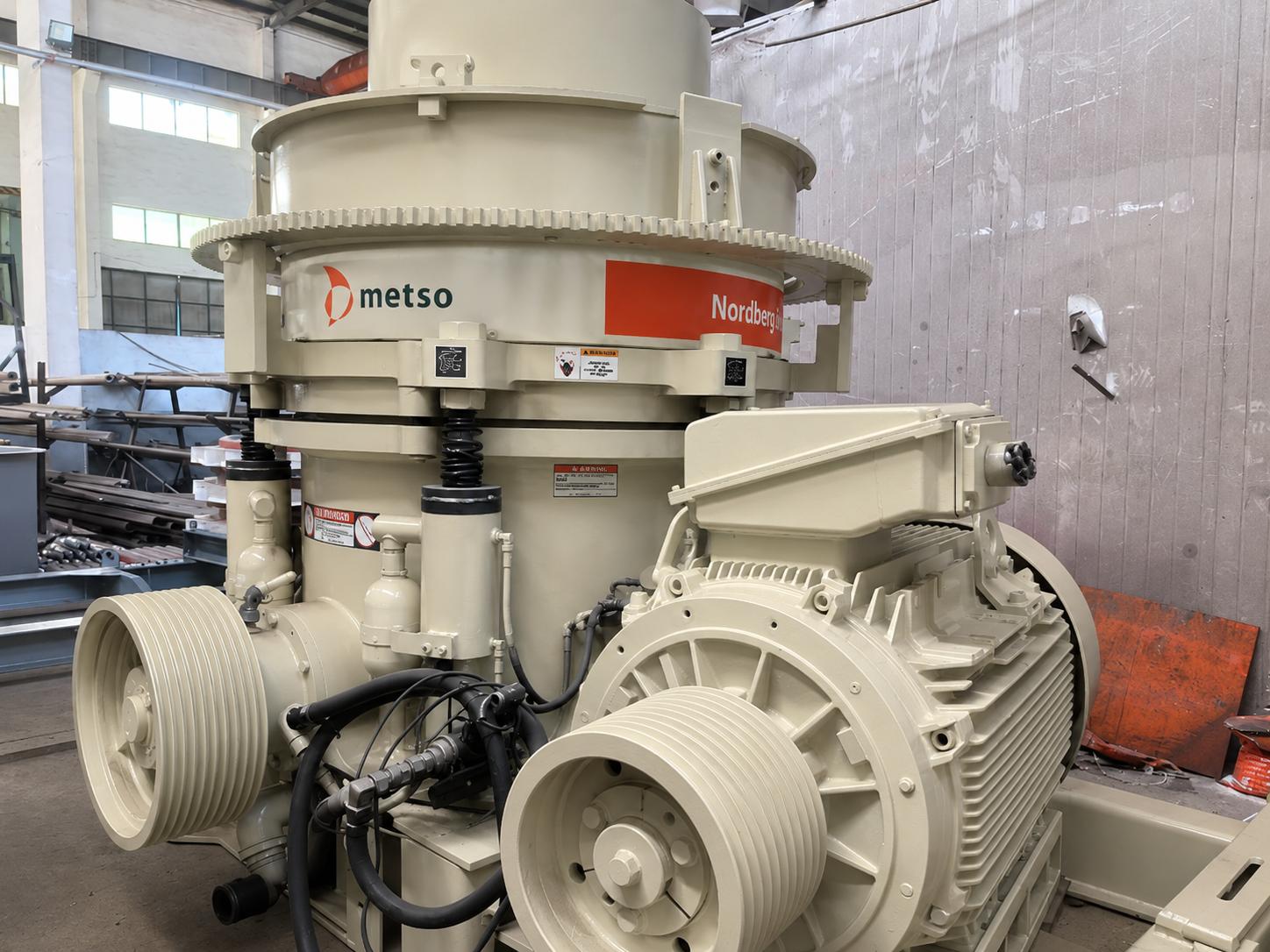
Dust and Moisture Together: The Dual Threat of the Crusher Environment
In the environment where a crusher motor runs, condensation does not come alone; it usually accompanies dust. The fine dust produced during stone crushing sticks to the motor surface and ventilation paths. When this dust combines with moisture it forms a muddy, sticky and conductive layer; this layer both blocks cooling and threatens the insulation. Therefore, on an open-field crusher motor, condensation protection (heater) and dust protection (high IP) must be considered together. Fitting only a heater while keeping the IP protection low, or vice versa, does not fully protect the motor.
- High IP protection: IP65/IP66 level against dust and water ingress.
- Anti-condensation heater: Keeps the body interior dry at standstill.
- Condensation drain hole: Drains any water that may collect in a controlled way.
- Corrosion paint: Enhances body protection in a dusty-humid open field.
| Condition | Risk | Recommended Measure |
|---|---|---|
| Day-night temperature difference | Condensation, insulation drop | Anti-condensation heater |
| Long-idle standby motor | Moisture build-up, commissioning risk | Continuous heater + megger check |
| Heavy dust | Cooling block, conductive layer | IP65/IP66 protection |
| Rain and water splash | Water ingress, corrosion | High IP + corrosion paint |
A Special Case for Standby and Seasonal Motors
Some crusher plants run seasonally, or some of their motors stand by as spares. In that case a motor can stand idle for days, weeks or even months. A motionless motor carries more condensation risk than a continuously running one, because it gets no chance to heat up and dry out. On these motors it is important to keep the anti-condensation heater continuously energised and to measure the insulation resistance (megger) before commissioning. If the megger value is low, the motor should not be run without being dried by a drying procedure (for example, kept under the heater for a while).
Correct condensation and moisture protection eliminates the most common and most easily preventable failure cause of an open-field crusher motor. For dust and field protection, our dust sealing and IP65/66 in crusher motors and motor protection in a quarry: dust, moisture and impact articles are a good start. For the heater and moisture protection, our tropicalization and space heater, for condensation drainage our condensation drain hole, and for storage and moisture our motor storage and moisture content will be useful.
Megger Check and Drying Before Commissioning
The most important check before running a crusher motor that has stood idle for a long time in the open field is the insulation resistance (megger) measurement. A megger instrument measures the insulation resistance between the winding and the body in megohms. On a motor that has absorbed moisture, this value drops significantly; if the motor is run with a low value, there is a risk of leakage current, flashover and winding burnout. Therefore, after long stops, a megger measurement should become routine. If the value is low, the motor must first be dried.
The most practical way to dry is to keep the motor's anti-condensation heater energised for a while to evaporate the moisture inside the body. This gradually raises the insulation resistance. On motors without a heater, drying is done by methods such as an external heat source or low-voltage supply, which is both more laborious and riskier. This is why the anti-condensation heater not only prevents condensation but also serves as a simple drying tool when needed.
- Megger measurement: Insulation resistance must be checked after a long stop.
- No running at a low value: A damp motor must be dried first.
- Drying with the heater: The anti-condensation element becomes a simple drying tool.
- Making it routine: Regular checks on seasonal/standby motors.
Holistic Field Protection on a Crusher Motor
The anti-condensation heater is an important but not the only part of open-field protection. A crusher motor faces several risks at once: dust, moisture, rain, vibration and shock load. Field protection must therefore be thought of holistically. High IP protection (IP65/IP66) prevents dust and water ingress; corrosion-resistant paint protects the body against salty, humid air; a condensation drain hole expels any water that may collect in a controlled way; and thermal protection (PTC/thermal) monitors the winding against overheating. Combined with the anti-condensation heater, all these measures fully protect the motor in the field against moisture, dust and electrical risks alike.
- IP65/IP66: High protection against dust and water ingress.
- Corrosion paint: Body endurance in a dusty-humid field.
- Condensation drain: Controlled drainage of accumulated water.
- Thermal protection: Winding monitoring with PTC/thermal.
Frequently Asked Questions
How much does an anti-condensation heater warm the motor?
The aim is not to run the motor but to keep the body interior a few degrees above ambient temperature when it is stopped. This small difference lowers the relative humidity of the air inside and prevents condensation. The heater switches off while the motor runs (since it is already warm) and switches on when it stops. So it provides a balanced dry-keeping function rather than continuous, excessive heating.
Is an anti-condensation heater needed on every crusher motor?
It may not be needed on motors running in an enclosed, heated environment. But in the open field, on a construction site or in a quarry, where the day-night temperature difference is large, it is strongly recommended. Especially on long-idle standby motors and in seasonally operating plants, the heater is almost mandatory for commissioning safety and long service life.
If there is a heater, is high IP protection no longer needed?
No, the two address different risks. The anti-condensation heater prevents condensation inside, while high IP protection prevents dust and water entering from outside. Because dust and moisture coexist in the crusher environment, both measures are needed together. Applying only one does not fully protect the motor; the right solution is to evaluate the heater, suitable IP protection and corrosion paint together.
At HEM Motor we supply motors with anti-condensation heater options, high IP protection and corrosion resistance for crusher/stone-crushing plants operating in the open field and on construction sites, from stock and with fast delivery. Share your plant's operating regime (continuous/standby/seasonal), the motor power-speed and the field conditions; we will identify the right heater and protection options against condensation and dust and prepare a quotation for the most suitable solution.