English
 Türkçe

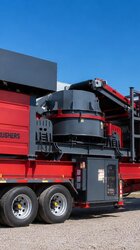
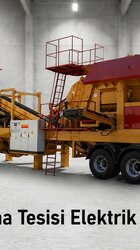
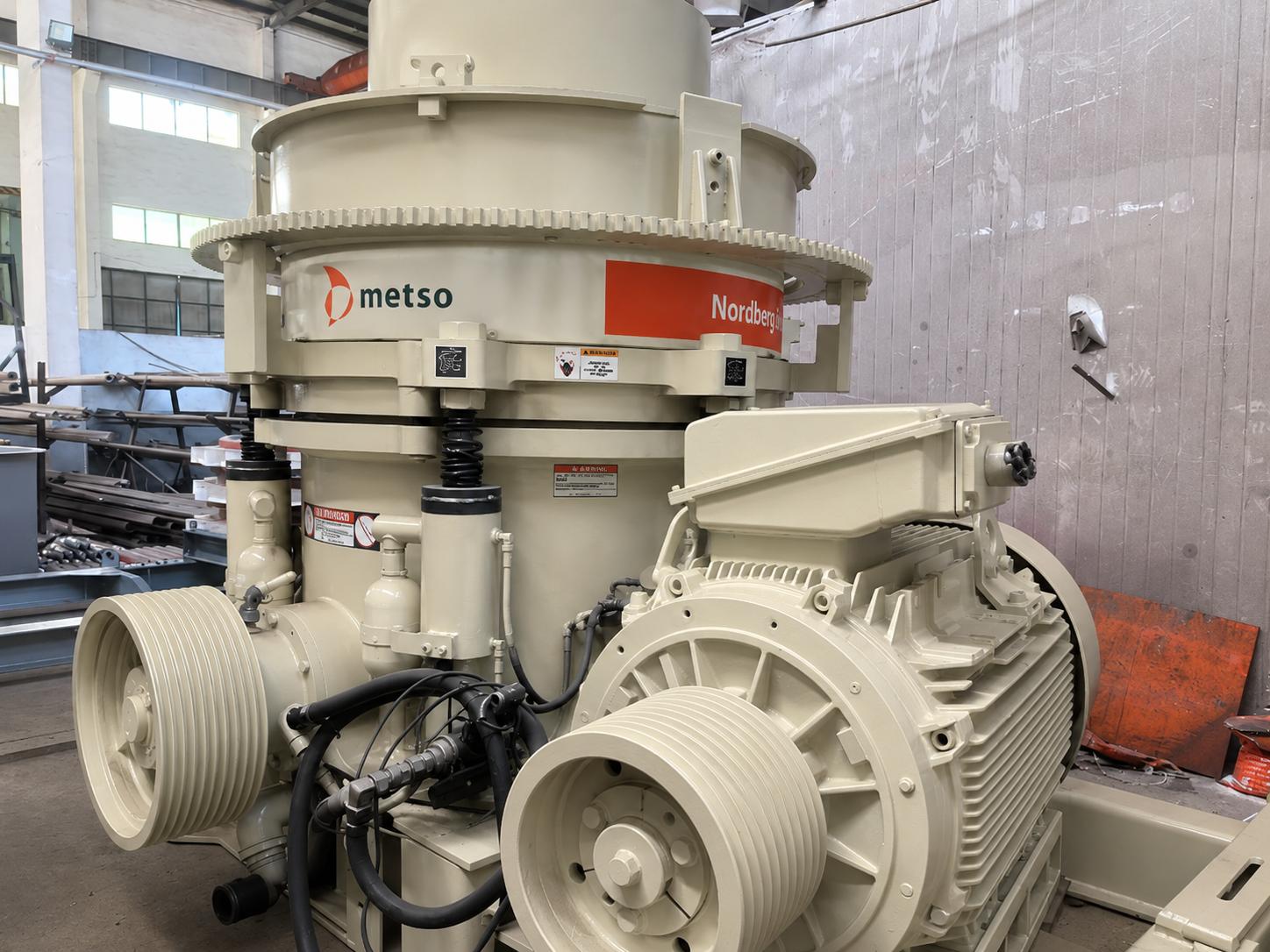

At the heart of the primary crushing stage in the mining and aggregate sector lies a machine that often defines the entire capacity of the plant: the gyratory crusher. This giant crusher continuously crushes tons of rock at high capacity; and in doing so it imposes an extraordinarily demanding task on its main drive motor. High inertia, high starting torque, sudden load changes and heavy-duty conditions completely set a gyratory crusher motor apart from a standard industrial motor. A poorly chosen main drive motor results in failure to start, frequent protection trips, overheating and unacceptable downtime on site.
At HEM Motor, in heavy-duty crusher applications, we know that motor selection cannot be made by looking at the power value alone. In this article we examine the main drive motor of a gyratory crusher from an engineering perspective: from the need for high inertia and starting torque to heavy-duty design, from belt/gearbox drive to sudden-load behavior, from starting strategies (slip-ring motor, softstarter, liquid resistance starter) to correct motor selection.
Why Is a Gyratory Crusher a Demanding Load?
A gyratory crusher is a machine in which a conical crushing head, rotated by an eccentric shaft, "gyrates" inside a fixed outer shell to crush rock. This structure means the crusher has very large and heavy rotating parts; the flywheel (pulley) and rotating masses form a large inertia moment (GD² / WR²). The motor must bring this large inertia from rest up to operating speed, and this means a long, demanding start.
The second challenge is the crusher's load character. Rock feed is irregular; when a large piece suddenly enters the crushing chamber, the motor faces a sudden torque demand. These sudden load impacts require the motor to be durable both mechanically and electrically. Moreover, the crusher operates in a dusty, vibrating, harsh environment; the motor's body and bearings must suit these conditions.
High Inertia and Long Starting Time
In gyratory crushers the inertia of the rotating masses is very high; this means the motor's starting time is much longer than in standard applications. During starting the motor draws high current for a long time and heats up during this period. Therefore the motor must not only be able to produce the starting torque but also withstand thermally throughout the long starting time. The motor's "locked rotor withstand time" (te value) must be longer than the starting time; otherwise the motor is damaged during starting.
For this reason, in high-inertia applications the motor is selected not just by power but also by starting time and thermal endurance. We detailed the effect of load inertia on motor selection in our starting time and inertia moment article, and starting large-impeller high-inertia loads in our inertia and starting article.
The Need for High Starting Torque
A gyratory crusher motor must produce a high starting torque; because it must both accelerate the large inertia and overcome any material that may have remained inside the crusher. The starting torque of a standard asynchronous motor may not always be sufficient for such heavy loads. This is where the motor's torque class (design class) and starting method come into play.
In heavy loads requiring high starting torque there are two basic approaches: either a cage motor with high starting torque (a suitable design class) or a slip-ring (wound-rotor) asynchronous motor. Slip-ring motors, since they allow increasing starting torque and limiting starting current by adding resistance to the rotor circuit, have traditionally been preferred in heavy crusher applications. We covered the difference between cage and slip-ring motors in our cage/slip-ring motor difference article.
| Property | Gyratory Crusher Need | Effect |
|---|---|---|
| Inertia (GD²/WR²) | Very high | Long starting time, thermal stress |
| Starting torque | High (above rated torque) | High torque class or slip-ring motor |
| Load type | Sudden impact, irregular | Mechanical strength, robust bearings |
| Duty | Continuous heavy duty (S1) | Good cooling, Class F insulation |
| Environment | Dusty, vibrating | Cast-iron frame, high IP protection |
The values summarize the character of the application; the exact selection is made according to the crusher size and drive design.
The Difference Between Primary and Secondary Crushing
In crushing plants, motor selection changes markedly according to the crusher stage. A gyratory crusher is usually used in the primary stage, that is the stage where large and irregular rock pieces are crushed for the first time. In this stage the load is heaviest, the inertia highest and the impacts most severe; so the most demanding motor selection is made here. In secondary and tertiary stages, because the material is smaller and more homogeneous, the strain on the motor is relatively reduced.
This difference explains why correct motor selection must be stage-specific. While the motor selected for a primary gyratory crusher is sized for high inertia and high starting torque, the selection for a secondary crusher can be more focused on continuous load and efficiency. At HEM Motor we recommend the most suitable motor and starting solution for each stage to our customers, taking into account the crusher stage and real load character. This stage-specific approach gives the most correct result in terms of both performance and total cost.
Drive Type: Belt or Gearbox?
In gyratory crushers the motor usually drives the crusher via a V-belt/pulley or gearbox. Belt-pulley drive provides some flexibility and shock damping between the motor and the crusher; sudden load impacts are somewhat softened by the belts. Belt-pulley also allows speed ratio adjustment. Gearbox drive is more compact and suitable for high torque transmission but transmits the impact load directly.
The drive type also affects motor selection: belt tension creates a radial load on the shaft, and this load must be considered in the motor's bearing selection. For motors operating under heavy duty and impact load, a cast-iron frame stands out with its rigid structure and vibration-damping capacity. We covered cast-iron heavy-duty drive motors in our cast-iron heavy-duty motor article.
Starting: Coping with Sudden Load and High Current
A gyratory crusher motor requires a special starting strategy because of its high inertia and high starting torque need. Direct (DOL) starting is unsuitable in most cases due to both very high starting current and long starting time. The main starting options are:
- Slip-ring (wound-rotor) motor + rotor resistance: By adding resistance to the rotor circuit, high starting torque and low starting current are obtained. The classic solution for heavy crusher applications.
- Liquid resistance starter: Provides a stepless, smooth and controlled start in a slip-ring motor; ideal at high inertia.
- Softstarter: Limits starting current and mechanical shock in a cage motor; used with a suitable design class motor.
- Autotransformer (compensated) starter: Limits starting current by reducing voltage at high inertia.
We covered crusher starting methods in detail in our crusher starting article, the liquid resistance starter in our liquid resistance starter article, and the autotransformer solution in our autotransformer starter article. You can find slip-ring rotor resistance and starting torque adjustment in our wound-rotor resistance article.
Protection, Monitoring and Continuity
A primary crusher is the most critical machine of a plant; its stoppage can halt the entire production line. For this reason, protection and monitoring equipment carry great importance in a gyratory crusher motor. PTC thermistors or PT100 sensors embedded in the winding protect the motor by detecting overheating that may occur due to long starting time and heavy load. Bearing temperature monitoring and vibration tracking enable a mechanical failure to be detected before it grows; this is the basis of predictive maintenance and prevents unplanned downtime.
In heavy-duty applications, redundancy and fast replacement are also part of the continuity plan. In case of failure of a critical crusher motor, a replacement motor that can be quickly supplied or a reliable supply relationship minimizes production loss. At HEM Motor, in heavy-duty crusher motors, we aim to support facilities' continuity plans with our manufacturer stock and fast-delivery advantage. Correct protection, correct monitoring and reliable supply together are the assurance of the crusher's uninterrupted operation.
Correct Motor Selection: Step by Step
Selecting the right main drive motor for a gyratory crusher requires a systematic approach. First, the crusher's power, speed and the inertia moment of the rotating masses are determined. Then the required starting torque and starting time are calculated; this determines the motor's torque class and thermal endurance. Next the starting method (slip-ring + resistance, liquid resistance, softstarter, autotransformer) is chosen according to the load and grid. Finally, the environmental conditions (dust, vibration, temperature) and drive type (belt/gearbox) clarify the motor's frame, protection class and bearing selection.
This approach is the basis of the crusher's reliable operation throughout its life. A wrong step — for example insufficient starting torque or thermal endurance — leads to the motor struggling at startup and failing early. At HEM Motor, in heavy-duty crusher applications, we evaluate all these parameters together and recommend the right motor and starting solution.
Sudden Load Impacts and the Motor's Mechanical Strength
One of the most critical features that sets a gyratory crusher apart from other heavy loads is that the load is irregular and impactful. Every large rock piece entering the crushing chamber is reflected as a sudden torque demand on the motor. These impacts are not only electrical but also a mechanical strain: the shaft, bearings, coupling and the entire belt system must withstand these sudden loads. Continuously repeated impact loads shorten bearing life in a poorly designed motor, fatigue the shaft and can cause cracks in the body.
For this reason, mechanical rigidity is at least as important as electrical performance in crusher motors. The fundamental reason a cast-iron frame is preferred is the high rigidity and vibration-damping ability of cast iron. Heavy-duty bearings are sized to withstand impact load and the radial load coming from belt tension. The motor seating firmly on the foundation and being correctly aligned also reduces the effect of impact loads. All these mechanical measures form the basis of the crusher operating reliably throughout its life.
Cooling and Duty Type
A gyratory crusher motor usually runs in continuous heavy duty (S1 duty) and generates a significant amount of heat during this period. Removing this heat effectively is critical for motor life. Although shaft-end fan air cooling is sufficient for most applications, in very dusty environments the clogging of cooling fins is a risk; so regular cleaning or a different cooling solution may be needed. Winding insulation is usually Class F and dimensioned to leave a safety margin.
Correctly defining the duty type ensures the motor is selected neither unnecessarily large nor insufficient. While S1 duty is taken as the basis in a continuously running primary crusher, the heating behavior must be evaluated separately in an application with frequent stop-start. When long starting time and frequent starting occur together, the motor's thermal endurance must be calculated much more carefully; because each start imposes an additional heat load on the motor.
Frequently Asked Questions
Why is a slip-ring motor preferred in a gyratory crusher?
Slip-ring (wound-rotor) motors offer the ability to produce high starting torque while keeping starting current low by adding resistance to the rotor circuit. Given the high inertia and high starting torque need of gyratory crushers, this feature has been the classic solution for heavy crusher applications. When used together with a liquid resistance starter, a stepless and smooth start is achieved. However, a suitable design class cage motor + softstarter can also be preferred in some applications.
Can a crusher motor be started directly?
In most cases no. The high inertia of a gyratory crusher leads to very high starting current and a long, heating starting time in direct (DOL) starting. This both strains the grid and thermally wears the motor. So a soft-starting method such as slip-ring motor + rotor resistance, liquid resistance starter, softstarter or autotransformer starter is used. The correct method is determined by the magnitude of the inertia and grid capacity.
Which frame and protection are needed in a crusher motor?
Because of the dusty, vibrating, heavy-duty environment, a cast-iron frame is usually preferred in gyratory crusher motors; its rigid structure damps vibration and withstands impact load. The protection class must be chosen high according to the dustiness of the environment. In addition, heavy-duty bearings, good cooling and Class F insulation ensure the motor operates long under these harsh conditions. The correct frame and protection are the basis of crusher motor reliability.
Let us select your crusher main drive motor correctly. At HEM Motor, for gyratory cone crushers, we evaluate main drive motors suited to high inertia, high starting torque and heavy-duty conditions, together with the right starting solution. Share your crusher's power, speed and inertia information; get a quote for the right motor and fast delivery.