English
 Türkçe

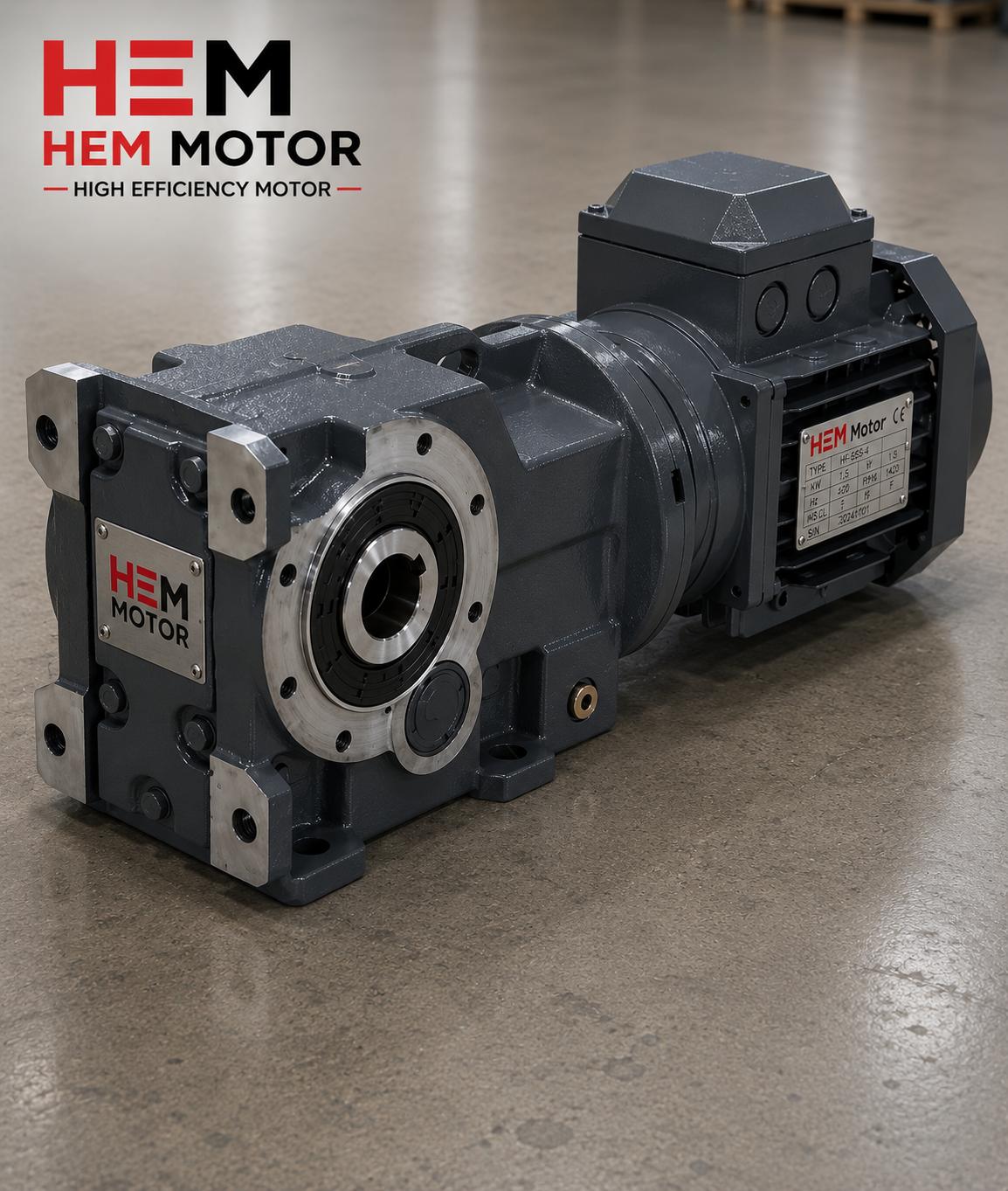

In large-capacity crushers and mills, the drive power required can reach levels that push the practical limits of a single motor. In such cases there are two common approaches: either a single very large motor is chosen, or a tandem (twin-drive) arrangement is built with two medium-sized motors sharing the same job. In a tandem drive the two motors are connected to a single main shaft or gearbox and carry the load together; the power is split in two, but the total torque and capacity stay the same. This solution offers important advantages, especially in large crushers, in terms of supply ease, redundancy and load sharing. This article covers the tandem (twin-motor) drive arrangement in crushers and mills, connecting two motors to a single shaft/gearbox, load sharing and balancing, the advantages of two medium motors instead of one large motor, synchronous starting, redundancy and correct drive selection, from a HEM Motor engineering perspective. Our aim is to show concretely under which conditions a tandem arrangement is a smarter choice than a single large motor and what must be watched when setting up this arrangement.
Large crusher and mill drives are the heart of a plant; a stop here halts the entire production. For this reason the drive architecture is not only a power and torque calculation but also a decision about supply, redundancy and operational continuity. The tandem arrangement, exactly at this point, offers an alternative that reduces the supply and downtime risks brought by a single large motor. In the sections below we open up the working logic and decision criteria of this arrangement in detail.
How Does a Tandem (Twin-Drive) Arrangement Work?
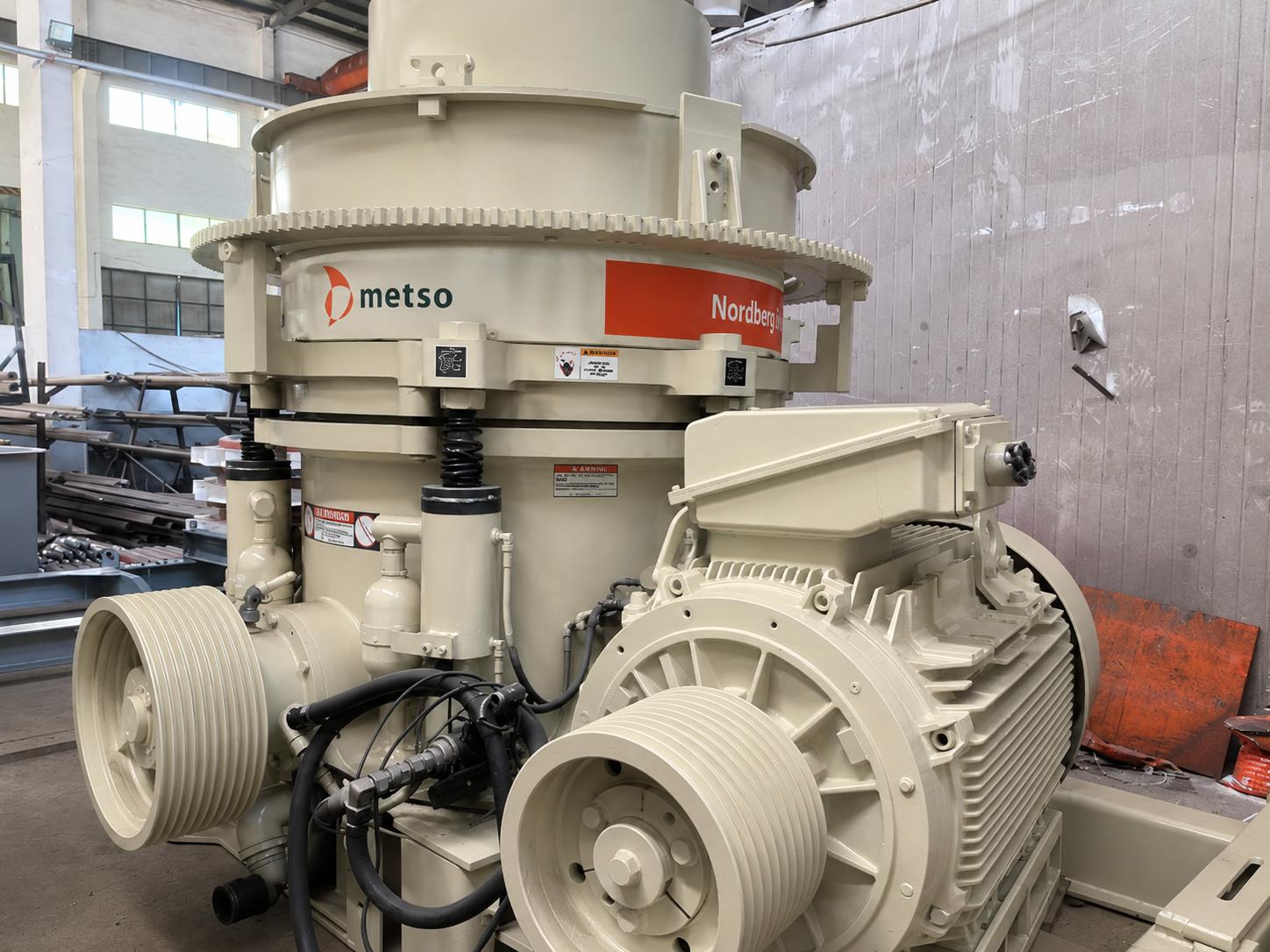
In a tandem drive, two separate asynchronous motors meet at a common mechanical point. This meeting occurs through one of two basic architectures. In the first architecture the two motors are connected to the two ends of a single main shaft; the shaft is driven from both sides and the crusher's main axis turns from the middle. In the second architecture the two motors are connected to the two input stages of a common gearbox; the gearbox combines the powers and transfers them to a single output shaft. In both cases the two motors are fed electrically from the same grid and mechanically share the same load.
The basic logic of this arrangement is to split the power but preserve the torque and speed. Since the two motors turn at the same speed, the output speed is the same as in a single-motor arrangement; but each motor carries only half of the total load. This allows each motor to be smaller, lighter and more easily supplied. A flawless mechanical connection is critical: the alignment of the two motors to the shaft or gearbox, the choice of coupling and the correct setting of the directions of rotation are essential for vibration-free, balanced operation of the system.
Connecting Two Motors to a Single Shaft or Gearbox
When connecting two motors to a single mechanical system, the most important issue is the equal sharing of the load between the two motors. Asynchronous motors by their nature do some self-load-sharing: if one of two motors on the same shaft is loaded more, its slip increases, its speed drops very slightly, and this shifts part of the load to the other motor. This natural balancing mechanism works well provided that the rated values of the two motors (power, speed, slip) are close to each other. For this reason it is a strong recommendation that the two motors used in a tandem arrangement be of the same type, same power and preferably from the same production batch.
The connection architecture is chosen according to the application. The single main-shaft architecture is simple and effective if the crusher's structure is suited to two-end driving. The common-gearbox architecture is preferred when the output speed needs to be reduced or when the two motors must be positioned physically side by side. In both architectures, coupling and alignment tolerances must be applied meticulously to prevent vibration and early failure at high power.
Load Sharing and Balancing
The success of a tandem drive depends on how balanced the load sharing is between the two motors. Ideally each motor carries exactly half of the total load. In practice there can be small differences; these arise from small variations in the motors' slip characteristics, alignment or coupling flexibility. If one motor is continuously loaded more than the other, that motor heats up more and its life shortens. For this reason, in large tandem systems each motor's current is monitored separately; a marked difference between the two motors' currents is a sign of unbalanced load sharing.
| Criterion | Single large motor | Tandem (two medium motors) |
|---|---|---|
| Total power | In one unit | Shared across two units |
| Supply ease | Hard (custom build, long lead time) | Easy (common frames) |
| Weight/part | Very heavy single piece | Each one lighter |
| Redundancy | None (failure = full stop) | Operation at partial capacity possible |
| Transport/installation | Special crane/logistics | More flexible |
| Load-sharing control | Not needed | Monitoring and balance needed |
As the table shows, the tandem arrangement offers clear advantages in supply, weight and redundancy, while in return requiring extra engineering attention such as monitoring and balancing the load sharing.
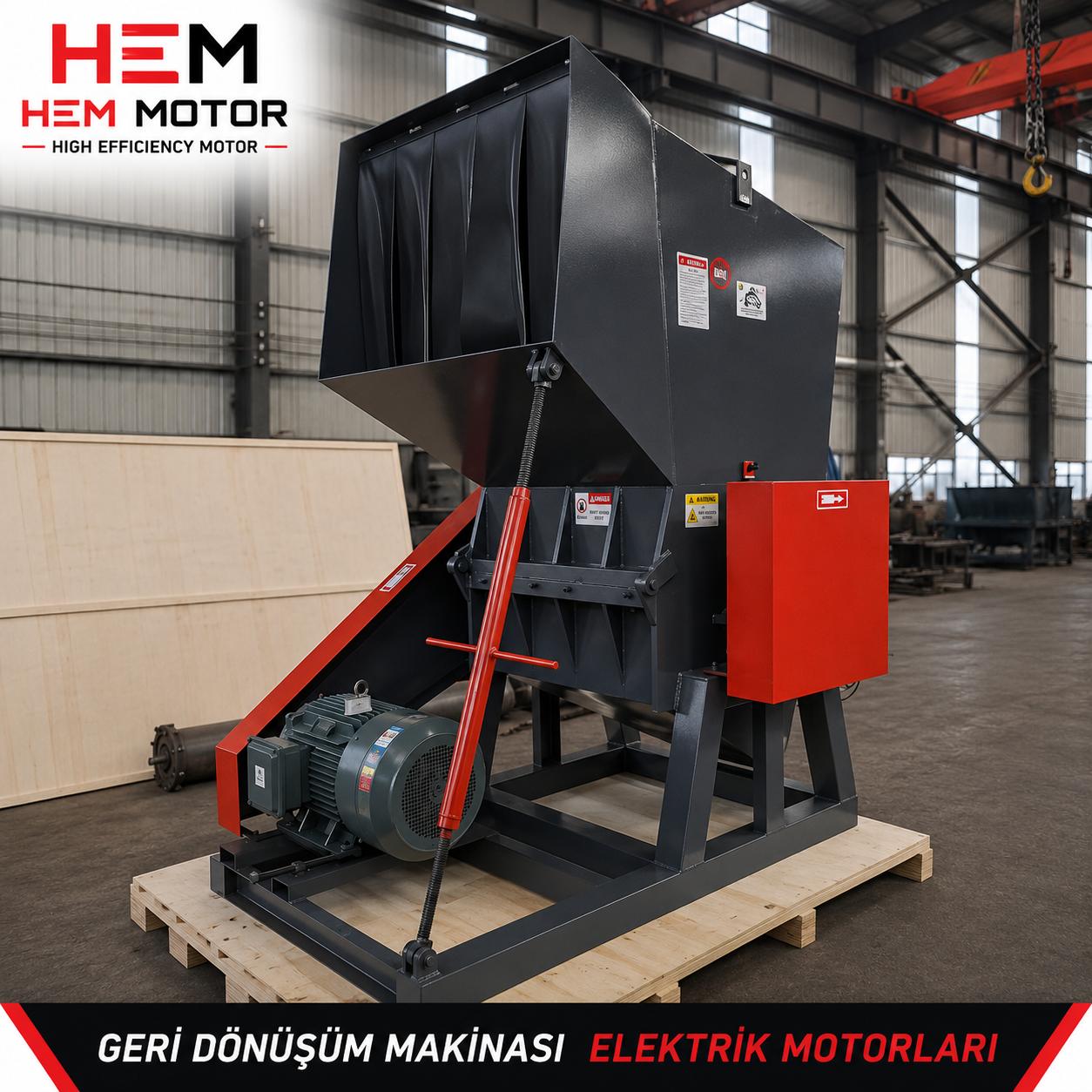
Two Medium Motors Instead of One Large Motor: Advantages
It is possible to drive a large crusher with a single very large motor, but this approach has clear disadvantages. Very-large-power motors are usually made to order, their delivery time is long, they weigh tonnes and they complicate the mechanical logistics of transport, crane and installation. Furthermore, when this single motor fails the plant stops completely; stocking a spare motor is very expensive. A tandem arrangement built with two medium-sized motors mitigates most of these problems.
- Motors with more common frames, shorter lead times and stock availability are used.
- Since each motor is lighter, transport, crane lifting and installation become easier.
- When one motor fails, production can continue, even if at limited capacity.
- Stocking a spare motor is more economical; two systems can share the same spare.
- Maintenance and replacement are more practical on smaller units.
These advantages are especially valuable in large crushing-screening plants that must run continuously, because a full stop of a plant is far more costly than running at half capacity.
Synchronous Starting and Redundancy
In a tandem drive the starting of the two motors must be managed carefully. The fact that the two motors are mechanically connected means they affect each other at start. The ideal approach is for the motors to start in a controlled and as synchronous as possible manner; this ensures both motors take on the load in a balanced way and that no sudden torque shocks occur during start. As the starting current is already high in large crushers, controlled starting with a soft starter or VFD is preferred for the two motors. When a VFD is used, the two motors can be run with common or separate drives; with separate drives the load sharing can be balanced precisely and electronically.
Redundancy is one of the strongest aspects of the tandem arrangement. In a twin-motor system, even if one motor fails, the other motor can continue the drive at limited capacity; this is especially valuable for continuing production without a full stop until planned maintenance. Of course, when running on a single motor the system must not be pushed to full load and should run at reduced capacity; otherwise the single remaining motor is overloaded. This flexibility significantly reduces downtime cost in critical plants.
Correct Drive Selection
The answer to the question of tandem or single large motor depends on the application's power level, the plant's criticality, the mechanical architecture and the supply conditions. In large crushers that require very high power, run continuously and need redundancy, a tandem arrangement is usually the smarter choice. At smaller powers or in simple mechanical arrangements, a single motor is sufficient and simpler. For a correct decision the following points should be assessed: the total power and torque requirement, the crusher's mechanical structure (single shaft or gearbox), the ability to monitor load sharing, the redundancy requirement and the transport-installation constraints.
In every case, the basic engineering conditions in a tandem arrangement are that the two motors be of the same type and equivalent characteristic, that the load sharing be monitored and that the start be made in a controlled way. The HEM Motor application team assesses the choice between a single motor and a tandem arrangement in large crusher and mill drives together, according to the plant's needs.
Cost, Supply and the Total-Cost-of-Ownership View
When assessing a tandem arrangement, comparing only the motor prices can be misleading. The total price of two medium motors can be close to, or sometimes slightly higher than, a single large motor; but the decision must not be made on the purchase price alone. The supply time makes a big difference: while two motors with common frames are often available from stock or with a short lead time, a single very large motor may require project-specific manufacture and a long wait. In an urgent capacity need or a failure, this speed is directly production value.
In terms of total cost of ownership too, the tandem arrangement is often advantageous. The spare motor being cheaper and shareable, the ability to keep running at partial capacity when one motor fails, and the more practical maintenance and replacement, all reduce the lifetime cost. Since the hourly cost of an unplanned full stop in a critical crushing-screening plant can be far above the motor price, a drive architecture that provides redundancy quickly pays for itself. For this reason the tandem decision should be assessed not only from the first-investment angle but also through the window of operational continuity and risk management.
Impact Load, Inertia and the Behaviour of the Tandem Drive
Crusher and mill loads are by their nature impact loads; a large piece of stone entering the crusher momentarily spikes the torque demand. In a single-motor arrangement this impact lands on a single machine; in a tandem arrangement the two motors share the impact. For this sharing to be healthy, however, the system's inertia (flywheel effect) balance must be set up correctly. In large crushers a flywheel usually smooths the impact load, preventing sudden overloading of the motors. In a tandem arrangement the flywheel and inertia jointly affect the start of the two motors and their behaviour against impact; for this reason the mechanical design must be addressed together with the electrical selection.
A high-inertia crusher draws high current for a long time at start, which causes the motors to heat up. Since each motor in a tandem arrangement carries half of the total load, the thermal load during start is also split between the two motors; this is a thermal advantage over a single large motor. In return, since the start of the two motors must be synchronised, the starting system must be designed more carefully. Keeping the torque contribution of the two motors balanced under impact load depends both on the robustness of the mechanical connection and on the suitability of the starting method.
Monitoring, Maintenance and Operation
The long, reliable operation of a tandem-drive system depends on correct monitoring and maintenance. Each motor's current, temperature and vibration must be monitored separately, because an imbalance in load sharing first shows itself as a current difference. A difference between the two motors' currents that grows over time can be a sign of alignment deterioration, coupling wear or a change in one motor's characteristic. For this reason, in large tandem systems a monitoring infrastructure that continuously observes the electrical and mechanical condition of both motors is recommended.
In maintenance, it is important that both motors are kept on the same maintenance schedule and that bearing re-greasing in particular is done on time. Bearing wear that starts in one motor can, through the mechanical connection, affect the other motor and the main shaft too. Spare-motor planning completes the economic advantage the tandem arrangement brings: since two systems can share the same spare motor, critical plants obtain high availability at a low stock cost. This holistic operating approach turns the redundancy and flexibility advantage of the tandem drive into reality in the field.
Frequently Asked Questions
Why must the two motors in a tandem arrangement be of the same type and power?
Because the load sharing depends on the motors' slip characteristics. If one of two motors on the same shaft has a different slip value, the load is not shared equally; one motor is continuously loaded more, heats up more and its life shortens. Motors of the same type, same power and preferably from the same production batch share the load in a balanced way because they show almost identical characteristics. This is the basic condition for the reliable operation of the tandem arrangement.
Does the system keep running if one motor fails?
Yes, at limited capacity. This is one of the most important advantages of the tandem arrangement: even if one motor goes out of service, the other motor can continue the drive. However, the single remaining motor must not be pushed to full load; production should continue at reduced capacity until planned maintenance. This redundancy is not possible in a single-large-motor arrangement, because there the failure of the single motor means a full stop.
How are tandem motors started?
In large crushers it is recommended that the two motors be started in a controlled and as synchronous as possible manner. Because of the high starting current, starting with a soft starter or VFD is preferred. When a VFD is used, the two motors can be run with common or separate drives; with separate drives the load sharing is balanced precisely and electronically. Direct-on-line (DOL) starting is usually not suitable at this power and in a twin-motor arrangement.
Tandem (twin-motor) twin-drive in crushers and mills is a smart engineering solution that provides supply ease, load sharing and redundancy at high powers. The correct choice comes from assessing the power requirement, the mechanical architecture and the plant's criticality together. For more information and assessment:
- Electric Motor Selection for Crusher and Stone-Crushing Plants
- Starting a Crusher Motor: Soft Starter and Star-Delta
- Motor Selection Under Impact Load: Flywheel, Inertia and Crusher
- Motor Failure and Downtime Cost in a Crusher Plant
- Load Sharing in Parallel-Running Pumps
To make the right choice between a single motor and a tandem arrangement in large crusher and mill drives, contact us and request a quotation tailored to your project with stock availability and fast delivery.