English
 Türkçe

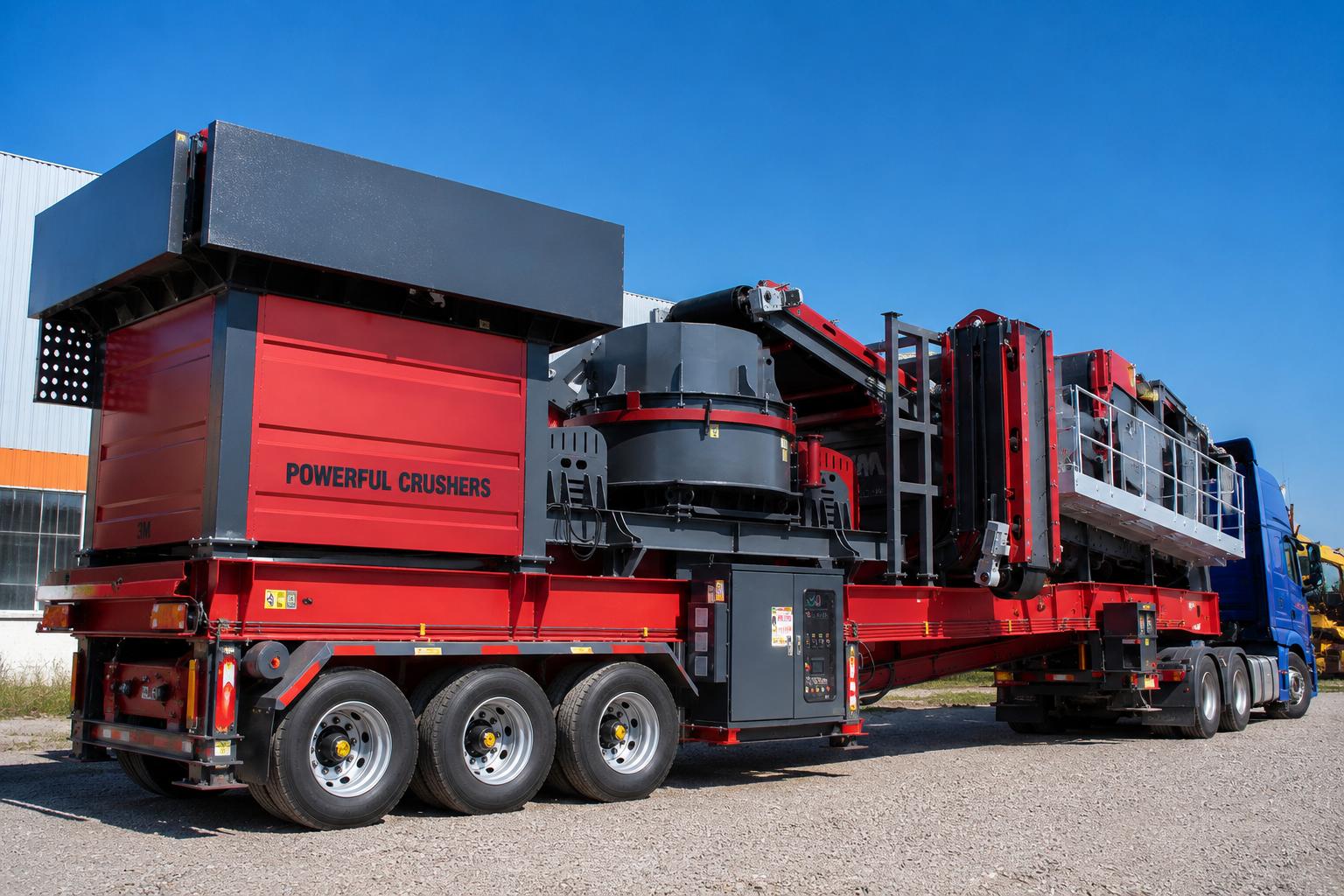

In crusher and stone-crushing plants the motor works in an extremely demanding environment: the load is continuous, impact-laden, and can at any moment meet an unexpected jam or foreign object. A piece of iron dropped into the crusher chamber, a steel excavator tooth or a hard unbreakable block (tramp iron) can suddenly lock the crusher jaw. This sudden jam creates a destructive torque peak within seconds along the drive line running from the motor to the crusher. If this energy is not absorbed or cut somewhere, the shaft bends, the gear breaks, the coupling shatters or the motor burns out. This is exactly where mechanical overload protection comes in. Electrical protections (thermal relay, MPCB) are often too slow to catch such a sudden mechanical event; that is why mechanical protection elements are critical in crushers. This article covers mechanical protection solutions such as the slip clutch (slip/fluid coupling), the shear pin and the torque limiter, how they work together with electrical protection, and the correct crusher motor selection.
Why Is Mechanical Overload Protection Needed?
Overload in a crusher comes in two forms: a slowly developing overload (over-feeding, choking) and a sudden shock load (foreign object, jam). Electrical protections protect the motor by measuring current, but their response is relatively slow; a thermal relay may take seconds to trip. Yet the torque surge created when a piece of iron jams the jaw can cause mechanical damage within milliseconds. So mechanical protection cuts or absorbs the energy instantly by forming a "physical weak link" or a "slipping connection" on the torque path.
The purpose of mechanical protection is to sacrifice a cheap, easily replaced element (pin, friction lining, clutch) instead of the most expensive and hardest-to-replace parts (motor, main shaft, gearbox). You can find the downtime cost of a motor failure in a crusher plant in our failure and downtime cost article, and the motor-flywheel-inertia relationship under shock load in our motor selection under shock load article.
Slip Clutch and Fluid Coupling
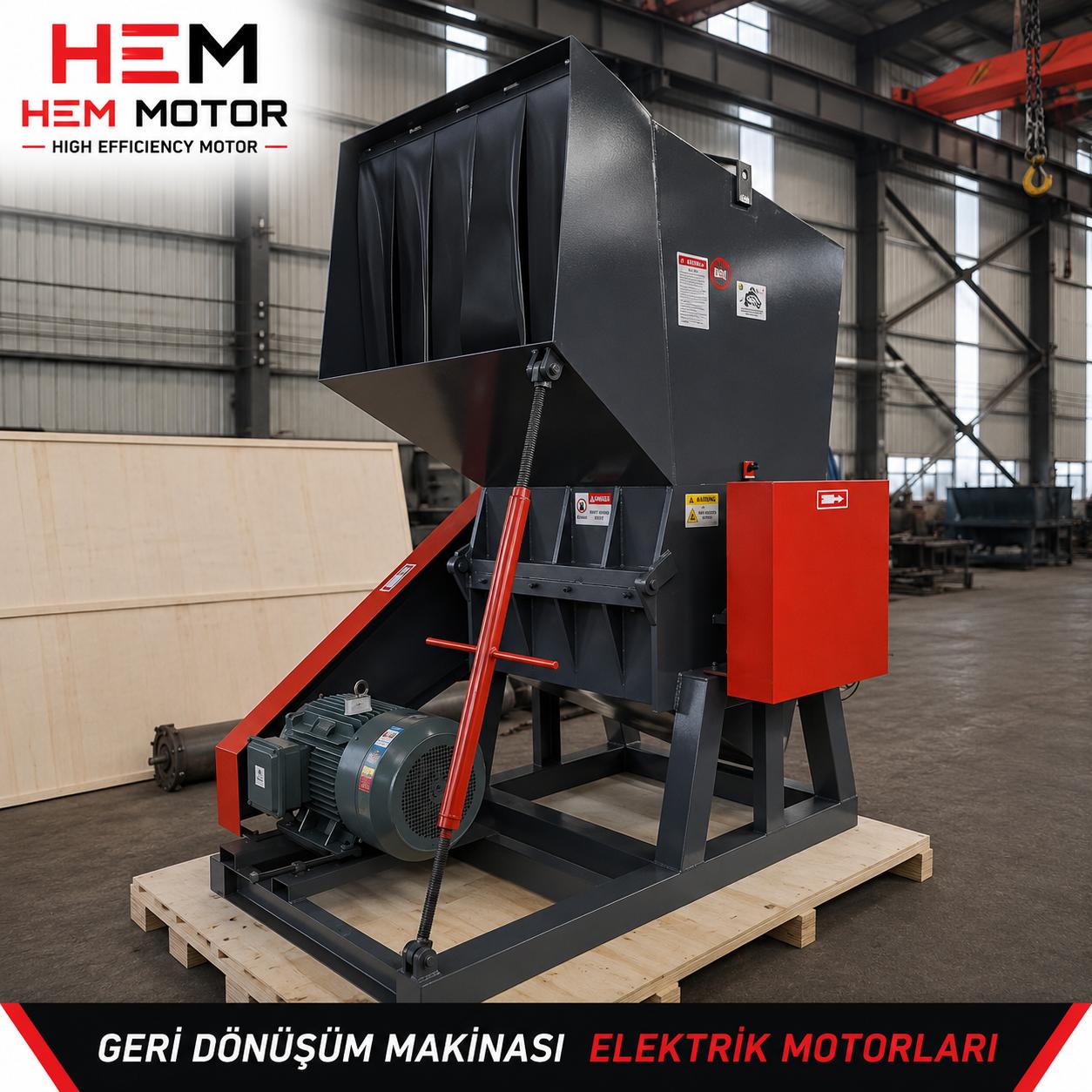
A slip clutch is a mechanical element that "slips" and loosens the drive connection when a certain torque value is reached. In a friction (lining-type) slip clutch, when the set torque is exceeded the linings slip relative to each other; thus the crusher can stop while the motor keeps turning, and the excess torque does not pass to the drive line. When the jam is cleared, the clutch grips again and the system returns to normal; no intervention such as a pin change is needed. This is a great advantage in frequently choking applications.
A fluid (hydraulic) coupling works on a different principle: the torque between the motor and the load is transmitted by the movement of oil inside it. This provides both a smooth start and protects the drive line by damping sudden shock loads. The fluid coupling serves both a starting and a protection function, especially in large crushers with high inertia. We covered this topic in depth in our fluid coupling and soft start article.
- Friction slip clutch: Slips at the set torque, grips again by itself once the jam clears.
- Fluid coupling: Smooth start + shock damping; ideal under high inertia.
- Advantage: No or fast recovery; protects the drive line.
Shear Pin and Torque Limiter
The shear pin is the simplest and most economical mechanical protection method. A pin designed to be sheared (broken) at a certain torque value is fitted inside a pulley or coupling on the drive line. When torque exceeds this value the pin breaks; the drive connection is physically separated and the motor is instantly relieved of the load. Thus the main shaft, gears and motor are protected. After the jam is cleared, a new pin is fitted and the system continues to run.
The torque limiter is a more advanced version of the pin: a spring-loaded ball or friction mechanism "free-wheels" when the set torque is exceeded and cuts the drive connection. Some types re-engage automatically, others require manual reset. Its advantage over the pin is that a part need not be replaced after every overload.
| Protection element | Operation | Recovery | Typical use |
|---|---|---|---|
| Shear pin | Breaks at set torque | Pin replacement needed | Simple, economical drives |
| Friction slip clutch | Slips at set torque | Automatic | Frequently choking applications |
| Torque limiter | Free-wheels at set torque | Auto/manual reset | Precise torque protection |
| Fluid coupling | Damps shock | Continuous | High inertia, large crusher |
Mechanical and Electrical Protection Working Together
Mechanical protection does not replace electrical protection; it complements it. In an ideal crusher drive line, two layers work together: the mechanical element cuts the sudden shock load within milliseconds, while electrical protection monitors continuous overload and winding heating to protect the motor. These two layers act against different threats and each covers the other's gap.
- Mechanical (pin/clutch): Physically cuts the sudden torque surge; it is fast.
- Thermal relay / MPCB: Cuts slowly developing overload and overcurrent.
- PTC/PT100 winding protection: Monitors winding temperature; stops on heating.
- Locked-rotor protection: Disables the motor before burnout when it cannot turn.
You can find winding temperature protection in our PTC/PT100 wiring article, the motor protection circuit breaker in our MPCB selection and setting article, and the thermal limit at locked rotor in our locked-rotor withstand time article. All of these protections together insure the motor against both sudden and slow threats.
Correct Crusher Motor and Protection Selection
Crusher motor selection does not end with fixing power and speed; the entire drive line must be thought of as a system. The following steps are followed in a correct selection:
- Determine the power according to the crusher type (jaw, impact, cone) and capacity.
- Choose a suitable motor and starting method for high inertia and shock load.
- Add the mechanical protection element (pin, clutch, limiter) suited to the drive line.
- Set the electrical protection (thermal, PTC, locked rotor) correctly.
- Choose IP protection and a suitable body for dusty/field conditions.
You can find power selection by crusher type in our crusher motor kW selection article, crusher starting methods in our crusher motor starting article, and motor protection in a dusty field in our stone quarry and mine motor protection article. The right motor + right protection combination both reduces downtime and protects the most expensive parts.
Tramp Iron and Foreign-Object Risk
In crusher plants the most frequent and most destructive cause of overload is metal pieces that slip into the crusher with the material. In the industry this is called "tramp iron": an excavator tooth, a bucket tip, iron left over after blasting, or even a hand tool forgotten during maintenance. When these hard, unbreakable pieces enter the crusher jaw, torque suddenly shoots to its peak as the machine tries to crush them. Mechanical protection elements exist precisely for this scenario.
To reduce this risk, plants place magnetic separators (iron removers) and metal detectors over the belts; but no measure is one hundred percent. So the last line of defense is always the mechanical protection on the drive line. We covered magnetic separator drive motor selection in our magnetic separator article. When mechanical protection and over-belt separation work together, foreign objects are both removed in advance and stopped without harming the drive line.
- Prevention: Removing iron at the source with a magnetic separator and metal detector.
- Protection: The mechanical element engaging when an escaped piece reaches the jaw.
- Monitoring: Catching abnormal load early with vibration and current monitoring.
You can find early fault detection with vibration monitoring and predictive maintenance in our crusher motor vibration monitoring article.
V-Belt and Pulley: A Natural Weak Link
Many crushers transmit the drive from motor to crusher with V-belts and pulleys. This arrangement also provides an advantage for mechanical protection: under overload the belts slip somewhat, damping part of the sudden torque surge and forming a natural "weak link" in the system. In a very severe jam, if the belts slip excessively they can heat up and be damaged; but this means a cheap belt is sacrificed instead of the motor or main shaft. If belt tension is not set correctly, both excessive slip and insufficient slip cause problems.
In V-belt-pulley drives, motor speed, pulley diameter and belt tension must be selected together; we covered this topic in our V-belt-pulley drive article. You can find the radial load the belt imposes on the motor shaft and the bearing life in our shaft radial load limit article.
Protection Setting and Maintenance
Mechanical protection elements work only when set correctly. The "release" torque of a shear pin or slip clutch must be set to a value above the motor's rated torque but below the strength limit of the mechanical system. If set too high, the protection engages too late and cannot prevent damage; if set too low, it releases unnecessarily even under normal crushing load and stops production. This balance is established by knowing the crusher's normal operating torque and peak-load characteristic.
- Correct torque setting: Above rated torque, below the damage limit.
- Periodic inspection: Lining wear, spring pressure and pin seat must be checked.
- Spare parts stock: Consumables such as pins and linings should be kept on site.
- Record keeping: Release events should be logged to track the jam trend.
This maintenance discipline guarantees that the protection truly works. A well-set protection, even if it engages only once a year, more than pays for itself through the major failure it prevents. We covered bearing life in crusher and mill motors in terms of shock and dust in our bearing life article.
Frequently Asked Questions
Why does mechanical protection come before electrical protection in a crusher?
Because sudden shock loads such as a foreign-object jam cause mechanical damage within milliseconds; electrical protections like a thermal relay cannot react that fast. The mechanical element (pin/clutch) cuts the torque surge instantly, protecting the shaft, gears and motor. Electrical protection then monitors slow overload and heating as a complement.
Should a shear pin or a slip clutch be preferred?
A shear pin is cheap and simple but must be replaced after every overload; in frequently choking applications it causes work loss. A slip clutch or torque limiter is more suitable for frequent jams because it recovers automatically or quickly after the jam clears. The choice is made according to jam frequency and downtime cost.
Does a fluid coupling provide both starting and protection?
Yes. A fluid (hydraulic) coupling lets the motor pick up the load smoothly, reducing starting current and mechanical shock; at the same time it damps sudden shock loads, protecting the drive line. This dual function is very valuable, especially in large crushers with high inertia.
For your crusher and stone-crushing application, you can source the motor of the right power and speed, together with mechanical protection (slip clutch, shear pin, torque limiter) and electrical protection recommendations suited to your drive line, from the manufacturer with stock availability and fast delivery. Share your crusher type, capacity and jam conditions; we will determine the most suitable motor and protection combination together and prepare a tailored quotation for you.