English
 Türkçe

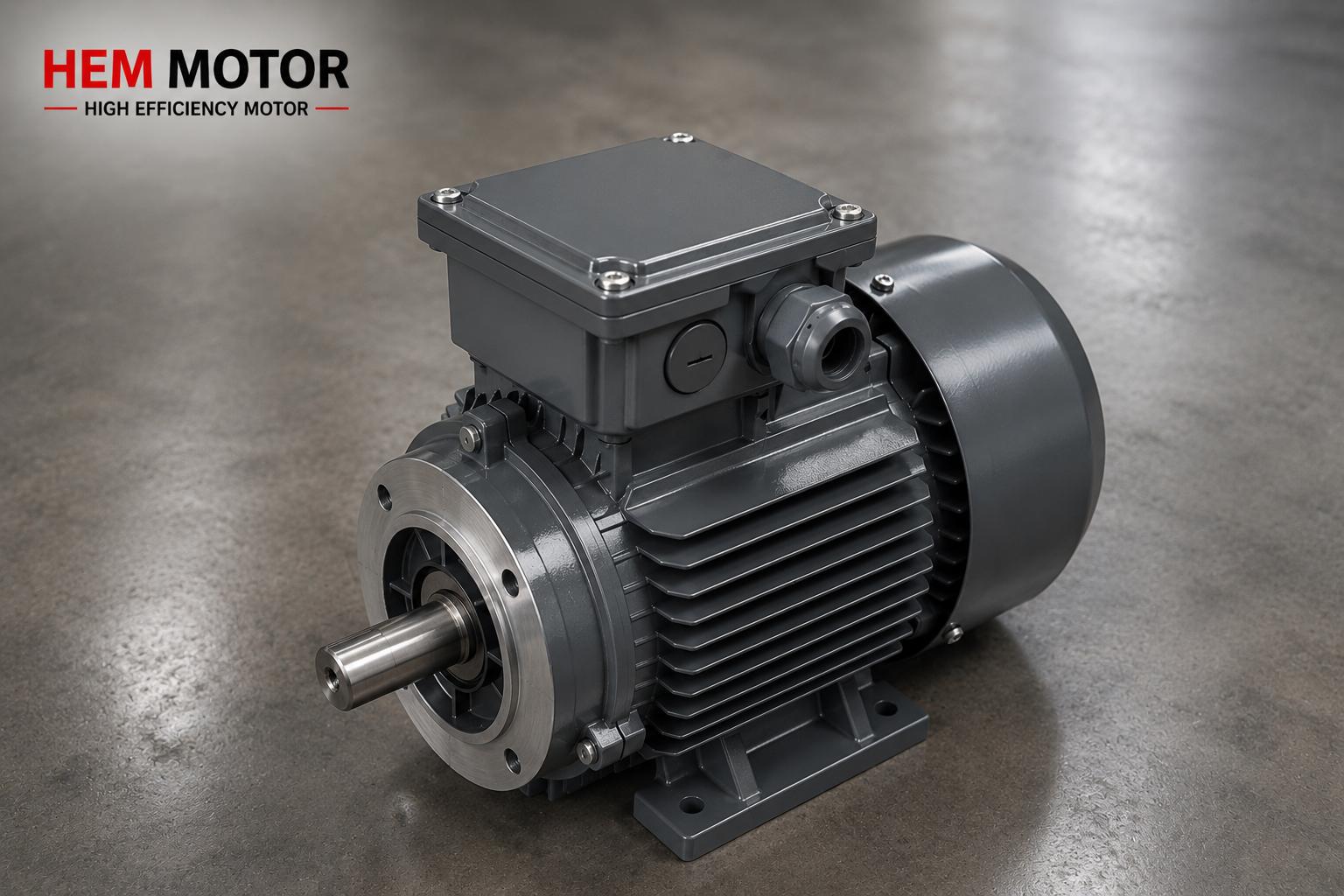

The single most important yet hardest-to-see difference that separates one cast iron motor from another is casting quality. Two motors can share the same IEC frame size, the same kW rating and the same protection class; yet one may run for years without vibration and stay cool, while the other shortens its life with early cracks, overheating and noise. Behind this lie metallurgical factors such as the casting quality of grey cast iron (GG / EN-GJL), porosity and slag defects, and the uniformity of wall thickness. In this article we look, from the buyer's perspective, at how to judge casting quality at the moment of purchase, what each defect leads to, and the risks of cheap, low-quality casting.
Why Is Grey Cast Iron (GG / EN-GJL) Preferred?
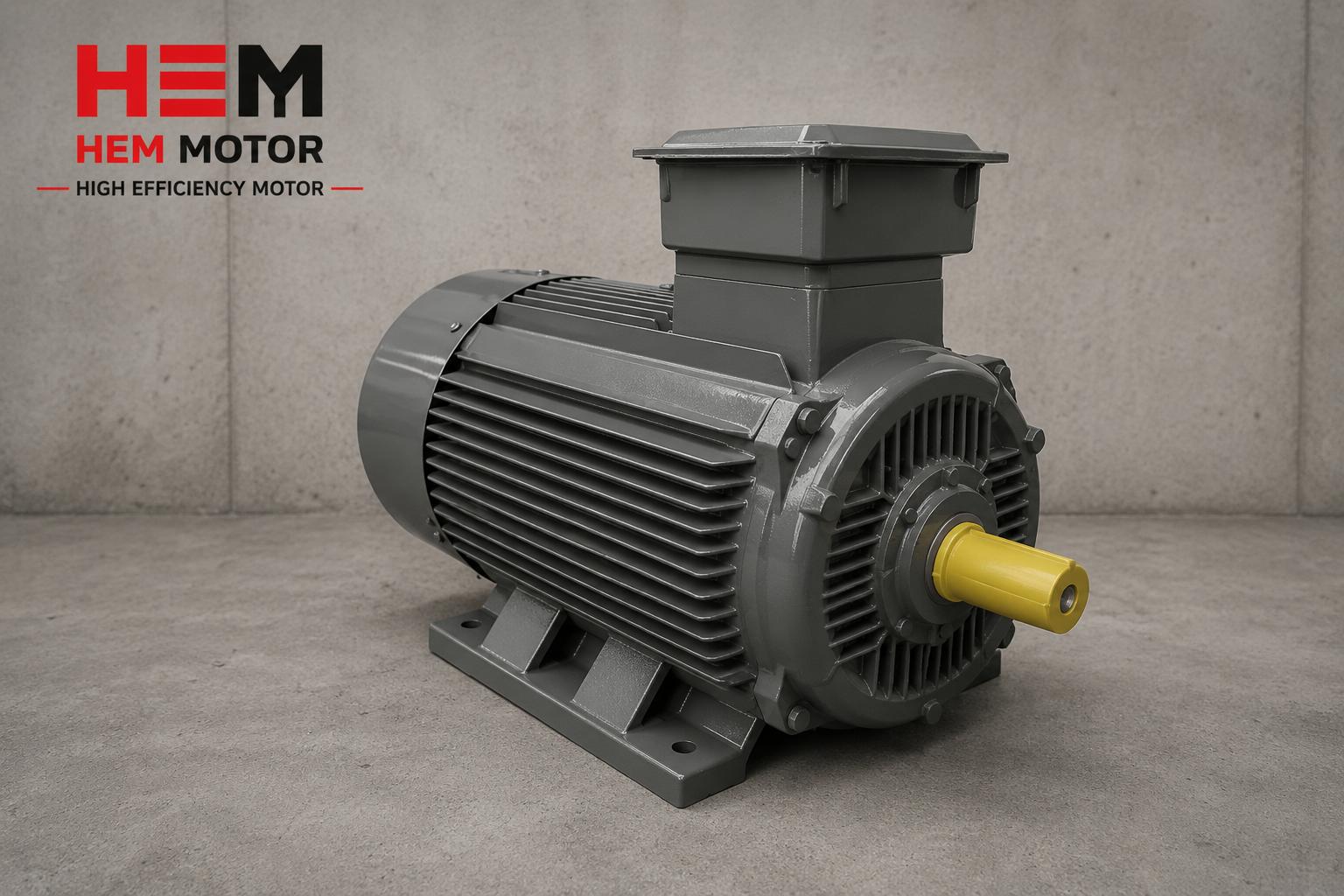
The most common material for a motor frame is grey cast iron, coded EN-GJL (formerly GG) in standards. Grey cast iron is ideal for a motor frame because of the vibration-damping ability of its lamellar graphite structure. The material absorbs the mechanical and magnetic vibrations created during operation, allowing the motor to run more quietly and stably. It also offers high compressive strength and good thermal conductivity; the frame plays a major role in carrying winding heat out through the fins.
This is exactly where the cast iron frame is superior to aluminium: higher rigidity, better vibration damping and longer life under heavy or impact loads. We cover the difference between cast iron and aluminium frames and which is right for which environment in cast iron vs aluminium frame? and the importance of frame rigidity under impact loads in impact resistance and frame rigidity in cast iron motors. But all these advantages depend on the casting being made correctly and flawlessly; a poor casting can negate every benefit of the material.
Porosity and Slag Defects: The Invisible Danger
Porosity is the presence of gas pockets or shrinkage voids left inside the metal during casting. This defect leaves small voids within the wall thickness that are invisible to the eye. These voids create three serious problems: first, they reduce the mechanical strength of the frame, creating crack-initiation points under impact and vibration; second, they interrupt the heat-conduction path, weakening heat transfer from the winding to the frame and making the motor run hotter; third, they threaten the IP protection class, because a pore that runs through the wall can open a path for moisture and dust to seep into the frame.
Slag defects are oxides and mould residues that mix into the metal during casting; these too form weak regions within the material. Porosity and slag defects are more common in cheap castings, because quality casting requires the correct melting temperature, good degassing, controlled cooling and a clean mould. To understand how these defects affect IP protection, see our article on IP protection class selection in electric motors; the role of condensation drainage in humid environments is covered in the condensation drain hole in cast iron motors.
The Effect of Porosity on Vibration and Life
A porous frame loses its vibration-damping ability and may amplify vibration instead of absorbing it. This shortens bearing life, increases noise and can lead to cracking over time. We cover acceptance values for vibration and balance in vibration and balance in electric motors: ISO 10816/20816 and low-noise motor selection in noise and vibration in electric motors. A quality, pore-free casting is the precondition for keeping these values within acceptance limits for many years.
Wall Thickness Uniformity: The Clearest Sign of Quality
Wall thickness is the thickness of the frame body and is perhaps the most critical indicator of casting quality. In a good casting, wall thickness should be uniform around the frame, i.e. close to equal at every point. A wall that is unevenly distributed, thin on one side and thick on the other, indicates poor mould and core positioning. The thin regions are both mechanically weaker and prone to cracking, accumulating shrinkage stresses during cooling.
Wall thickness determines not only strength but also the weight and heat capacity of the motor. Adequate, uniform walls give the frame good thermal mass; this means the winding temperature rises more slowly under short-term overloads. An over-thinned, "cost-saved" casting lightens the motor but reduces its thermal endurance and strength. We discuss the frame size, weight and wall relationship in cast iron motor frame sizes (IEC 56-355): weight and handling and frame machining tolerance and concentricity in machining, tolerance and concentricity in cast iron motor frames.
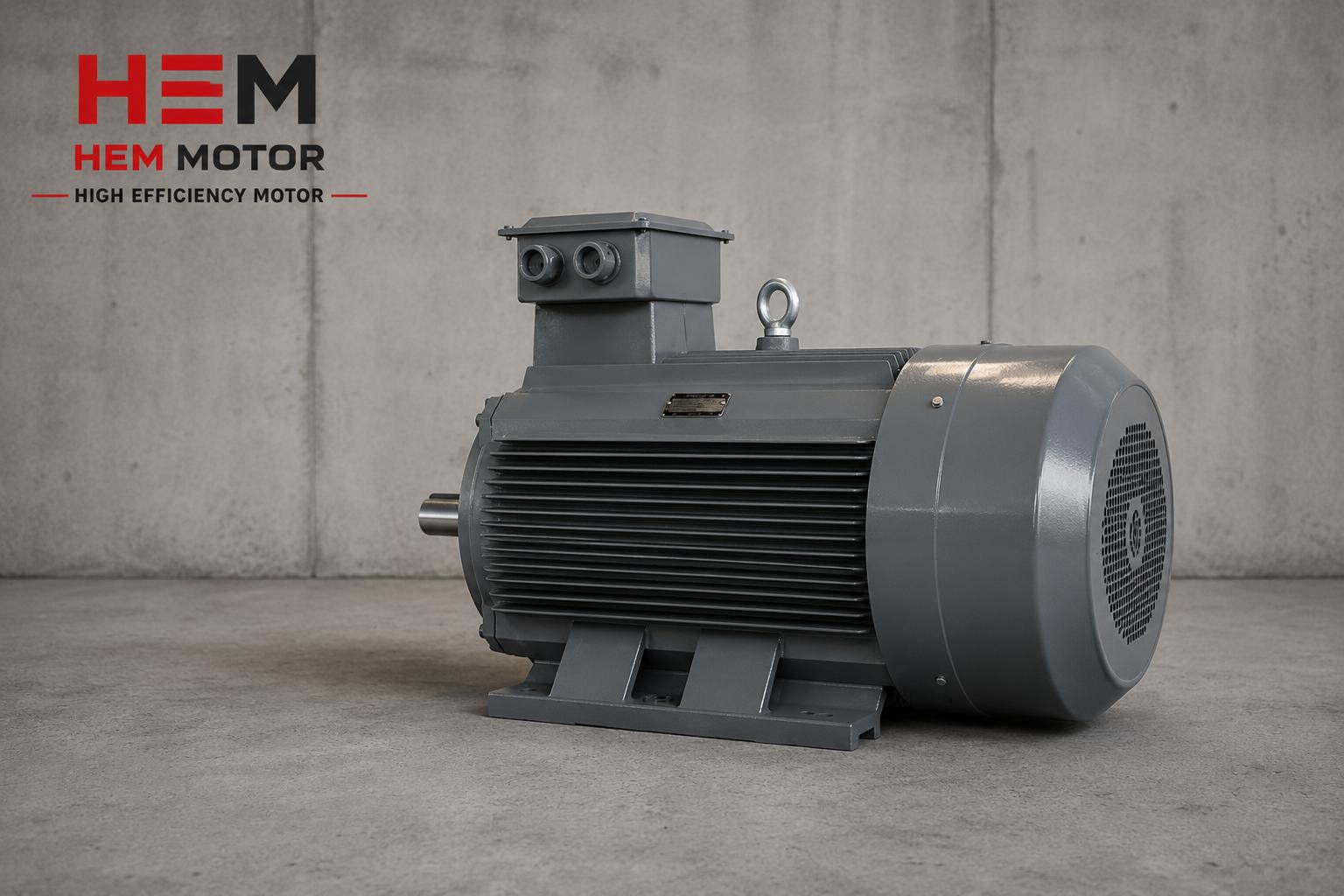
The Effect of Casting Quality on Damping, Strength and Heat Dissipation
A good casting performs three functions at a high level. In terms of vibration damping, sound, pore-free grey cast iron absorbs vibrations thanks to its lamellar graphite structure; this means quieter operation and longer bearing life. In terms of strength, a uniform wall and flawless internal structure keep the frame from cracking under heavy and impact loads; in applications such as conveyor drives, crushers and presses, this directly reduces downtime. In terms of heat dissipation, a continuous, void-free metal path allows the heat generated in the winding to be transferred quickly to the cooling fins and outside.
The design and cleanliness of the cooling fins are part of this heat dissipation; quality casting produces sharp, regular fins. We cover the effect of fins and dirt build-up on efficiency in cooling fins and dirt build-up in cast iron motors and power reduction (derating) at high ambient temperature in cast iron motors at high ambient temperature. You can find insulation class selection in hot and dusty environments in motors in hot and dusty environments.
The Risks of Cheap, Low-Quality Casting
Markedly cheaper motors of the same kW and frame size can be found on the market. A significant part of this price difference is often saved on casting quality: thinner walls, uncontrolled melting, insufficient degassing and use of low-quality scrap. The result is a lighter but more brittle, more porous, hotter-running and shorter-lived frame. Such motors may not cause trouble at first glance; but under heavy load, high ambient temperature or impact operation, the risk of early cracking and failure increases significantly.
Another risk created by low-quality casting is corrosion and surface quality; a porous surface prevents paint and cataphoresis coating from adhering well, accelerating corrosion. We cover corrosion protection in corrosion protection in cast iron motors and paint and cataphoresis coating in cast iron motors, and protection in marine/salt environments in cast iron motors in marine and coastal facilities. To evaluate motor life and early failure causes fully, our article on motor lifespan and the 7 causes of early failure is a good starting point.
Practical Ways to Judge Casting Quality at Purchase
As a buyer, you can read the signs that indicate quality even without laboratory testing. Look at surface quality: a smooth, regular casting with sharp edges is usually a sign of a good mould and controlled process; overly rough, blistered or repair-marked surfaces should raise suspicion. The sound heard when you gently tap the frame; a sound, dense casting gives a clear, full ring. Pay attention to weight: an abnormally light frame of the same IEC size may indicate a thinned wall. It is also important that machined surfaces such as the terminal box, feet and flange are clean and pore-free.
It is best to include these checks in the acceptance inspection at delivery. We cover damage and label checks at stock entry in electric motor incoming and acceptance inspection and transport, packaging and stacking in cast iron motors. You can find the signs of bearing and seat quality in bearing and seat life in cast iron motors. You can reach our full cast iron motor range from our homepage.
Frequently Asked Questions
Can I detect porosity in a cast iron motor from the outside?
It is not possible to see all internal porosity by eye, but there are strong clues: blisters or pore marks on the surface, small holes on machined surfaces, an abnormally light frame and a dull, non-ringing sound when tapped are suspicious signs. A regular, smooth casting that gives a full ring is usually healthier. For critical applications, it is best to ask the supplier for information on material and casting quality.
Why is wall thickness so important?
Wall thickness determines both mechanical strength and heat capacity. A uniform, adequate wall resists cracking under impact loads and helps the motor stay cool by dissipating winding heat better. An over-thinned wall lightens the motor but reduces its strength and thermal endurance; the risk of early failure increases especially in heavy duty and high ambient temperature.
Is it sensible to buy a cheap cast iron motor?
You need to understand the source of the price difference. If the low price is achieved by cutting casting quality, it may look like a saving in the short term but brings the risk of vibration, overheating, corrosion and early cracking in the long term. In continuously and heavily loaded plants, downtime cost quickly exceeds the difference in motor price. A quality casting with a uniform, pore-free wall is therefore more economical in the long run.
Get a Quote
Share your application's environmental conditions and load profile with us; let us determine together a cast iron motor of the quality your need requires. For a long-lived motor with quality casting, a uniform wall and the right protection class, call us at +90 (532) 345 49 86 or send your request via our contact page. Sharing your existing motor nameplate and operating environment speeds up the correct product match.
Purchasing and Quality Checklist
- Confirm that the frame material is grey cast iron (EN-GJL / GG).
- Look at surface quality: prefer a smooth casting with sharp edges and no repair marks.
- Be suspicious of abnormally light frames of the same IEC size; it may indicate a thinned wall.
- Check that machined surfaces (feet, flange, terminal box seat) are free of pores and holes.
- Expect a full, clear ring when tapping the frame; a dull sound may indicate porosity.
- Assess paint/cataphoresis quality and surface preparation for corrosion protection.
- Select the IP and insulation class suited to the operating environment (heat, dust, humidity, impact).
- Perform an acceptance inspection at delivery; record damage, label and surface checks.