English
 Türkçe


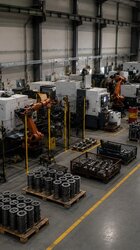
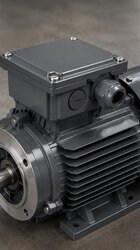
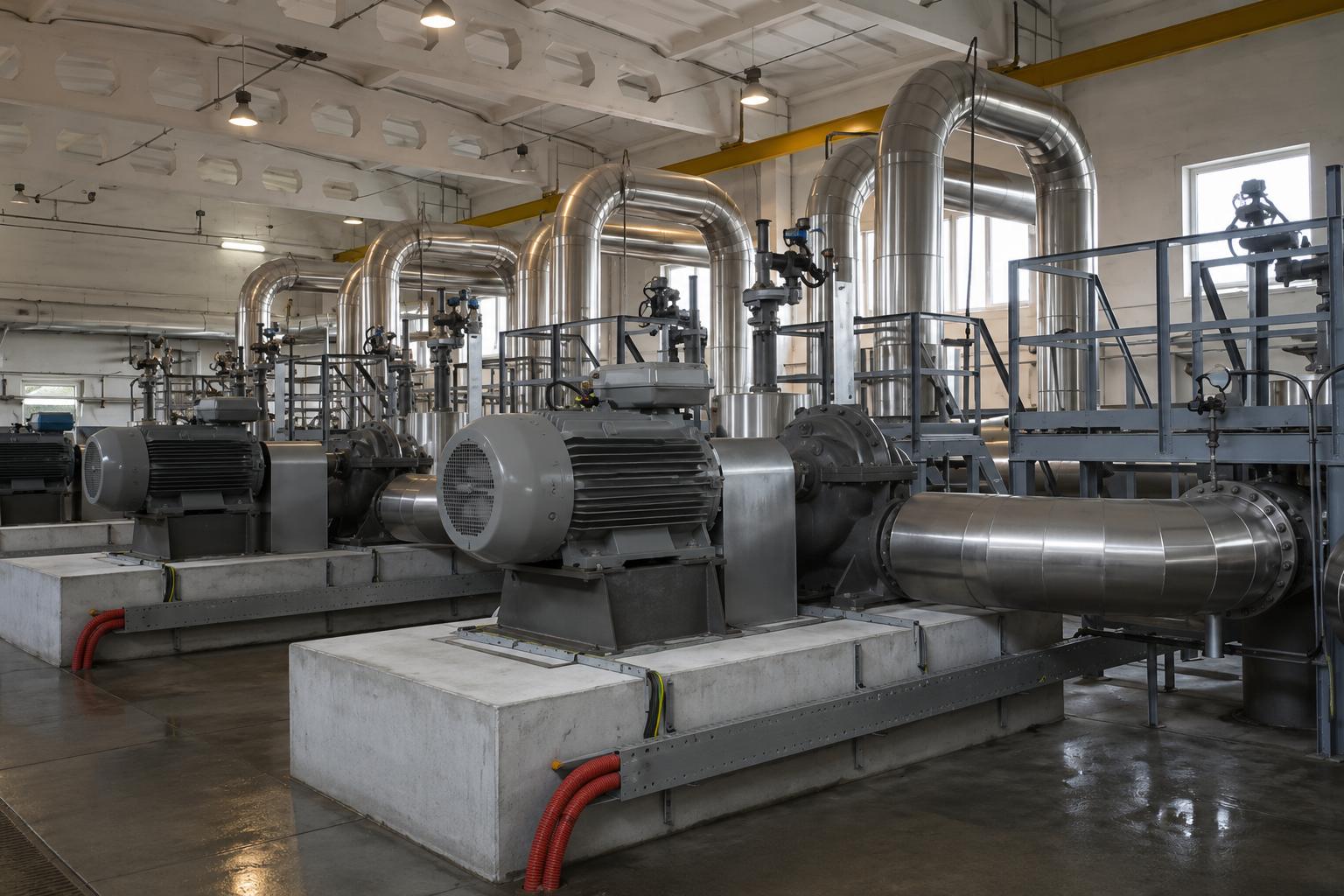

A typical concrete batching plant has between 15 and 25 electric motors running at the same time in four main groups: mixer motors, screw conveyor motors, belt (conveyor belt) motors, and vibrator motors. Each of these motors has its own demanding operating conditions; dust, moisture, sudden loads, and continuous operation all occur together. The reality on site is that a large share of batching plant stoppages stems not from a worn-out motor but from one that was wrongly selected at the outset or supplied too late when it failed. In this article we address the power, speed, and protection criteria for each motor group one by one, and explain what to watch when requesting a quote.
The Four Main Motor Groups in a Batching Plant
We can liken a batching plant to an orchestra; each motor group takes on a different role, and when one falters, all production stops. Let us first get to know these four groups and their characteristics.
1. Mixer Motors
The mixer is the motor right at the center of the heart, blending aggregate, cement, and water homogeneously. It must withstand high torque, a heavy starting load, and continuous shock loading. It usually works with a reducer and demands a high service factor. When the mixer motor stops, the plant stops entirely; this makes it the most critical motor in the group.
2. Screw Conveyor Motors
The screws that carry cement from the silo to the weighing hopper work in a dusty and abrasive environment. They are medium-power, usually geared motors. A high protection class against cement dust (at least IP55) and good sealing are essential. Turning a full screw at startup requires high starting torque.
3. Belt (Conveyor Belt) Motors
These drive the belts that carry aggregate from the stockpile to the weighing system. They work under continuous, steady load. Being used outdoors, they must be protected against external factors and dust. They are generally geared and medium-power.
4. Vibrator Motors
These are special motors that generate vibration to ensure material flow in silos and hoppers and to prevent bridging. Because they operate under continuous vibration, their bearings and bodies must be of a reinforced type suited to this demanding condition.
Selection Criteria for Each Group
Correct motor selection must be made according to each group's specific needs:
- Power: While the load is continuous in mixer and belt motors, starting torque is decisive in screw and vibrator motors. The correct power must be calculated separately for each application.
- Speed: In geared groups, motor speed and reducer ratio are considered together.
- Protection class: Due to the dusty and humid environment, at least IP55 is recommended; some points may require IP65.
- Insulation class: Due to continuous operation and heating, class F or H insulation is preferred.
- Mounting type: Flange connection to the reducer (B5/B14) is required in most groups.
When you determine these criteria separately for each motor, you achieve long-lasting and reliable operation at every point of your plant. For suitable power, protection, and mounting options, you can review the product range on our electric motor prices page.
Why Is the Protection Class So Critical?
A concrete batching plant is one of the harshest environments for a motor. The air constantly contains cement and aggregate dust, humidity is high, and wash water may splash. A motor with a low protection class fails its winding quickly as dust and moisture enter. For this reason, the protection class (IP) must never be compromised; a small initial saving returns multiplied through frequent failures.
What to Watch When Requesting a Quote
When requesting a quote for batching plant motors, each motor group must be defined separately. A good request should include: motor group (mixer/screw/belt/vibrator), power (kW), speed, protection class (IP), insulation class, mounting type, and reducer information if any. You should also ask whether spare stock can be supplied for the most critical motors. Because most plant stoppages stem from waiting for the delivery of a failed motor. Fast supply and spare stock support minimize unplanned downtime. For a quote tailored to your needs, you can request one through our electric motor prices page.
Frequently Asked Questions
Which motor is most critical in a batching plant?
The mixer motor is the most critical; because when it stops, all production stops. However, the failure of a screw, belt, or critical vibrator motor can also lock the line. For this reason, keeping a spare motor for the most-used powers is important.
Which protection class is recommended?
Due to the dusty and humid environment, at least IP55 is recommended. At points with wash water or heavy dust, a higher protection such as IP65 may be preferred. Compromising on the protection class leads to frequent failures.
Is keeping spare motors really necessary?
Yes. A large share of batching plant stoppages stems from waiting for the delivery of a failed motor. Spare motors procured in advance for the most critical powers and types prevent these unplanned and expensive stoppages.