English
 Türkçe

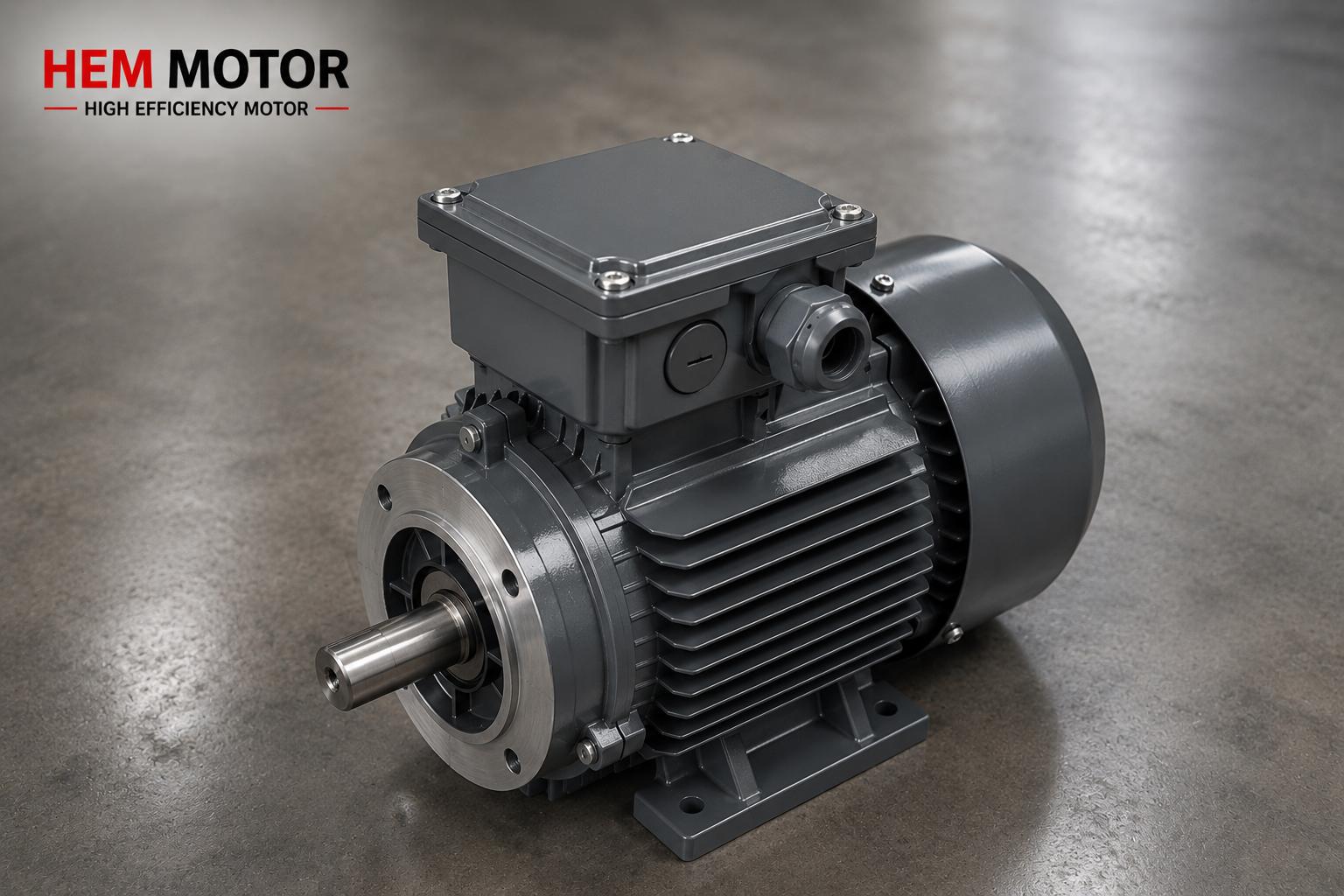

The bearing is the most worn and most frequently failing part in an electric motor. Although greasing maintenance extends the bearing’s life, when the balls or races are damaged, the only solution is to replace the bearing. In an IE3 motor, bearing replacement, when done correctly, practically resets the motor’s life; when done incorrectly, the new bearing fails again within a few months. In this article we address not greasing but bearing replacement: removal with a puller, installation by heating (induction), reading the correct bearing number (6206, 6308 etc.) from the nameplate or body, C3 clearance selection, the DE/NDE bearing difference, the need for an insulated bearing, and the most common installation mistakes. The aim is to help you do the replacement at service quality.
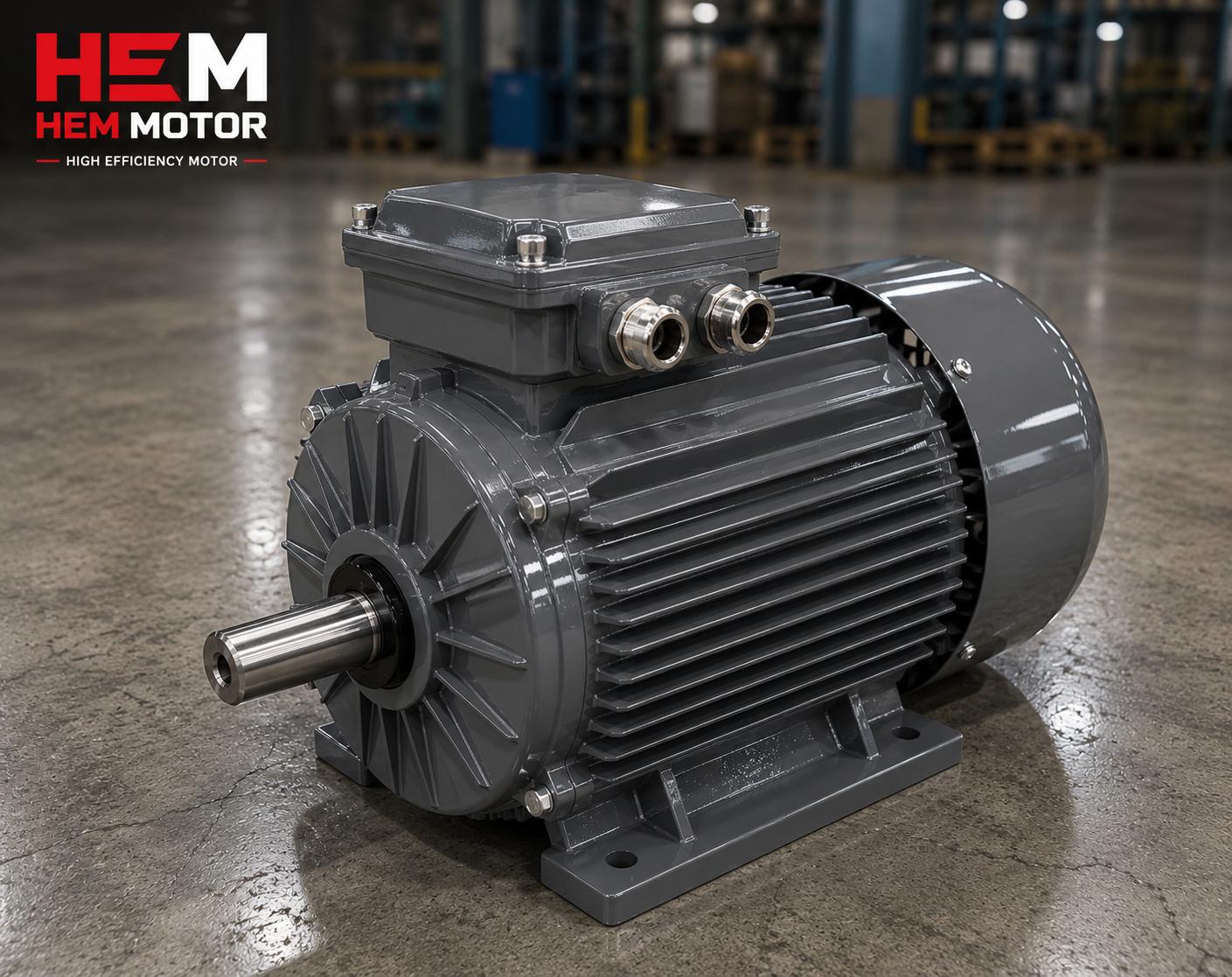
First the Decision: Replace or Buy a New Motor?
Before undertaking a bearing replacement, you need to decide whether the motor is worth repairing. In small frame motors, the labour and bearing cost can approach the price of a new motor. We addressed this decision in rewind the motor or buy a new one. We explained the motor’s failure symptoms and when it should be replaced in electric motor failures: symptoms, causes. A bearing failure usually reveals itself with noise and vibration; you can find vibration acceptance values in vibration and balance: ISO 10816 acceptance values.
An important distinction: this article explains bearing replacement. Periodic greasing maintenance of the bearing is a separate topic, which we addressed separately in bearing greasing and lubrication in an IE3 motor.
Determining the Correct Bearing Number
Fitting the wrong bearing is the most common and most expensive mistake. There are several ways to determine the correct number:
- From the old bearing: The number is written on the side face of the removed bearing (e.g. 6206, 6308, 6310). This is the most reliable source.
- From the motor nameplate or body: On many IE3 motors, the DE (drive end) and NDE (non-drive end) bearing numbers are written on the terminal box or body.
- From the frame-bearing table: Knowing the motor’s frame size, the standard bearing number can be found from a table. You can see the frame-shaft relationship in shaft diameter and frame table in an IE3 motor.
What Does the Bearing Number Tell?
A standard ball bearing number encodes the bearing series and bore diameter. For example, in 6206 “62” is the series, and the last two digits (06) indicate 5 times the bore (30 mm). In 6308 the bore is 40 mm. The letter/suffix at the end of the number indicates the clearance class (e.g. C3) and the sealing type (ZZ, 2RS). Therefore, saying just “6206” may not be enough; the clearance class must also match.
Why Is C3 Clearance Important?
Electric motors generally use bearings with C3 internal clearance. C3 means a slightly more open internal clearance than the standard. While the motor runs, the inner race heats up and expands together with the shaft; if the bearing clearance is insufficient (standard C0/CN), the clearance disappears with heating, the bearing seizes and fails early due to overheating. C3 clearance leaves room for this thermal expansion. Therefore, when replacing a bearing in a motor, it is critical to select the same clearance class as the old bearing (mostly C3). The wrong clearance class is the most insidious mistake that shortens the new bearing’s life. We detailed the bearing type and life relationship in bearing type and life in an asynchronous motor.
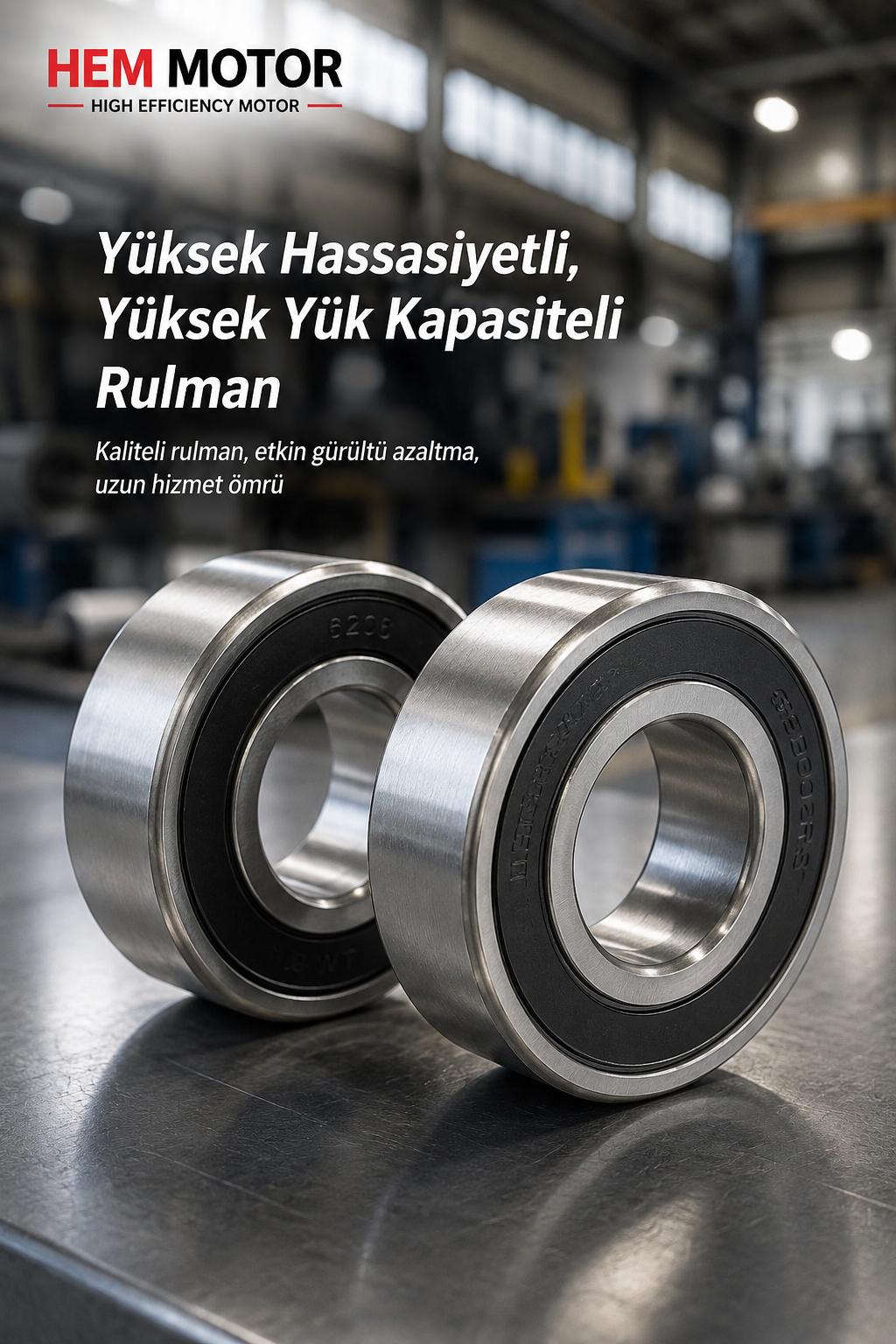
Removal: Correct Extraction With a Puller
When removing the old bearing, the most critical rule is that the removal force must not damage the shaft or housing. Because the bearing sits on the shaft with an interference (press) fit, it does not come off by hand; a suitable puller is used. Points to watch during removal:
- The puller’s claws must engage the inner race; if force is applied from the outer race, the bearing falls apart and can damage the shaft.
- The removal force must be applied to the centre of the shaft, in the axial direction.
- The shaft end and housing must be kept clean; burrs, nicks or rust must be removed.
- Before discarding the removed bearing, the failure type should be examined (wear, burning, pitting); this indicates the actual cause of failure. If there is another problem such as a broken rotor bar or alignment error, simply replacing the bearing is not enough. We addressed this in broken rotor bar.
Installation: Fitting by Heating (Induction)
The correct way to fit the new bearing onto the shaft is to expand it by heating and slide it onto the shaft. The bearing is heated in a controlled way with an induction heater (or a suitable heating method); once its bore expands, it seats easily on the shaft and grips tightly when it cools. It must never be fitted with a hammer or impact; impact leaves marks on the races through the balls (brinelling) and the bearing is damaged before it even runs.
- The bearing must not be heated above the temperature recommended by the manufacturer; excessive heat ruins the hardness of the bearing steel.
- Before heating, the shaft and housing must be clean and lightly oiled.
- While the bearing seats on the shaft, it must be pushed axially and not seated crooked.
- After installation, the bearing clearance and free rotation of the shaft must be checked.
DE and NDE Bearings: The Two Sides Are Not the Same
The bearing on the motor’s drive side (DE – Drive End) is usually different from the one on the non-drive side (NDE – Non-Drive End). Because the DE side carries the coupling/pulley load, it often has a larger number. Also, one side is mostly designed as fixed and the other as axially floating; this allows the thermal elongation of the shaft. In replacement, both sides must be fitted with the correct number and in the correct position (fixed/floating).
Finding the Real Cause of the Bearing Failure
The most common strategic mistake in bearing replacement is simply replacing the bearing without investigating the actual cause of failure. A bearing rarely fails on its own; it is usually the result of an underlying cause. Examining the removed bearing reveals this cause:
- Pitting and fluting marks on the races: Often point to VFD-induced bearing current; in this case an insulated bearing is needed.
- Brinelling at one point: Result of incorrect installation (hammer fitting) or long motionless holding.
- Overheating mark (blue-brown discolouration): Points to insufficient clearance, excess grease or inadequate cooling.
- One-sided wear: An indicator of a shaft alignment error or side load from the coupling/pulley.
If the real cause is an alignment error, the new bearing too will fail the same way in a short time. Therefore, the shaft-machine alignment must definitely be checked after replacement. We addressed coupling selection and shaft alignment in flexible or rigid coupling? shaft alignment and noise and vibration sources in noise sources in an asynchronous motor. You can find factors affecting bearing life such as impact and dust in bearing life in crusher and mill motors.
Sealing and Grease Selection
When fitting a new bearing, the sealing type must not be overlooked either. There is a difference between an open bearing (e.g. 6206) and a sealed bearing (6206 ZZ or 2RS): an open bearing is protected by the motor’s own oil seal and can be greased from outside; a sealed bearing is greased internally and is not regreased. In motors running in dusty or humid environments, correct sealing selection directly affects bearing life. We detailed oil seal and sealing in oil seal and sealing in cast iron motors.
If an open (greasable) bearing is used, the correct grease type and quantity matter. Wrong grease or excess grease causes the bearing to overheat. We addressed greasing and lubrication maintenance in bearing greasing and lubrication in an IE3 motor. You can find the effect of bearing type on life and insulated bearing options in bearing type and life in an asynchronous motor.
First Start After Replacement
It is not correct to run the motor at full load immediately after bearing replacement. First it is checked that the shaft turns freely by hand, then the motor is run unloaded and vibration and noise are listened to. A new bearing may warm up slightly in the first hours; this is normal, but excessive heating indicates an installation error. At first start, insulation resistance (megger), rotation direction and vibration must be measured. We explained the megger test and the check on a stock motor in insulation resistance and megger test in an asynchronous motor. You can find temperature monitoring (PT100/PTC) in motor winding temperature monitoring.
When Is an Insulated Bearing Needed?
If the motor runs with a frequency drive (VFD), the bearing currents that form on the shaft can erode the bearing over time. In this case, fitting an insulated bearing or a ceramic-ball bearing to the NDE side prevents the current from passing through the bearing. In IE3 motors running with a VFD, this point must not be skipped during bearing replacement; otherwise the new bearing fails for the same reason. We explained VFD-induced bearing current and protection in VFD and bearing current protection in an asynchronous motor. You can find the insulation, rotation direction and vibration checks during post-replacement commissioning in incoming and acceptance inspection and motor commissioning checklist. Visit our home page for our product range.
Frequently Asked Questions
Where can I find the bearing number?
The most reliable source is the writing on the side face of the removed old bearing (e.g. 6206 C3). Also, on many IE3 motors the DE and NDE bearing numbers are written on the terminal box or body. If you cannot reach this information, you can find the number from the motor’s frame size with the help of a standard bearing table. Besides the number, do not forget to match the clearance class (usually C3).
Can I fit the new bearing with a hammer?
No. Fitting the bearing with a hammer or impact leaves permanent marks on the races through the balls (brinelling) and the bearing is damaged before it even runs. The correct method is to heat and expand the bearing in a controlled way with an induction heater (or a suitable heating method) and slide it onto the shaft. The heating temperature must not exceed the value recommended by the manufacturer.
What happens if I fit a standard bearing instead of C3 clearance?
In an electric motor, the inner race heats up and expands while running. C3 clearance leaves room for this expansion. If you fit a bearing with standard (C0/CN) clearance, the internal clearance disappears with heating, the bearing seizes, overheats and fails early. That is why it is critical to select the same clearance class as the old bearing (mostly C3) when replacing a bearing in a motor.
Get a Quote
If your motor whose bearing has been replaced is beyond repair, or if buying a new IE3 motor makes more sense, contact us for a stock motor in the right power, speed and frame. Share the nameplate information of your existing motor; let us quickly find a direct-equivalent IE3 motor. To get a quote right away, call us on +90 (532) 345 49 86 or reach us through our contact page.
Bearing Replacement Checklist
- Is the correct bearing number confirmed from the old bearing/nameplate/body?
- Is the clearance class (usually C3) matched with the old bearing?
- Are the different numbers of the DE and NDE bearings verified separately?
- Are the fixed and floating side positions preserved?
- Is removal done with a puller, applying force from the inner race?
- Is the new bearing fitted by heating (induction), not with a hammer?
- Are the shaft end and housing cleaned, and burrs/rust removed?
- Is the need for an insulated/ceramic bearing evaluated in a VFD-driven motor?
- Are megger, rotation direction and vibration checks done after replacement?