English
 Türkçe


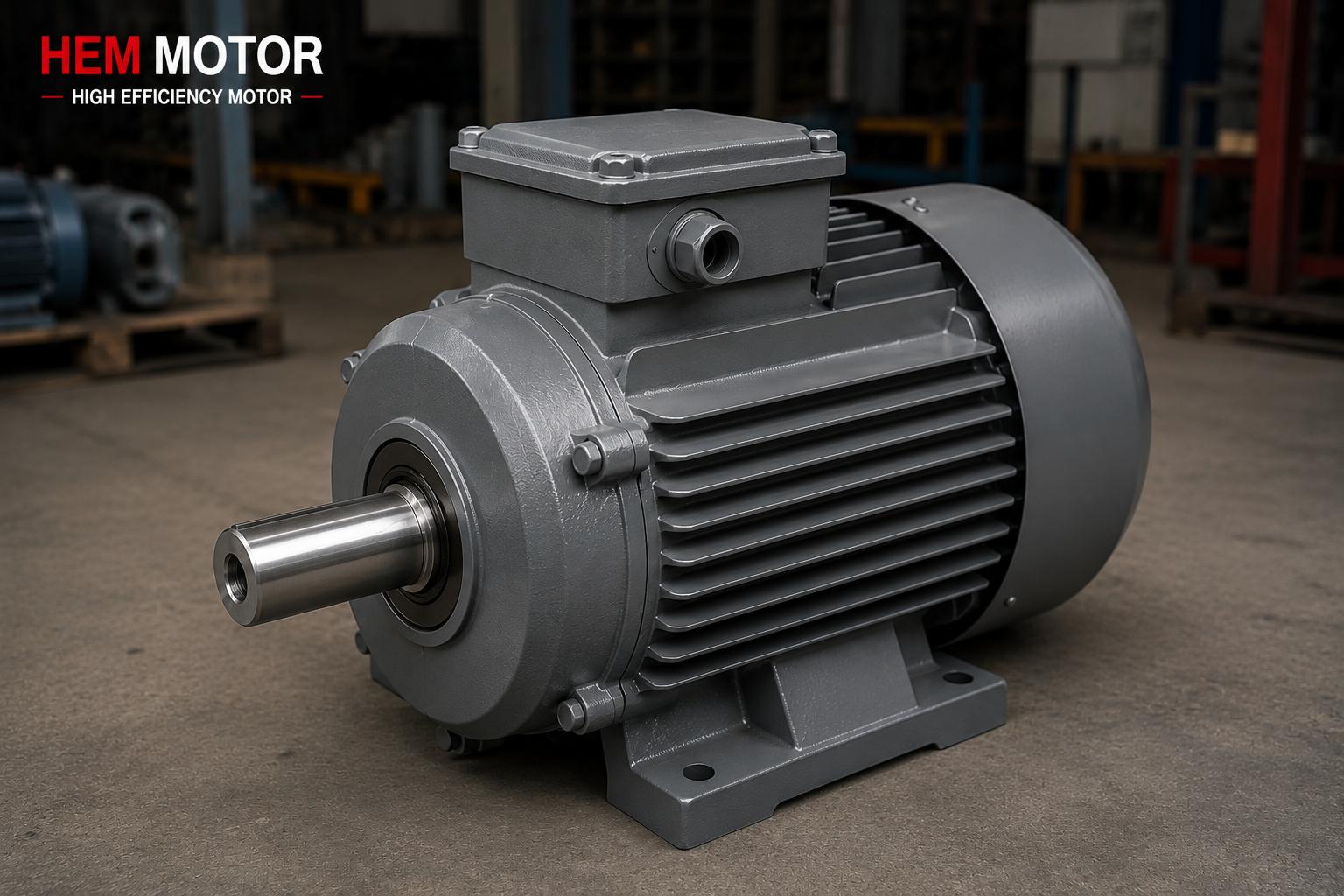

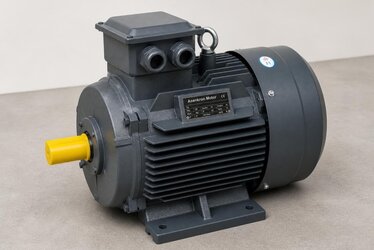
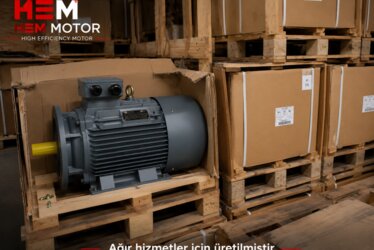
Converting the entire motor fleet to IE4 at once is neither necessary nor budget-feasible for most businesses. The right strategy is to start the IE4 investment with the motors that will pay for themselves fastest. So which motor in a facility should become IE4 first? This guide sets out clearly, from a purchasing perspective, how a buyer of an IE4 super premium motor should prioritize the investment by payback period and which applications come first. As HEM Motor, with our identity as manufacturer and seller, we look at your facility load profile and determine together which motors to replace first for the highest return.
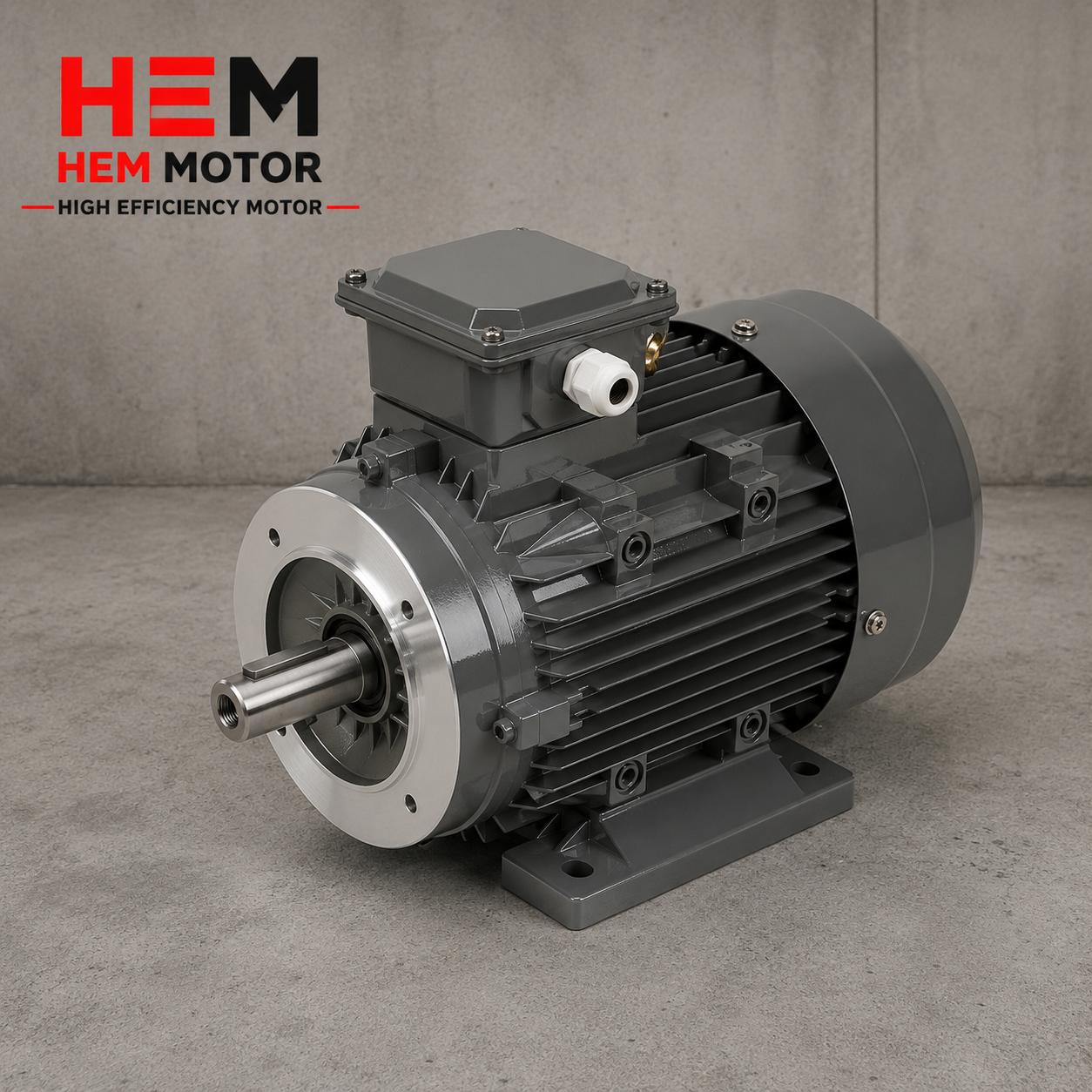
The Two Factors That Determine IE4 Investment Payback
The efficiency difference an IE4 motor gains over a standard motor returns as lifetime energy savings. How quickly this saving pays back the extra cost depends on two things: the motor annual operating hours and its power. High operating-hour and medium-large power motors pay back the IE4 investment fastest. In low-hour and small-power motors, the return is slow. Therefore prioritization should always start with the motors with the highest operating hours x power product.
Why Is Continuous Load the Most Important Criterion?
The longer and more fully loaded a motor runs, the higher its energy consumption and the larger the saving the efficiency difference becomes. A compressor motor running 24 hours a day on three shifts consumes many times more energy than a door motor running a few hours a week. That is why the first target in moving to IE4 is always motors running continuously and under full load. For fleet management in three-shift facilities, our article on motor fleet management addresses the replacement schedule and prioritization.
Sectoral Priority Order: Which Application First?
The order below shows typical prioritization in moving to IE4 by payback period. Evaluate the applications in your facility with this logic.
1. Continuously Running Pumps
Water supply, booster, circulation and process pumps run almost continuously in most facilities. High operating hours and constant load put these motors first in IE4 priority. In a pump motor, the return of IE4 is one of the fastest-visible items. Our article on the IE4 threshold in pumps, fans and compressors details the IE4 threshold in pump applications.
2. Fans and Blowers
HVAC, ventilation, blower and process fans also run continuously for long hours. Since most fan motors run at constant speed and close to full load, the efficiency advantage of IE4 is directly reflected in the bill. Moving fan motors to IE4 in continuously operating ventilation systems should rank early.
3. Compressors
Compressed air compressors, especially screw types, are among the highest electricity consumers in a facility and usually run under load all day. Therefore compressor motors are high in IE4 priority. For matching when renewing a compressor motor, our article on compressor motor replacement explains the correct substitute.
4. Conveyor and Belt Drives
Conveyor and belt motors on production lines run continuously as long as the line operates. In facilities with many conveyor motors, moving them to IE4 provides serious savings in total. Due to their high-hour continuous load profile, conveyors are also an early priority.
5. Mills, Mixers and Other Continuous Processes
Large-power motors rotating in continuous processes such as flour mills, feed factories, cement and mixers pay back the IE4 investment quickly due to both high hours and large power. In these sectors it is sensible to prioritize the main drive motors.
Motors That Can Be Left Until Last
Conversely, the following motors can be left until last in IE4 priority: standby/emergency motors, seasonally operated equipment, briefly engaged door, crane and lifting motors, and small-power auxiliary drives. Since operating hours are low in these, the payback of IE4 is slow; unless the regulation requires it, staying with IE3 can be economical. We covered the situations where staying with IE3 is sensible in detail in our article on staying with IE3 or moving to IE4.
Prioritization With a Payback Calculation
To quantify prioritization, list the annual operating hours and power of each motor; start with the motors whose product of these two is highest. Our article on replacing your old motor with IE4 shows step by step the payback period and real consumption calculation of replacing an old standard motor with IE4. To see the efficiency class investment from a total cost of ownership perspective, our article on TCO in high-efficiency motors is also a guide. For all high-efficiency motors, you can review our efficient electric motors page.
Frequently Asked Questions
Do I need to move all motors to IE4 at once?
No. The right strategy is prioritization: start with high operating-hour and medium-large power motors (continuous pumps, fans, compressors, conveyors). You can leave low-hour and small-power motors until last. This way you direct your investment budget to where it pays back fastest.
Which application pays back the IE4 investment fastest?
Usually compressors running under load all day and continuously rotating pumps provide the fastest payback, because they run at both high hours and full load. Continuous fans and conveyors follow. We can produce a clear order according to your facility load profile.
Will an IE4 motor fit mechanically in my existing place?
In most cases, since IE4 motors use the same IEC frame, foot and shaft dimensions, they fit exactly. Still, the frame size and connection type should be verified by the nameplate. If you share your motor details, we will recommend a mechanically compatible IE4 equivalent.
Get a Quote
Which motors in your facility, moved to IE4 first, provide the highest return? Send us the power, speed, annual operating hours and applications of your motors; as HEM Motor, let us prioritize according to your load profile and provide a fast quote for the motors that pay back fastest. You can call us at +90 (532) 345 49 86 or reach us via our contact page.