English
 Türkçe

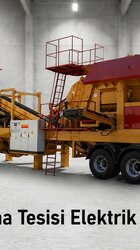
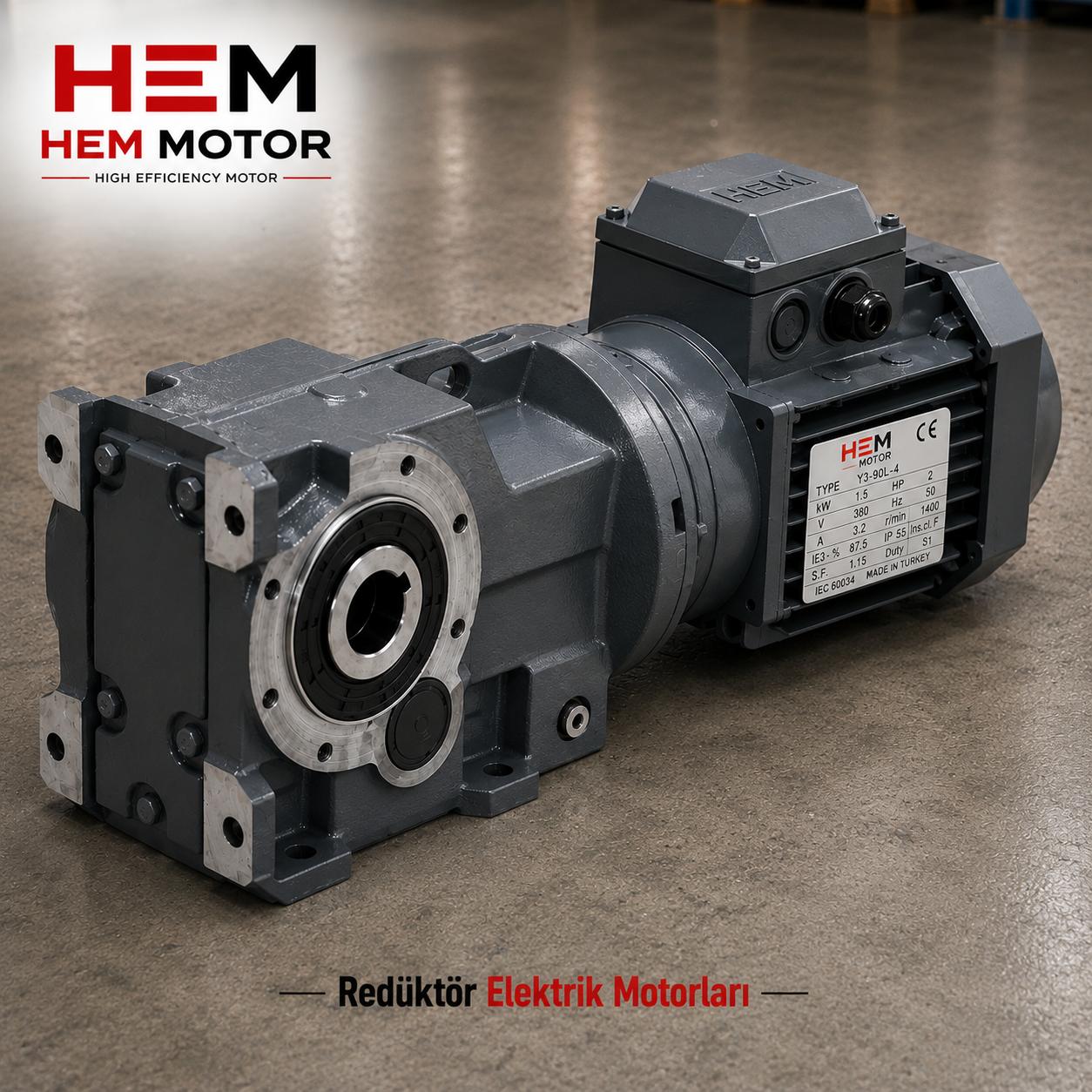

At ore-preparation and mining plants, mill drive is the toughest load a motor can face. The tonnes of grinding media and ore inside a ball or rod mill expose the motor to both high inertia (GD2) and sudden torque fluctuations; moreover, this load continues uninterrupted for days, in a dusty and vibrating environment. A wrongly selected motor either stalls in star during star-delta starting, overheats and stops, or develops bearing and winding faults in a short time. This article clarifies, for businesses that supply mine and ore mill motors, the high-torque and heavy-duty requirements: starting torque, inertia and starting method by mill type, dust protection and continuous full-load endurance; and the information to provide in the quote to get the right motor in a single order.
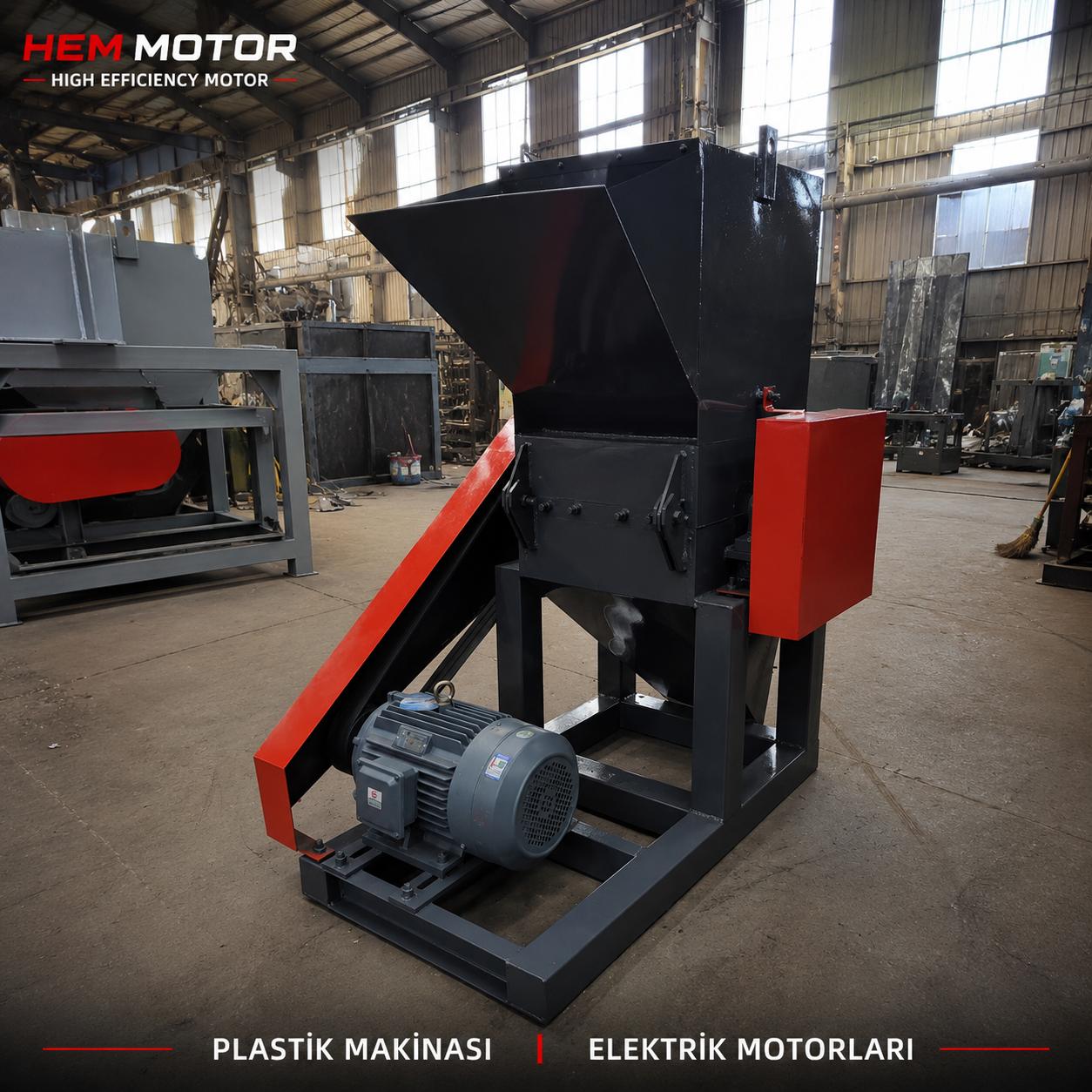
Why Is the Mill Load So Demanding?
Ball mills and rod mills crush and thin ore with grinding media inside a large rotating drum. This load strains the motor in three ways:
- High inertia (GD2): The drum and the grinding media inside it form a very large rotating mass; the motor draws high current for a long period to accelerate this mass at start-up.
- High starting torque: When the mill stops, the grinding media settle at the bottom; at restart the motor needs high starting (locked-rotor) torque to break this load free.
- Continuous full load: The mill runs in S1 continuous duty, often near its rated power; the motor must withstand heating and long-term full load.
That is why mill motor selection is not a standard motor selection; it requires a high torque class, strong cooling and durable bearings. We covered motor behaviour under impact and high-inertia loads in our motor selection under impact load: flywheel and inertia article.
Why does the torque class (Design N/H) matter?
For loads requiring high starting torque, such as a mill, the motor torque class becomes critical. High-starting-torque (Design H-like) motors keep the locked-rotor torque high and can break the mill loose from rest. If the torque class is selected wrongly, the motor cannot start or overheats during start-up. We detailed the selection of torque classes by load in our torque classes (Design N/H) and starting torque article.
Starting: Soft Starter and High Inertia
For high-inertia loads like a mill, direct-on-line (DOL) starting both draws very high starting current and creates mechanical shock. That is why the starting method is carefully chosen for large mill motors:
- Soft starter: Controls the starting current and torque with a smooth ramp; reduces mechanical shock on high-inertia mills and extends belt-coupling life.
- Star-delta: A more economical solution, but on a high-inertia load the motor may not produce enough torque in the star position and may prolong the start; it is not suitable for every mill.
- Frequency drive (VFD): Provides controlled start-up and speed adjustment; preferred on some modern mill drives.
We compared the starting methods for crusher and mill motors in our starting: soft starter, star-delta article. On high-inertia mills, a soft starter or VFD is generally recommended.
Dust Protection and Heavy-Duty Endurance
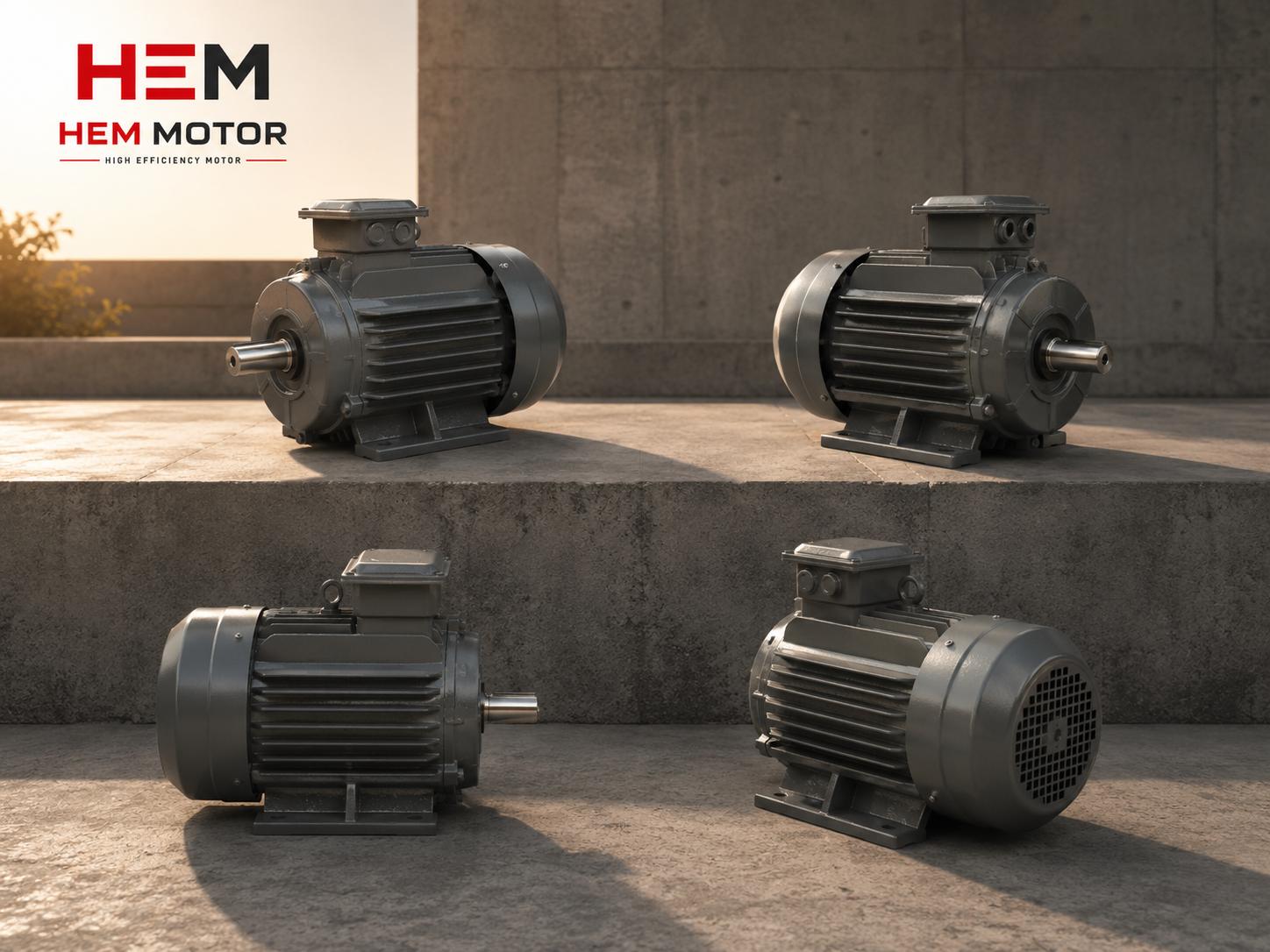
Mine and ore plants are heavily dusty environments; fine ore dust accumulates on the motor cooling fins and seeps into the bearing seals and terminal box. That is why dust sealing is critically important in a mill motor. In a dusty site, IP65/IP66 protection and the right seal selection directly determine the motor lifespan; our dust sealing and IP65/IP66 article covers this topic.
The second effect of dust is cooling: when the fins are covered with dust, the motor cannot dissipate heat and overheats at continuous full load. Regular cleaning and the right cooling design are essential; we examined this in our motor cooling and overheating article. Bearing life also depends on impact, dust and lubrication; our bearing life: impact, dust and lubrication article explains heavy-duty bearing selection.
Field protection against dust, humidity and impact
Mill motors often operate in a quarry or mine site, in an open or semi-open environment; dust, humidity and vibration come together. We covered the field motor protection strategy in our motor protection in quarry and mine sites article. A cast iron body is the preferred choice for mechanical durability in this environment.
Motor Need by Mill Type
In mine and ore preparation, different mill types require different motor characters. To select the right motor, you first need to define the mill type and operating regime:
- Ball mill: Grinds finely with steel balls; high inertia and continuous full load are typical. It is generally driven by 4-pole or lower-speed, high-torque motors. On large ball mills, a soft starter or clutch starting is common.
- Rod mill: Grinds coarsely with steel rods; carries high inertia similar to the ball mill, and starting torque is critical.
- Hammer mill: Performs impact crushing with hammers; turns at high speed, with sudden load fluctuations. Here the torque margin and thermal endurance of the motor are important.
- Vertical shaft and attrition mills: Finer grinding applications; speed control and continuous operation come to the fore.
The common point in every type is that the motor runs under continuous heavy load and in a dusty environment. That is why, regardless of the mill type, the motor is selected with a high torque class, strong cooling, durable bearings and high dust protection. We also covered kW selection in crusher and mill drives by crusher/mill type in our kW selection: jaw, impact, cone article.
From Crusher to Mill: The Whole Grinding Line
In a mine plant the mill does not work alone; before it there is a chain of crusher, feeder, screen and conveyor motors. Each link of this chain has a different motor need, but all are subject to the same heavy-duty, dusty environment conditions. We covered the motors other than the main crusher (screen, feeder, belt) in our screen, feeder and belt drive article. We explained the basis of crusher and stone-crushing plant motor selection in our crusher and stone-crushing plant motor selection article. Thinking about the whole of this line when supplying a mill motor makes both stock planning and starting design easier; because the starting sequence and grid load of interconnected motors on the line must be evaluated together.
Mill Motor Supply List and Redundancy
In mining, the failure of a mill motor stops the entire grinding line and therefore production; the downtime cost is very high. That is why critical spare stock and a fast replacement plan are important in mill motor supply. We explained reducing motor failure and downtime cost at a crusher plant in our reducing downtime cost article, and supply contracts in mining in our mining motor supply contracts article. For a quote, provide the following: mill type (ball/rod) and capacity, existing motor nameplate (kW, speed, frame, mounting), starting method, environment (dust/humidity), required protection class and redundancy need.
For these applications we recommend our heavy-duty cast iron body high-efficiency electric motors and, to lower energy cost, our IE4 electric motor range; for standard mill drives our IE3 electric motor range. For mounting type see our mounting types page, and you can reach the entire range from our home page.
Commissioning and Starting Plan
Commissioning a high-power mill motor is a far more meticulous process than a small motor and must be planned in advance. When the motor arrives at site, the insulation resistance is first measured (megger test); this check is essential especially for motors that have been stored in a dusty and humid environment. Then the rotation direction is checked, and the settings of the starting device (soft starter or star-delta) are made according to the inertia and load character of the mill. Under first load, winding temperature and vibration are monitored; the mill should reach full load gradually. If these steps are skipped, the motor can be damaged at the first start.
Starting design has a special importance in a mill motor. If a high-inertia mill is brought up with a smooth ramp using a soft starter, both the starting current is limited and mechanical shock is reduced; this extends the life of gears, couplings and bearings. On some large mills, hydraulic couplings or staged starting systems are used to ease starting. The starting method should be planned as a single package together with the motor; because the wrong starting can wear out even a correctly selected motor in a short time. Reducing the starting current is also important at sites with limited grid capacity.
Energy Cost and Efficiency Class
Because mill motors are high-power and run continuously, they are among the largest energy consumers of a mine plant. That is why the efficiency class is not just a technical preference but a decision that directly affects operating cost. On a mill motor that turns at continuous full load, choosing the IE4 efficiency class instead of IE3 pays back the initial cost through the energy difference that accumulates throughout the year. Even a small efficiency difference at high power turns into a large annual amount due to continuous operation. For this reason, a high-efficiency motor investment is often sensible on continuous, high-load drives such as a mill.
Frequently Asked Questions
Why is high starting torque needed in a mill motor?
When the mill stops, the grinding media (balls/rods) settle at the bottom of the drum and create a large initial resistance. When the motor restarts, the locked-rotor (starting) torque must be high to break this load free. If the starting torque is insufficient, the motor cannot start or overheats during start-up. That is why the torque class and starting method are planned together in a mill motor.
Are ball and rod mill motors selected differently?
In both types high inertia and high starting torque are prominent, and the basic motor requirements are similar. However, the mill diameter, speed, grinding media mass and capacity change the power and torque need. For the right selection you need to share the mill type, diameter, speed and existing motor nameplate; based on this we recommend the power, torque class and starting method.
What protection class is needed in a dusty mine site?
In sites with heavy fine ore dust, the motor must have high protection against dust; IP65/IP66 protection, reinforced seals and a cast iron body are generally recommended. Regular cleaning of the cooling fins and correct bearing lubrication also extend life. If you share the dust/humidity conditions of your site, we determine the suitable protection package together.
Get a Quote
Let us plan together the high-torque, heavy-duty motor for your mine and ore mill. Share the mill type, capacity, existing motor nameplate and environment (dust/humidity) information; we will quote the motor with suitable power, torque class, starting method and protection level, with stock and lead-time information. You can call us at +90 (532) 345 49 86 or reach us via our contact page.